The Cape Leopard Trust is helping farmers better protect their livestock from predators, and they’re sharing the design for their tried-and-tested Mobi-kraal completely free!
Cape Town, South Africa (15 September 2026) – Farmers sharing their land with predators like leopards face a difficult balancing act. Livestock need protecting, but removing wild predators from the landscape is neither sustainable nor a good answer for conservation.
The Cape Leopard Trust (CLT) has spent years working on another option.
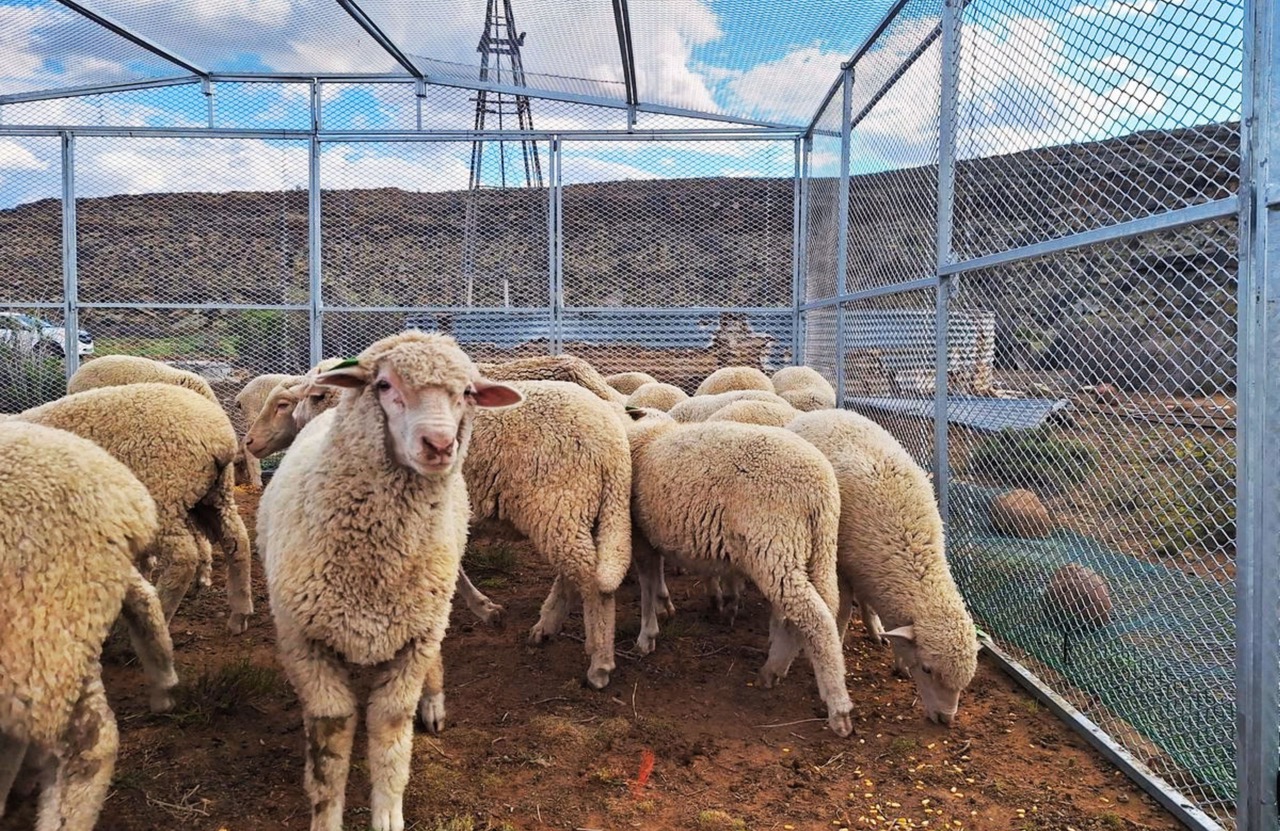
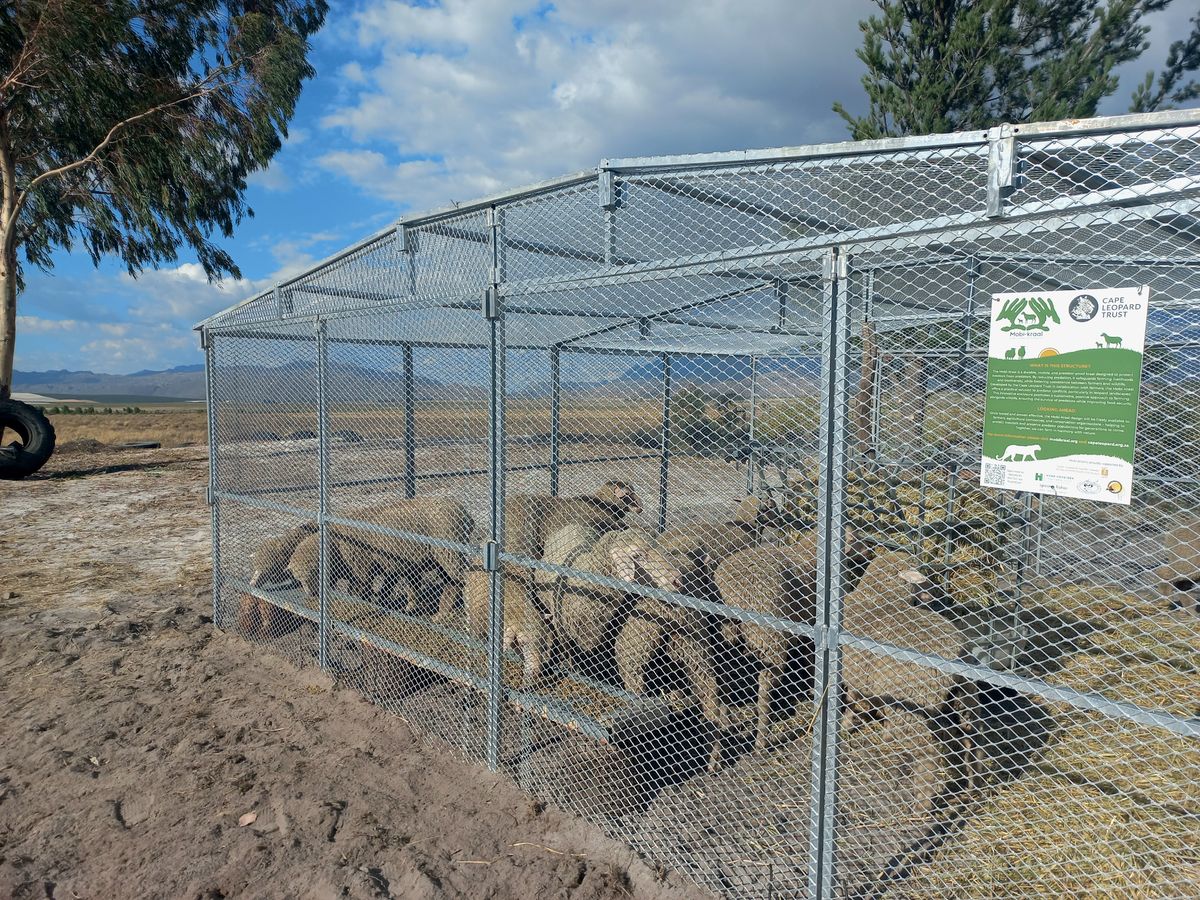
The new portable ‘Mobi-kraal’ gives farmers a way to keep sheep and goats safely enclosed overnight, when they are most at risk from predators.
After putting the design through its paces on farms across South Africa, the trust has now made the complete Mobi-kraal blueprint, build guide, video and evaluation report freely available for farmers and conservation organisations to use.
The idea grew out of conversations with farmers living and working in leopard conflict areas.
Permanent kraals can help protect livestock, but they aren’t always practical for smaller commercial or subsistence farmers whose animals move between grazing areas. The CLT saw an opportunity for something that could move with them.
The modular kraal can be dismantled, transported and rebuilt where it is needed. Its first trials have delivered some very promising results.
Four livestock farms in the Western Cape, Northern Cape and Limpopo tested Mobi-kraal prototypes for roughly a year. Each farm had previously experienced livestock losses to predators and was already looking for non-lethal ways to prevent further incidents.
When the Mobi-kraals were actively being used, nighttime predation losses dropped to zero.
Related Stories
 Volunteers Flown Into Boosmansbos Hack Over 5300 Pines Before Fire Season
 Give Hudson a Chance! SA Maker Turns Recycled Plastic Into Furniture
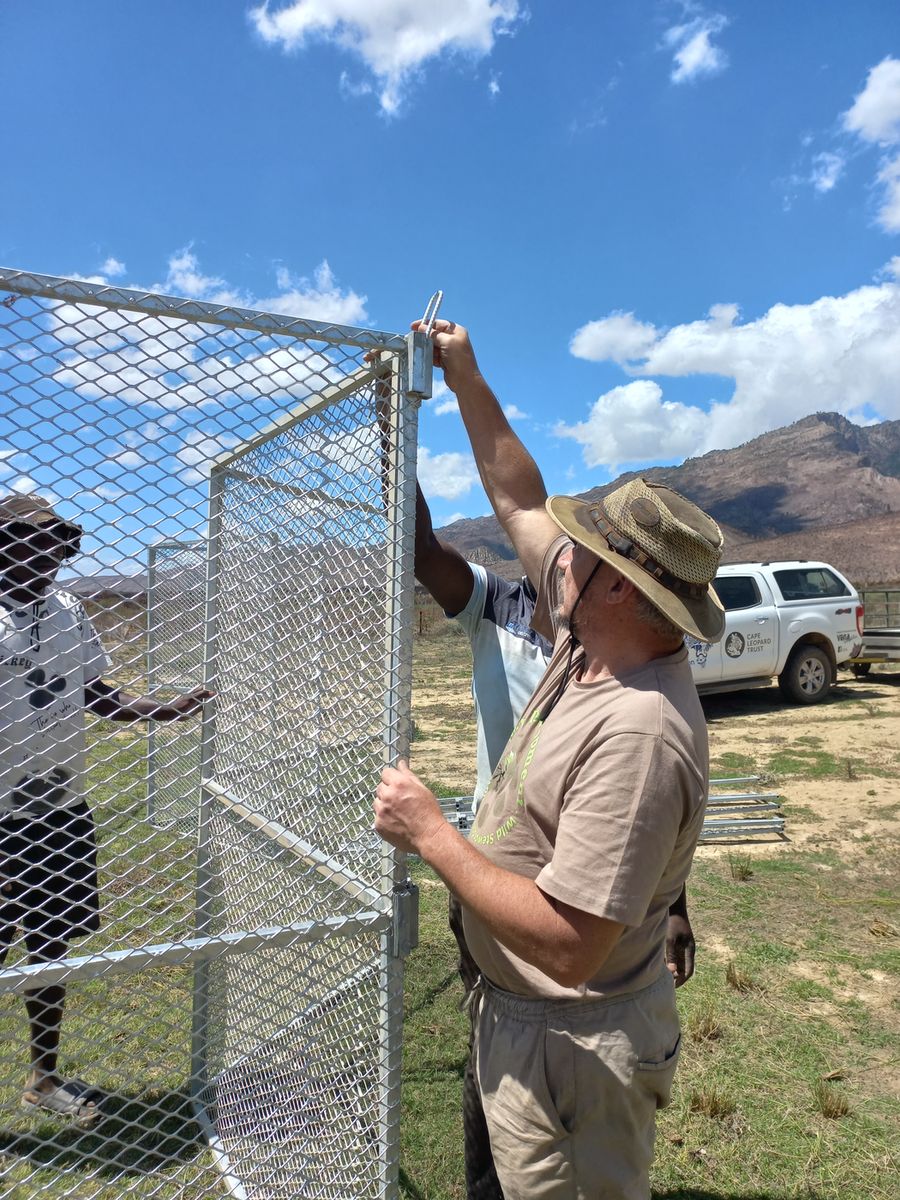
Once farmers became familiar with putting the structure together, at least three people could dismantle and rebuild it on level ground in around an hour, depending on its size.
The modular design also means farmers can adapt the kraal according to the number of animals needing protection.
One additional Mobi-kraal was kept by the Cape Leopard Trust as an ‘Immediate Response Kraal’, which could be deployed following livestock losses in the Western Cape.
This is especially useful for farmers living and working in areas where predators are also part of the landscape.
When natural prey is scarce or farm animals are easily accessible, predators may turn to livestock. Those losses can be devastating for farmers. They can also result in retaliation against animals like leopards.
Preventing the loss before it happens offers a far better outcome for both.
The Trust is clear that the design is still developing. Trials were limited to flocks of up to 25 sheep or goats, and more testing will be needed to understand how the kraal performs with cattle, larger herds or in landscapes home to predators such as lions and spotted hyenas.
For now, the Mobi-kraal gives farmers another way to keep livestock safer without harming predators.
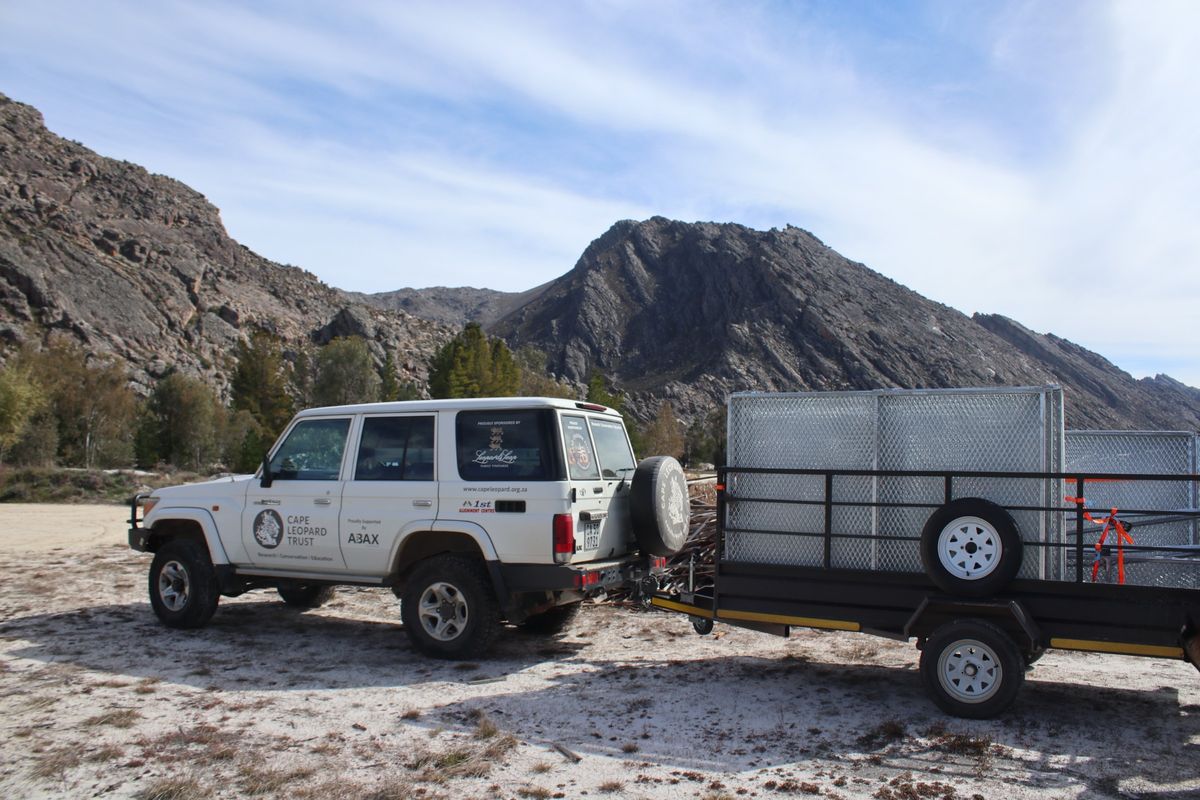
The designs for the Mobi-kraal have been released for free. Anyone can access the blueprint and supporting resources, and those who build or adapt one are encouraged to send feedback to the organisation so that the design can continue improving.
The Mobi-kraal project was made possible by the Royal Commission for AIUIa, Hans Hoheisen Charitable Trust, Van Tienhoven Foundation, Oppenheimer Generations Research & Conservation, and Spoor & Fisher.
The Cape Leopard Trust extends gratitude to the participating landowners and farmworkers for enabling the project pilot to be conducted on their properties, as well as the enabling project partners, Panthera, Primate and Predator Project, and Ford Wildlife Foundation.
 by