Many hundreds of years before Johannesburg became a mining city, iron masters were already at work on Melville Koppies. Their ancient furnace is being brought back to life at Museum Africa on Heritage Day…
Johannesburg, South Africa (15 September 2026) – This is a cool one for the local history and heritage buffs, archaeology nerds and techies!
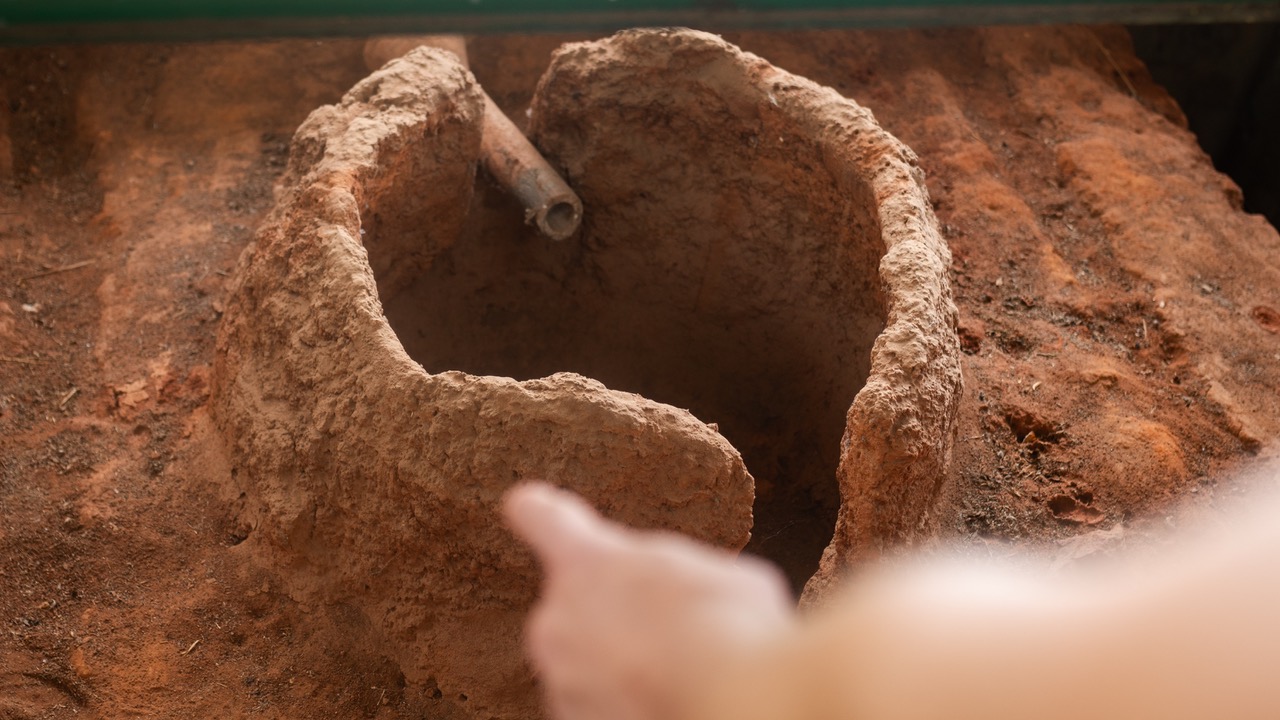
Long before there was a Johannesburg, there was already industry happening on the ridge we now know as Melville Koppies.
Sometime between 1060 and 1580 AD, skilled iron workers were using a furnace there to pull metal from the earth – centuries before the 1886 gold rush put Joburg on the map.
On Heritage Day, 24 September, the University of Johannesburg (UJ) will launch the Melville Koppies Smelter in AR at Museum Africa in Newtown, allowing guests to see the ancient furnace rebuilt in millimetre-accurate augmented reality.
All you need is a charged smartphone with you on the day. Hold it up, and the smelter will assemble itself in front of you, complete with animation and narration available in seTswana, isiZulu, Afrikaans or English.
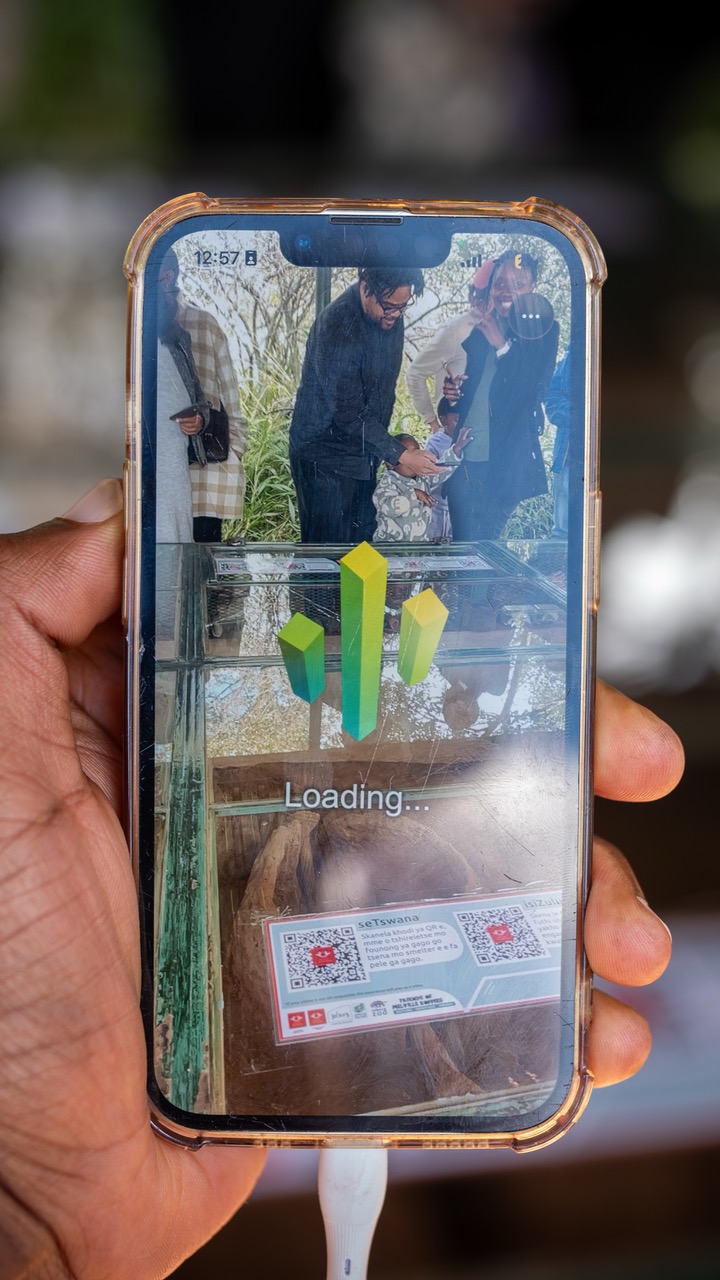
The reconstruction was created by Dr Izak Potgieter and Dr Herman Myburgh from UJ’s Metaverse Research Unit, together with the university’s Department of History and Language Unit.
It first opened at Melville Koppies on Workers’ Day, 1 May 2026, with the date chosen to honour the specialised labour of early African metallurgists.
While the original site sits on a ridge in Melville, Museum Africa has regular foot traffic and school groups passing through its doors, which makes this history much easier to access.
The furnace itself was discovered in 1963 by Professor Revil Mason, then head of the Archaeological Research Unit at the University of the Witwatersrand.
Related Stories
 The Gin Squad Drops 5 Tonnes of Pet Food on Tshwane SPCA!
 South Africans Put Their Hats On for Children Who Need More Care and Compassion
Charcoal found at the site was carbon-dated, placing its use between 1060 and 1580 AD.
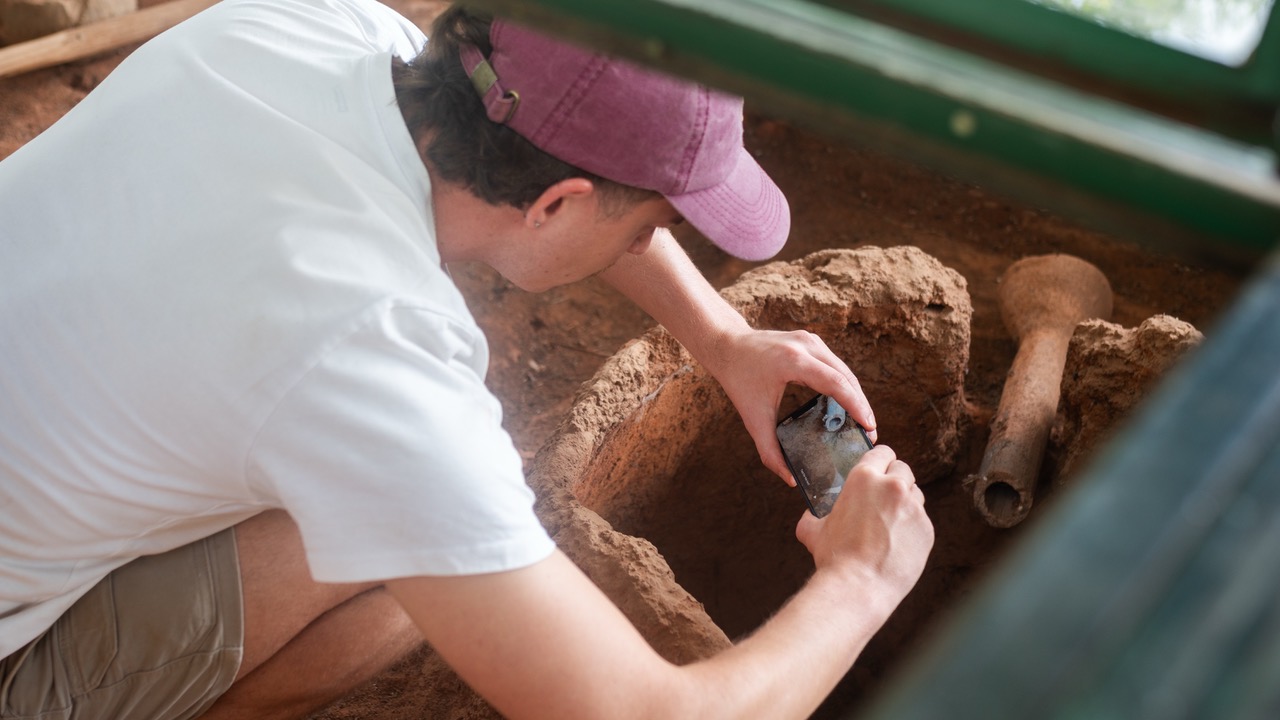
Mason would go on to identify another 14 prehistoric iron furnaces around Johannesburg, including in Northcliff, Lonehill, Panorama and Bruma.
The project pushes back against old ideas about what life in the region looked like before colonial settlement.
“The colonial narrative was that this land was empty. That there weren’t complex societies, that there wasn’t a complex economy. There was incredible complexity. There was incredible diversity, and there was an incredible amount of activity happening before the 1800s and way back into South Africa’s history, with an incredible richness. There’s a lot we can learn from how these societies functioned.” says Dr Izak Potgieter.
“I know the apartheid government didn’t like that this kind of research was being done. They didn’t like the visions of African people creating wonderful technology, that narrative coming up. That’s still significant today, and that’s what publicising this space is about. It’s about really changing the narrative of Africans in this area.” says Dr Sechaba Maape, Heritage Consultant at Wits University.
Fascinating information about how the smelting process worked will be shared at the launch on Heritage Day. According to Jenny Grice, Chairperson of Friends of Melville Koppies, the iron smiths knew how to read the furnace by watching its colour and flames.
“It’ll get into much more detail about how this smelting process actually worked, and the incredible science that those iron smiths had. They knew exactly what colour to look for, that deep deep orange. That would mean the temperature was 1,100, 1,200 degrees centigrade. And the blue flames on top, that showed whether it was too much carbon or too little.”
The Melville Koppies furnace is also just the beginning of a wider Johannesburg heritage project, with more still to come.
The Heritage Day launch takes place at Museum Africa, 121 Bree Street in Newtown, from 9:30 am to 11:30 am on Thursday, 24 September. Visitors just need to bring a charged smartphone.
 by