From teaching children to identify water hazards in Limpopo to teaching community members in Gqeberha how to perform CPR, this year the NSRI took drowning prevention and water safety education across the country – because sometimes, the most important rescue is the one that never has to happen.
South Africa (21 September 2026) – Drowning is preventable. Every year on World Drowning Prevention Day (25 July), the National Sea Rescue Institute (NSRI) makes it a point to highlight and spread this message across local communities.
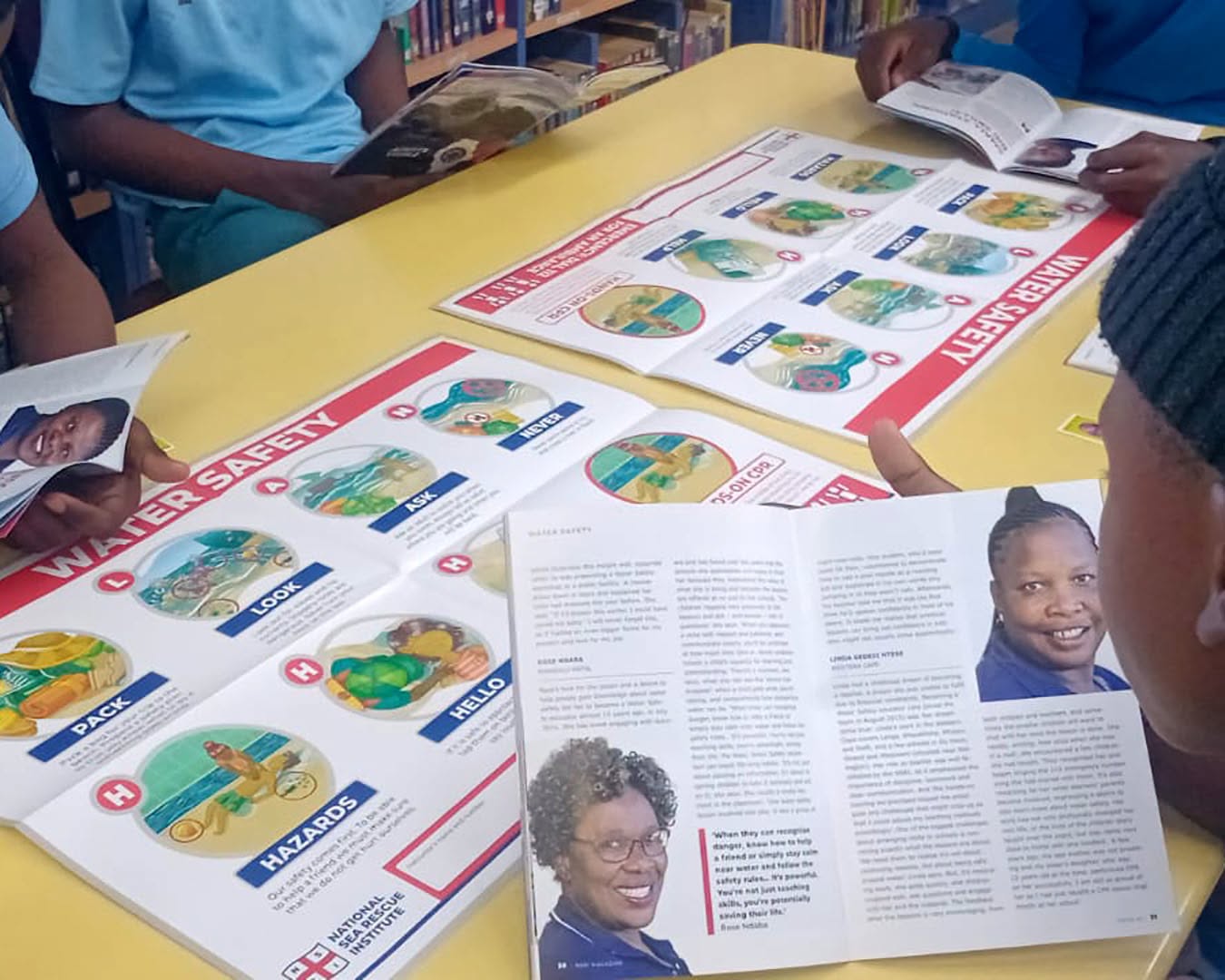
This year, NSRI Community Programmes instructors and volunteers took drowning-prevention education into schools, swimming pools, libraries, beaches, and neighbourhoods – recognising that wherever there is water, drowning risks exist.
In Limpopo, Thembalakhe Maphumulo coordinated Water Safety Education across five schools in Modimolle, reaching an impressive 4,234 learners. Children learned to identify water hazards, behave safely around rivers, dams and swimming areas, and seek adult assistance in an emergency. They were also encouraged to take those lessons home and share them with their families and communities.
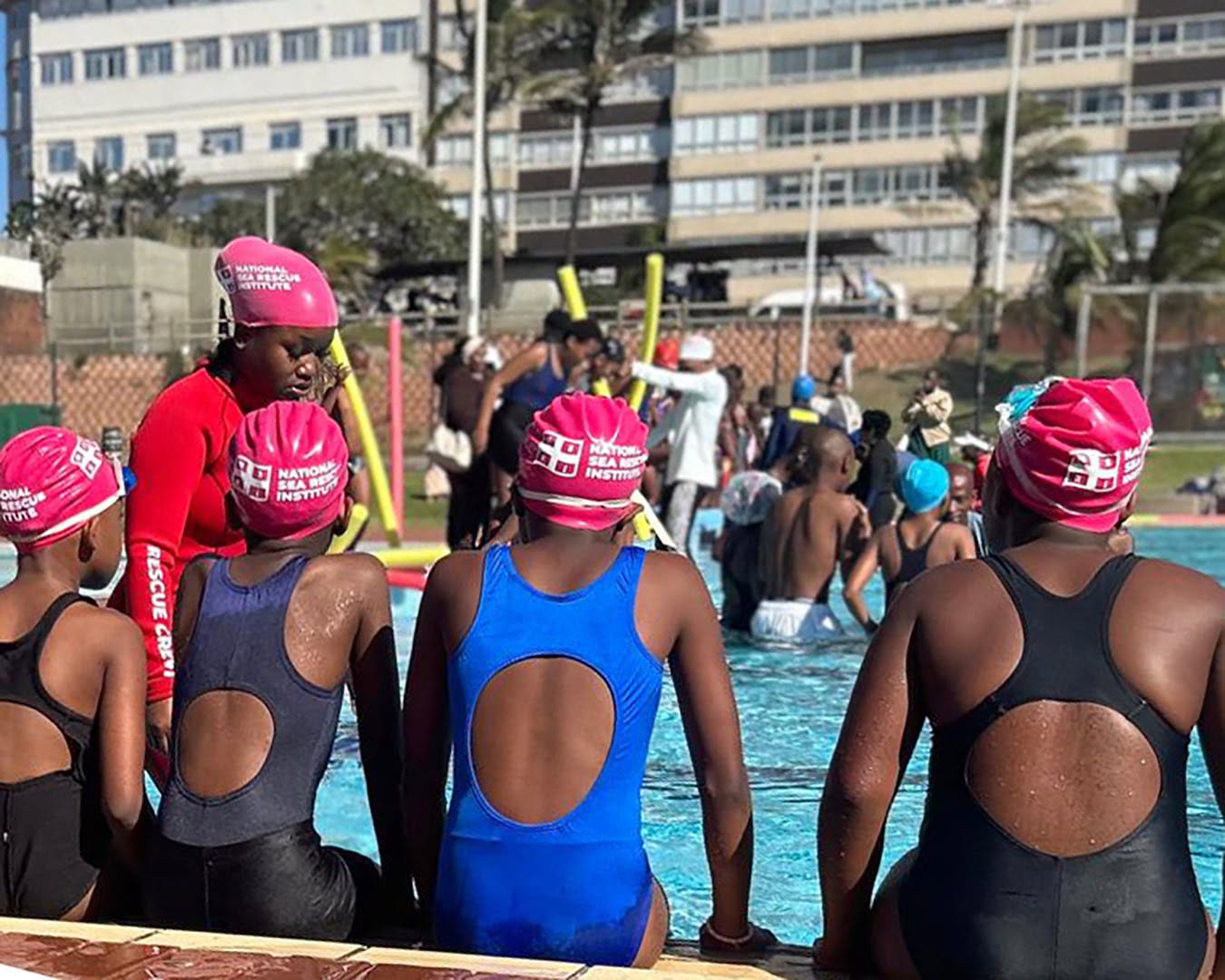
The learning moved from the classroom to the water in the Free State. Following a Water Safety Awareness Day at Lehutso Public School in Zamdela, 14 children took part in a practical Survival Swimming session. Under the instructors’ guidance, they practised skills including orientation in the water, breath control and floating.
Similar initiatives unfolded in KwaZulu-Natal, Mpumalanga, Gauteng and the Western Cape, adapting the message to the risks and needs of each community.
Recognising that drowning prevention is not only about knowing how to swim, but also knowing when not to enter the water at all, NSRI Community Programmes Instructor, Siyabulela Mlenze, led an extensive campaign focused on seasonal flooding, stormwater and flooded roads in Buffalo City.
Through schools, community engagements and educational resources, 2,986 people were reached directly. Thousands more encountered flood-safety messages broadcast hourly across nine Shoprite stores.
Another important step was taken at North End Lake in Nelson Mandela Bay, where the first publicly accessible Pink Rescue Buoys were installed. The initiative expands access to basic rescue equipment to assist bystanders while emergency services are on their way.
Skills That Travel Beyond 25 July
At Phakamani Primary School in Soweto, learners and educators participated in Water Safety Education, CPR and Pink Rescue Buoy demonstrations.
Related Stories
 SPAR Women’s Challenge Boosts Northwood’s Vision for Paediatric Hospice Care
 Xola Magwaza Makes History as South Africa’s First Natural Universe Open Champion
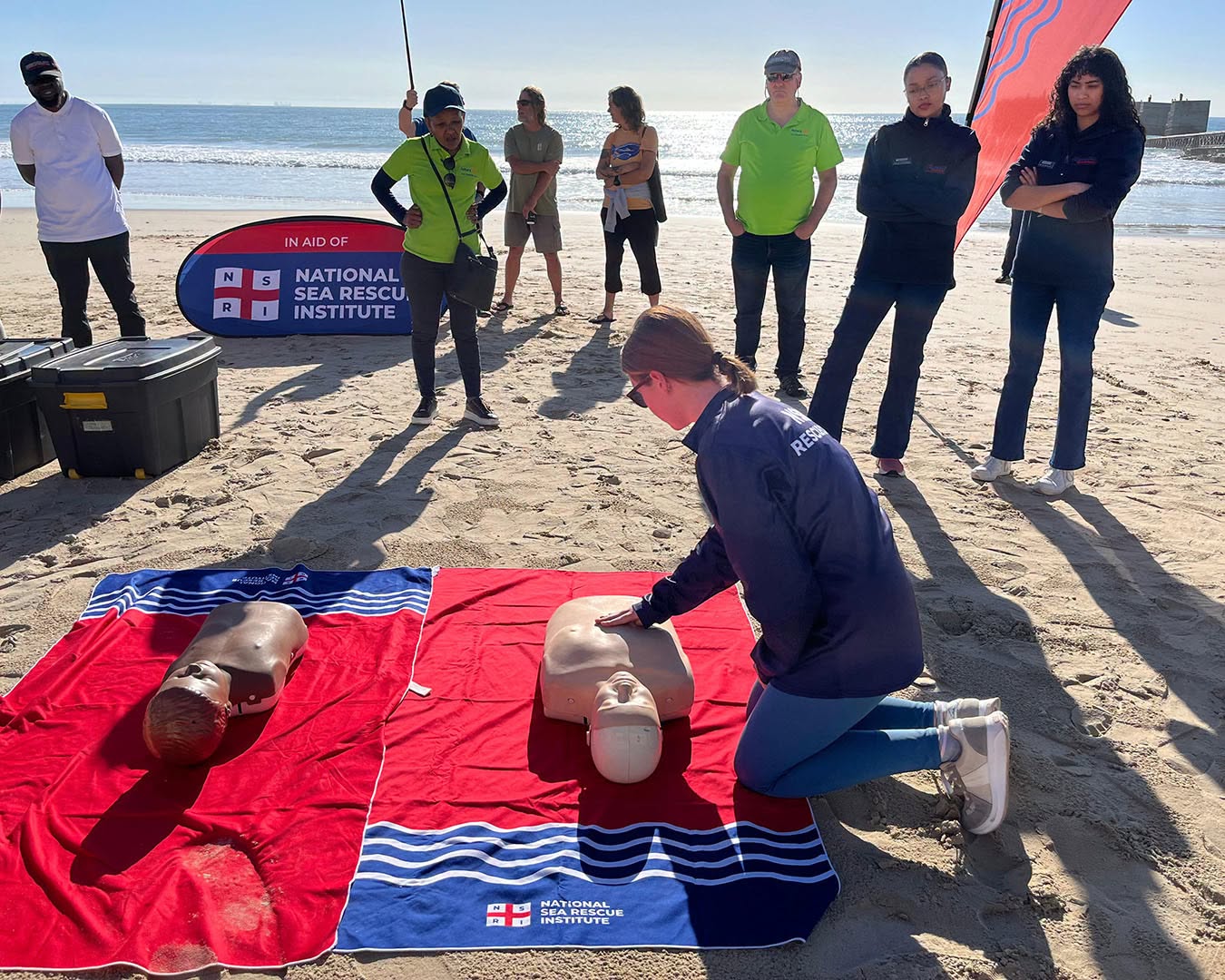
At Humewood Beach in Gqeberha, members of the public were invited to practise CPR and learn peer-rescue techniques.
In George, a school was deliberately selected because of previous drownings in nearby dams and rivers to participate in three Water Safety Education presentations.
Each activation looked different, but together they told the same story: drowning prevention works best when people are given practical knowledge they can carry with them.
That is what makes World Drowning Prevention Day more than a date on the calendar, the NSRI said. A child who learns to float can use that skill long after 25 July. A parent who learns CPR may one day know what to do in an emergency. A learner who understands the danger of floodwater can pass that message on to a friend.
Through partnerships with schools, municipalities, rescue stations, community organisations, volunteers, businesses and the media, the NSRI’s 2026 campaign helped those lessons travel even further.
 by
by