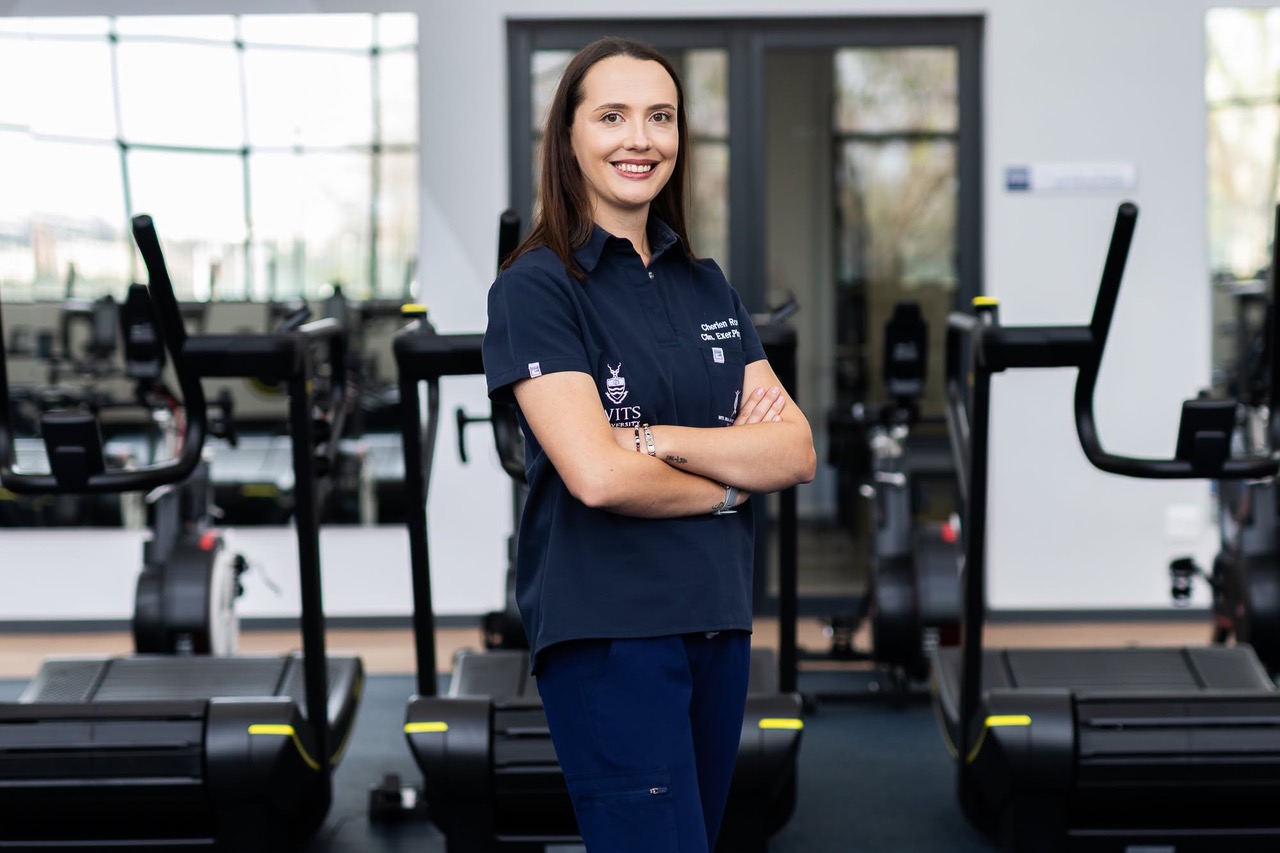
Wits PhD student Chérien Roux is working towards developing a locally relevant protocol to help guide the way movement is used as part of cancer care in South Africa.
Johannesburg, South Africa (21 September 2026) – Exercise may not be the first thing that comes to mind when we think about cancer treatment. But in countries like the US and Australia, it has become an established part of supporting people through cancer and recovery.
Carefully prescribed exercise can help oncology patients manage some of the difficult physical effects that come with the disease and its treatment, including severe fatigue, muscle loss and certain complications that can affect movement and quality of life.
It’s not about telling someone undergoing chemotherapy to hit the gym. Exercise oncology is highly specialised and looks at how different forms of movement can be safely prescribed before, during and after cancer treatment according to a patient’s diagnosis, treatment plan and needs.
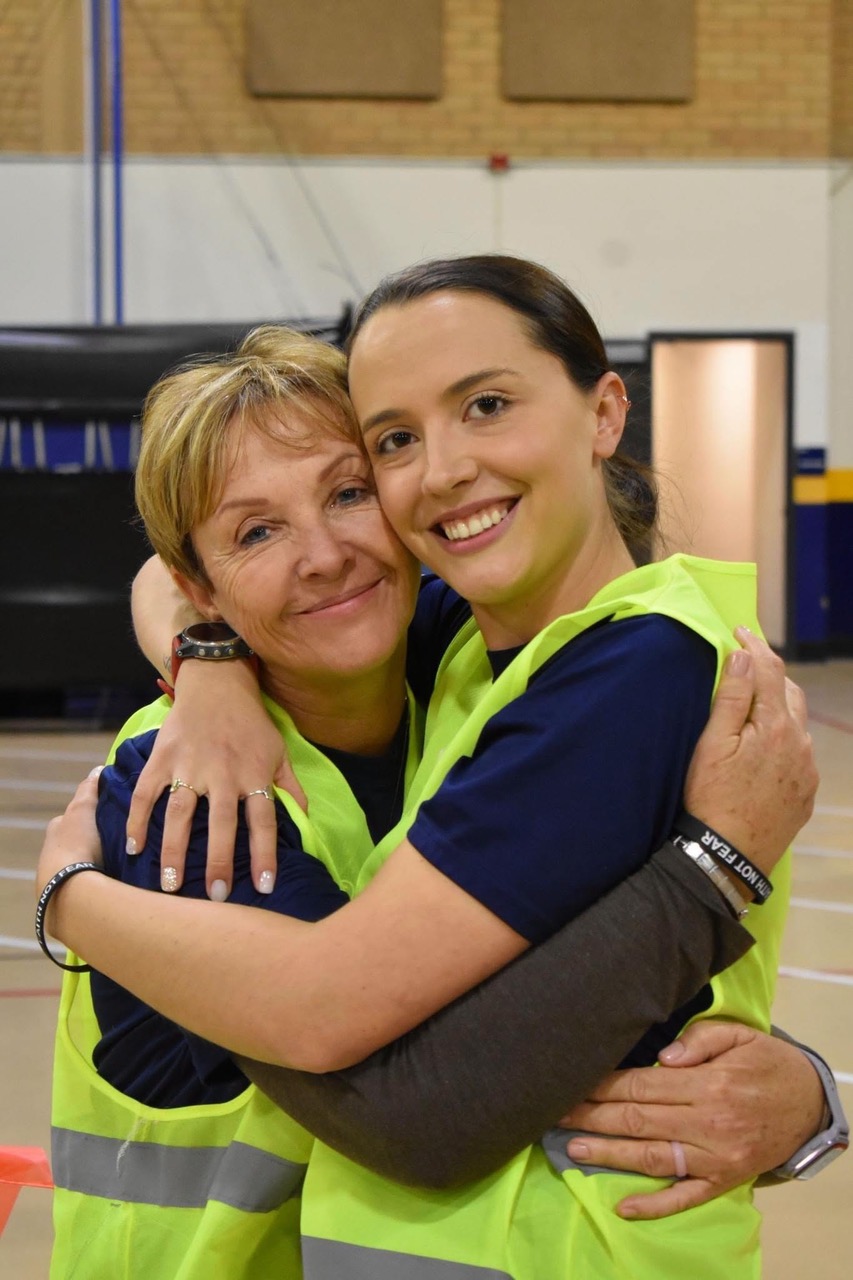
Working within the realms of oncology has a deeper meaning for Wits PhD student Chérien Roux. Recently, the university shared her inspiring story online.
Chérien was in high school when her mom, Dorothy, was diagnosed with breast cancer. She watched her go through chemotherapy, a double mastectomy and reconstructive surgery, and saw just how much cancer treatment can take out of a person physically and emotionally.
That helped shape the work she eventually chose to pursue. Now in her late twenties, Chérien is a qualified exercise physiologist who works with clinical patients from the Wits Zylstra Sports Complex. She has an academic background in sport coaching science, sport science and exercise physiology, along with further certifications in clinical exercise and cancer exercise training.
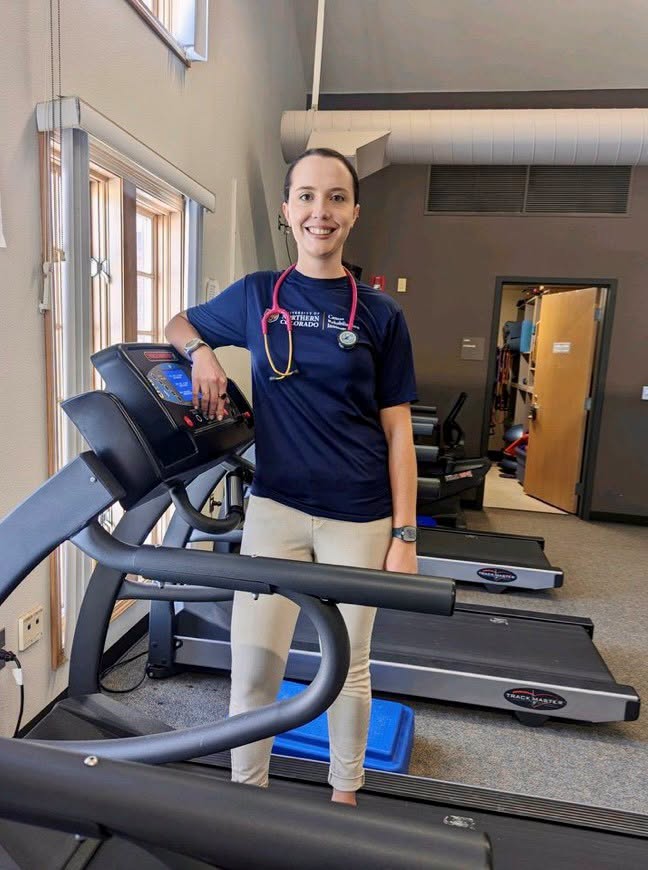
Her interest in exercise oncology really took shape while completing her master’s degree at the University of Northern Colorado in the United States, home to one of the first university-based cancer rehabilitation institutes in the world.
By the time she returned home to Pretoria in 2024, she knew exactly where she wanted to focus next. Chérien signed up for a PhD in Therapeutic Sciences at Wits, where her research now looks specifically at how exercise therapy can be used to help manage breast cancer-related lymphoedema in South African survivors.
South Africa doesn’t currently have a set exercise oncology protocol to guide clinicians in this area. Whereas countries including Australia and the United States have been working with established approaches for more than a decade.
Related Stories
 Anonymous Donor Gets Cat Angel Refuge Back on the Road With 5 New Tyres!
 Saints Hits R5 Million Mark for Giving Day!
In August, Chérien presented research at the first conference of the International Society of Exercise Oncology in Heidelberg, Germany. She also serves on the organisation’s communications committee and is its only South African member.
At the conference, African representation was tiny.
“What I got from the conference was that Africa, generally, is lacking in research in exercise oncology – there was me, and one guy from Kenya – the only people representing Africa,” says Chérien as per Wits. “Our continental point of view and socioeconomic status differs from the West; the way we live, our environment, genetics, financial and transportation needs. We’re really lacking research.”
South African patients live within different healthcare systems, communities and economic realities. Access to transport, medical care, rehabilitation and specialist services is different here compared to other countries, which means any useful local protocol needs to take those realities into account.
For her thesis – The Use of Exercise Therapy in Managing Breast Cancer-Related Lymphoedema (BCRL) in South African Survivors – Roux is gathering input from experts both in South Africa and abroad, including professionals working in oncology, medicine, physiotherapy and other areas of cancer care.
She will then bring the voices of breast cancer patients and survivors into the research too, looking at what exercise support they currently receive and what they actually need.
All of that information will help Chérien work towards a protocol designed for South African patients.
Bringing exercise oncology into South African cancer care isn’t about replacing chemotherapy, surgery, medication or any other medical treatment. Rather, it focuses on making sure patients have access to another carefully managed form of support that could help them stay stronger, cope with certain side effects and recover better.
There is an even bigger need for locally relevant exercise guidance across different cancer types so that doctors and rehabilitation professionals have something practical to work from when deciding what is safe and useful for each patient. That is Chérien’s greater hope.
Beyond her academic work, Chérien is also an ILoveBoobies ambassador! The local non-profit provides free breast cancer screenings and education to women in underserved and rural communities. In October, it will be hosting two charity events to raise funds for free screening.
“I’ll be representing the campaign when I participate in races, wearing their gear and helping to create awareness and visibility along the way,” says Chérien as per Wits. “I’m also passionate about sharing knowledge around the role of exercise in cancer, and I’m looking forward to opportunities to provide education at events and help people understand how movement can form part of a healthy lifestyle and cancer journey.”
Dorothy – Chérien’s mom – remains in remission, continues to exercise and is doing well.
Chérien says, “I came back to South Africa with a goal – my Mom had breast cancer. I wished my Mom had benefitted from exercise oncology; fewer side-effects, controlled lymphoedema …”
Chérien can’t go back and give her mom access to exercise oncology during those difficult early years of treatment, but she is working towards making sure more South Africans may have that option in the future.
 by
by