Thanks to palliative care that reached her early, a young mother once bedbound, paraplegic and with limited movement of her upper body in a hospice has returned home to her children – because receiving this care didn’t mean the end of her story but instead that she could keep writing it.
South Africa (07 October 2026) – For many people, the words “palliative care” still carry a frightening message: that there is nothing more doctors can do, treatment has ended, and death is near.
That misconception can prevent patients and families from seeking support at the very time it could help them live more comfortably and continue facing serious illness with greater strength.
Palliative care is still frequently associated with the final stages of life, although South African health policy has long recognised that it can begin much earlier. It is this gap between perception and reality that the Association of Palliative Care Centres (APCC) is addressing for World Hospice and Palliative Care Day on 10 October.
South Africa’s National Policy Framework and Strategy on Palliative Care, adopted in 2017, recognises this broader role. It calls for palliative care to be integrated across all levels of the health system and defines it as multidisciplinary care for patients and families affected by life-limiting or life-threatening illness, beginning from the time of diagnosis.
According to APCC CEO Motlalentoa Motsoane, waiting until the end of life to raise palliative care means losing valuable time in which patients and their families could have been supported.
“Too often, palliative care enters the conversation when a patient is nearing the end of life. By then, we have lost valuable time when that person and their family could have been receiving support. We need to change the perception that palliative care is only something to consider when treatment options are running out,” he explains.
That support can make a practical difference while medical treatment is still underway. Dr Sinalo Maleho of East Rand Palliative Care explains that bringing pain and other symptoms under control can help patients use their energy where it matters most.
“Palliative care helps manage patients’ pain and other symptoms, especially during their treatment programme. This can help them fight their disease more effectively,” she says.
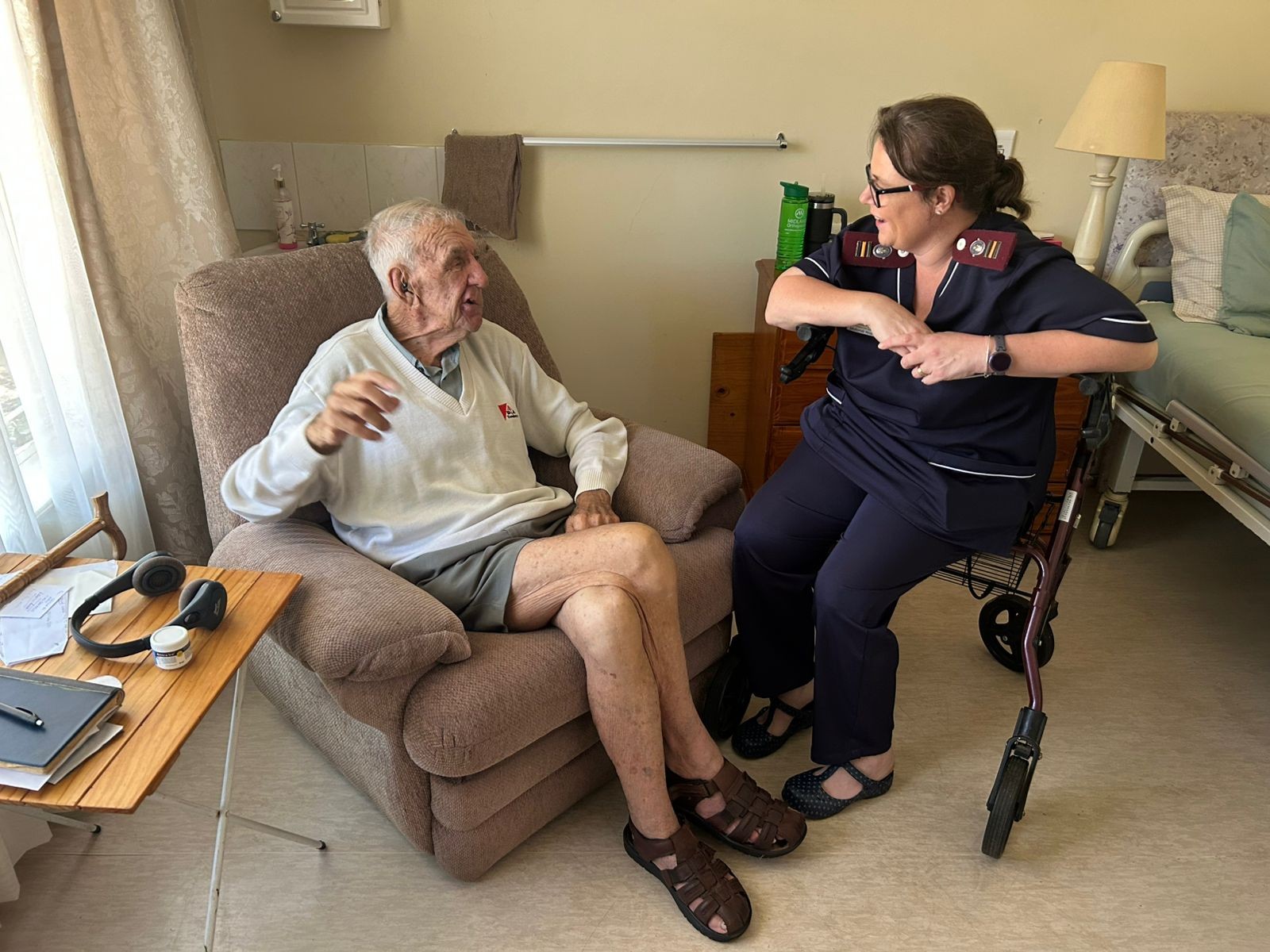
A Young Mother Given Strength, Support and Hope
The experience of a young mother cared for by Estcourt Hospice in KwaZulu-Natal brings that truth into focus. Living with HIV and a recto-vaginal fistula, she entered hospice care bedbound and paraplegic, with limited movement in her upper body. Her aunt was caring not only for her, but also for her children.
Related Stories
 Nakhane Finds a Dream Surprise at the End of a Game Drive
 Amanda’s Sweet Gesture to Municipal Street Cleaners Warms Hearts Everywhere
Her care focused not on ending treatment, but on helping her live through serious illness with greater comfort, dignity and possibility. The hospice brought her pain under control, managed other symptoms and supported her emotionally.
As her mobility improved, she was able to return to her own home. She later underwent surgery for severe foot drop caused by months of immobility and can now stand with a walker. She is cooking and caring for herself again, supported by her children and partner, while Estcourt Hospice continues to help with transport to hospital appointments and physiotherapy.
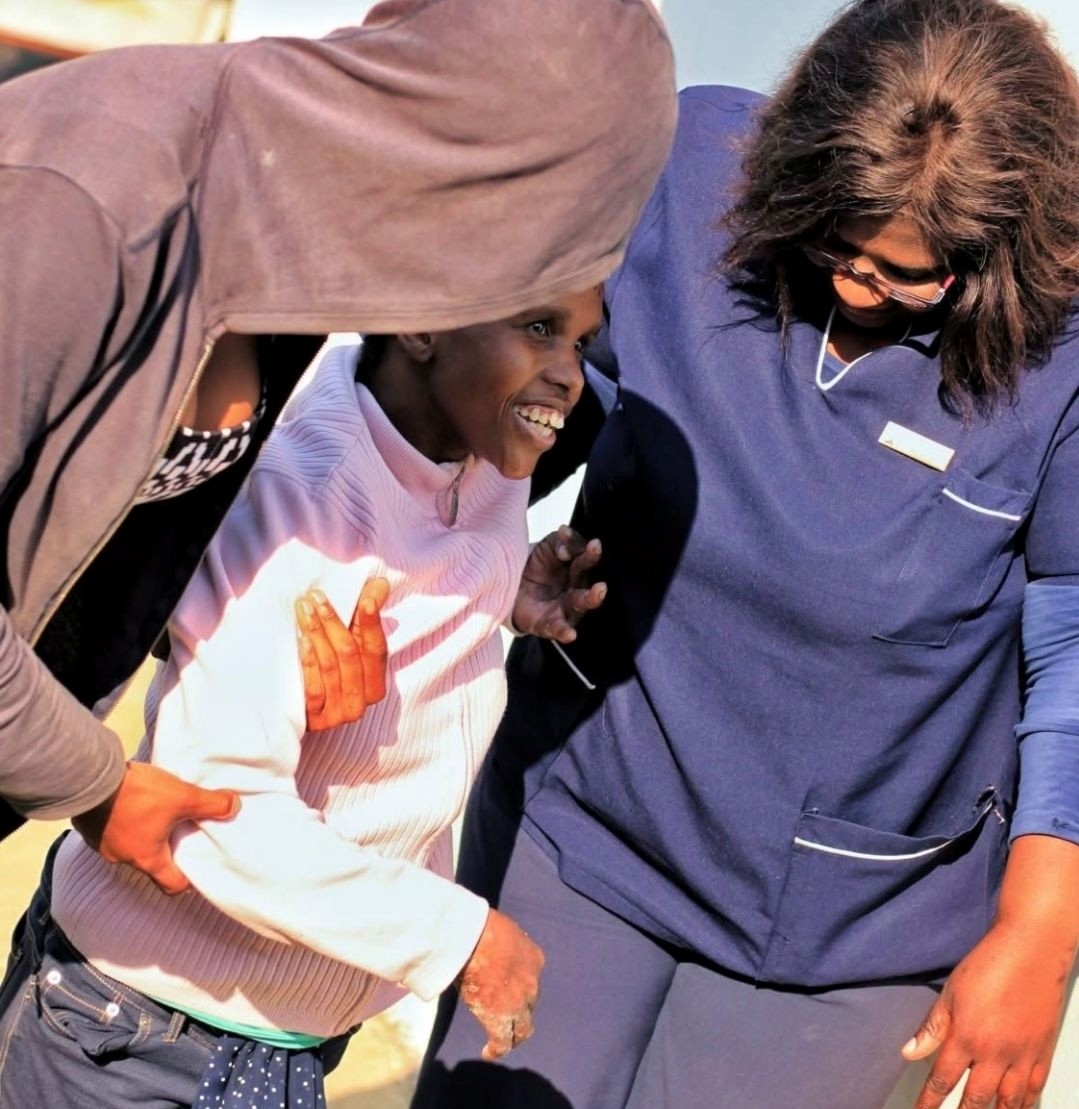
Her journey challenges the idea that a hospice referral closes the door on treatment or hope. Instead, it shows how timely palliative care can reduce suffering, strengthen a patient’s ability to continue treatment and rehabilitation, and create space for more meaningful days with the people they love.
“Palliative care can support people while they are living with serious illness, including while treatment or rehabilitation continues.”
The APCC is sharing stories like hers from member organisations as part of its World Hospice and Palliative Care Day 2026 campaign. Together, they show that life-changing palliative care already exists across South Africa, but many people still reach it later than they should.
The campaign poses a simple but urgent question: Imagine if everyone who could benefit from palliative care actually received it?
For that to happen, Motsoane says, healthcare professionals, patients and families need to start thinking and talking about palliative care earlier. Not as a last resort, but as an added layer of care that can help people live as fully as possible through serious illness.
“Healthcare professionals need to recognise when palliative care could help and know where to refer. Patients and families also need to know that they can ask about it before the final stages of illness. The sooner those conversations happen, the sooner people can find out what support is available to them.”
To find an accredited palliative care provider in your area, visit the APCC website.
Sources: Association of Palliative Care Centres
Don’t ever miss the Good Things. Download the Good Things Guy App now on Apple or Google.
Do you have something to add to this story? Please share it in the comments or follow GoodThingsGuy on Facebook and Twitter to keep up to date with good news as it happens, or share your good news with us by clicking here or click the link below to listen to the Good Things Guy Podcast with Brent Lindeque – South Africa’s very own Good Things Guy. He’s on a mission to change what the world pays attention to, and he truly believes there’s good news around us. In the Good Things Guy podcast, you’ll meet these everyday heroes and hear their incredible stories:
Or catch an episode of Good Things with Brent Lindeque or our Weekly Top 5 below. The videos here are always changing, updated with the latest episodes from these two shows. Both are part of Good Things TV, created to bring South Africans balance at a time when the news can feel overwhelmingly negative. Our goal is simple: to remind you that there are still so many good things happening in our country – and to leave you feeling a little more proudly South African.
 by
by