Ferrari museums, an F1 factory, Pavarotti’s former home and a second-place finish behind the wheel of a Ferrari. My Italian adventure had everything, including a life lesson I wasn’t expecting.
If you only have a minute, read this: I went to Italy with EasyEquities and Pablo Clark, explored Ferrari’s headquarters and F1 factory, drove a Ferrari (and came second!), visited Pavarotti’s home, ate incredible pasta and discovered balsamic vinegar that takes 25 years to make. The trip was all about legacy and it got me thinking about what we leave behind. Turns out you don’t need to be famous to make a difference. Being a good human is a pretty wonderful legacy too.
Global (22 October 2026) – I went to Italy to see Ferraris. I came home thinking about my legacy.
Ja, I know that sounds a little dramatic but hear me out. EasyEquities and Pablo Clark invited me to spend a few days exploring Maranello and Modena, the birthplace of Ferrari and home to some of Italy’s most extraordinary stories. The theme of the trip (for me) was legacy and while I didn’t know this before I arrived, I don’t think I fully appreciated what it meant until I was standing in the places where remarkable people had changed the world.
Before joining the group, I decided to spend three days exploring Bologna on my own. A little “solo travel adventure”. I had never been before. But what an incredible city!!! Beautiful old buildings, cobbled streets, little cafés, bustling piazzas and restaurants serving food that makes you understand why Italians take their meals so seriously.
Side bar: Almost every place had gluten-free options, which meant I was in pasta (and pizza) heaven!
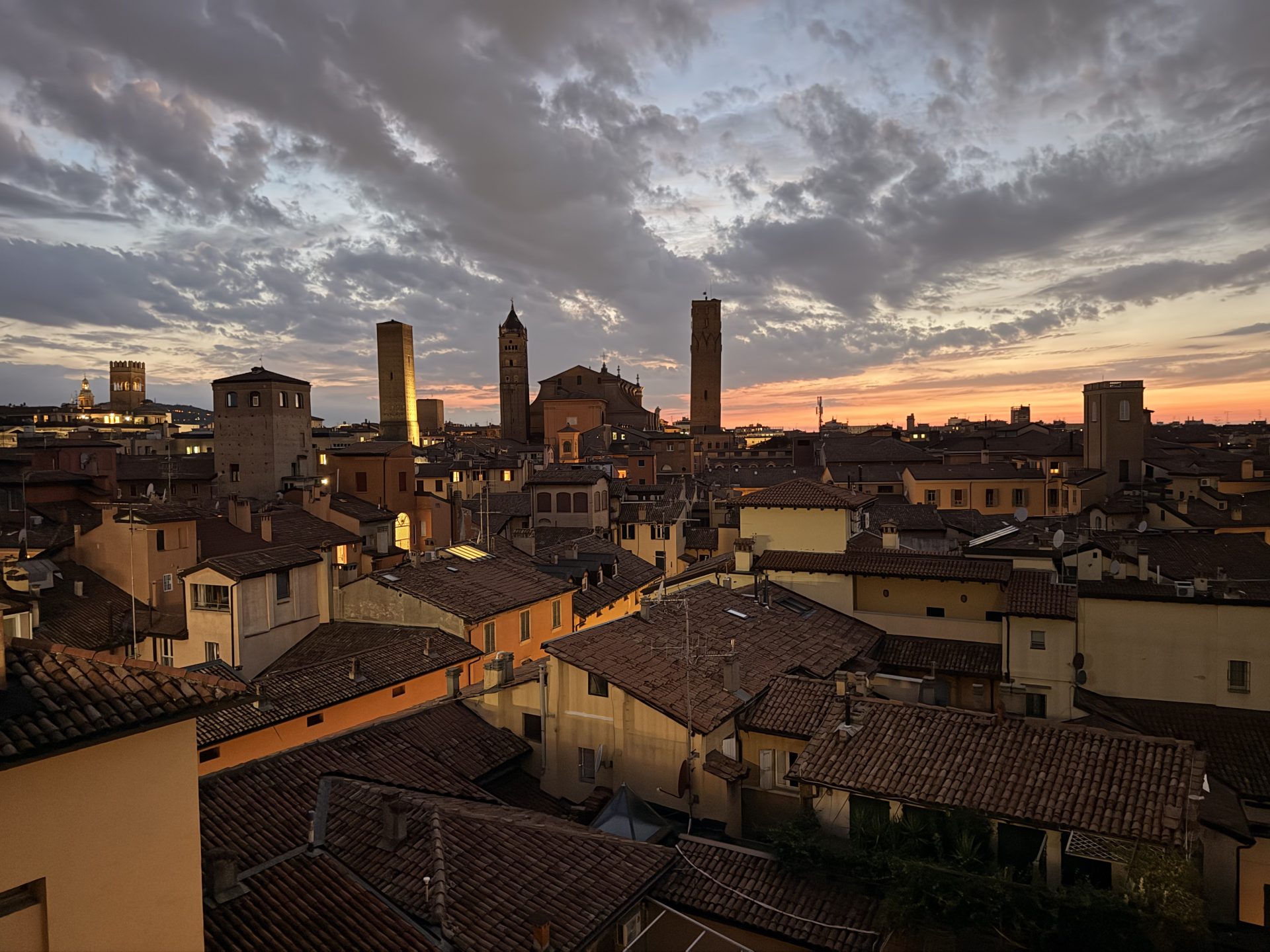
I spent my days exploring Piazza Maggiore, I climbed the Clock Tower, which had THE MOST magnificent views over the city’s terracotta rooftops and I wandered beneath the famous porticoes that stretch for kilometres through Bologna. These covered walkways have been part of the city for centuries and are even recognised as a UNESCO World Heritage Site. I also walked (read: hiked) up to the Santuario della Madonna di San Luca, a beautiful sanctuary perched on a hill overlooking the city. The route takes you beneath hundreds of arches, and while my legs were not particularly happy with me afterwards (I clocked 8,000 steps), the views were out of this world!
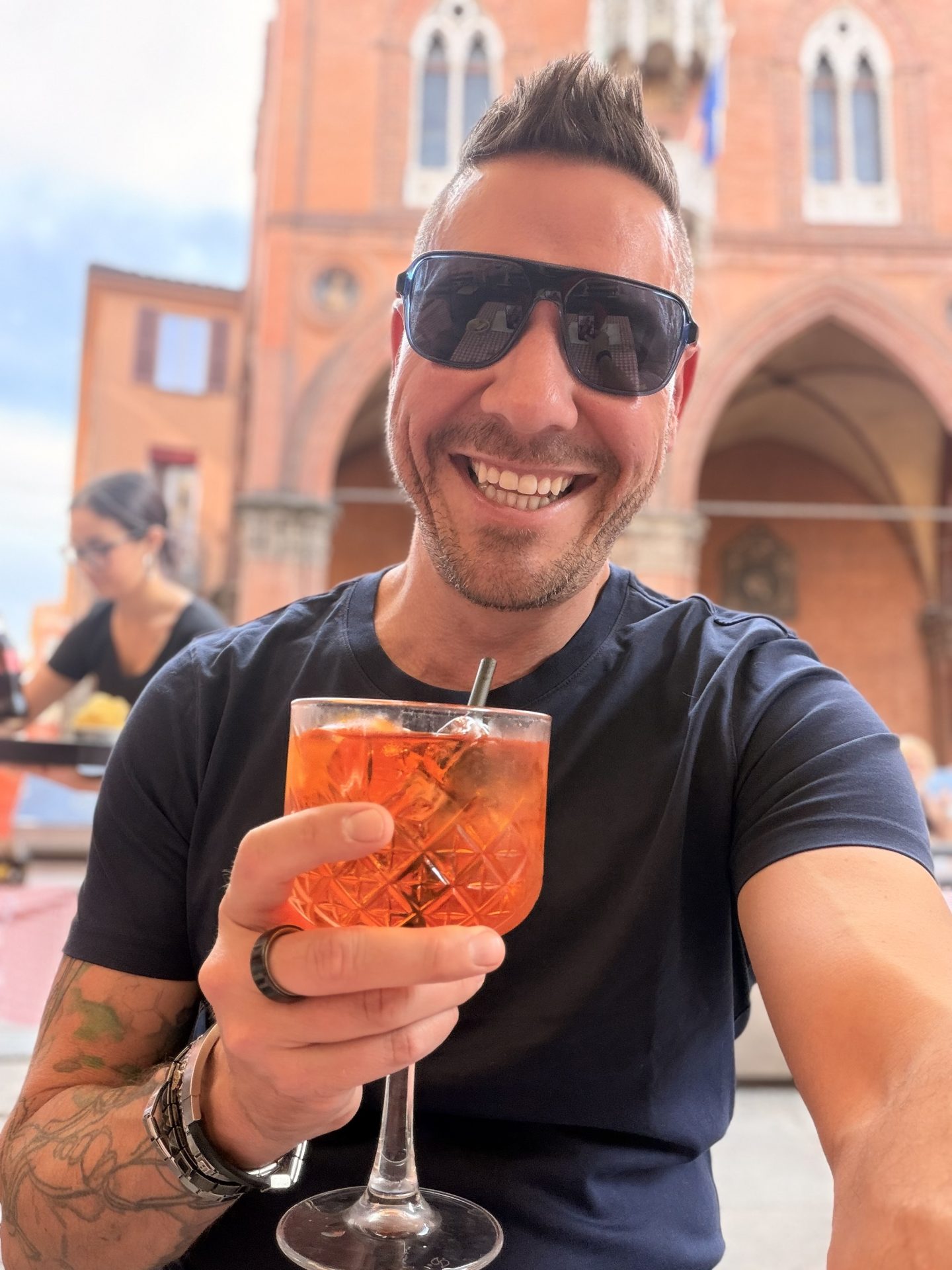
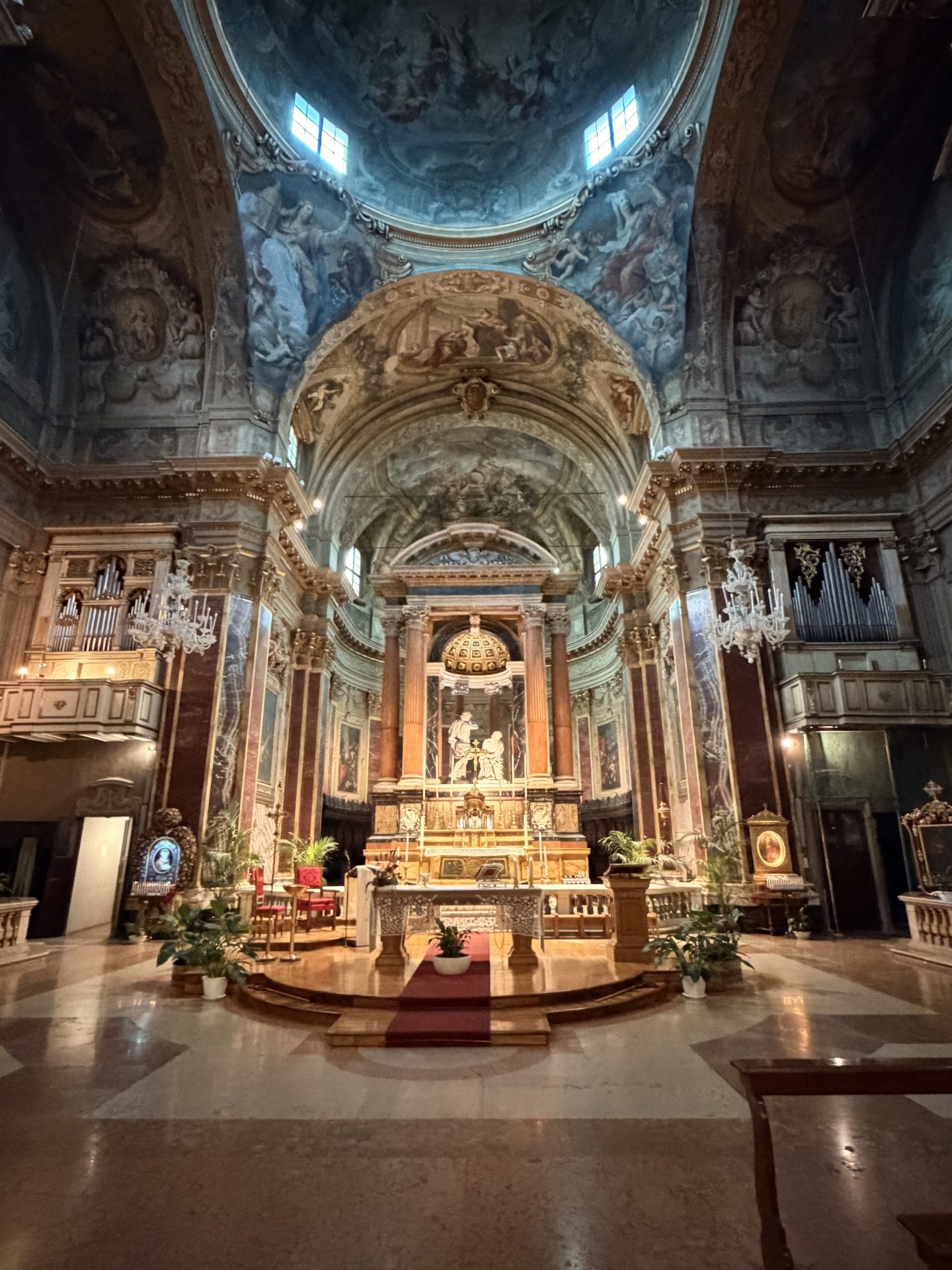
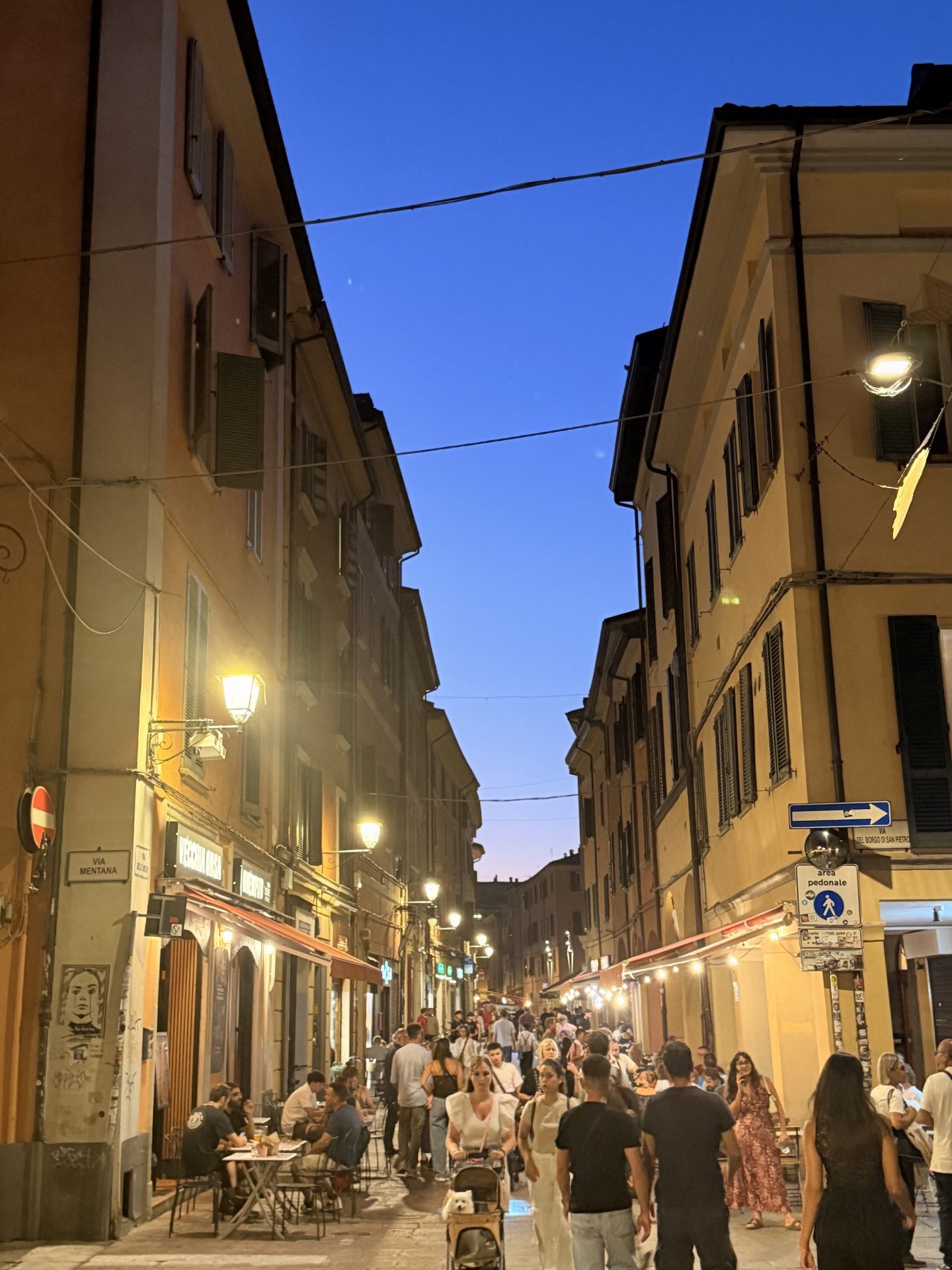
Bologna is widely known as the culinary capital of Italy. It didn’t take me long to start taking meals seriously too. I was determined to experience as much of it as possible. I even attended a cooking class with real Italians, who taught us how to make pasta from scratch. Flour, eggs, a rolling pin and generations of knowledge. Watching them work was fascinating. These weren’t techniques they’d picked up from a YouTube tutorial. They were skills passed down through families, refined over decades and shared with anyone lucky enough to learn them. Me. I got the opportunity.
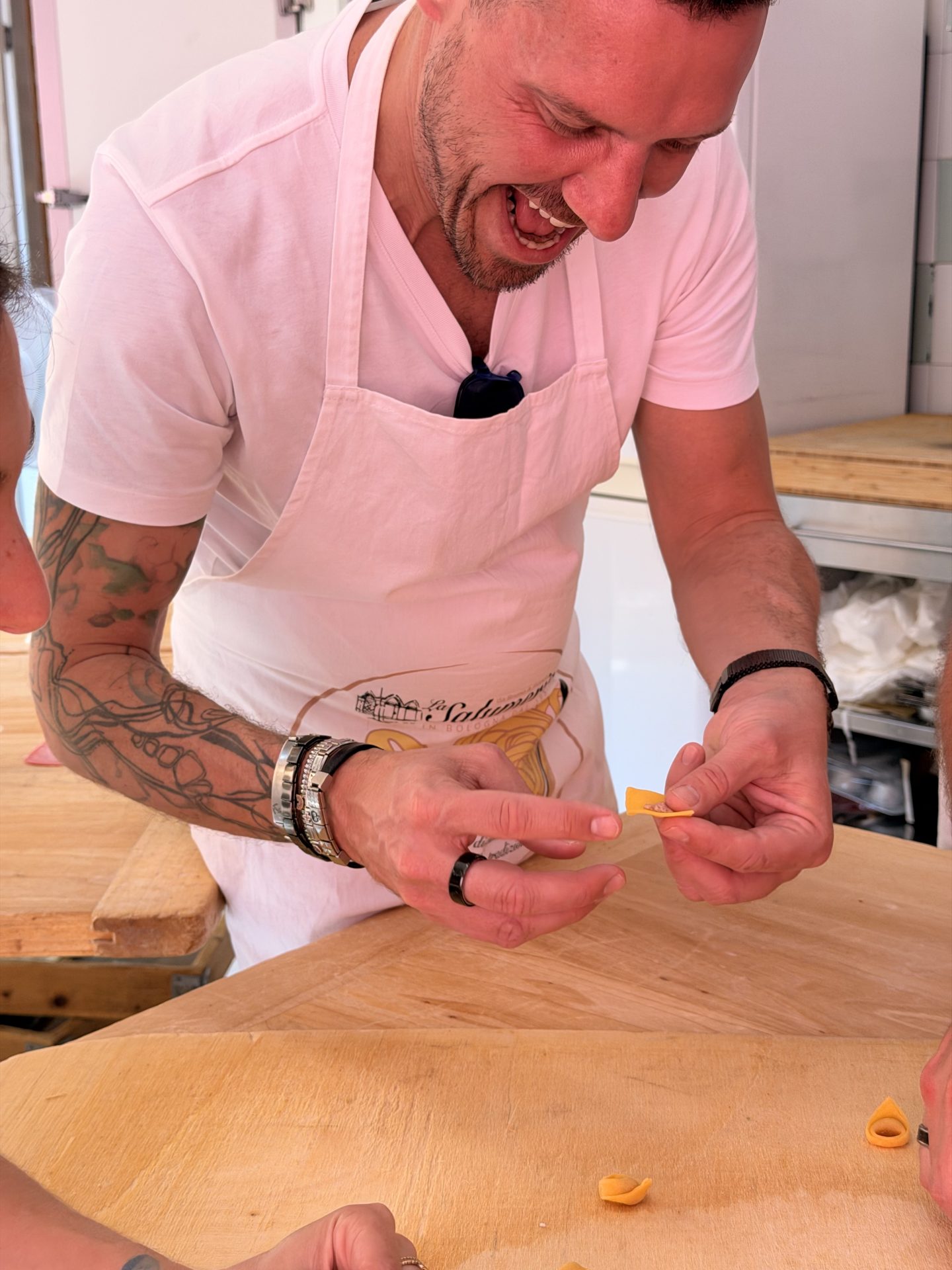
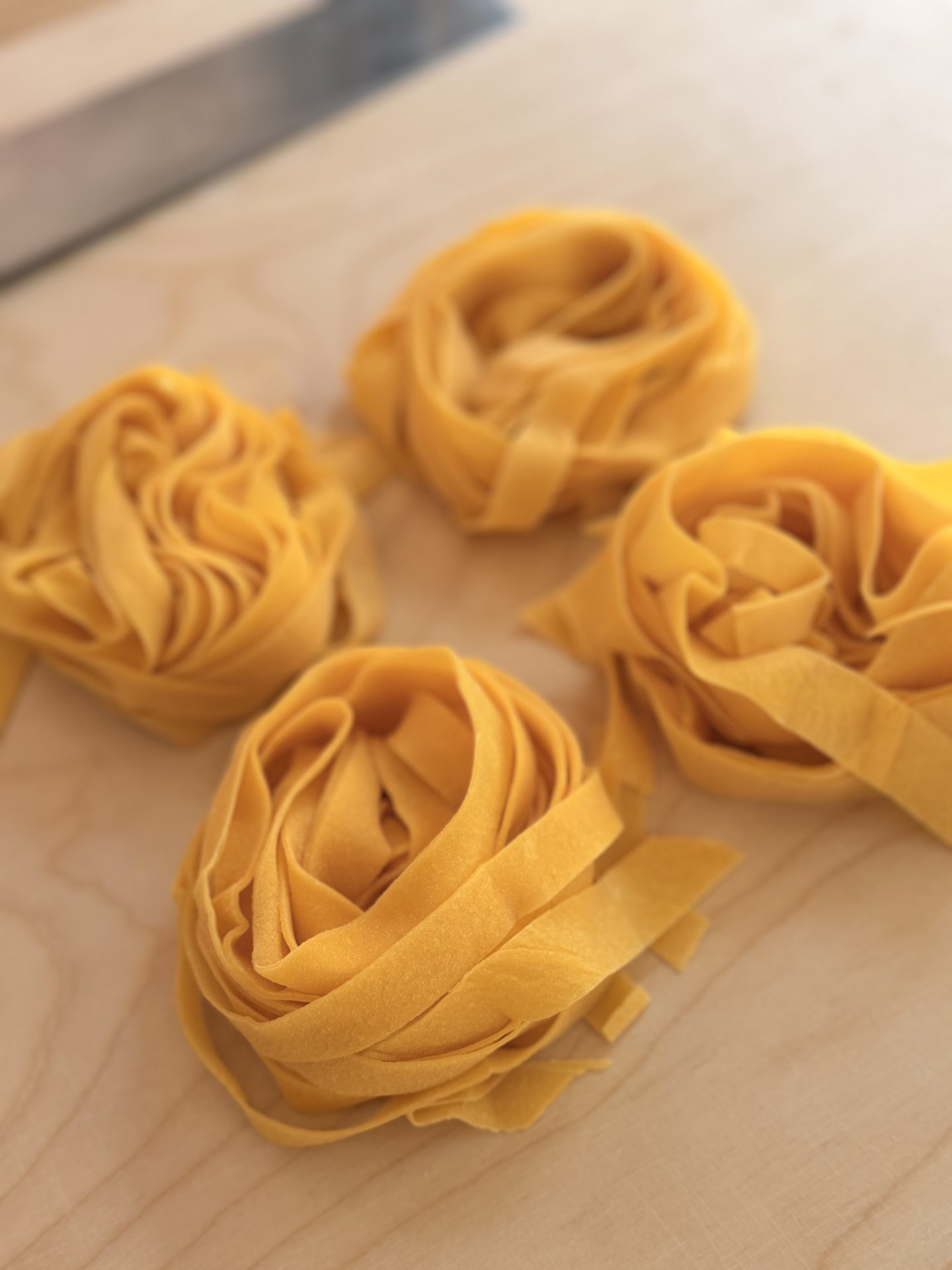
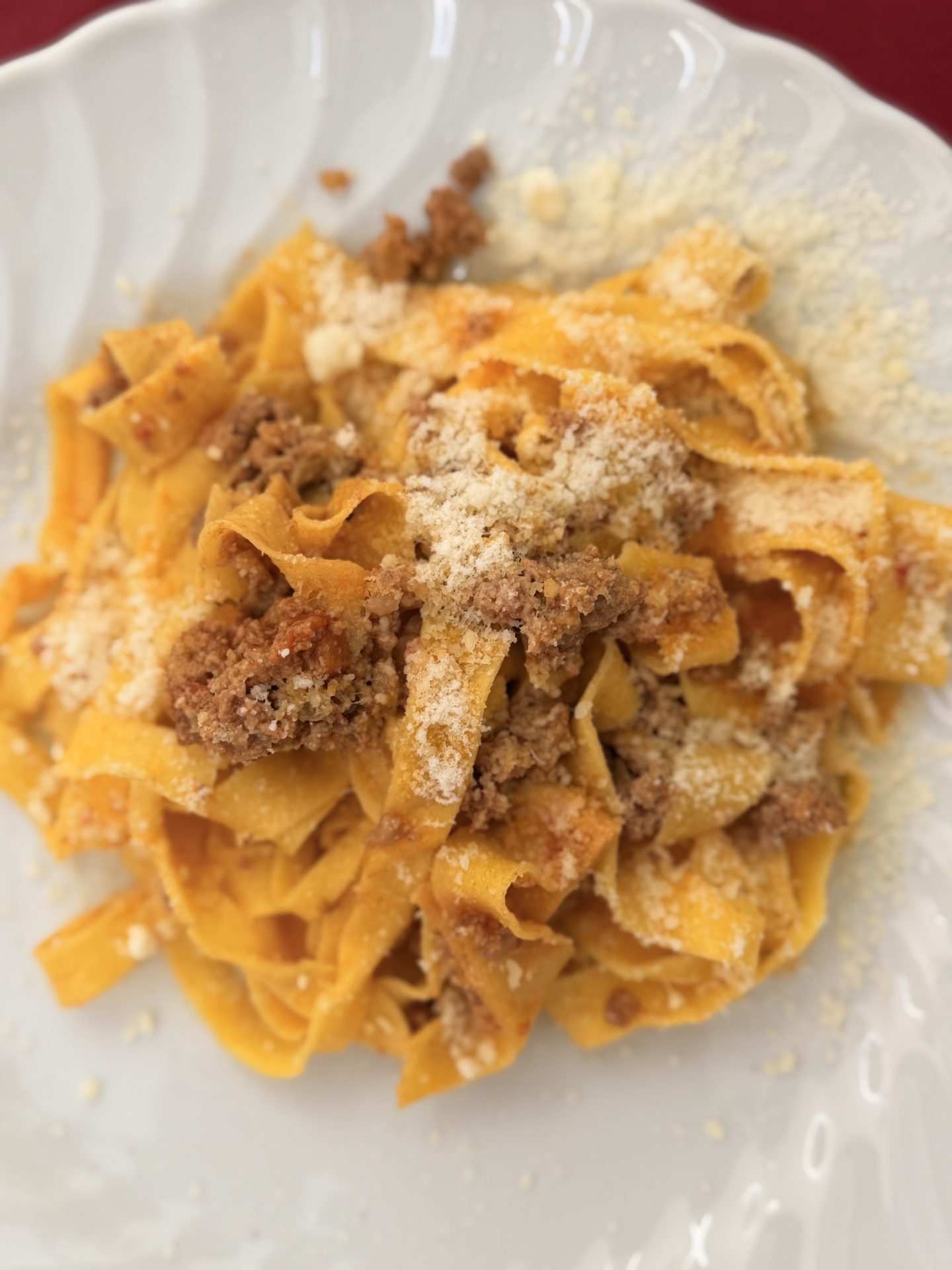
That was my first real introduction to the theme of our trip. Legacy. Bologna’s character has been shaped by generations of people who built its beautiful buildings, developed its recipes, crafted new ways of cooking and protected its traditions. Every street seemed to have a story, and just a short drive away, I was about to discover one of the most famous stories in automotive history.
Related Stories
 How Families Can Support Children’s Emotional Wellbeing
 St John's Choir 'Heals the World' with Michael Jackson Performance
The Man Who Built Ferrari
Maranello is a relatively small Italian town but it is home to one of the most recognisable brands on the planet. Ferrari. And the story behind that famous Prancing Horse is far more fascinating than I could ever imagined.
Enzo Ferrari was born in Modena in 1898. As a young boy, he attended a motor race with his father, sparking a fascination with cars and motorsport that would shape the rest of his life. But his journey was not straightforward. During the First World War, Enzo lost both his father and brother, served in the Italian army and survived a serious illness. When he returned home, he wanted to work in the motor industry but Fiat turned him away.
Yes, Fiat rejected Enzo Ferrari. Imagine being the person who made that decision. Yoh.
Enzo eventually found his way into motorsport, first as a racing driver and later as a team manager. In 1929, he established Scuderia Ferrari in Modena, initially running racing cars associated with Alfa Romeo. His ambitions, however, went beyond managing other people’s vehicles. After leaving Alfa Romeo, he established Auto Avio Costruzioni, which produced the 815 racing car in 1940. During the Second World War, he moved his operations to Maranello, where the Ferrari factory would eventually become one of the most famous automotive facilities on Earth.
In 1947, the first car to officially carry the Ferrari name, the 125 S, was born, beginning an extraordinary chapter in motorsport history. Ferrari won its first Formula 1 World Championship race in 1951, followed by its first World Drivers’ Championship in 1952. What I found incredibly interesting was that Enzo wasn’t initially interested in building luxury road cars for wealthy people… his real passion was racing but selling road cars helped finance his ambitions on the track.
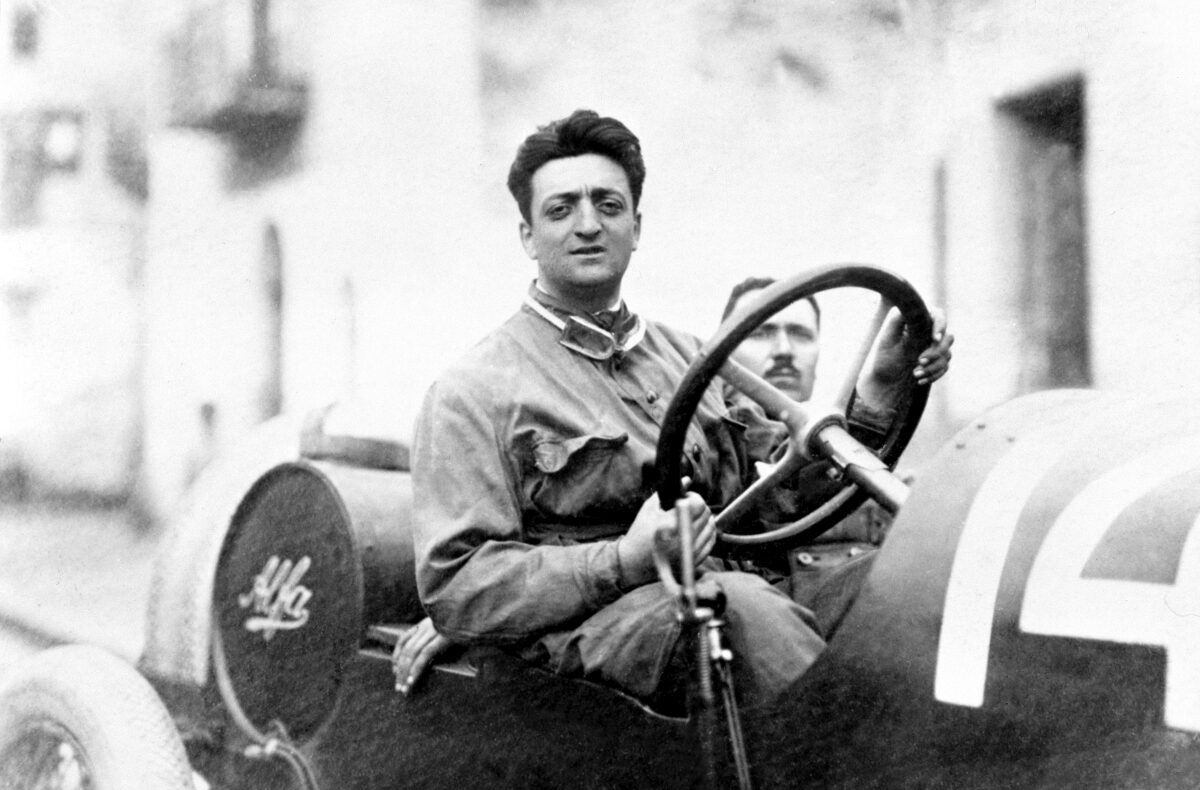
Even the famous Ferrari logo has a fascinating history. Heartbreaking actually. The Prancing Horse was originally associated with Francesco Baracca, an Italian fighter pilot who became a national hero during the First World War. After Baracca’s death, his mother encouraged Enzo to use the emblem on his racing cars, believing it would bring him good fortune. Enzo added a yellow background to represent Modena. The symbol eventually became one of the most recognisable in the world.
The most emotional part of Enzo’s story is his son, Alfredo, affectionately known as Dino. A talented young engineer who shared his father’s passion for cars, Dino contributed to Ferrari’s engine development and was expected to play an important role in the company’s future. Tragically, he died in 1956 at just 24 years old after suffering from muscular dystrophy. His death devastated Enzo, who honoured his son’s memory through Ferrari’s Dino engine projects and later a range of sports cars.
I knew very little about Ferrari before this trip but standing in Maranello and learning about the family behind the famous name gave me a completely different appreciation for Ferrari. Behind the beautiful cars and championship victories was a man who had experienced enormous personal loss and hardships, faced rejection, looked his dreams right in the eye to make them real and dedicated his life to something he loved. Enzo died in 1988 but the company he created continues to compete at the highest levels of motorsport and influence automotive engineering around the world.
Legacy.
The Museums, the Factory and Getting Behind the Wheel
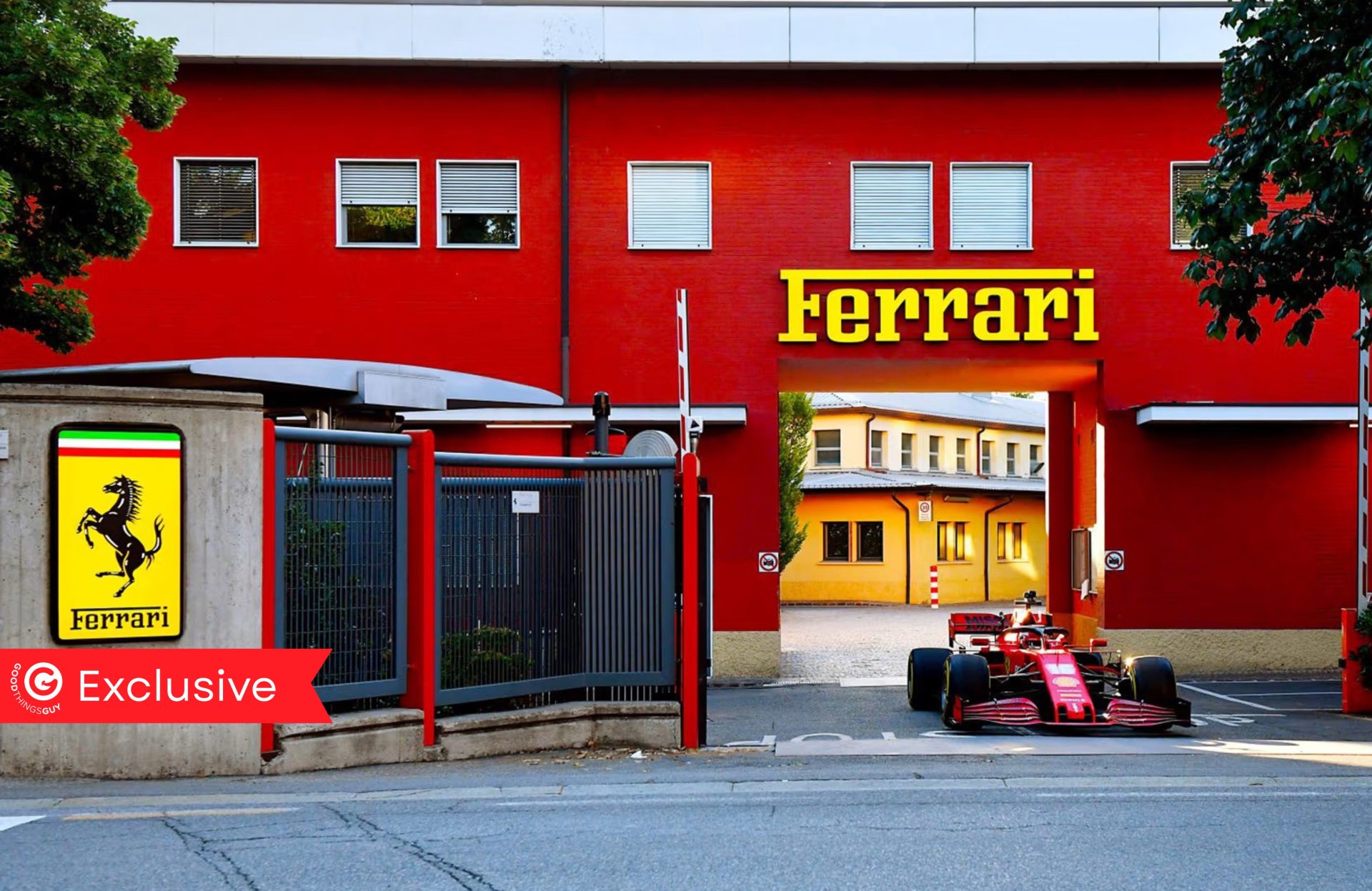
I need to explain that this wasn’t just a trip where we stood around looking at beautiful cars and listening to people talk about engines. Nope. EasyEquities and Pablo Clark went all out, taking us through multiple Ferrari museums, the company’s headquarters in Maranello and the Formula 1 factory, where some of the most technologically advanced racing cars on the planet are developed.
The museums were really something special, filled with iconic vehicles, historic racing machines, trophies, photographs and stories tracing Ferrari’s development from Enzo’s earliest ambitions to the global phenomenon it is today. Seeing the cars up close, including machines that had broken records and won championships, made me appreciate how much engineering and human effort had gone into each one. Visiting the headquarters and Formula 1 factory was equally impressive. What began as one man’s ambition has grown into an enormous operation involving thousands of people. Walking through Maranello, you get a sense of how deeply Ferrari is woven into the identity of the town. Even the robots have the Ferrari logo. The company and the community have grown together and generations of families have been connected to the work happening behind those famous factory gates.
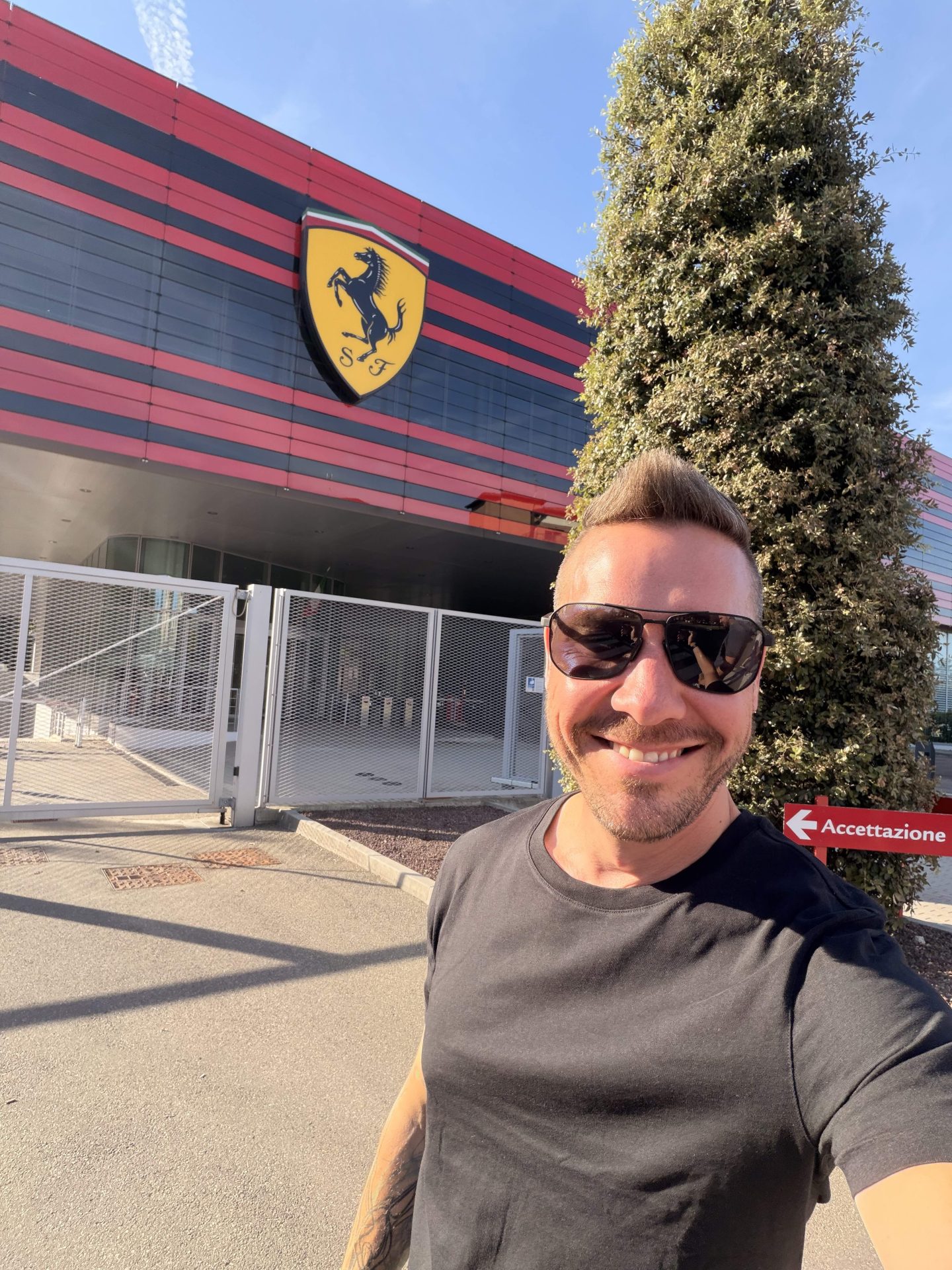
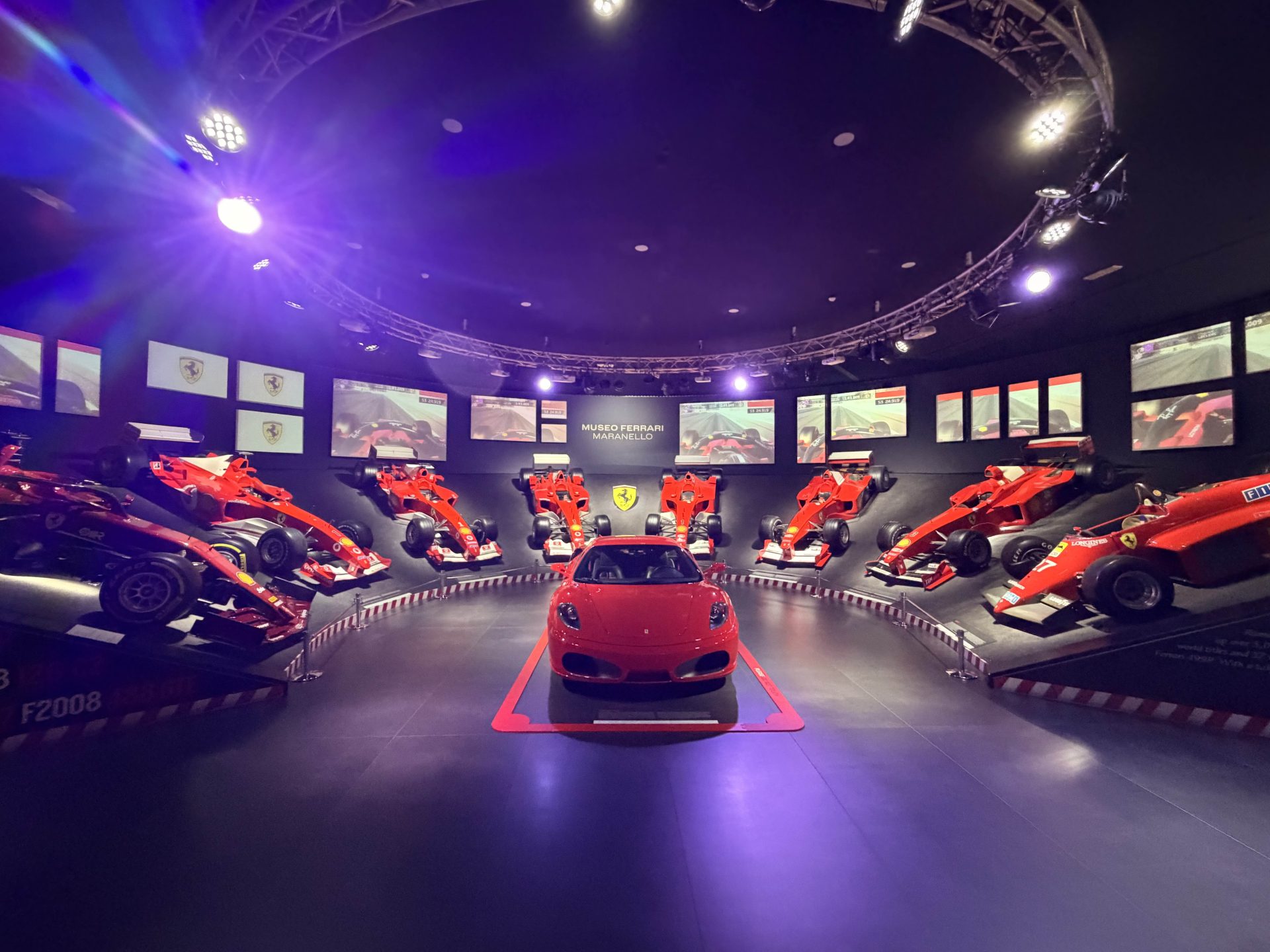
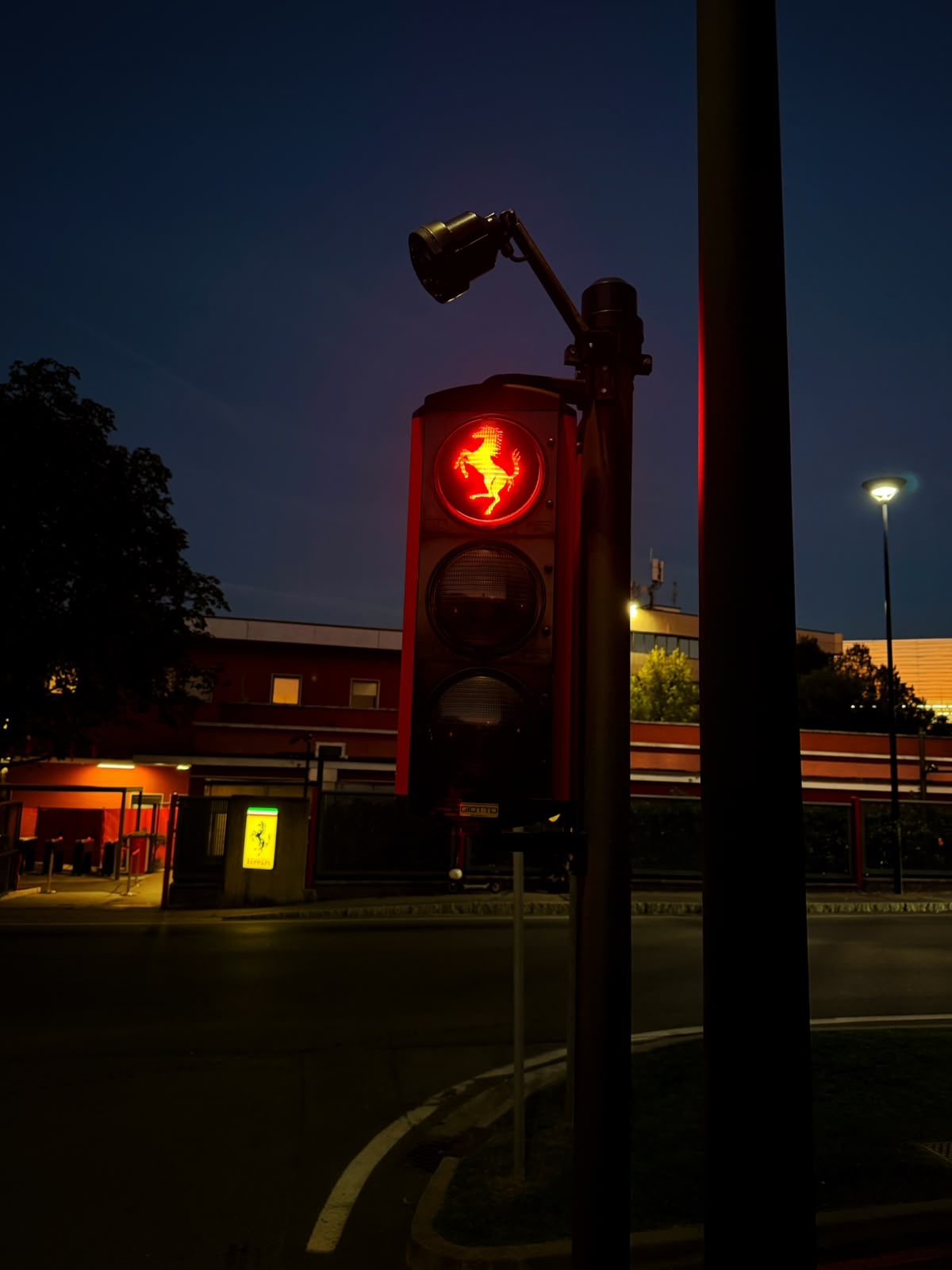
And then…. we got to drive Ferraris. Actual Ferraris. In Italy. In the home of Ferrari. I got to drive a Ferrari in Ferrari land!
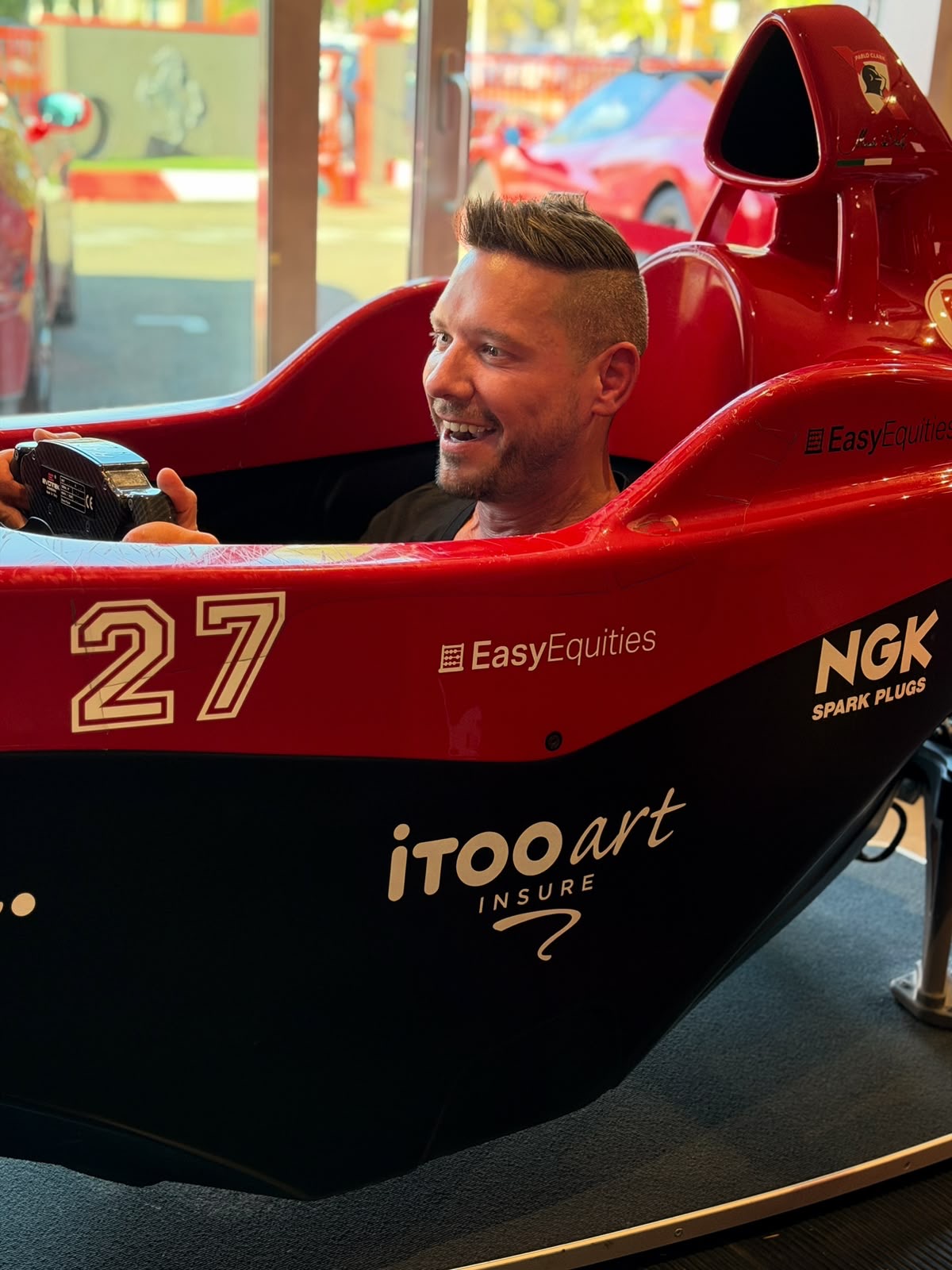
After spending days learning about the history of these machines, finally getting behind the wheel was something else entirely. The sound of the engine, the acceleration, the handling and the excitement of driving a car engineered with such precision made it an experience I’ll never forget. And, not to brag or anything, but I came 2nd in our driving challenge! Yes, it was in a simulator but… 2nd place!!! I’m not saying Ferrari should immediately sign me up for their Formula 1 team but if they’re looking for a slightly overexcited South African who talks a lot and has now finished 2nd in a Ferrari driving experience… they know where to find me.
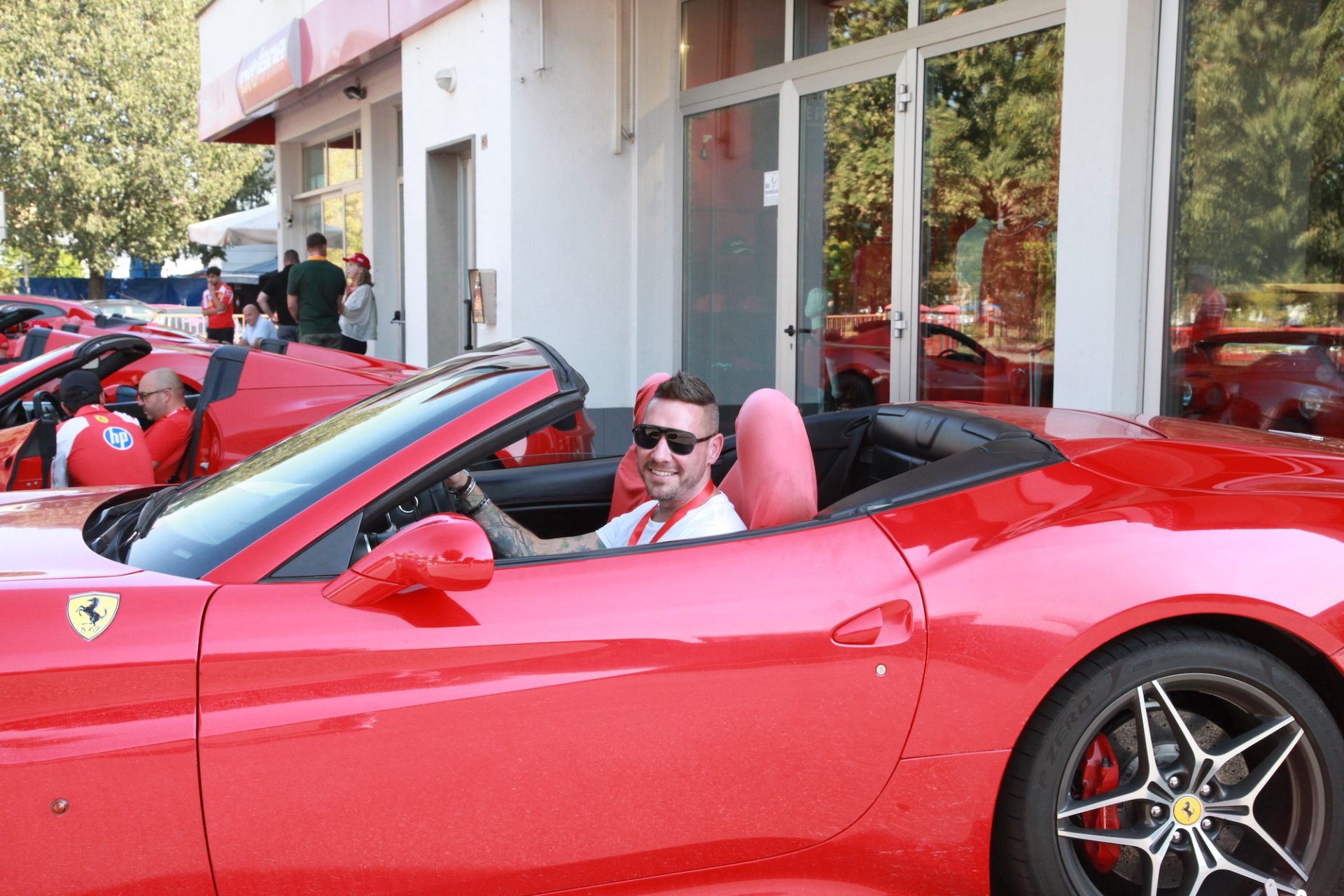
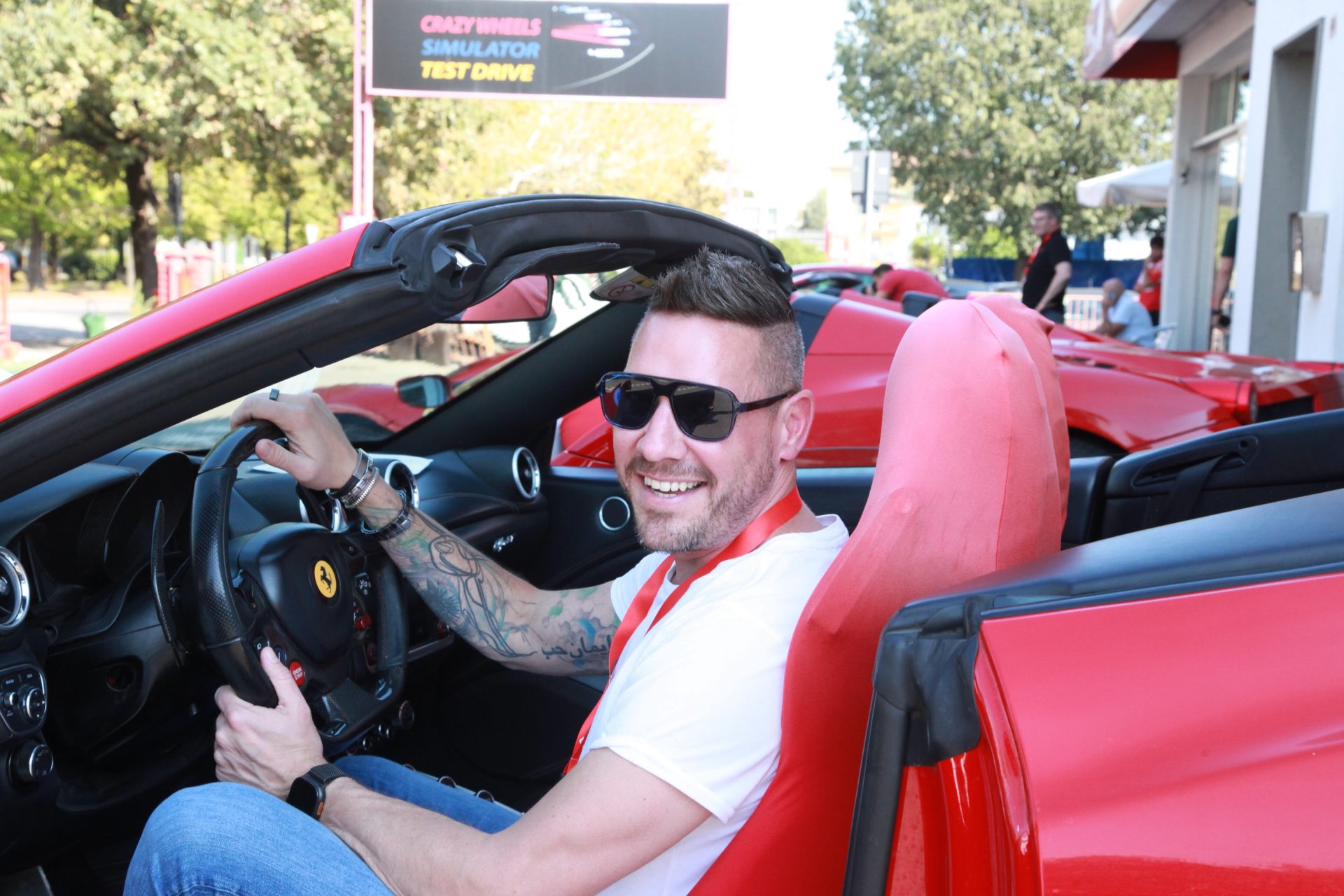
Driving one of those cars brought everything we’d learnt about Enzo together. Here we were, decades after his death, travelling from South Africa to experience something he started dreaming about as a young boy. His passion had become an industry, a source of employment for thousands of people and an experience that still brings enormous joy to complete strangers from the other side of the world.
L.E.G.A.C.Y.
A Balsamic Vinegar That Takes 25 Years to Make!
Before this trip, my knowledge of balsamic vinegar was fairly limited. It’s the stuff you drizzle over salads, right? Well, not quite. Traditional balsamic vinegar from Modena is something else entirely… and the process of making it is incredible (and takes very, very long).
It begins with grape must, which is slowly cooked and then aged in a series of wooden barrels. Over time, the liquid develops its distinctive flavour, aroma and texture, with different woods contributing to the final product. Authentic Aceto Balsamico Tradizionale di Modena DOP must be aged for at least 12 years, while the extra-aged version requires a minimum of 25 years.
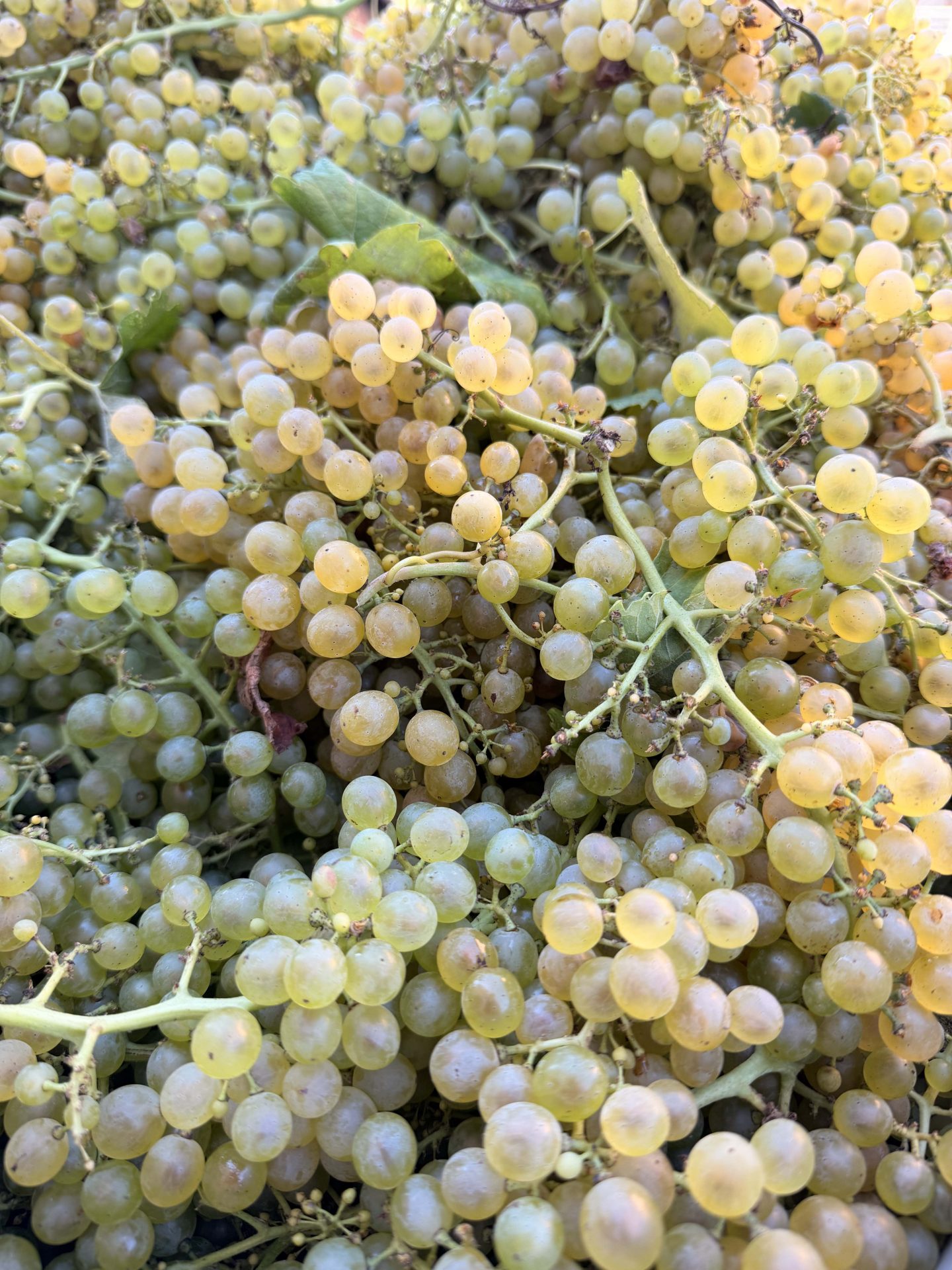
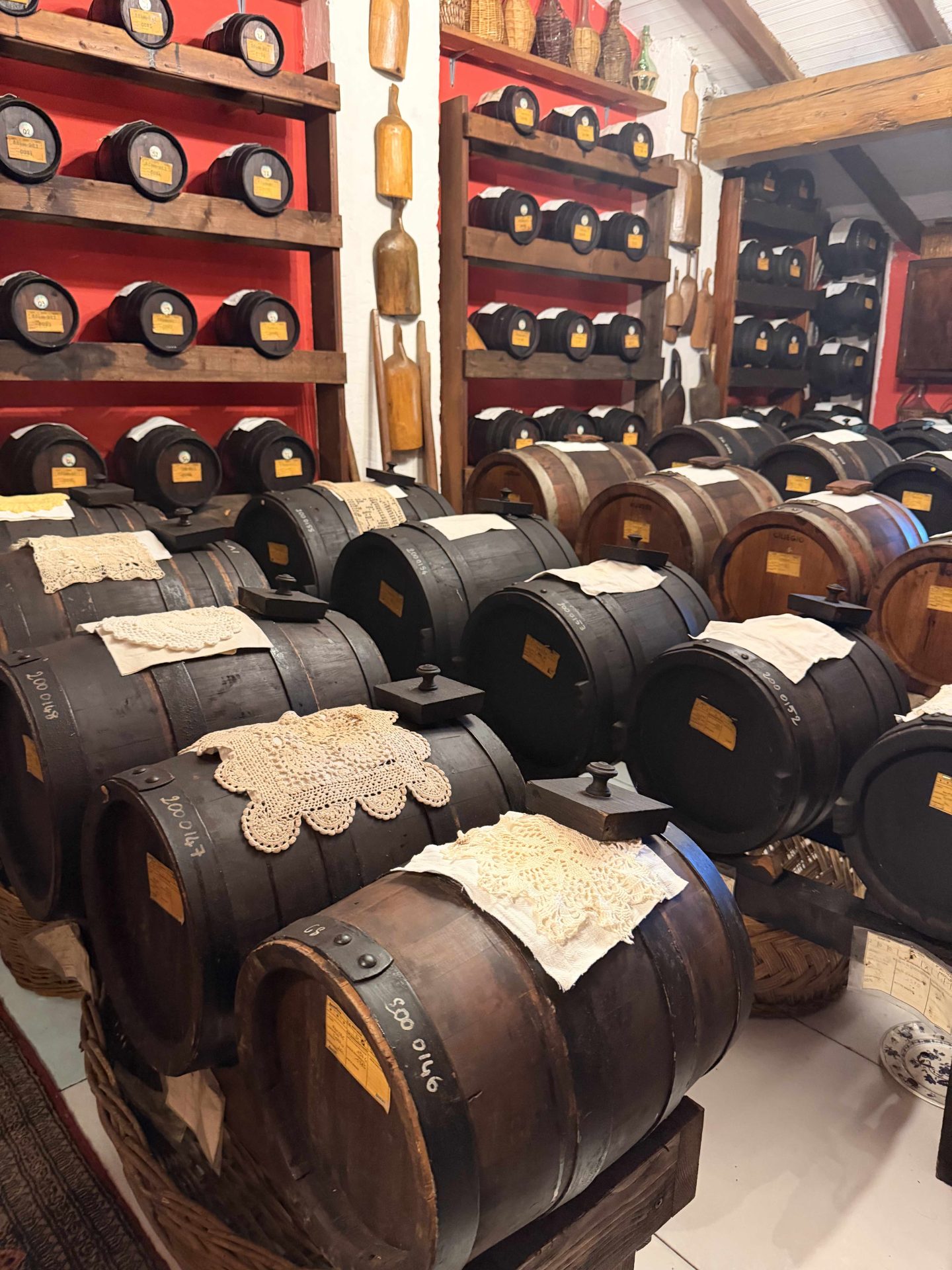
The farm we visited gave us a tasting of a 120-year-old balsamic. I mean, that’s extreme. But can you imagine starting something today, knowing that the finished product might only be ready in 2146? That is exactly what these families do. The entire process is passed down through generations, with each family member contributing to something that began long before them.
It made me think about how differently we approach things these days. We want instant results, overnight success, no blue ticks and everything delivered yesterday. Meanwhile, somewhere in Modena, an Italian family is patiently making vinegar that their children’s children might one day bottle and sell.
“A society grows great when old men plant trees whose shade they know they shall never sit in”
An Evening at Pavarotti’s House
Our journey also took us to Modena, the birthplace of another extraordinary Italian whose name is recognised around the world. Luciano Pavarotti.
I love music but I wouldn’t describe myself as an opera expert. I know (some of) the famous songs and I appreciate a beautiful voice. But visiting Pavarotti’s former home made me appreciate the man behind the music. And yes, there were tears.
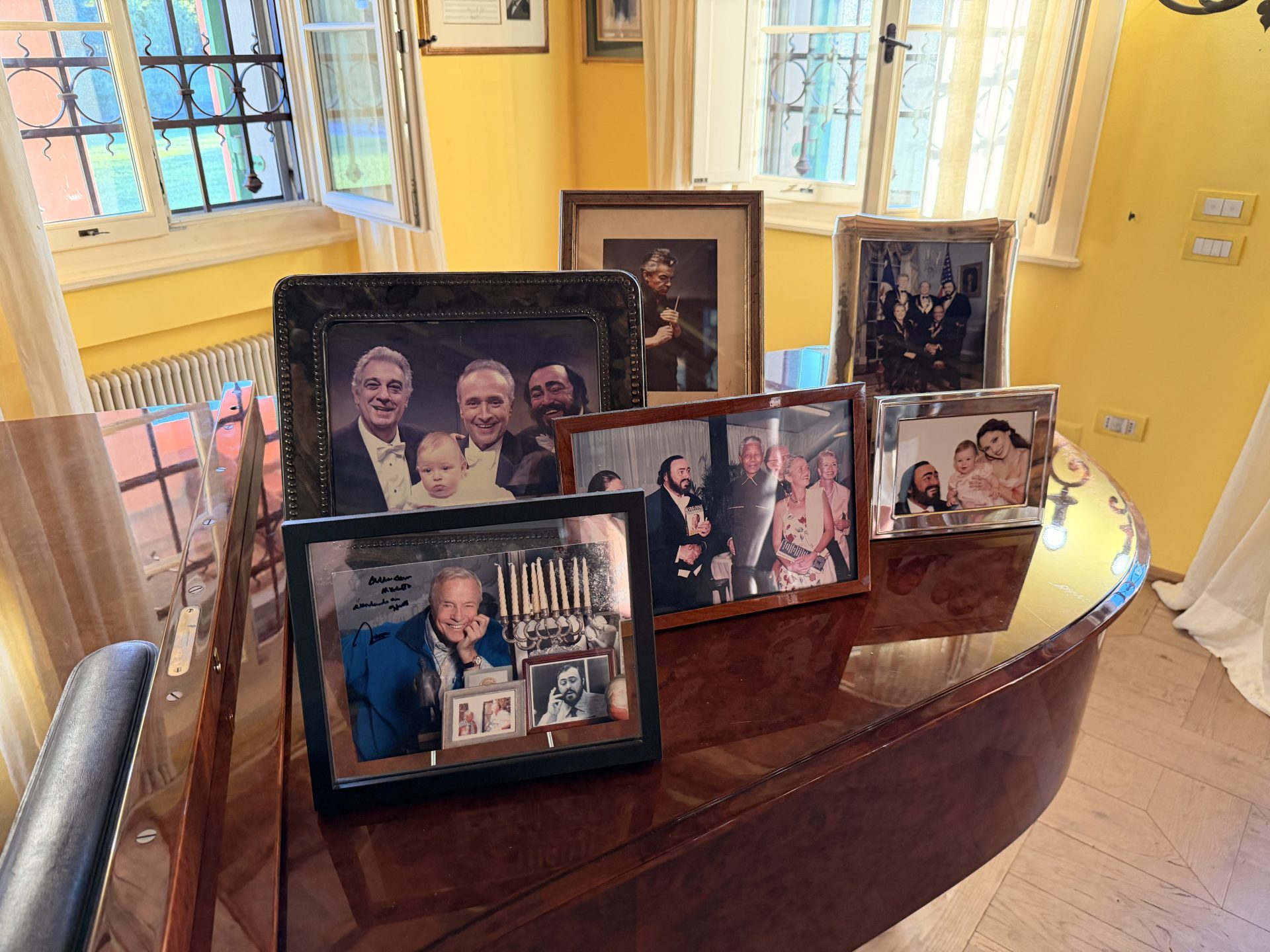
Pavarotti was born in Modena in 1935 and grew up surrounded by music. His father was an amateur tenor. Those early influences helped shape a career that eventually took him to the world’s most famous opera houses. He became internationally celebrated for his extraordinary voice, performing some of opera’s most demanding roles and introducing classical music to audiences who might never otherwise have experienced it. His performances with Plácido Domingo and José Carreras as The Three Tenors helped bring opera into mainstream popular culture, while collaborations with contemporary musicians introduced his work to entirely new audiences.
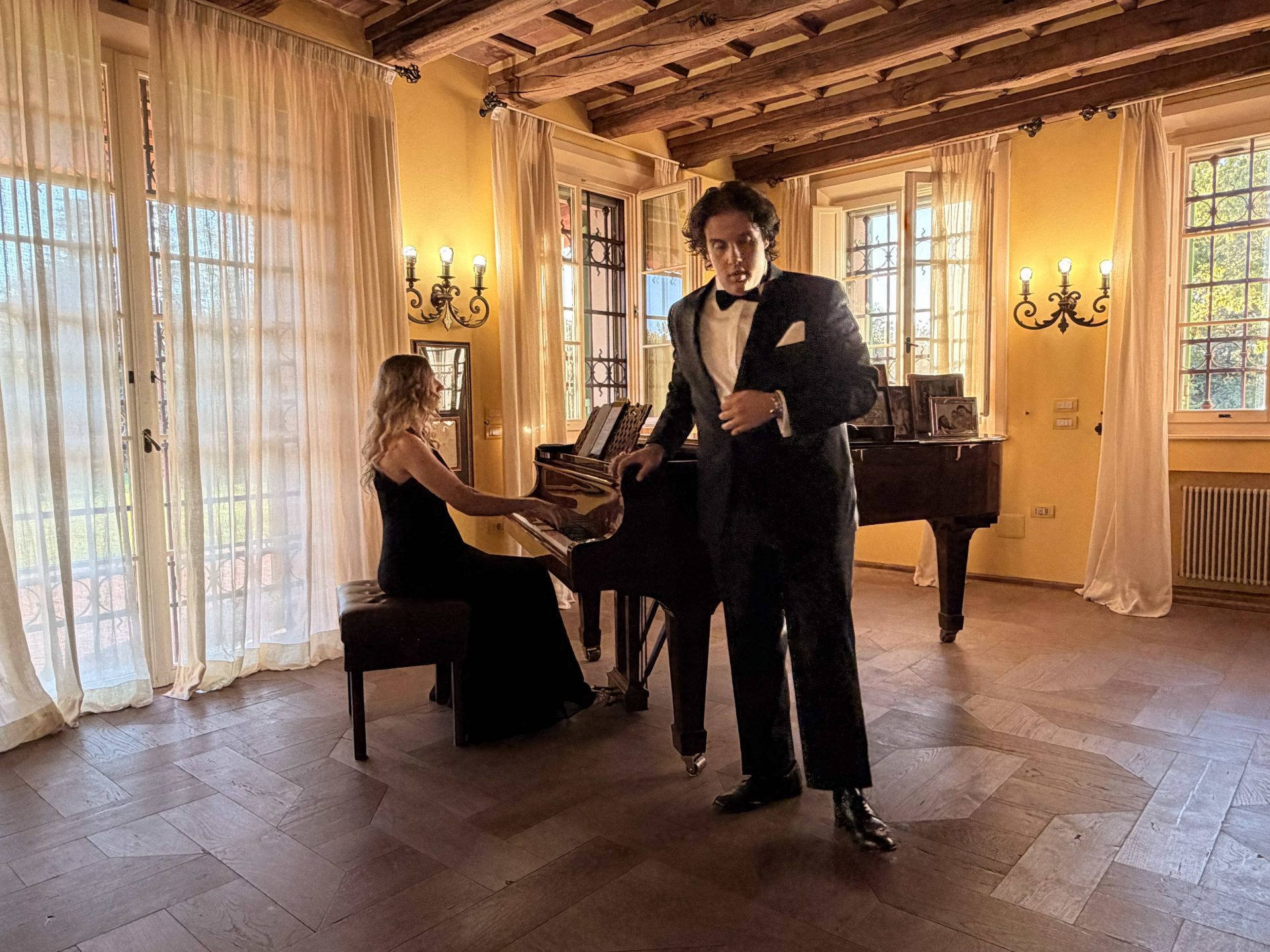
We were fortunate enough to visit his former home, now the Casa Museo Luciano Pavarotti, for an intimate tour, dinner and opera performance. Walking through the house, surrounded by photographs, personal belongings, costumes and awards, was incredible. Here was a man who had performed for royalty, presidents and millions of people, yet the home still offered a glimpse into the things that mattered to him.
Pavarotti died in 2007 but hearing that music in his home reminded me how extraordinary it is that a person’s talent can continue bringing people together long after they’re gone. His voice introduced millions to an art form they might otherwise never have discovered and his influence can still be heard in the singers who followed him.
Legacy.
The South African Connection
This brings me back to the reason I was in Italy in the first place. EasyEquities and Pablo Clark.
The two South African businesses have built a partnership around their shared passion for motorsport, creating opportunities for people to experience the history and culture surrounding Ferrari.
EasyEquities has become known for making investing more accessible to South Africans, encouraging people to start building their financial futures regardless of how much money they have available. Me, I have an EasyEquities account (which I check daily). Pablo Clark Racing, meanwhile, has built a name in South African motorsport through its involvement with Ferrari racing and automotive experiences. Together, they’ve developed a relationship that extends beyond sponsorships and race days. Through incredible journeys like this one, they’re giving others the opportunity to explore new places, discover the history of Ferrari and experience the thrill of driving these incredible cars. And while the vehicles are undoubtedly a massive attraction, there’s so much more to discover about the people, communities and traditions that have shaped this part of Italy.
It’s all about legacy!
EasyEquities encourages South Africans to think about their financial futures and the importance of building wealth over time, while Pablo Clark celebrates a motorsport history shaped by generations of passionate people. Both understand that the things we build today can have an impact long into the future. Planting seeds and all that.
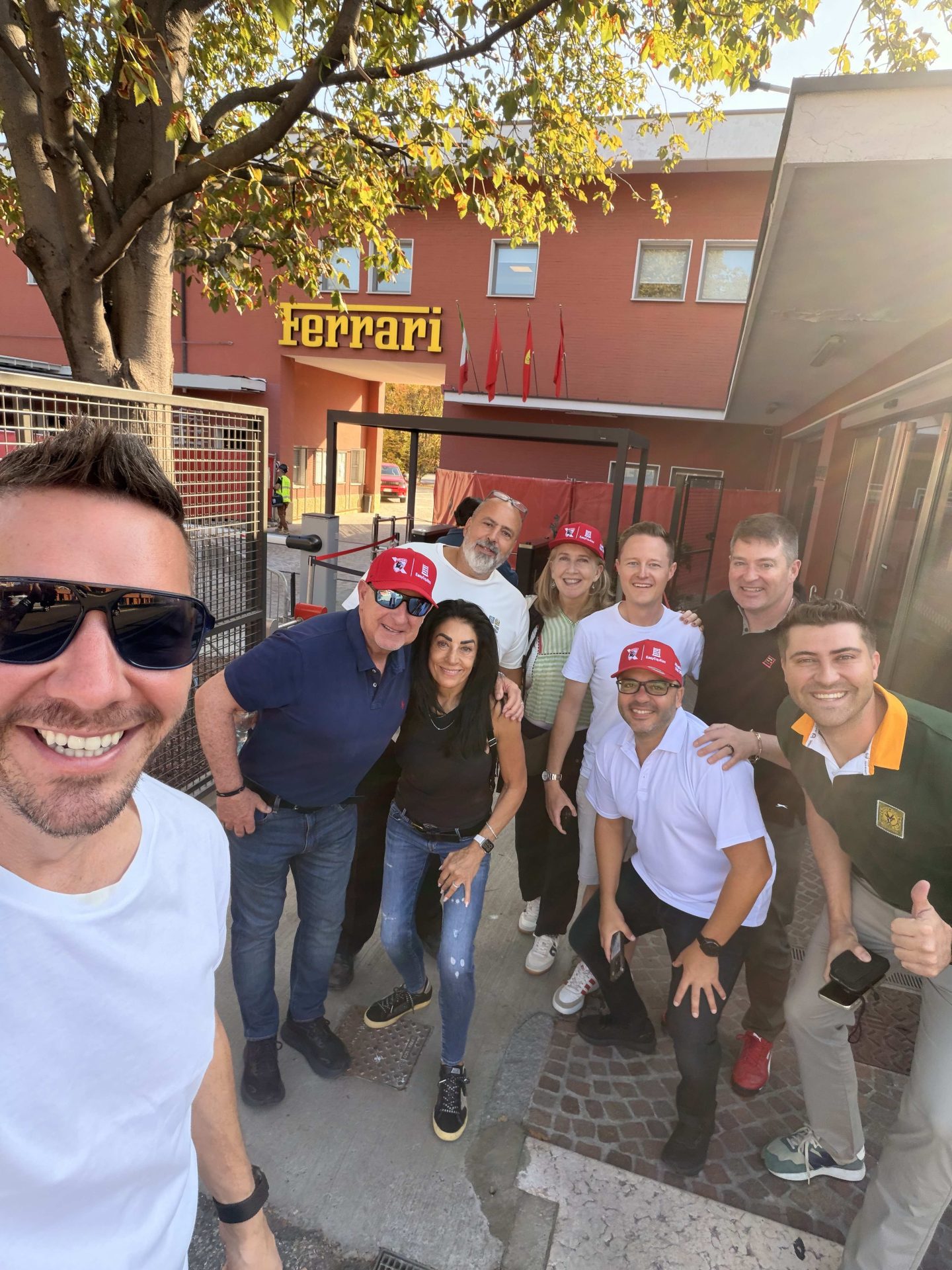
For me, one of the best parts was sharing these experiences with the group. The conversations around dinner tables, the excitement of visiting ALL the Ferrari places, the laughter during our driving experience, and the chance to learn from people with completely different backgrounds made the journey even more memorable.
So, What Will My Legacy Be?
I went to Italy expecting beautiful cars, incredible food, wonderful people and a few days exploring places I’d never visited before. I didn’t expect to visit Ferrari’s Formula 1 factory, drive one of the most famous cars on the planet or come home with a 2nd-place finish to brag about. But somewhere between the museums, the pasta, the opera and the beautiful Italian countryside, I found myself thinking about something much bigger.
Most of us aren’t going to build a Ferrari or become world-famous opera singers. But we don’t need to achieve international fame to make a lasting difference. I thought about the teachers who inspire children to believe in themselves, the parents who raise kind human beings, the entrepreneurs who create jobs and the ordinary South Africans who give their time to helping others. I also thought about the work we do at Good Things Guy. Maybe that’s part of my legacy. Encouraging people to look for the good, celebrating the helpers, healers and heroes… all while remembering that kindness is something we can all practise, regardless of who we are or what we have.
I don’t know exactly what my legacy will look like one day. I don’t think any of us really do. But I do know that what we choose to do today influences tomorrow, whether through the businesses we build, the knowledge we share, or how we treat the people around us.
This entire trip came down to one thing: “A society grows great when old men plant trees whose shade they know they shall never sit in”.
We need to “plant” more “trees” in the things we love to do.
Also, coming second in a Ferrari driving challenge is going straight onto my CV.
 by