History has been made in Pretoria! South Africa’s first foals born from in vitro-produced embryos are here. They may help pave the way to protecting the rhino!
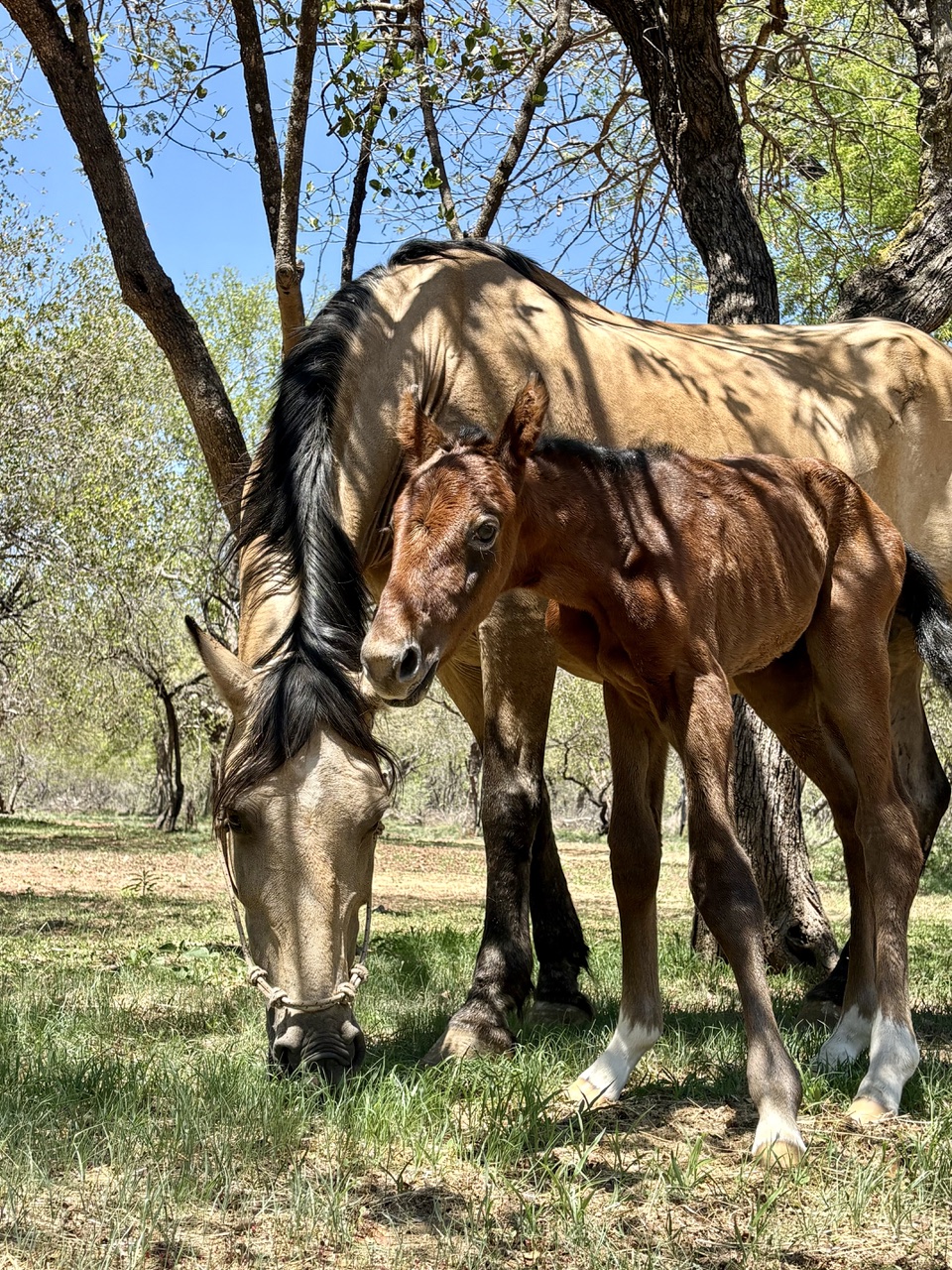
Pretoria, South Africa (27 October 2026) –Two healthy foals, a colt and a filly, have just made national history.
Born on 26 September and 16 October 2026, they are South Africa’s first foals from frozen-thawed embryos created using a technique called ‘intracytoplasmic sperm injection,’ or ICSI.
They were born through a collaboration between the University of Pretoria’s (UP) Faculty of Veterinary Science and Hemmersbach Rhino Force.
The embryos were created at the In Vitro Fertilisation Laboratory on UP’s Onderstepoort Campus.
Egg cells came from two mares. One was a live donor, the other a mare whose ovaries were retrieved after she died. The eggs were matured in the lab and fertilised with frozen-thawed sperm. The resulting embryos were frozen, then later transferred into surrogate mares, who carried the pregnancies to term.
ICSI is well established in horse breeding around the world. What makes this moment special is that, for the first time, the entire process has produced live foals here in South Africa.
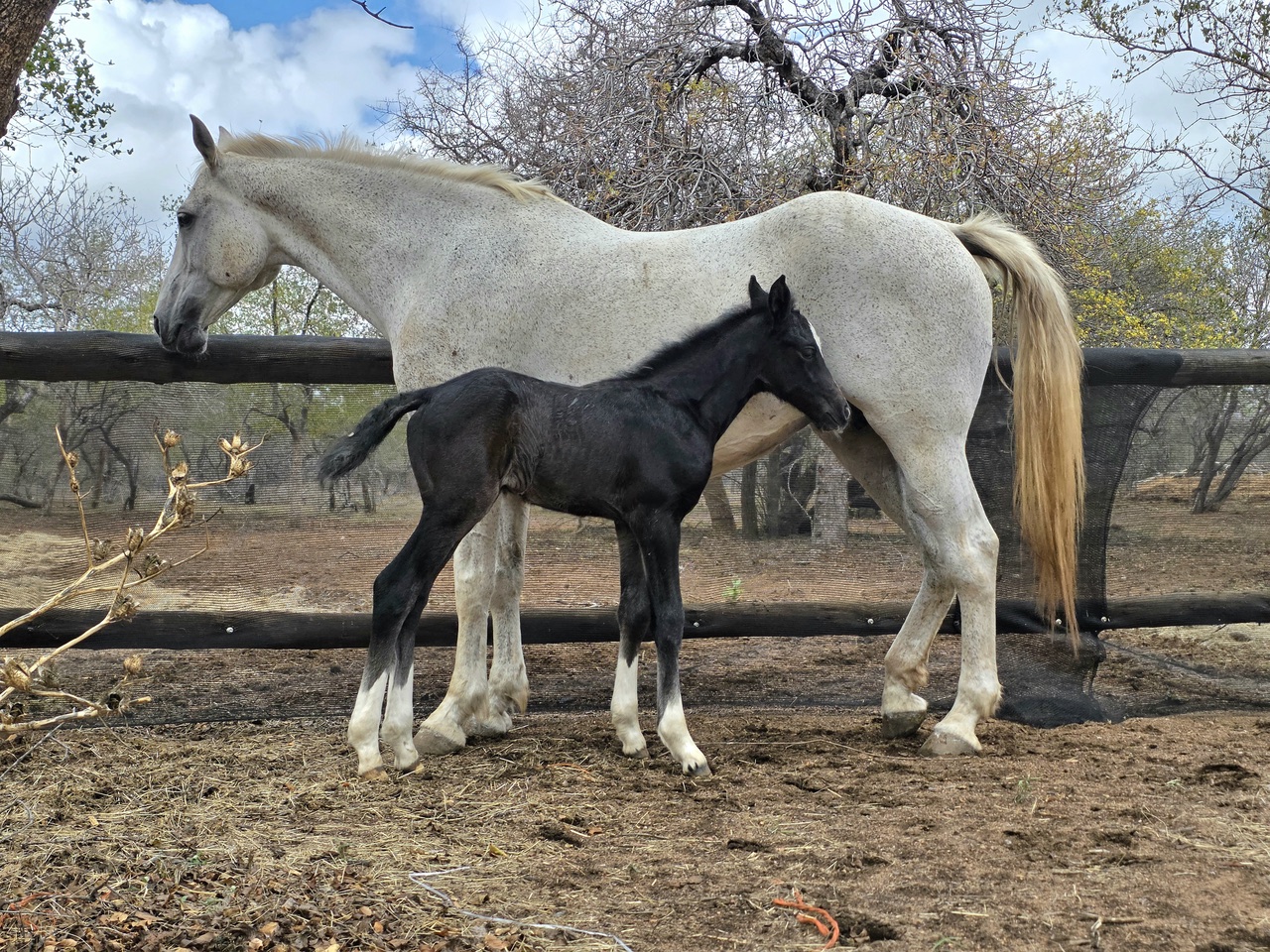
“This is a milestone for the South African horse breeding industry,” said Professor Martin Schulman, Head of the Section of Reproduction at UP’s Faculty of Veterinary Science.
The healthy foals confirm the whole journey, from egg collection to embryo transfer and pregnancy, can be done locally.
The horses are only part of the story. The project is part of a long-term partnership between UP and Hemmersbach Rhino Force to develop assisted reproductive technologies that could one day help protect threatened rhino populations.
Related Stories
 Kempton Park SPCA Rushes to Aid Families and Animals After Devastating Pomona Fire
 Fisantekraal's Wetland Volunteers Win National Award
Horses and rhinos are close relatives, which makes the horse an ideal practice model.
“Completing the process in horses is an important step to develop and apply these techniques in the rhinoceros,” said Dr Janine Barkas, a veterinarian at Hemmersbach Rhino Force.
The research was funded by Hemmersbach Rhino Force and UP’s Faculty of Veterinary Science. The project team included veterinarians Prof Martin Schulman, Dr Su-Mari Hoogenboezem, Dr Janine Barkas and Dr Maria Melchert, along with embryologists Jana van Selms and Mario Smuts.
There’s still a long road ahead before any of this reaches the rhino, but this is a positive step forward!
 by