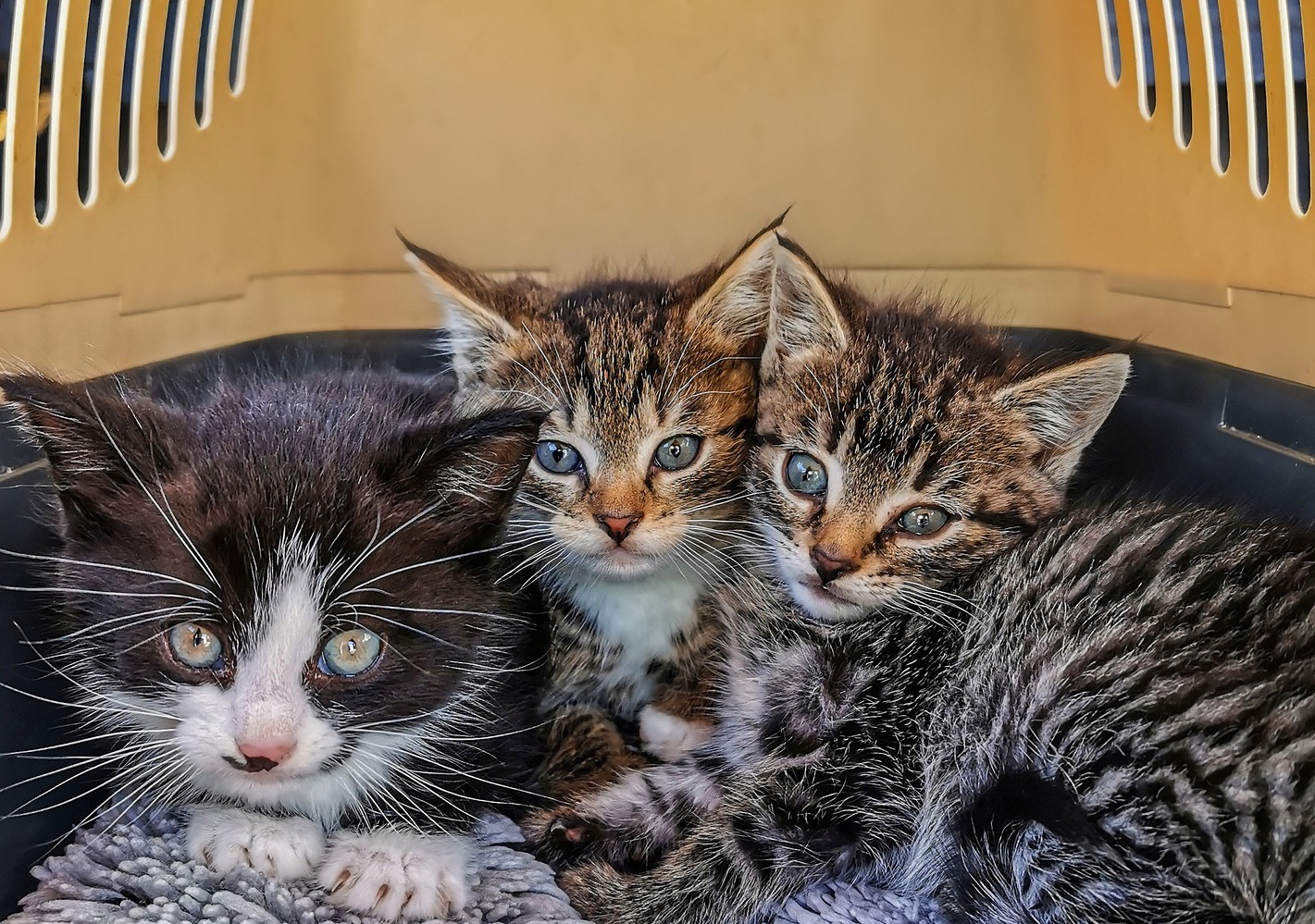
The Mdzananda Animal Clinic needs a helping hand to keep cats safe in the Khayelitsha Township; they are asking for donations of secondhand cat carriers.
Khayelitsha, South Africa (16 February 2022) – The Mdzananda Animal Clinic is a permanent NPO, and veterinary council registered animal clinic in the Khayelitsha township of Cape Town. The clinic helps serve a community of over 300,000 animals, ensuring they are well cared for, vaccinated and sterilised.
The clinic was founded in 1996 by Mr Joe and sees around 700 animals a month. They also work to re-home strays and educate the community members on the importance of caring for the animals in the community.
The organisation is looking for some help collecting secondhand cat carriers.
In the past, the organisation has shared that cats face incredible cruelty in townships due to superstition. They have worked tirelessly to change the perception of cats within the community and have had some success.
They still need support protecting cats. Cat carriers are a useful tool for the team when called out to rescue a cat in need, and they help cat owners who need to get medical help for their cats.
“Most people who bring their cats from the community for treatment don’t have carriers. They come in bags, wrapped in a towel, just in arms or in boxes. It’s quite dangerous as they can jump out and run away or into the street. There are also many dogs at our clinic and in the community who may bite them if they jump out. As soon as they get to our door or if we collect the cat from their home, we put them in a carrier so that they are safe.
We also often transport cats that are up for adoption and we need carriers to be able to do that.
All our carriers are broken – we don’t have one functional one at the moment.”
The team has provided a list of places and people throughout the Western Cape that are collecting the cat carriers. You can find the person in your area via their Facebook post here.
 SPAR Women’s Challenge Amplifies Year-Round Fight Against GBV and Period Poverty
 How Close-to-Home Care Healed Little Layla and Eased a Family’s Burden
 by
by