A newly described iris, fish and stag beetle are among the species highlighted in the report. Twenty-five new nature reserves were declared. The riverine rabbit’s conservation status has been downlisted. These are just some of the wins from this report!
Western Cape, South Africa (01 October 2026) – CapeNature has released its 2026 State of Conservation Report, and we can’t help but focus on all the incredible positives!
Not every finding in the report is a cheerful one. Fires burned far more land than in previous years, more ecosystems are now listed as threatened, and waterbirds are slipping into worse categories. But the report itself is a positive, because it shows us exactly where our attention needs to go next. Knowing where the pressure is building is the first step to doing something about it.
Today, we’re taking a moment to celebrate all the wins!
More Wild Places Are Under Protection
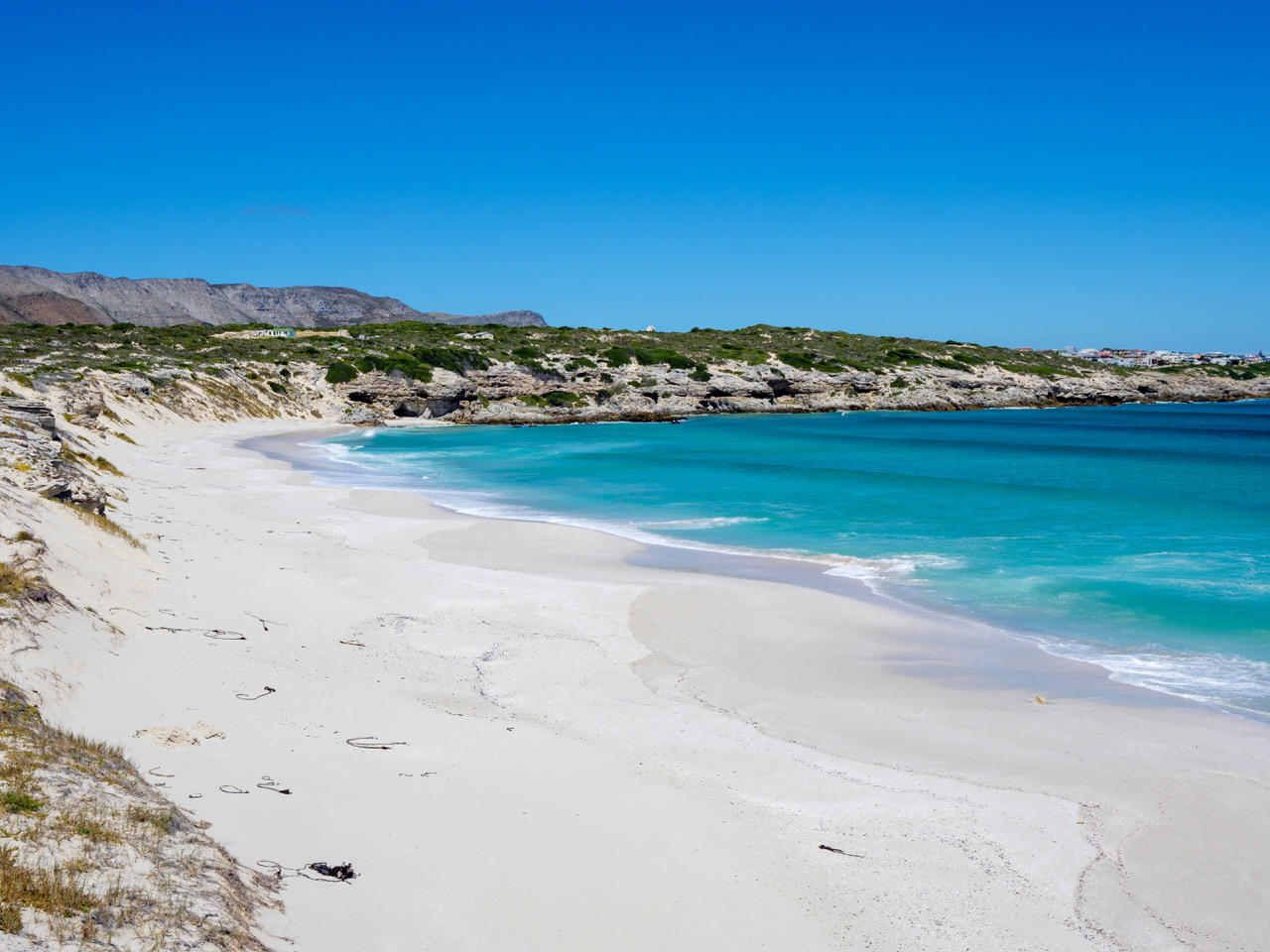
As per the report, twenty-five new nature reserves were declared in 2025/26, and seven more sites are in progress and will add to the tally once they’re declared.
The province now has 2 392 363 ha in its Protected Area Estate. Another 892 289 ha falls within Conservation Areas outside the formally declared protected-area network, ranging from voluntary conservation initiatives to land secured through agreements or servitudes. That includes the new Karoo Gateway Conservancy, which safeguards nearly 40 000 ha of biodiversity-rich land in the Klaarstroom district.
Haarwegskloof Nature Reserve is a good example of how this work comes together. The Overberg Renosterveld Trust spent more than a decade working to secure critically endangered renosterveld, and in May 2025, CapeNature declared Haarwegskloof a nature reserve in partnership with the Trust and WWF-SA. Three more properties are now being added to the reserve.
Guiding this work is the Western Cape Protected Areas Expansion Strategy, gazetted in 2025, which identifies priority areas for future protection.
New Species and a Hopeful Update for the Riverine Rabbit
The report highlights new additions to what we know about the Western Cape’s biodiversity, including newly described species and species that have been re-found. The province’s list of recorded plants now stands at 10 744 taxa.
The Outeniqua redfin is a small fish found only in the Western Cape’s coastal rivers, identified after a field trip by CapeNature and the South African Institute for Aquatic Biodiversity. Colophon scholtzi is a new stag beetle from the Riviersonderend Mountains. And a newly described iris, Moraea anastasia, was discovered on Botmaskop near Stellenbosch after a pine plantation was felled, showing that invasive trees can hide plants we haven’t yet described!
Related Stories
 An Animal Rescue Parade is Happening in Cape Town This Sunday!
 From R500 to Fully Funded! Heartland KZN Rallies a Community for Coastal Horse Care Unit
Thanks to new distribution and genetic data, and years of work by CapeNature and the Endangered Wildlife Trust, the riverine rabbit has moved from Critically Endangered to Endangered. It lives in more places than anyone realised, and several private nature reserves now protect its habitat.
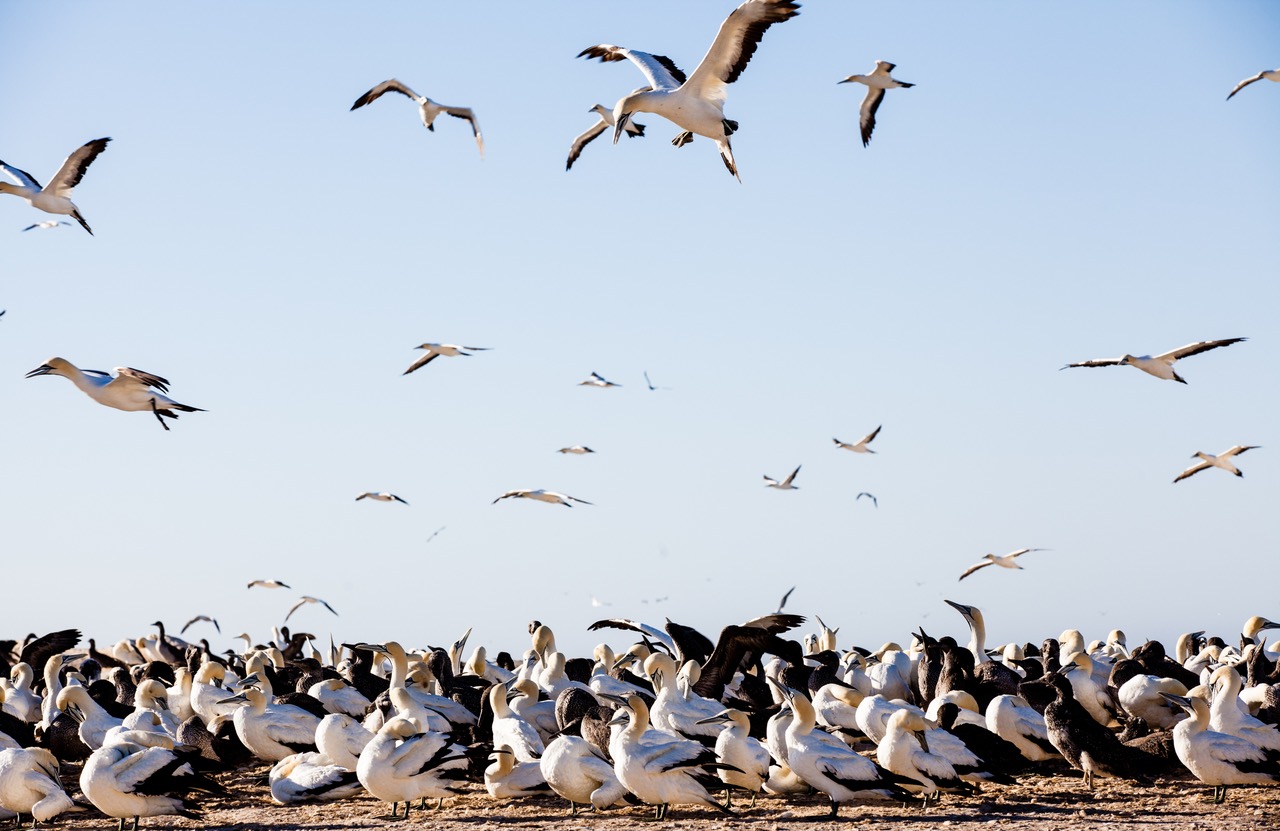
Eleven bird species also improved their threat status, and the Cape Gannet colony at Bird Island in Lambert’s Bay is holding steady, with 11 663 fledglings leaving the island in 2025.

Alien Plants Are Losing Ground
Alien trees and shrubs use up a lot of water, so CapeNature’s clearing efforts focus strongly on the mountain catchments that feed our rivers and dams. In the Berg River catchment, 6 959 ha were cleared in 2025/26, bringing the total cleared there to 32 159 ha since the initiative began.
The standout is the Upper Berg River, which helps supply Cape Town. Working with the Greater Cape Town Water Fund, the team brought the average density of invasive plants down from about 27% in 2018 to about 5% in 2025.
Rivers, Estuaries and Sea Life Show Good Signs
In the Gouritz River system, half of the sites in the Gamkaberg fish survey rated ‘Good’ or ‘Very good’, and the headwater streams remain mostly free of invasive fish. At the Oliphants estuary, the water shifts from salty to fresh as it should, with no sign of oxygen stress.
A report drawing on baited underwater camera surveys at Goukamma Marine Protected Area recorded 91 fish species, 27 of them threatened, including the Vulnerable white shark. These findings support the value of the protected area.
Action Against Wildlife Crime
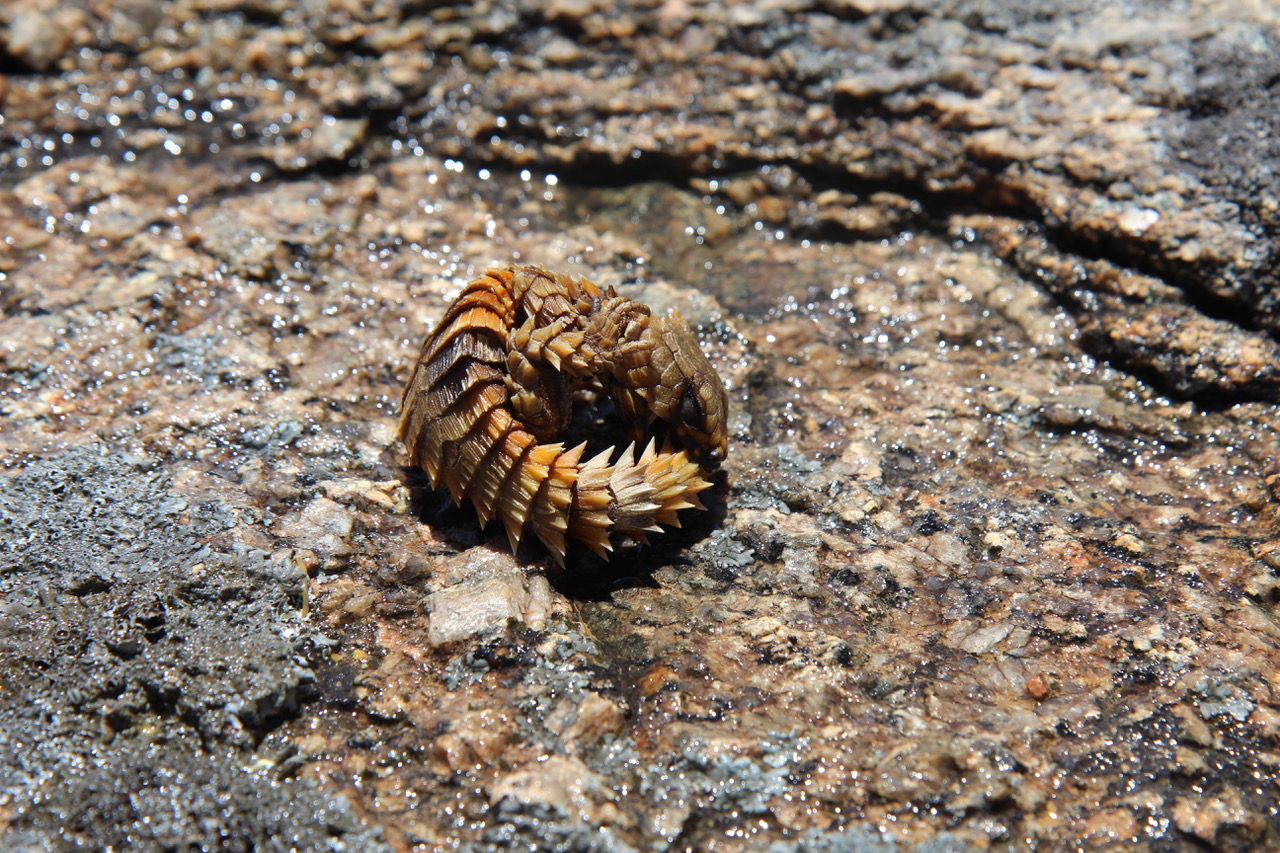
CapeNature opened 42 criminal dockets this year. Three have ended in convictions, and 12 are still in trial. One man was sentenced to two years in prison and fined R500 000 for possessing 22 armadillo girdled lizards and a speckled padloper tortoise. Another arrest, in October 2025, involved 167 armadillo girdled lizards, the biggest lizard shipment intercepted since 2000.
Hands Joined in Conservation
CapeNature now has 77 formal conservation partnerships. About R92 million in partner funding went into fire management, with support from groups like Working on Fire and Volunteer Wildfire Services. The Table Mountain Fund has backed stewardship since 2009, and WWF-SA has invested nearly R18 million in protected area expansion and stewardship.
The Tougher News, and Why It’s Still Useful
Not everything in the report is positive, and it says so plainly. The fire season was severe. A total of 107 fires burned 215 936 ha, almost three times the 75 174 ha burned by 97 fires the year before. Of the province’s 346 assessed ecosystem types, 212 are classed as threatened.
CapeNature does note that changes in these ecosystem classifications reflect technical corrections following updated data and assessment methods in the 2025 National Biodiversity Assessment, as opposed to changes in the ecosystems themselves.
Freshwater ecosystems are under severe strain, with 79 of 96 types threatened. Of the province’s 54 estuaries, 45 are threatened, while 2 006 plant taxa are currently listed as threatened.
Waterbirds are a particular concern, with 23 species moving into worse threat categories, reflecting increasing pressure on wetlands and other surface-water habitats.
These stats from the report are positive in a sense that they show where the region’s ecology is shifting, and where our attention is needed next.
“The report gives us a clear picture of both what we are achieving and what remains at risk.” says CapeNature Executive Director: Biodiversity Capabilities Ms Coral Birss. Expanding the conservation estate is important, but protecting biodiversity also depends on how effectively we manage fire, invasive species, freshwater ecosystems and other pressures across the Province. The evidence in this report helps guide and prioritise where our efforts need to be focused.”
You can read the full Western Cape State of Conservation Report 2026 here.
 by
by