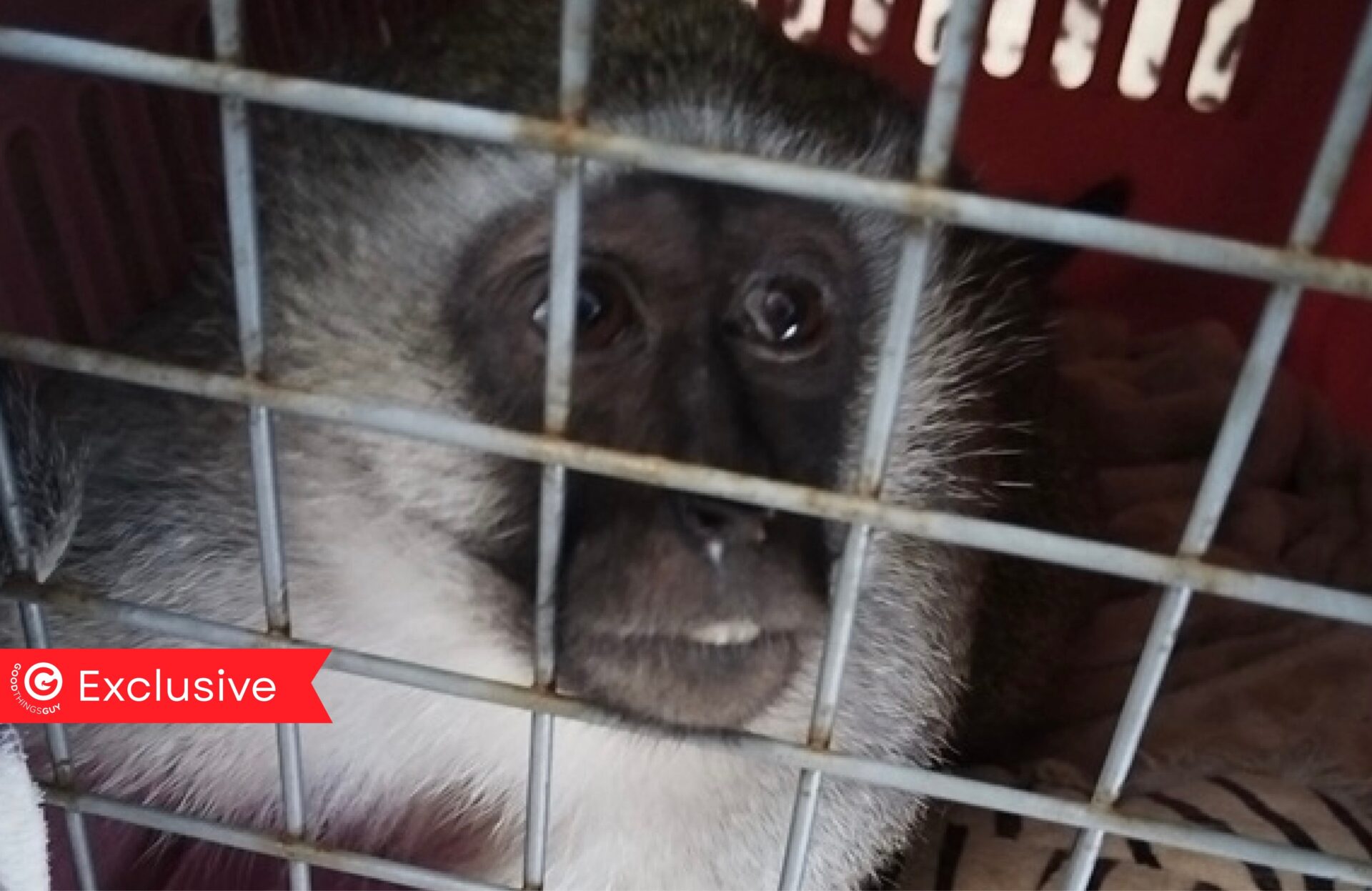
A few kind strangers made Delilah’s trip to the vet possible. Her story has raised a broader question about support, and how much it means to ALL forms of life – rhinos, lions, monkeys and snakes all the same.
Garden Route, South Africa (14 April 2026) – Delilah is a small vervet monkey under care at the Wild Rescue sanctuary in the Gouritz cluster biosphere near Riversdale. After the life she’s had, rescued from a petting zoo in Nelspruit where she was regularly taunted, people aren’t her favourite thing, especially groups of them.
A visit to the vet, for example, would easily spike her nerves. But there was a lump. A soft mass on her belly that her caretakers had been keeping a close eye on. It looked like a hernia, possibly a big one, and it wasn’t something they could ignore.
They took her to the Still Bay Animal Clinic. Dr. D. Taylor examined her under anaesthesia and came back with good news. A biopsy confirmed it wasn’t a hernia at all but a harmless lipoma. Thankfully, there was no invasive surgery or long recovery period ahead for her. Dr. Taylor left the lump as it was because removing it would have put her through unnecessary trauma for no real benefit. As a bonus, she got a full dental clean too.
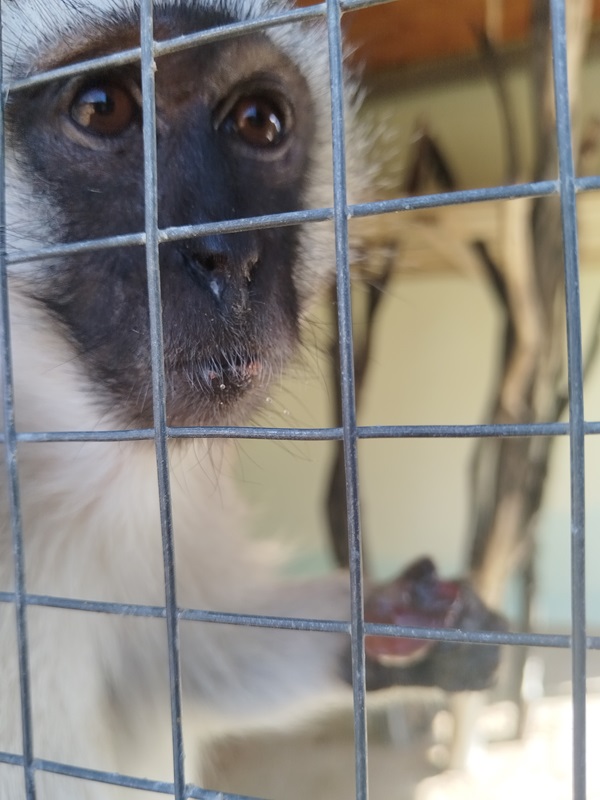
Delilah is back at Wild Rescue recovering under the watch of the volunteers who have spent months earning just a little of her trust. She’s going to be fine, but her story shines the light on something important that we don’t often talk about.
Delilah’s veterinary visit wasn’t outrageously expensive, it was R7,000. But for a small NPO caring for rescued animals, those funds weren’t laying around, nor was there a big institutional donor, a matching grant, or viral campaign to help raise the amount. It was a few private supporters of the organisation that heard about Delilah and chose to help. That’s what got her through the door of that clinic.
And this is normal, by the way. This is what it looks like for organisations that care for animals that aren’t on anyone’s poster.
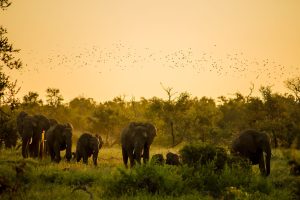
Rhinos, lions, elephants all attract millions, sometimes hundreds of millions, in global donations every year. Which they need, and deserve. But fundraising, as Wild Rescue says, appears to come by the kilogram. Smaller species don’t tend to trend on social media, and they don’t often appear in documentary series narrated by famous people. Much of the time, they fall through the gaps. There’s a scarcity of grant money aimed at smaller mammals and what researchers call mini-fauna.
Yet, these animals hold ecosystems together in ways we’re only beginning to understand. CapeNature has already warned that even small to medium antelope are under growing pressure in the Western Cape. An essay published earlier this year made the case that conservation has historically ignored smaller life forms right down to the microbes that everything else depends on.
In a sense, it is human nature. We respond to what moves us. The reality is that a vervet monkey, however clever and complex, might not move the needle the way a white rhino does.
Related Stories
 Courageous Young Sango the Pango on His Way to Freedom!
 This Grade 2 Teacher Is Running Her Socks Off for Vrygrond's Pets!
“Good conservation begins to take action long before a species is highly at risk. All animals, regardless of their size, have a role to play in nature. Ecology is highly complicated and it’s a mistake to bring our own personal biases into conservation. With the global loss of biodiversity accelerating, we need to act preventatively before having to add another name to the endangered list, even if we may not immediately have a sense of its true importance.” says Gill Simpson, the Executive Director of Wild Rescue.
That is the very reason we’re sharing this story. For animals like Delilah often overlooked. Spreading information and awareness around lesser-regarded species can spark a change.
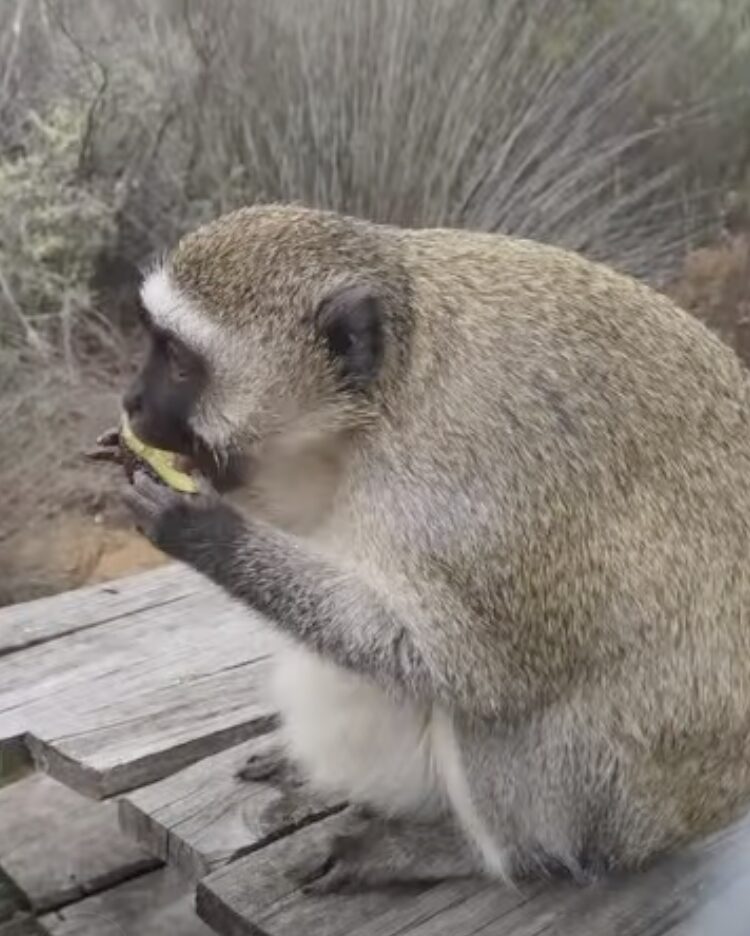
Vervet monkeys are actually endlessly fascinating creatures. They’re deeply social and live in tight-knit groups where bonds are formed and the young are raised together. They’re super sharp, alert, and communicate in surprisingly specific ways with different alarm calls depending on the predator they’ve spotted. They’ve shared space with humans for centuries, but that closeness hasn’t always worked in their favour. In South Africa, they’re protected, but often misunderstood. As their natural habitat shrinks, they move closer to farms and homes, which is why they’re so often labelled as pests and harmed because of it.
Delilah ended up in a petting zoo in Nelspruit, where people could crowd around and taunt her. It left its ugly mark. Her caretakers say that she is still so wary and anxious. Gently undoing the trauma that humans have inflicted upon her will take time.
The good news is that she’s okay, but her story is also a nudge. How we allocate care (whether in conservation funding or in the daily decisions of who and what we pay attention to) really matters. Animals that need our help most urgently aren’t always the ones we find most interesting. The ecosystems we must protect at all costs are built from everything and every creature.
That’s the thought we’ll leave you with today.
To support Wild Rescue and the animals in their care, find them here.
 by
by