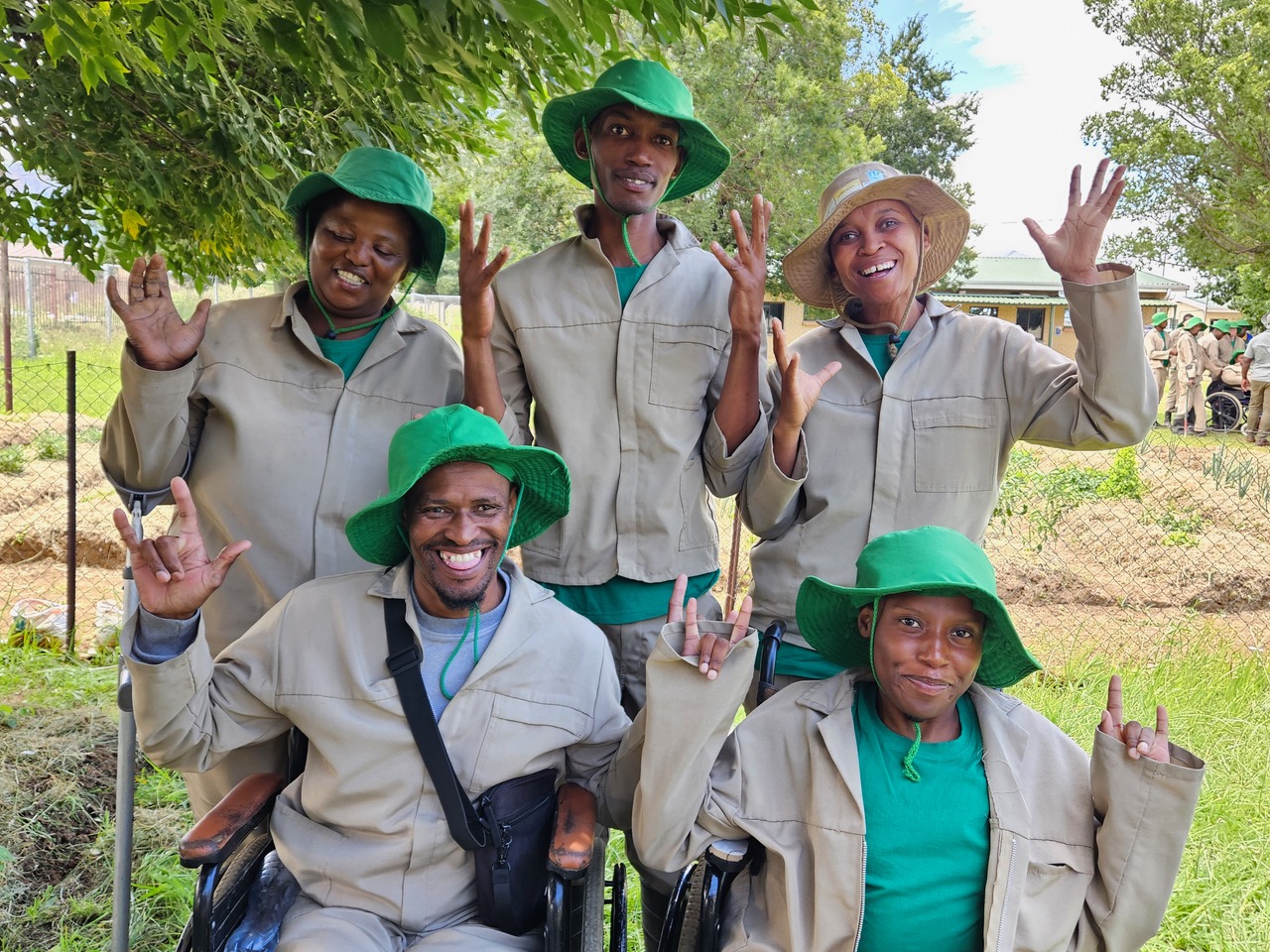
A garden project in the Free State is making community farming more accessible for dozens of differently abled people.
Phuthaditjhaba, South Africa (07 July 2026) – A Qwa-Qwa-based group for differently abled community members has a new set of garden beds, built with their specific needs.
The African Conservation Trust (ACT) put up the raised beds for Nurturing Seeds for Differently Abled Community Development, whose members live with a range of physical disabilities. Wheelchair users and crutch users were the whole reason for the design.
“The intention was to achieve a better working environment for Nurturing Seeds’ members, especially those using wheelchairs and crutches,” says Carl Grossmann, Chairman of ACT.
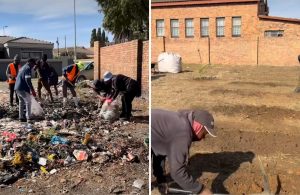
The beds are built from recycled pallets bought from a local Qwa-Qwa business, lined with shade netting and packed with soil and compost. What sets them apart is the spacing and height, with wide gaps between beds so wheelchairs can pass through, and a taller build so crutch users aren’t stuck bending over to work the soil.
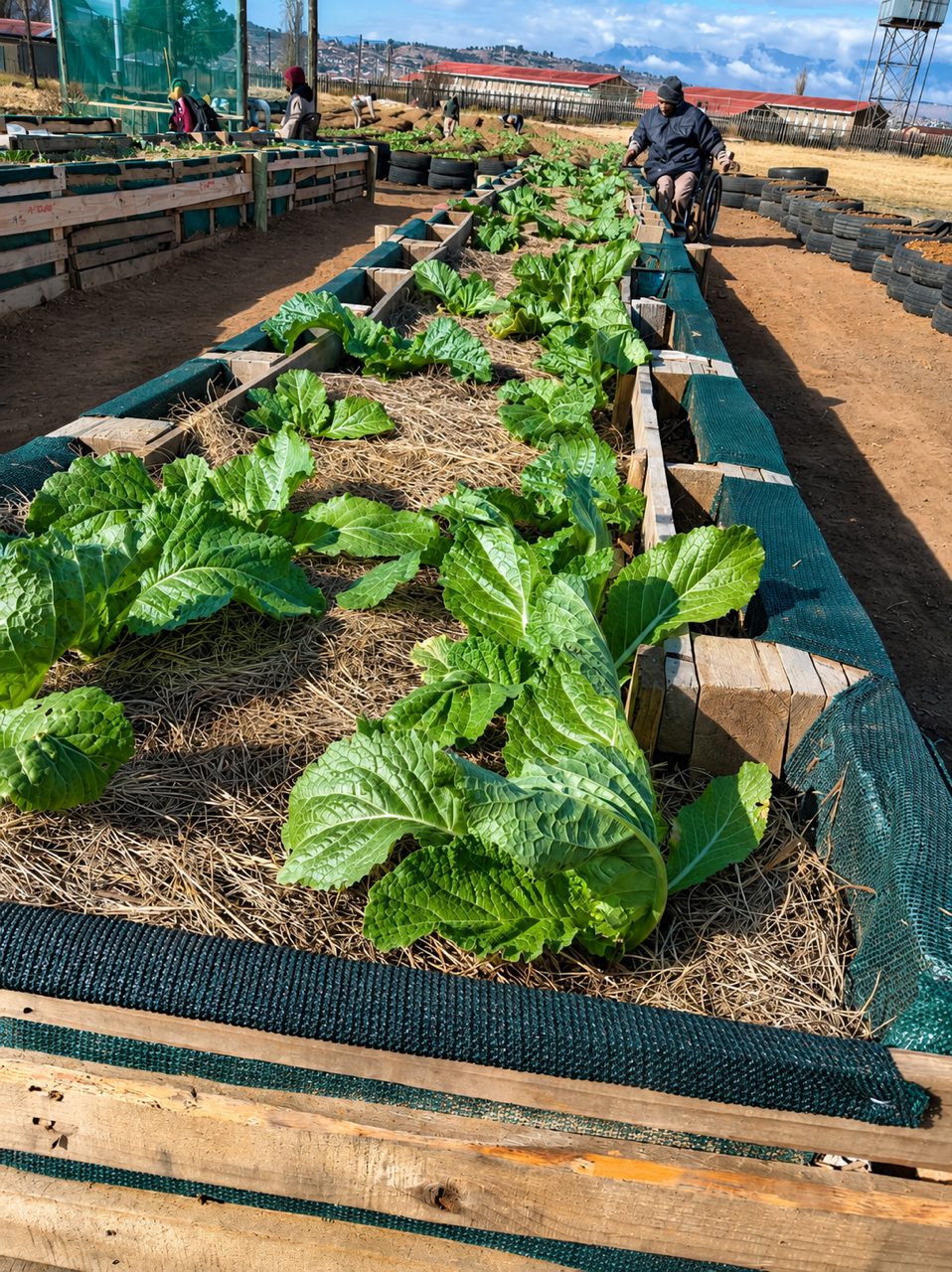
Kgolathuto Secondary School hosted the main project, but ACT also prepared for the rest of the Nurturing Seeds members, and a small seedling nursery went up for Amanda Mlangeni, who has cerebral palsy and grows her vegetables without using her hands.
There are 38 differently abled members involved altogether, working in three teams to grow mustard spinach, carrots, beetroot, potatoes and onion. Outside of the garden, the same group also makes crochet items and homemade food products, and plays wheelchair tennis.
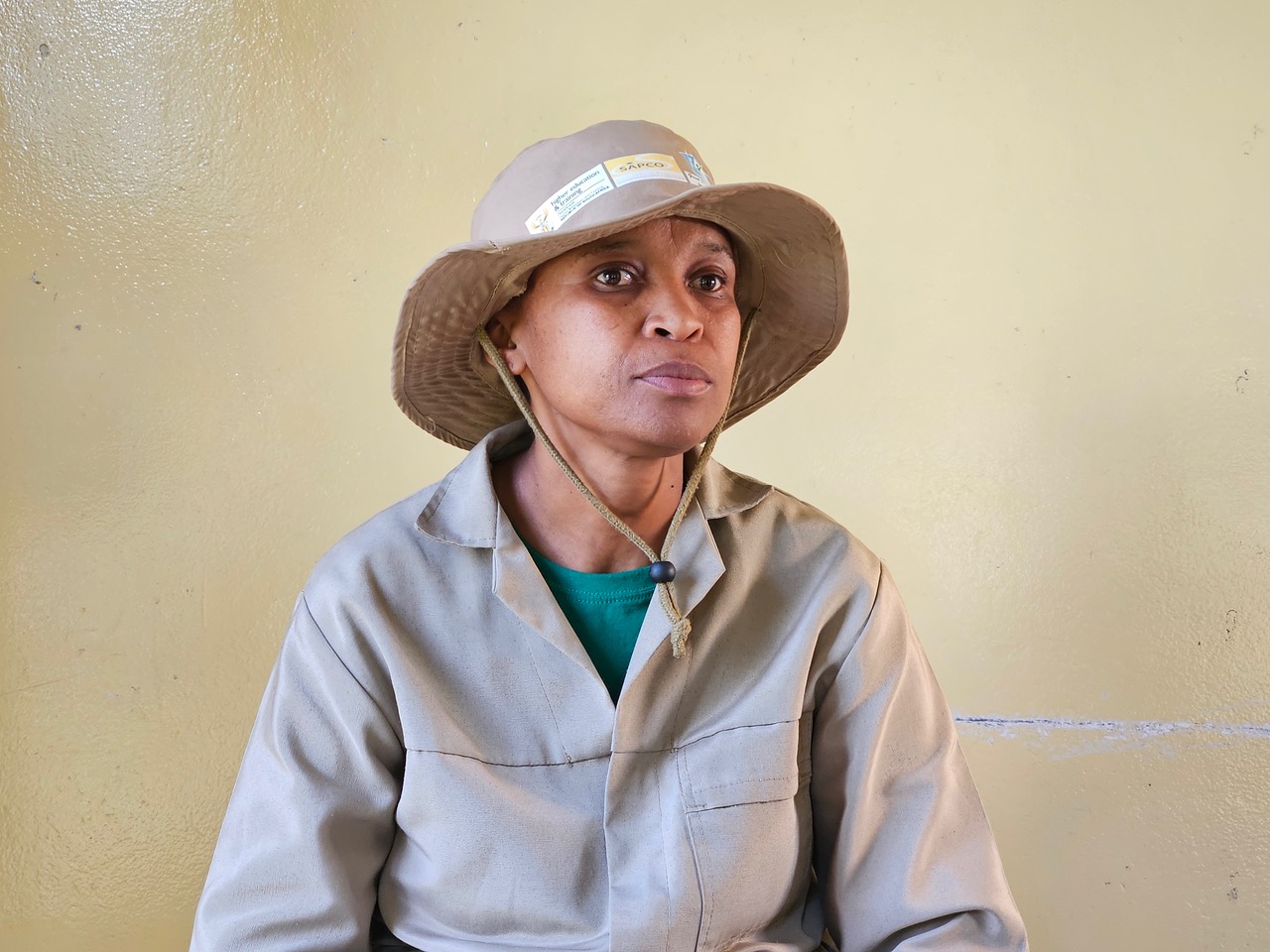
Dineo Matee is the founder of Nurturing Seeds. Matee has lived through a difficult path. An accident left her with a splenectomy and a fractured femur, and she had to switch to a vegetarian diet while working through physical therapy, a wheelchair, and crutches to get her mobility back. She says being told she might not walk again was hard, but the discrimination she saw toward differently abled people in her community was harder to sit with. That’s the reason Nurturing Seeds exists, to plant seeds of inclusion in the ground and in how people treat each other.
“What hurt the most was when I moved here and I saw a lot of discrimination in the villages, more than in the big city, and I grew love for people that are differently abled,” she says.
ACT is a KZN-based NGO working in heritage and environmental conservation with a food security focus, and this project came through its involvement with the Social Employment Fund (SEF). SEF pays people to work on projects that benefit their communities, and its 37 Strategic Implementing Partners are required to team up with smaller non-profits to stretch that impact further.
Through this, ACT supports around 2500 SEF participants across KZN, Free State, Limpopo, Mpumalanga, and the Western Cape, supplying PPE, agroecological training, mentorship, tools and consumables to small-scale farmers. Participants earn a stipend and keep their harvest to eat, donate to vulnerable residents, or sell for income.
Related Stories
 Soweto Residents Turn Neglected Spaces Into Beautiful Gardens
 Charity Golf Day Raises R600,000 for Table Mountain's Volunteer Heroes!
ACT also runs programmes in hemp production, alien bush clearing, donga rehabilitation, rock art community custodianship, and 3D scanning of heritage sites.
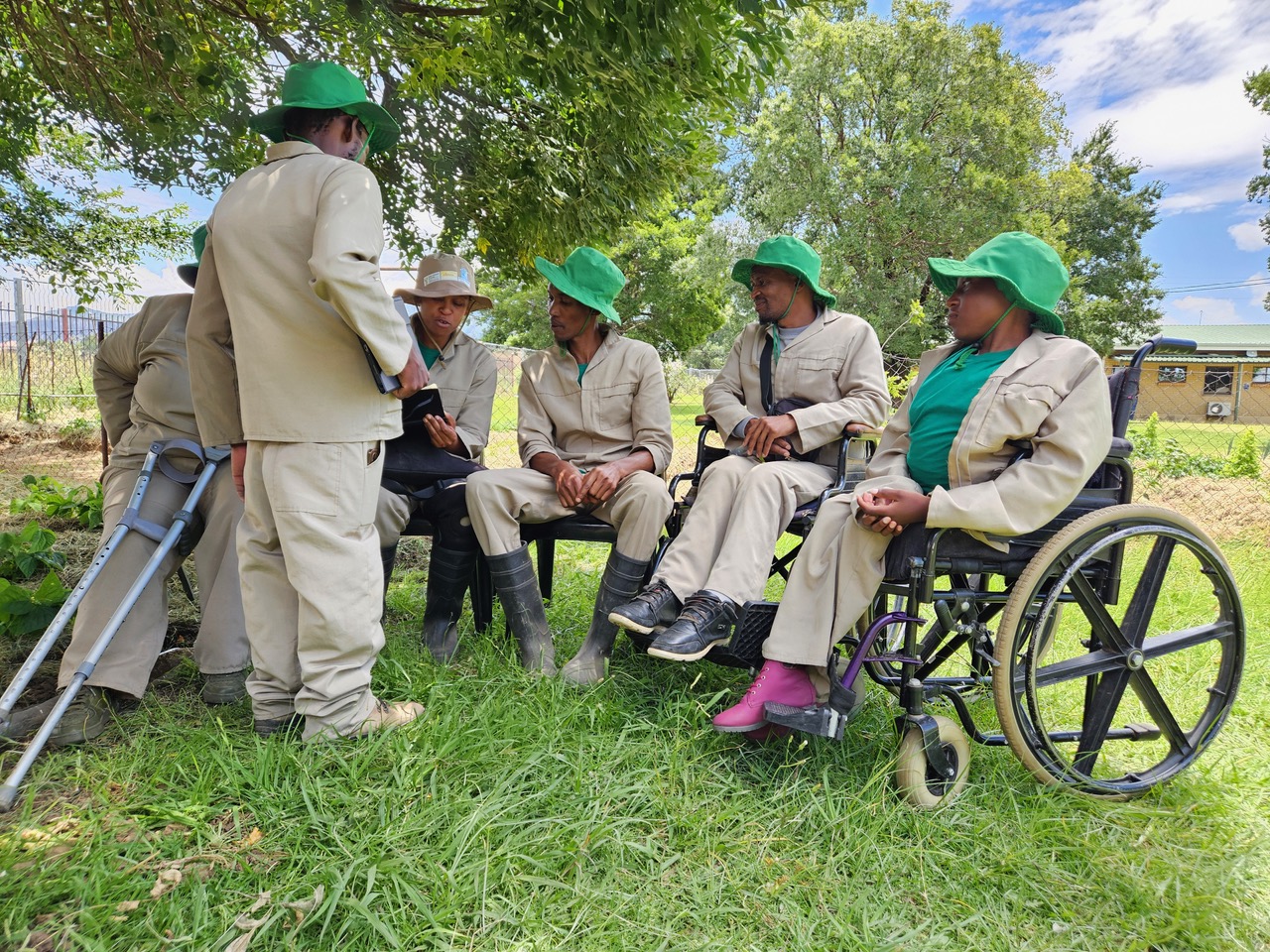
Matee says her members value ACT’s agroecological training and its chemical-free, organic approach to growing food. Next on the list for Nurturing Seeds is a vegetable oil soap range, with rabbit and chicken farming planned further down the line.
“We say at Nurturing Seeds that our greatest wealth is our health.” says Matee.
 by