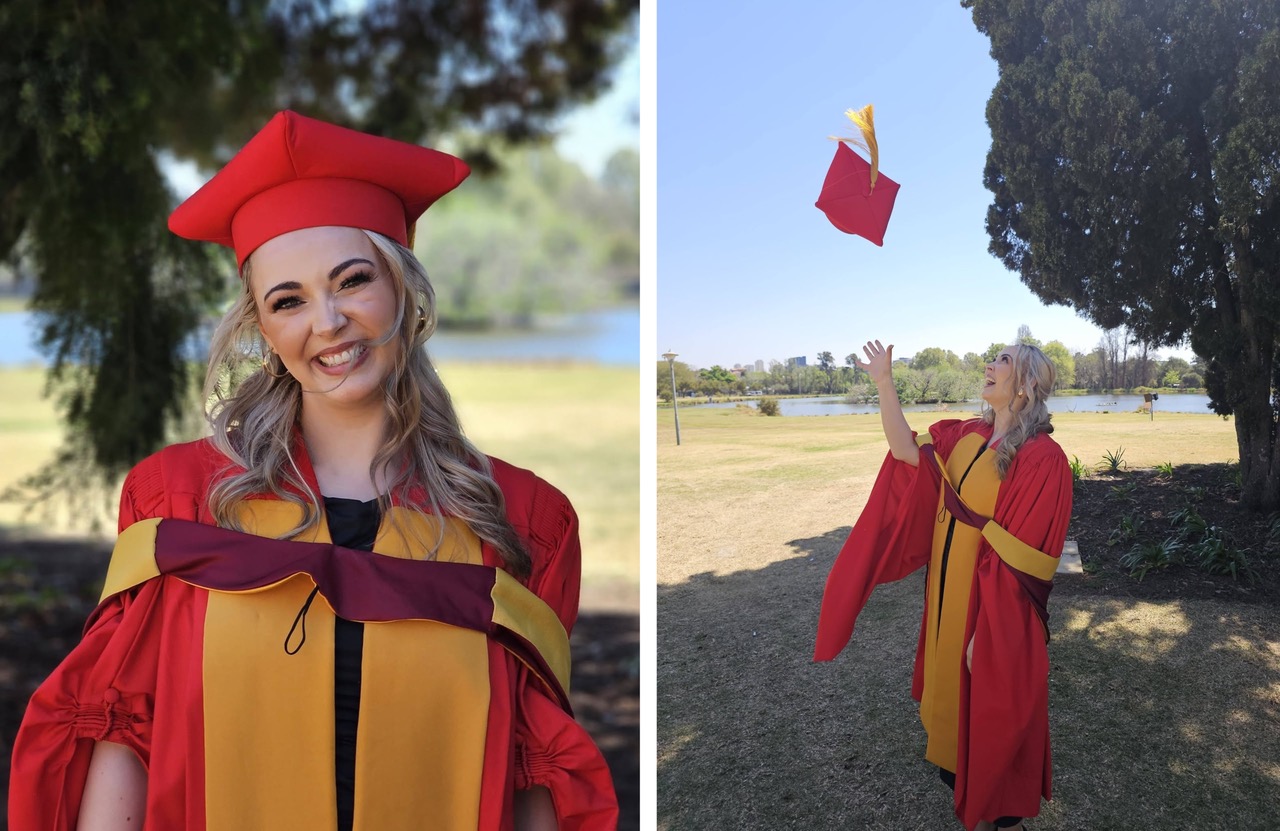
A doctorate before 30 is a big feather in the academic cap! Dr Jamie Spies’ research puts the practical wisdom of SA’s teachers under the spotlight.
Pretoria, South Africa (07 September 2026) – Before the age of 30, Jamie Spies has already added ‘Dr’ to her title! The young South African academic recently completed her Doctor of Philosophy specialising in Education at the University of Pretoria, earning the degree with Merit after 11 years of study.
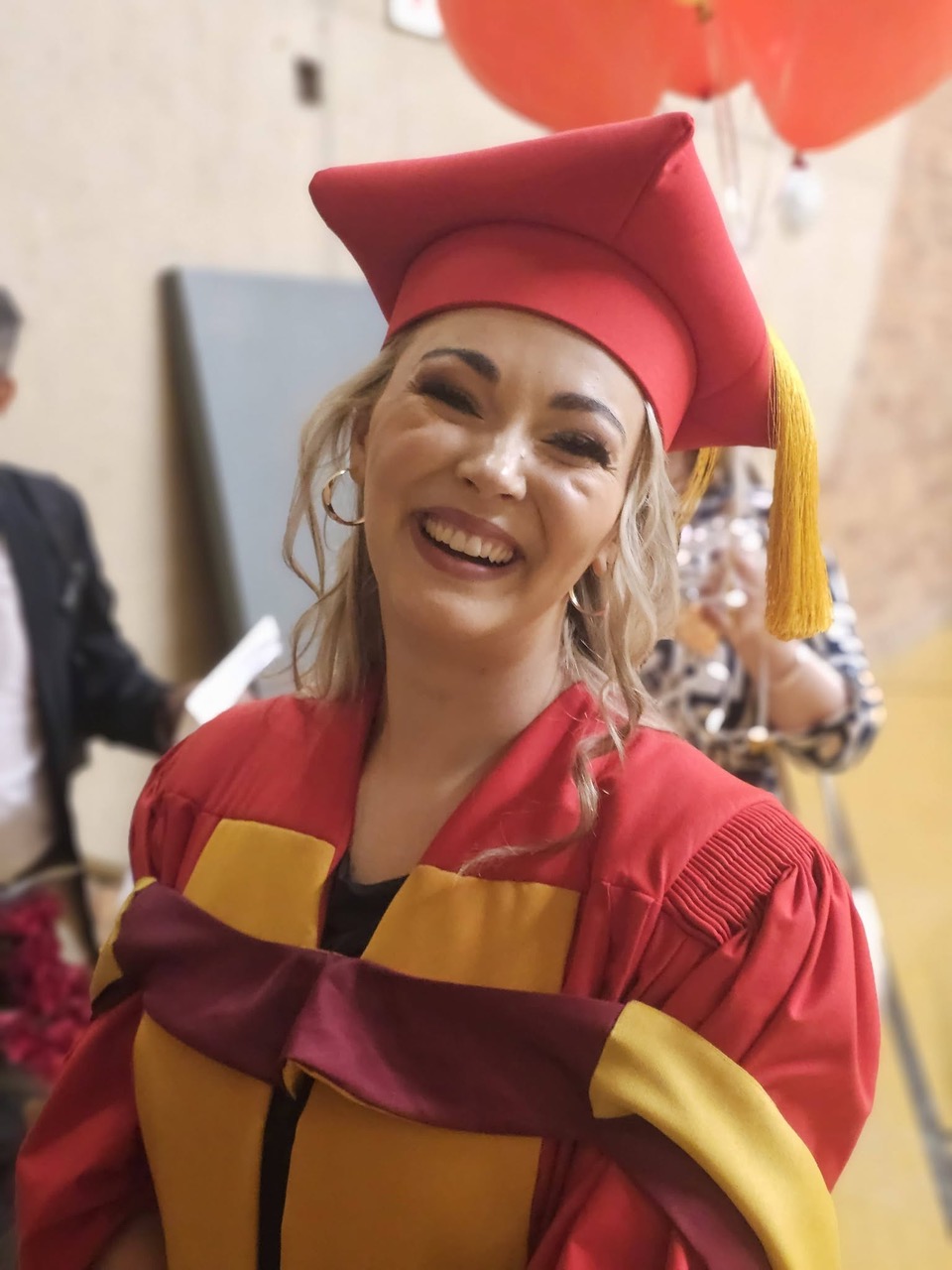
Her research took her into the world of practical wisdom among teachers, which, stripped of the academic wording, asks a really interesting question. What do teachers rely on when the situation in front of them does not come with textbook guidelines? Classrooms are full of those situations.
“Responding to this gap, a qualitative study in South Africa examined the lived experiences of sixteen high school Life Orientation teachers through an interpretative phenomenological design and in-depth semi-structured interviews. A pilot phase employed carefully designed vignettes portraying controversial classroom issues to sharpen methodological rigor and elicit deeper reflective engagement.” shares Dr Spies.
In a qualitative study, Jamie explored the lived experiences of 16 high school Life Orientation teachers through in-depth, semi-structured interviews, looking at the classroom realities that call for practical wisdom beyond what is written in the curriculum.
The study looked at how teachers support learners experiencing psychological distress, how they handle sensitive discussions, navigate relationships with parents and learners, and know when a situation calls for empathy or firmer judgement, all while preserving their own well-being, too.
Educators do this work all the time, but the knowledge behind those decisions is not always easy to put into words.
Jamie’s findings point to indigenous knowledge as a key aspect in how teachers respond.
“The findings position practical wisdom as deeply embedded in indigenous knowledge and continually shaped through reflection, professional experience, and self-directed learning. Teachers demonstrated wise engagement in complex, emotionally charged contexts, including learner psychological distress, relational classroom challenges, sensitive curricular discussions, parental interactions, and the preservation of teacher well-being.” she writes. “Practical wisdom was characterised by sound judgment, procedural knowledge, self-awareness, empathy, and professionalism, reflecting dimensions commonly emphasised in international scholarship on wisdom and social-emotional learning.”
There is a lot packed into that thought. Teachers are expected to educate, yes, but many also find themselves helping young people navigate incredibly complicated and complex parts of growing up. What makes the difference is not another rule or teaching method, but knowing the learner in front of you, reading the room and drawing on years of your own lived experiences.
Related Stories
 Blouberg Restaurant Gives Waiter Arnold the Gift of Hearing!
 Why Early Detection Isn't Just a Message – It’s the Reason Nelia is Living Life to The Fullest Today
“In today’s world, such findings demonstrate the imperative role teachers play in nurturing the values of our youth.”
Behind Jamie’s own 11 years of study was a mentor who sadly did not get to see the final milestone.
“A heartfelt thank you to my late research supervisor, Professor Sarina de Jager. While the past 11 years of study led us to incredibily insightful knowledge, your guidance shaped me as an academic (and person). I will forever be grateful for the years spent with you as my mentor.”
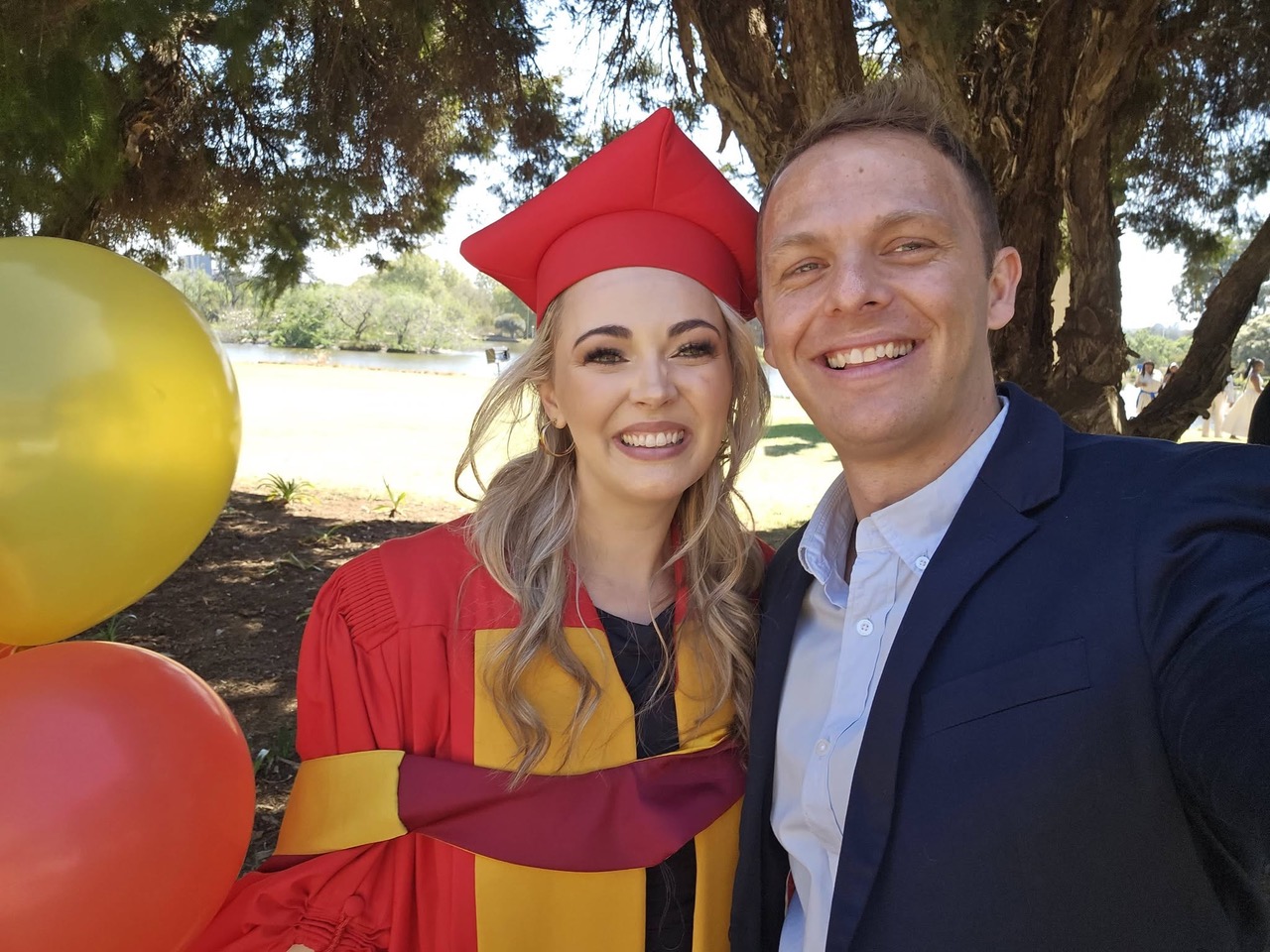
Paul Spies is Jamie’s very proud husband.
“As her husband, I am extremely proud of what she has achieved at such a young age. I also believe her story and research carry a positive message about the important role teachers and young academics can play in South Africa.” says Paul.
Eleven years of study later, Jamie has a PhD, a Merit beside it and South African research that gives real academic weight to something great teachers have known for a long time – the hardest parts of teaching often have no textbook answer.
 by