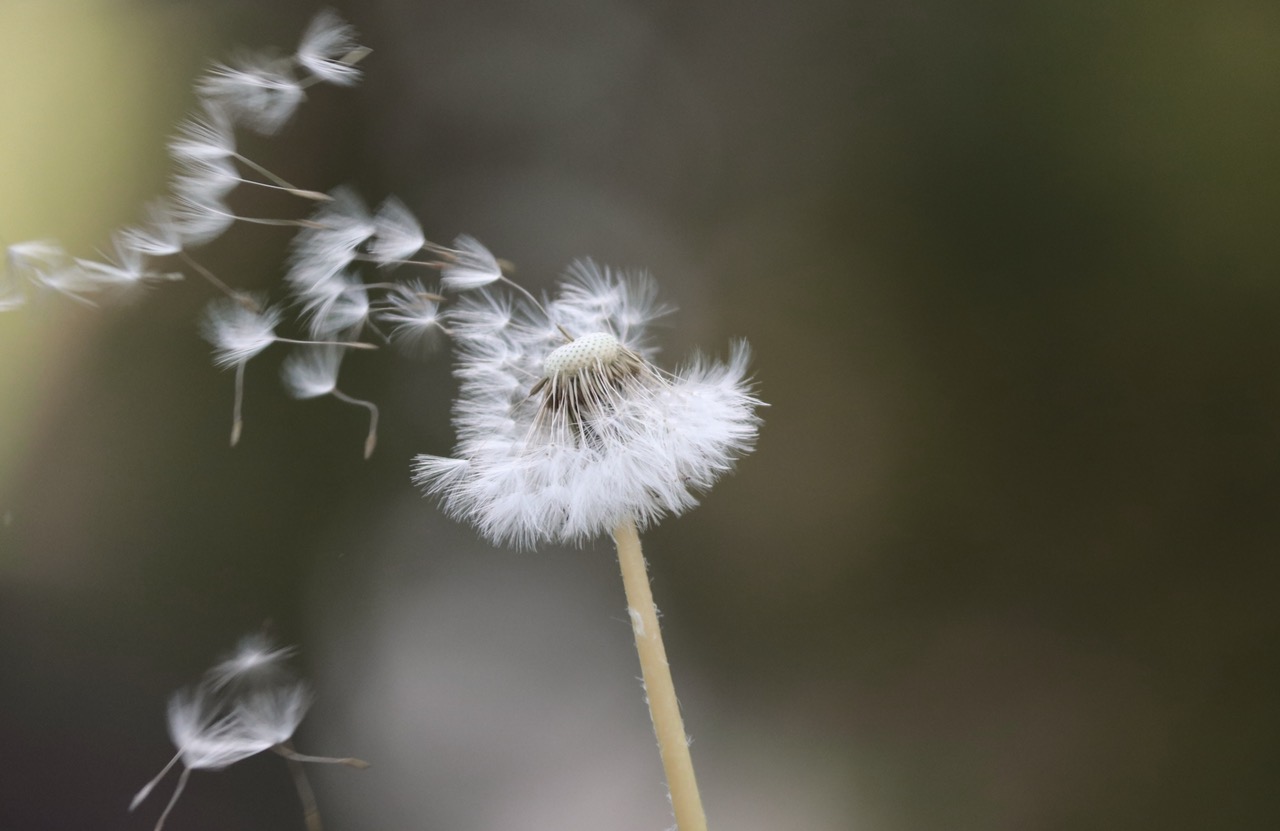
Hey you. The world is still full of wonder. Maybe you’ve just forgotten how to see it. There’s a way to win it back – and it’s rather quite beautiful.
Pretoria, South Africa (25 October 2026) – Prof Duncan Reyburn, an associate professor in the University of Pretoria’s (UP) School of the Arts, recently gave his inaugural professorial lecture, ‘Rewonderment’, at UP’s Hatfield Campus on 29 September 2026.
We found it so thought-provoking that we had to share it.
Prof Reyburn is an internationally recognised scholar of English writer and philosopher GK Chesterton, and his research looks at how we experience the world and make sense of it. In this lecture, he turned that research on a modern problem…
How easily we lose our sense of wonder.
‘Rewonderment’ is his word for paying attention again, and noticing the everyday things that have become so familiar we’ve stopped seeing them.
It felt so true to us. Life has become so busy and so fast that many of us are left with little energy to appreciate the world around us. Rewonderment points to something hopeful. The world hasn’t run out of wonderful things, we’ve just lost the space to notice them.
But that wonder isn’t gone for good. We can win it back.
Prof Reyburn explained that every new tool we pick up changes what we pay attention to and what we expect from life. To show what he means, he used the example of a heater versus a fireplace.
A heater gives you warmth at the flick of a switch. A fireplace needs wood, kindling, patience and someone to tend it, and in return, people gather around it.
Related Stories
 Midrand SPCA Appeals for Financial Support as Monthly Shortfall Reaches R250,000
 A Little Boy’s First Steps Bring Big Joy After a Challenging Health Journey
“Through a simple action, a heater gives us heat. But through a set of rituals, a fireplace gives more: a place,” he says.
Convenience has its place, but the easier something becomes, the less we see of the people and effort behind it. Prof Reyburn applied this to artificial intelligence too, which is built on a vast amount of human knowledge and labour that mostly goes unacknowledged.
The same thing happens between people. If we expect an instant answer from a friend, we start to treat them as someone who’s always available, rather than a treasured person with a life of their own.
The question is, do we really want to get rid of every inconvenience? Prof Reyburn explores this by looking at limits, and what Chesterton had to say about them.
Chesterton believed that limits are what give things their character. Think of art. A painter works within a frame, and without it there is no picture at all. Rather than holding creativity back, the boundary is what makes a piece of art possible.
“Art is limitation; the essence of every picture is the frame,” Prof Reyburn said, quoting Chesterton.
The same can be applied to us humans. Knowing where we end and someone else begins is what allows us to meet each person as an individual, with their own experiences, needs and perspectives, and not as someone who’s there to answer a message in an instant.
This translates into how we see each other, too. The world rewards results, and so it becomes easy to treat people as worth only what they can produce. That leaves little room for anyone who can’t keep up.
“More life does not mean more stimulation, more success, more visible vitality or more positive feeling; nor does it divide human beings into lives of greater and lesser worth. Life is unmerited,” Prof Reyburn says.
So how do we find our wonder again? Chesterton wrote about leaving Battersea, the London neighbourhood where he lived, and how stepping away helped him see it with fresh eyes, much like how coming home from a trip makes you notice your own front door.
Prof Reyburn points out that we don’t actually have to go anywhere. Regaining that perspective is really about how we pay attention and how we attend to the world around us.
“There is no strict procedure here on whether leaving will work, so whatever might help us reclaim the right perspective should at the very least be considered as a possibility. Imagination may be sufficient to revolutionise our engagement with everyday life.”
It could be as simple as stopping under a jacaranda in full bloom, as so many streets in Pretoria and Joburg are right now, instead of driving past. A small change in how you approach your day can change its entire course. We mow through moments of wonder every day without even realising.
Maybe the lesson here is to let life be a little less convenient now and then. Give things the time they need, let a fire take its time, and let people be people and not just a quick reply. The wonder hasn’t gone anywhere. We just have to slow down enough to see it. It’s right there friends.
 by