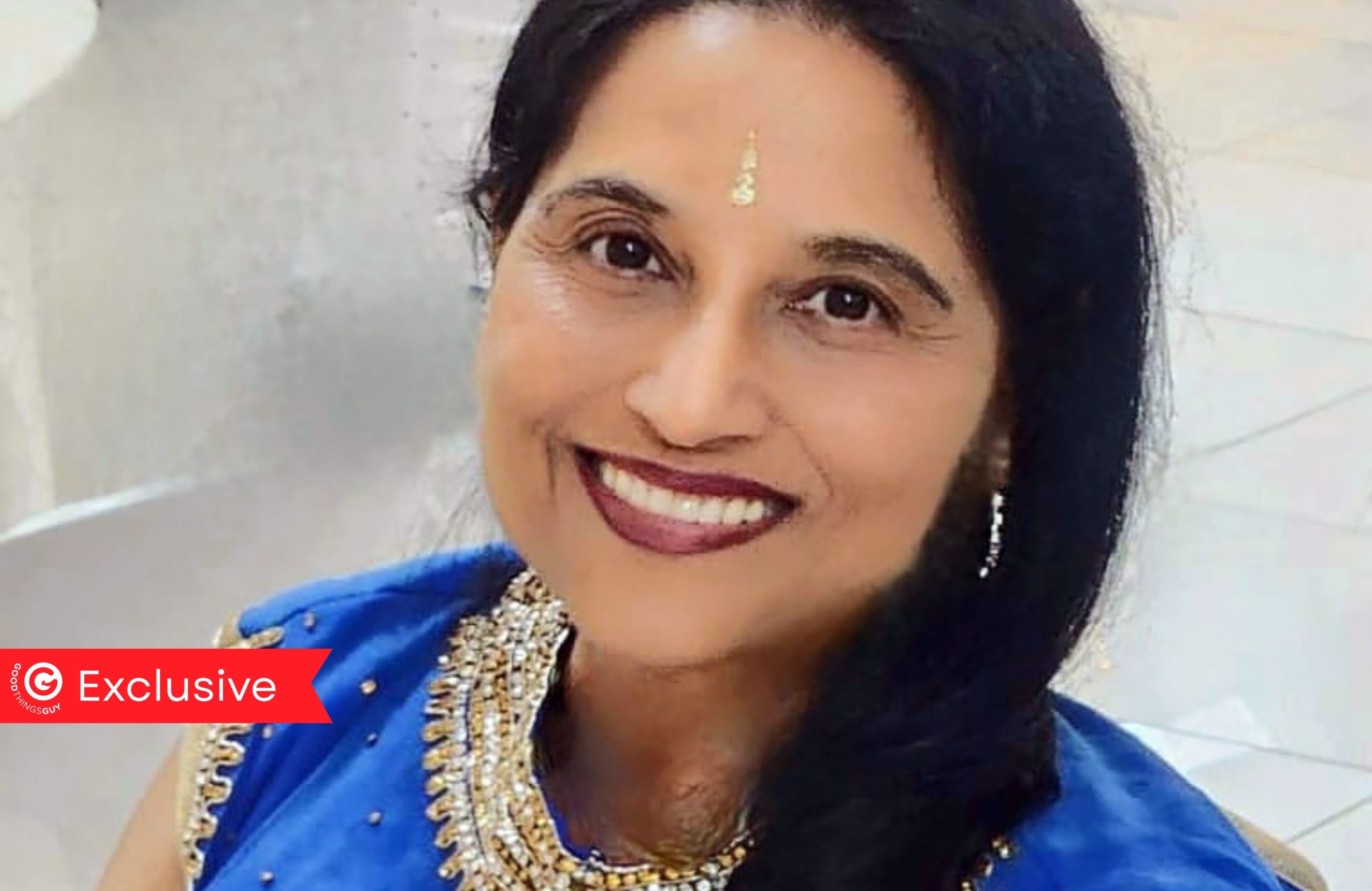
Heritage begins with the stories we inherit, from those we grow up hearing and many we discover much later. A document, a photograph or a conversation suddenly connects us to ancestors whose choices helped shape the lives we now lead…
South Africa (10 September 2026) – This Heritage Month, Profmed continues to celebrate remarkable South African professionals whose personal histories, careers and contributions continue to shape our country.
Following unexplored pathways can yield immense insight
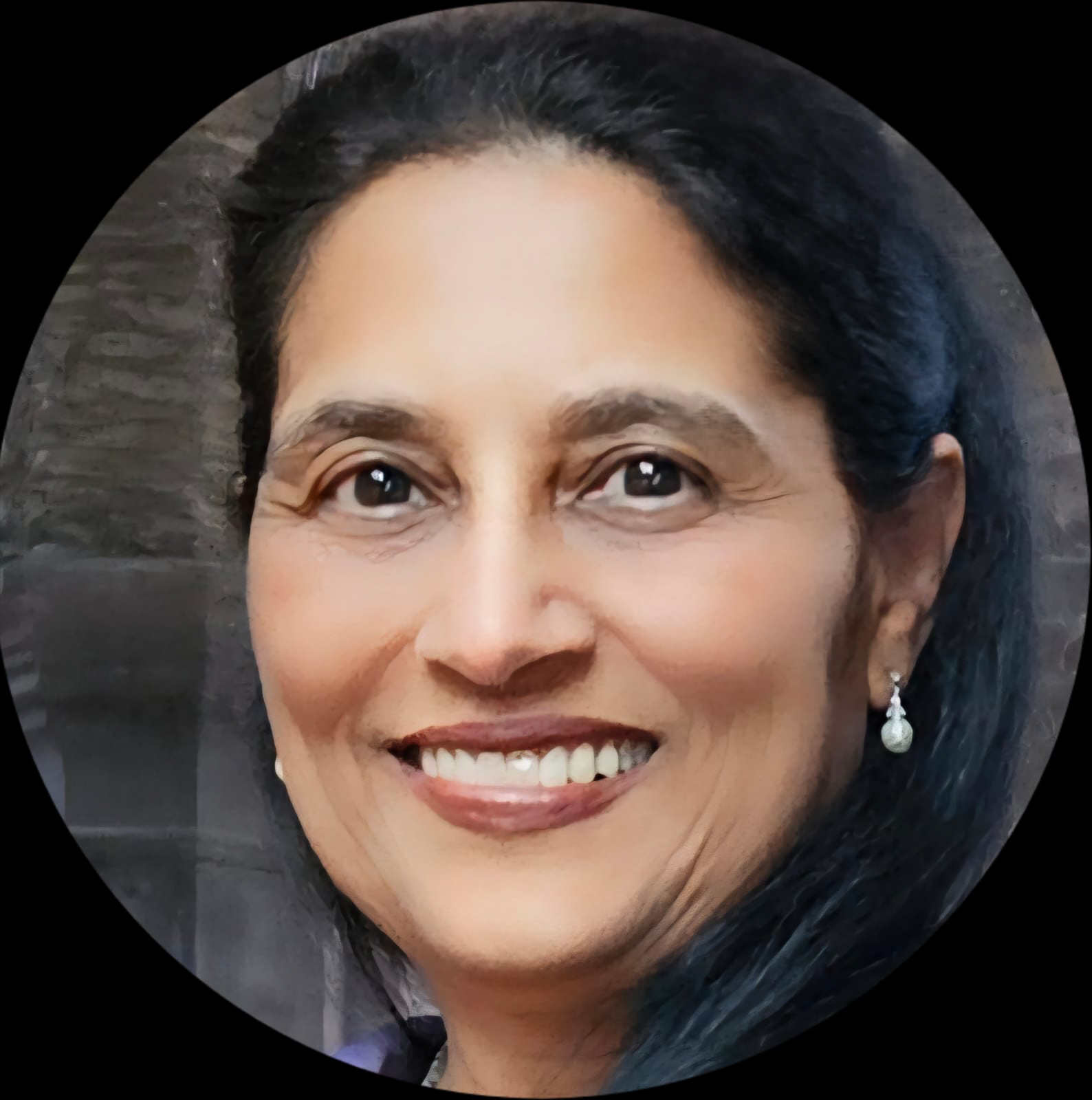
For Dr Shamin Mahabeer, a chemical pathologist at Lancet Laboratories, that journey began fortuitously when she discovered aged documents whilst helping her mother sort out the attic. These were meticulous records kept by her grandfather which chronicled the establishment of nascent transport networks.
She perused these documents and newspaper articles from university archives with her cousin, who is a historian. The enactment of the Group Areas Act resulted in the displacement of thousands of people of colour from central Durban to the periphery. She discovered that her great-grandfather formed the Non-European Passengers Association in 1940. The organisation worked to develop infrastructure in new suburbs, improve policing, and build bridges and train stations.
Piecing together a family history dating back to the arrival of her great-grandfather from India as a young child under the British system of indentured labour was fascinating. She immersed herself in the story of a diaspora who arrived in South Africa with few rights and limited resources, yet gradually built lives, families and communities which became part of the fabric of the country itself. The more she learnt, the more she understood the resilience behind that inheritance.
Dr Mahabeer is a fourth-generation South African, culturally Indian and deeply South African, having a nuanced identity formed through both histories that co-exist and enhance her persona.
On her paternal side, the story was equally personal. She explored the story of her grandfather, who learnt the art of furniture craftsmanship whilst working in a furniture business. He established his own factory and taught those skills to his sons. The Group Areas Act forced the family to relocate, losing their home and the business. Dr Mahabeer’s father rebuilt the family business from the ground up. As resources improved, he invested in education for his children and philanthropy in the community. During an era when opportunities for girls were constrained by conservative expectations within the community, he gave his daughters access to equal education. Her parents encouraged her to pursue a career that would eventually lead her into medicine.
Reflecting upon earlier generations changed how she understood herself. “It’s a story of fortitude,” she says, musing about ancestors who had limited resources and education yet responded to difficult circumstances by questioning how they could improve them. For Dr Mahabeer, their legacy is cemented in the willingness to adapt, advocate, build and create opportunities so that the next generation could attain new heights.
This is where a family story becomes a heritage story. We inherit more than culture, food, language, faith and tradition from our ancestors. We inherit the consequences of decisions made by many generations born before us, along with the values that helped them navigate the circumstances in which they lived. Sometimes we understand that inheritance from childhood. Sometimes, as Dr Mahabeer discovered, we embark on a journey later in life that involves the exploration of family history, ancestry and community.
Discovering the stories that shaped South Africa.
Heritage Day invites South Africans to do something similar at a national level. South Africa contains many histories, shaped by indigenous cultures, migration, colonialism, slavery, indenture, apartheid, resistance, displacement and, ultimately, the creation of a constitutional democracy. The Rainbow Nation emerged from an attempt to bring those histories into a shared future whilst encouraging South Africans to retain the cultures and identities that make them unique.
Related Stories
 Saturday Good News Wrap Up: A Ranger Full of Hope and a Country Full of Kindness!
 Nurse Steps in to Gift Woman with Portable Oxygen Concentrator and a New Lease on Life
Dr Mahabeer’s story captures this complexity. She belongs to a diaspora that became deeply South African whilst retaining cultural identity. The community had contributed to the struggle for democracy as early as 1894. Mahatma Gandhi was the principal founder of the Natal Indian Congress, which fought racial discrimination for decades.
Her heritage research revealed how extensively those histories intersected. She authored a coffee table book that celebrated the centenary milestone of the Aryan Benevolent Home, an orphanage and old age facility largely built by the community. In 1992, they hosted Nelson Mandela who was pondering an inclusive pathway forward after the first democratic election. He engaged with the Indian community at grassroots level to understand their ethos, challenges and acknowledge their contributions to the fight for democracy as a new South Africa emerged.
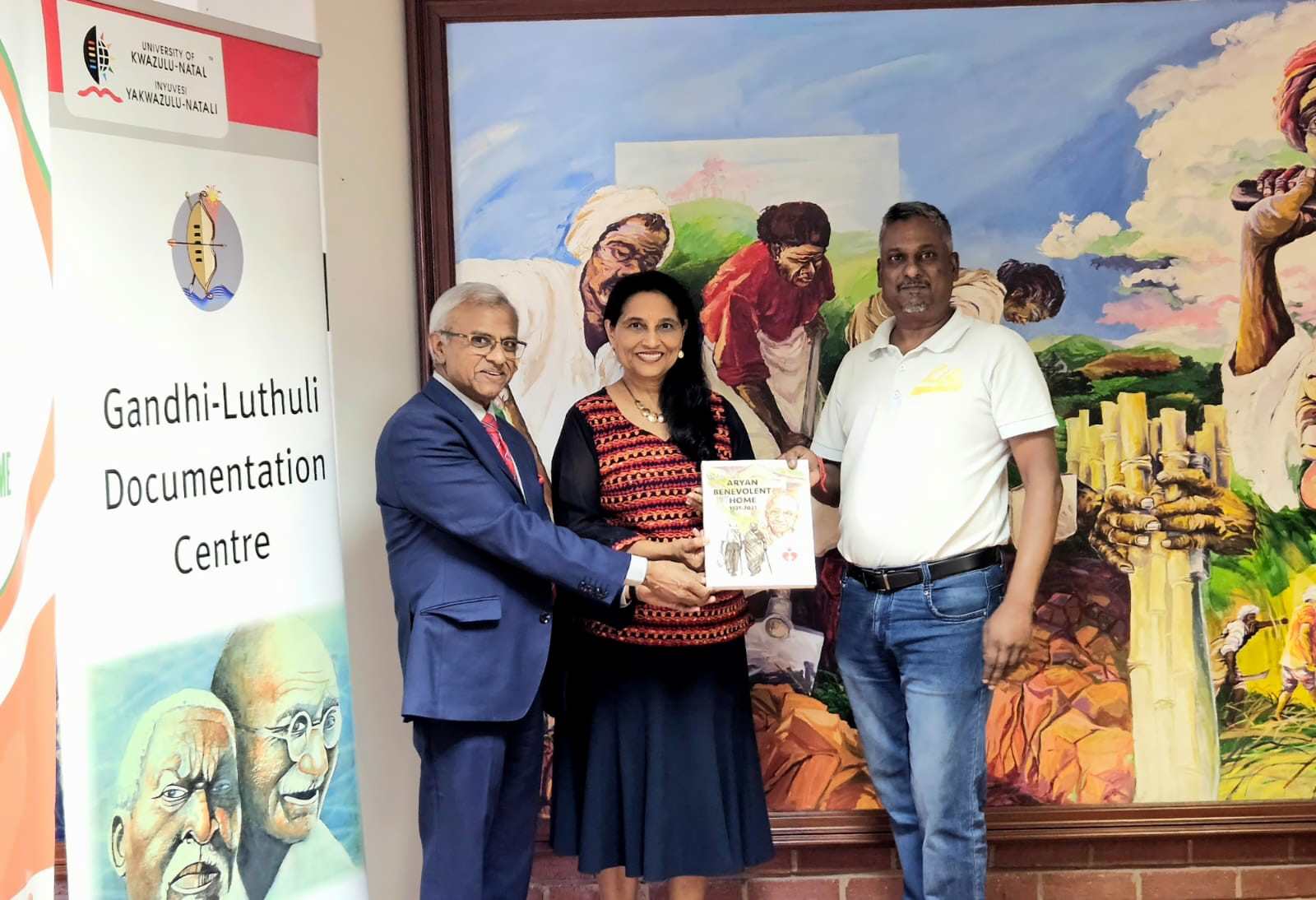
This visit served as a vital moment of solidarity between the anti-apartheid leadership and the local Indian-South African community organisations that provided crucial welfare services during and after the apartheid era.
Dr Mahabeer says, “We were victims of apartheid. We became part of the fabric of South Africa after the first democratic election in 1994. We were filled with optimism about finally belonging to a secular and integrated society.”
To her, that ability to carry distinct histories within a shared national identity lies at the heart of the Rainbow Nation.
“We are this melting pot of history and culture. When we embrace our differences, we become a vibrant, tolerant and stronger mix.”
For Dr Mahabeer, one of the most remarkable threads running through South Africa’s story is its capacity for forgiveness.
“We had to explore ways to live together after generations of legislated separation and inequality,” she says
When she reflects on her personal experiences during apartheid, she realises that pain and ultimately forgiveness co-exist in her thoughts. She remembers being evicted from her childhood home and the family furniture business being uprooted at the age of five because of the Group Areas Act. She remembers growing up in a community designated for South Africans of Indian descent. She remembers the harsh words of a shop assistant in a store when, as a child, she touched an ornament they were choosing for their family Christmas tree.
She remembers the handful of beaches available to people of colour in Durban, and evenings spent watching White children ride the Ferris wheel and swim in pools she was not permitted to enter.
“It was sad, and sort of encapsulated the experience of being a child of colour,” she says. “The innocence of watching other children enjoying facilities that we could not access leaves a feeling of sadness etched in my psyche as an adult.”
She recalls these stories with poignancy rather than anger, which is her personal response to how a country remains cohesive after apartheid.
Leaving home helped to unpack the emotions and understand the trauma.
Dr Mahabeer’s perspective on South Africa was also shaped by living outside the country for extended periods. At 15, amidst the turmoil surrounding the Soweto uprising, her father sent her to Ireland to broaden her educational opportunities. She arrived alone after growing up within the warmth of a South African Indian extended family, went to school and lived with an Irish family before studying medicine at the Royal College of Surgeons in Ireland. Suddenly, a teenager whose life had largely been shaped by the racial segregation of apartheid was living with an Irish family alongside students from around the world. She returned to South Africa during vacation time. It required rapid adaptation to be part of an integrated society in Ireland and then return home to the harshness of racial segregation.
She returned to South Africa to complete her postgraduate training and specialise in pathology. Later, she spent seven years in New Zealand, raising children, working in family medicine and studying law before returning to South Africa when her father became ill. The experiences of relocation and returning to South Africa to visit family revealed something new about the country on her annual visits back.
“I feel that you develop a different perspective when you’re outside a situation rather than being part of a lived experience,” she says. Distance allowed her to appraise South Africa more objectively in a wider global context.
Coming back home for visits brought an immediate sense of recognition.
“The smiles and easy eye contact, the sight of the Indian Ocean and vivid bougainvillaea in full bloom or the smell of the veld rekindled an instant feeling of belonging that South Africa was part of my DNA,” she recalls.
That sense of belonging exists alongside an awareness of South Africa’s difficult history. Dr Mahabeer has little interest in flattening or embellishing either experience, because the pain is part of the story, as are the extraordinary changes South Africans have made together.
“We had to evolve and change prolifically,” she says. “We grappled with how to do this rapidly as a nation because the first democratic election changed the playing fields overnight.”
Few periods demonstrate that more clearly than the early years in which Dr Mahabeer found herself part of the medical faculty contemplating how to pivot to lecture to the first generations of professionals entering a democratic South Africa.
Being part of building an education system for a nascent democracy
As apartheid ended, South Africa’s universities faced profound challenges. Racial integration was only one element of transformation. Universities had to examine systems built within a segregated society and create educational models that could serve a student body whose experiences, schooling and opportunities varied enormously.
Dr Mahabeer taught chemical pathology and served on early curriculum development committees as the reality moved from political ideals into lecture theatres. Students enrolled from across South Africa’s racial and socioeconomic spectrum. This included young people from rural communities whose educational journeys looked very different from those of classmates educated in well-resourced schools. The faculty had to find ways to bridge those gaps whilst maintaining the standards required of medical education.
Dr Mahabeer’s medical training had followed a conventional Western model. She understood that retaining this approach would fail to deliver for the new student body. They initiated dialogue with students to tease out different approaches to pre-existing lectures, tutorials and examinations. This process restructured how chemical pathology was taught in fourth year. Additional learning avenues and different teaching processes were created to accommodate a more diverse cohort.
Within the medical faculty, academics had varied views about the pace and extent of change. Some wanted to retain established teaching methods, whilst others pushed for immediate transformation. The work was difficult, with competing views about how quickly and extensively medical education should change.
Those conversations reflected what was happening across South Africa after apartheid. A new national identity had to be built within institutions that needed to be agile to accommodate students whose lives and perspectives were completely different during apartheid. Dr Mahabeer found herself learning from the lived experiences of Black, Coloured, Indian and White South Africans as much as she was contributing professionally.
“I was part of the inception of something huge,” she says. “Progress depended on finding people willing to listen, compromise and keep working through the differences. My personal and professional growth was just so enormous at that stage.”
Heritage lives in the stories we share
Decades later, Dr Mahabeer’s exploration of her family history brought many of these threads together. Through a process of researching and understanding, heritage became something active.
“I realised that storytelling and documentation are important for diverse societies to grow,” she says. “Unless we delve into our personal histories and are honest about sharing our stories, we cannot provide a different lens for others to develop new perspectives.”
It’s difficult to imagine a more fitting thought for Heritage Day. On 24 September. South Africans celebrate the day collectively but retain a recollection of vastly differing family histories. Some have always been part of the African continent. Their roots form part of the soil for countless generations. Others carry stories of migration, indenture and displacement. Families remember resistance, survival, privilege, loss, opportunity, injustice and sacrifice differently. Those histories can sit alongside each other, and we can embrace them without becoming identical.
Dr Mahabeer’s life shows what becomes possible when people remain curious about their unique identities. She discovered ancestors who helped communities displaced by apartheid gain access to transport and infrastructure. She learnt about headwinds faced by founding families, including her own during this era, when she explored the origins and growth of the furniture industry. She learnt about the contribution South African Indians made to the liberation struggle whilst writing a coffee table book for an institution to celebrate their centenary milestone. She listened to medical students whose lives bore little resemblance to her own and helped reshape an educational system in the country they were collectively becoming by trial and error. She left South Africa more than once and found that distance gave her a deeper appreciation of what it meant to belong to it.
Heritage, in that sense, asks something of us all. She learnt that documenting those stories is important, and that she should reach out to historians and authors to harness their skills. Interactions with them exposed her to a new world of creativity, taught her the skills of historical research and the art of storytelling. She learnt how personal experiences, listening to the voices of the community and using visual aids augment an article. More importantly, the reader connects intuitively to a narrative that is authentic.
Putting pen to paper, being unafraid of a mistake or revising an opinion was part of the process. Documenting information whilst unfurling the tapestry of time created stories that would survive in perpetuity, anchoring generations to come in their history and culture.
South Africa has already shown what is possible when a nation confronts those difficulties through honesty and hard work. Its democratic story was built through listening to accounts of pain, confronting the past, negotiating across enormous divides and imagining a shared future where differences in culture, ethnicity and life experiences could co-exist.
There is still more to learn, more to repair and many more stories that deserve to be heard. The challenges ahead cannot be dismissed. Dr Mahabeer sees continuing work as part of the process.
She concludes, “When we listen and engage in dialogue, we morph, develop new perspectives and evolve into a more cohesive society. Trace and document your cultural heritage and embrace intergenerational storytelling. Knowledge of my heritage strengthened my sense of self-identity.”
Perhaps that is one of the greatest gifts Heritage Day offers South Africa each year: the opportunity to remember that a nation’s identity lives within millions of individual stories and knowing that our collective heritage becomes richer when we make room for somebody else’s. Together, those unique histories, shared stories and diverse cultures are the very fabric of our identity as a nation.
Supporting South African professionals through every stage of their careers
Your career will grow, change and take you in directions you may never have expected. Profmed is a proudly South African medical aid created for professionals, with healthcare cover designed to support you from your first qualification through every opportunity, responsibility and milestone that follows. You can explore Profmed’s medical aid options further here.

 by