

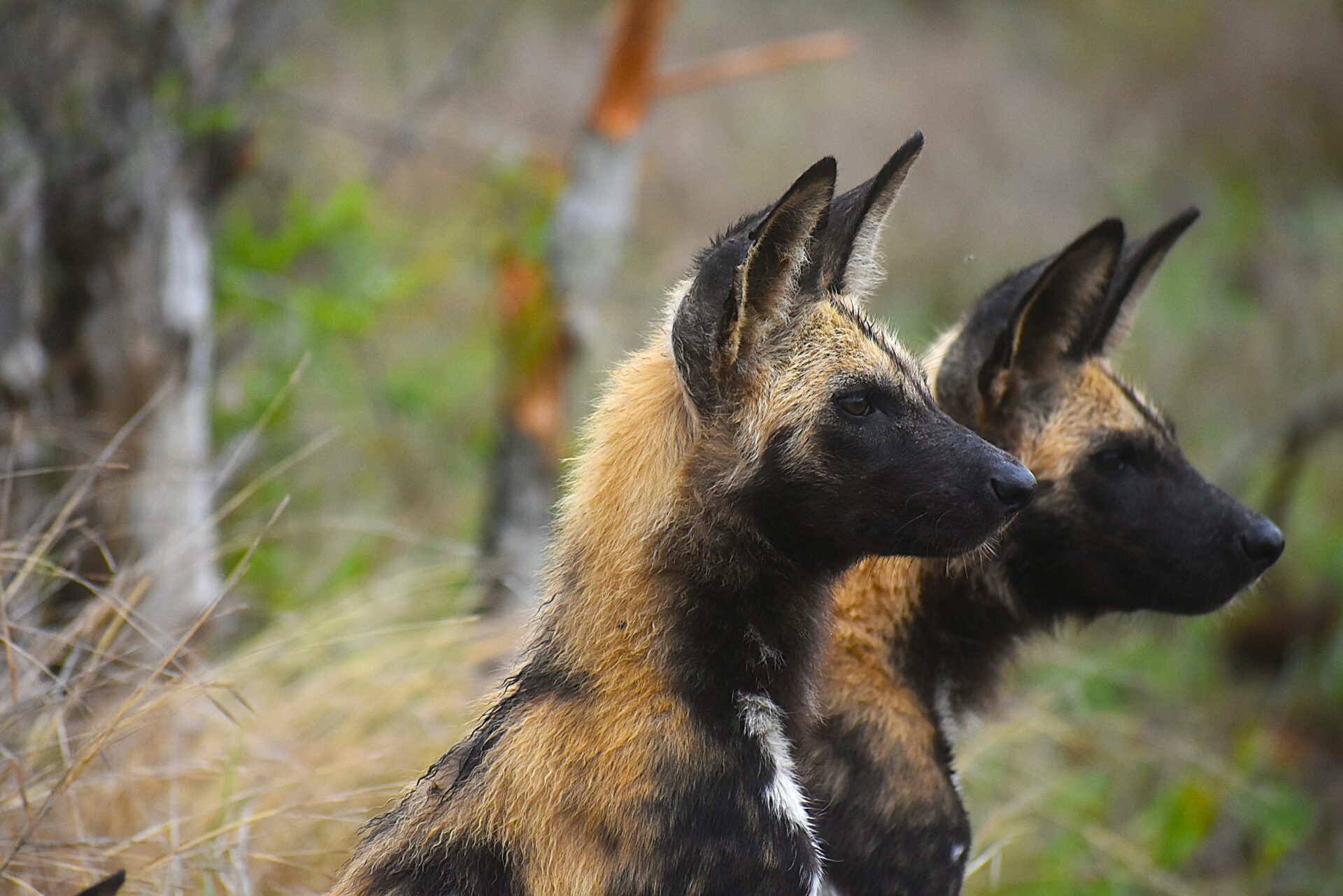
For the first time in years, African wild dogs are back at Zimanga… and their return is part of a much bigger plan to secure their future across South Africa.
KwaZulu-Natal, South Africa (21 April 2026) – In a significant step forward for African wild dog conservation, a new pack has been successfully reintroduced to Zimanga Private Game Reserve after several years without the species roaming its landscapes. It’s a return that carries weight for the reserve and for conservation efforts across the province and the country.
African wild dogs, once widespread across South Africa, now exist in fragmented populations due to habitat loss, human-wildlife conflict and disease. But this story isn’t about decline… it’s about what happens when people refuse to let a species fade away.
Through coordinated work at provincial and national levels, conservationists have built a managed metapopulation that is actively safeguarding the future of one of Africa’s most endangered carnivores.
This latest reintroduction is the result of a powerful collaboration between Tswalu Kalahari Reserve, Zimanga Private Game Reserve, Endangered Wildlife Trust, Wildlife ACT, Wildlife Solutions Africa, The Bateleurs and Ivan Carter Wildlife Conservation Alliance, all guided by the Wild Dog Advisory Group and the KwaZulu-Natal Wild Dog Management Group.
At the heart of this reintroduction is a small but mighty pack… two females and one male… carefully selected and strategically placed to contribute to both the ecological balance of Zimanga and the broader metapopulation. This is how modern conservation works: animals are moved with purpose, ensuring genetic exchange between populations and reducing the risk of inbreeding in smaller, isolated groups.
It’s a system designed to mimic nature in landscapes where natural movement is no longer always possible.
“With a lack of safe space as the key limiting factor, African wild dogs are no longer biologically independent; they are logistically dependent assets that require active life support,” Eugene Greyling, Carnivore Conservation Field Officer at Endangered Wildlife Trust, explains.
Zimanga Private Game Reserve, a 7,000-hectare protected area in northern KwaZulu-Natal, has long been committed to conservation, biodiversity and responsible ecotourism. While it may be smaller than some of South Africa’s vast reserves, its role is no less important. In fact, spaces like Zimanga are critical in expanding available habitat and increasing the number of breeding packs across the landscape.
And there’s something incredibly special about this return.
Related Stories
 This Grade 2 Teacher Is Running Her Socks Off for Vrygrond's Pets!
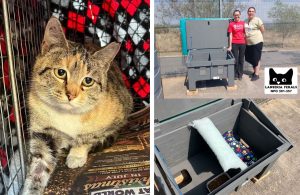
 Lanseria Feral Kitties Gifted Brand New Feeder and Sleeper!
“This is an incredible moment for the EWT’s Wild Dog Range Expansion Project and everyone involved in it. Historically, Zimanga hosted wild dogs extremely successfully, with 13 new packs established across Southern Africa from wild dogs born here. The fact that a reserve that was a historic beneficiary of the dogs’ success on Zimanga, is now in the position to assist in re-establishing a pack here shows how actions taken more than a decade ago have paid off, and how the metapopulation approach to conservation efforts allow even a smaller reserve to expand its joint conservation efforts well beyond its borders. It is living proof that the metapopulation approach works, and we are incredibly excited to host wild dogs again. A big thank you to all involved,” Charl Senekal, Owner and Manager of Zimanga Private Game Reserve, says.
Right now, the pack is settling in. After being translocated, they are undergoing a transition period in a temporary holding facility, allowing them to acclimatise, strengthen their bonds and prepare for release. Once released, they’ll begin exploring, hunting and carving out their space in the reserve.
And they won’t be doing it alone.
Wildlife ACT will lead post-release monitoring, using GPS and VHF collar technology to track movements, behaviour and adaptation in real time. Combined with on-the-ground observations from the Zimanga team, this data will guide decisions that support the pack’s long-term success… from hunting patterns to territory establishment, and eventually, breeding.
“The use of GPS and VHF collars allows us to closely track the movements and behaviour of newly established packs, giving us the data needed to support informed management decisions as they settle into a new environment. It is always encouraging to be part of successful reintroductions like this, and we look forward to seeing how this pack establishes and contributes to the continued expansion of African wild dogs across KwaZulu-Natal,” Chris du Toit, Wild Dog Programme Manager at Wildlife ACT, explains.
This matters now more than ever. African wild dogs remain one of the continent’s most endangered carnivores and their survival depends on connected, well-managed populations. Every successful reintroduction strengthens that network, adds genetic diversity and creates new opportunities for growth.
“Effective African wild dog conservation in South Africa largely relies on a coordinated metapopulation approach, where populations across different protected areas are actively managed as a connected system. Reintroductions like this are a critical part of that strategy, allowing us to expand the species’ range, strengthen genetic diversity, and ensure that populations remain viable into the future. Each successful introduction is a meaningful step towards securing the long-term survival of the species and we are honoured to be part of this move,” Anel Swart, Species Conservation Director at Wildlife ACT, concludes.

 by
by 





thanks a lot of information greatfull