A good dose of penguin news to start the week! The Seabird Nursery at SANCCOB has all hands on deck, with 17 little African Penguin hatchlings, and more than 200 still on the way!
South Africa (09 February 2026) – The need for the work that SANCCOB does in supporting African penguins becomes evident in the stats that surround the critically endangered species.
Right now, fewer than 10,000 breeding pairs remain in the wild. The species’ population has plummeted by 97% since the early 20th century. Primary threats to colonies include food shortages caused by commercial fishing and climate change, and habitat destruction.
While the stats are sobering, there are positives, too.
Last year alone, SANCCOB hatched, hand-reared and released 107 African Penguin chicks that would not have survived without intervention. To add, its Cape Town and Gqeberha facilities rescued and treated a combined total of 1924 seabird patients.
Hatchlings are always good news – even when they require extra and love care.
“It is a busy and critical time inside SANCCOB’s Seabird Nursery. With 17 African Penguin eggs actively hatching and another 212 still in incubation, our team is providing round-the-clock care to ensure every chick gets the strongest possible start.” shares SANCCOB.
Hand-rearing African penguin chicks is no walk in the park. They must be cleaned and fed every three hours with constant monitoring to meet growing needs. On top of that, the team juggles hundreds of fragile eggs still in incubation.
“Eggs are weighed daily and assessed for viability through candling, a non-invasive process that allows our team to confirm whether an embryo is developing and assess its condition. As chicks begin to hatch, care intensity increases significantly.” shares SANCCOB. “From incubation and monitoring to the care of newly hatched chicks, this work requires constant attention from our team, with every step critical to giving each chick the best possible chance of survival.”
 Baaaaa! Two Goats Are Running for Mayor in Joburg and You Can Vote!
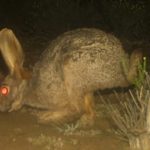 Rare Riverine Rabbit Caught on Camera in Sutherland After More Than Two Decades!
Saving the penguins, one hatchling at a time.
“Each one matters. Each one is a second chance for a species on the brink.” it shared.
 by
by