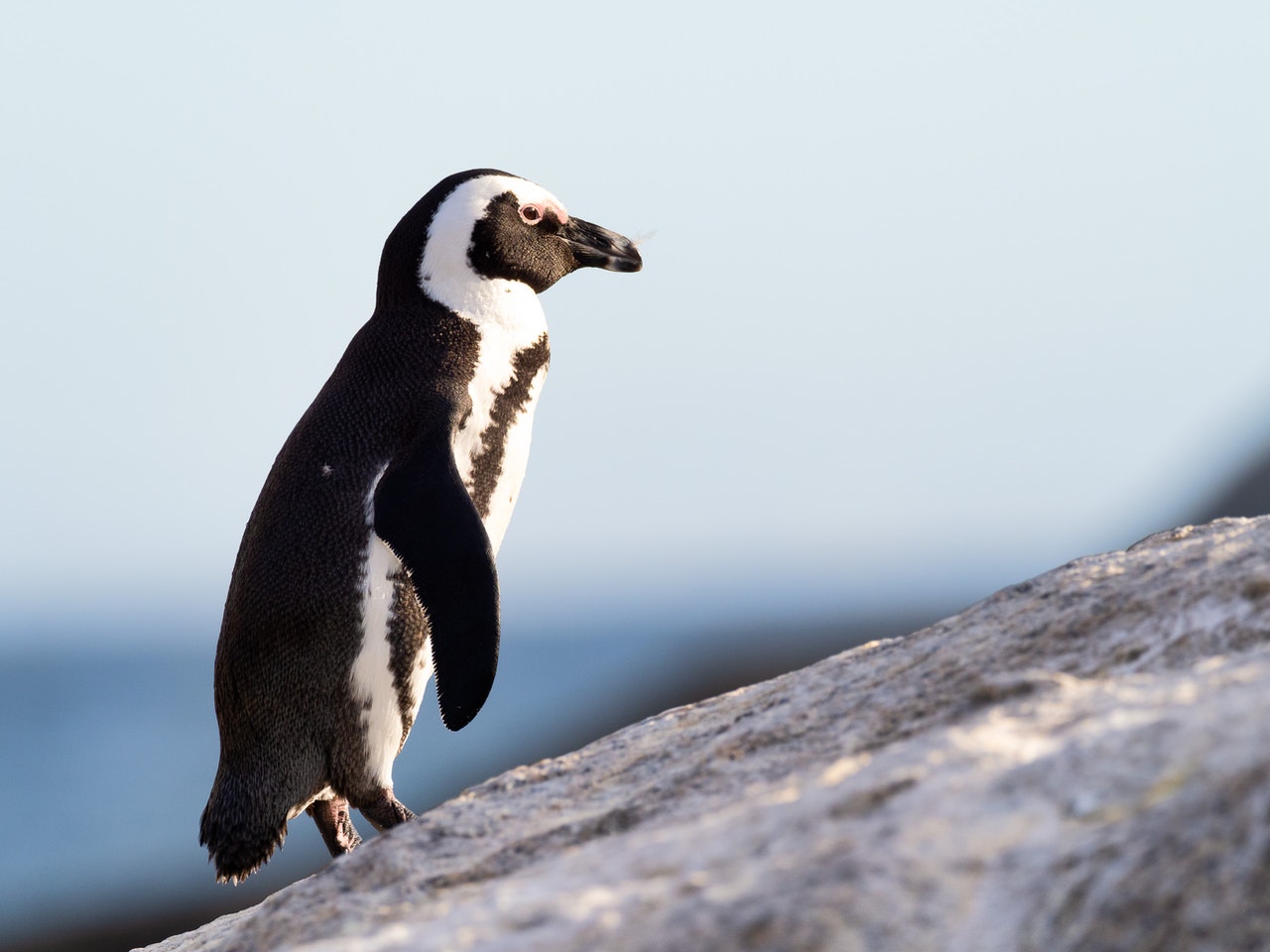
SANCCOB is standing in the critically endangered African Penguin’s corner, as wild seabirds face a bird flu outbreak.
Cape Town, South Africa (07 November 2025) – Cases of Highly Pathogenic Avian Influenza (HPAI) have sadly been confirmed in wild seabirds along the coast, and in several of SA’s critically endangered African Penguins.
Thankfully, SA has some incredible organisations looking out for birds in need.
SANCCOB is one of them. They’re doing their best to protect as many penguins as possible.
They have moved quickly to tighten biosecurity measures and make sure the birds already in their care stay safe. Both their Cape Town and Gqeberha centres remain open at this critical time, and are operating as usual.
Extra precautionary measures are being taken. All incoming seabirds go straight into quarantine and are tested for HPAI. Teams are following strict sanitation, and all movement around the centres is being tightly controlled.
African Penguins are sadly already carrying the weight of multiple threats at once. An outbreak like this adds even more pressure, which makes SANCCOB’s rapid response all the more important.
But SANCCOB can’t do it alone. They’re asking all of us to look out for seabirds along the coastline and to please resist the urge to help physically. Sick or dead birds should never be handled by the public, the safest thing you can do is report it immediately so trained rescue teams can step in.
To report sick or dead seabirds, call SANCCOB in Cape Town at 021 557 6155 or 078 638 3731 and in Gqeberha at 041 583 1830.
The team has also shared some straightforward, practical guidance that helps everyone stay safe without feeding fear.
Related Stories
 Rescue Rhino Lula Welcomes Her First Calf After Two Years of Freedom!
 The Hope Dealers: Jozi Trails Looks After the City's Longest Green Artery
How can I tell if a bird has HPAI?
- Unusual behaviour or tameness
- Twitches, tremors or seizures
- Cloudy eyes
- Inability to walk or fly away
Only a lab test can confirm HPAI, but these signs are important red flags.
What to do if you find an affected bird
If you encounter a sick or dead wild bird:
- Do not touch, feed, or attempt to rescue it.
- Keep at least one metre away.
- Record the exact location, time, and species (if known).
- Take a photo or video if possible.
- Report immediately to SANCCOB (contact details above). If it’s another bird species, use the DFFE’s OCIM reporting tool.
What to do to protect your pets and family
- Keep dogs on leashes near beaches and coastal areas.
- Keep pets and domestic birds away from wild birds and their droppings.
- Wash hands and shoes thoroughly after contact with wild birds.
- If you develop flu-like symptoms after possible exposure, seek medical advice and mention contact with a sick or dead bird.
What if I have touched a sick or dead bird?
- Wash hands with soap and warm water or use an alcohol-based sanitiser.
- Remove droppings or fluids using disposable paper towels and seal them in a plastic bag.
- Disinfect any surfaces with a diluted bleach solution (120 ml bleach per litre of water).
- Wash exposed clothing and dry it in sunlight or a tumble dryer before re-wearing.
- Avoid contact with other birds until you’ve cleaned and changed.
How can I help?
You can help limit the spread of HPAI by:
- Reporting sick or dead seabirds immediately.
- Sharing verified updates from SANCCOB and the DFEE.
- Encouraging others not to touch or interfere with wild birds.
Supporting SANCCOB
Public support fuels SANCCOB’s mission to rescue, rehabilitate, and conserve vulnerable and protected seabirds.
- Support by donating here.
- Contributing equipment: latex gloves, F10 or bleach disinfectant.
- Adopting a Penguin.
- Volunteering at SANCCOB’s Cape Town or Gqeberha centres.
 by
by