The rain brings good things, too. After floods across parts of the Kruger, seasonal pans that were once dry and cracked have filled up again. With that water has come new life that hasn’t been observed in the park for years.
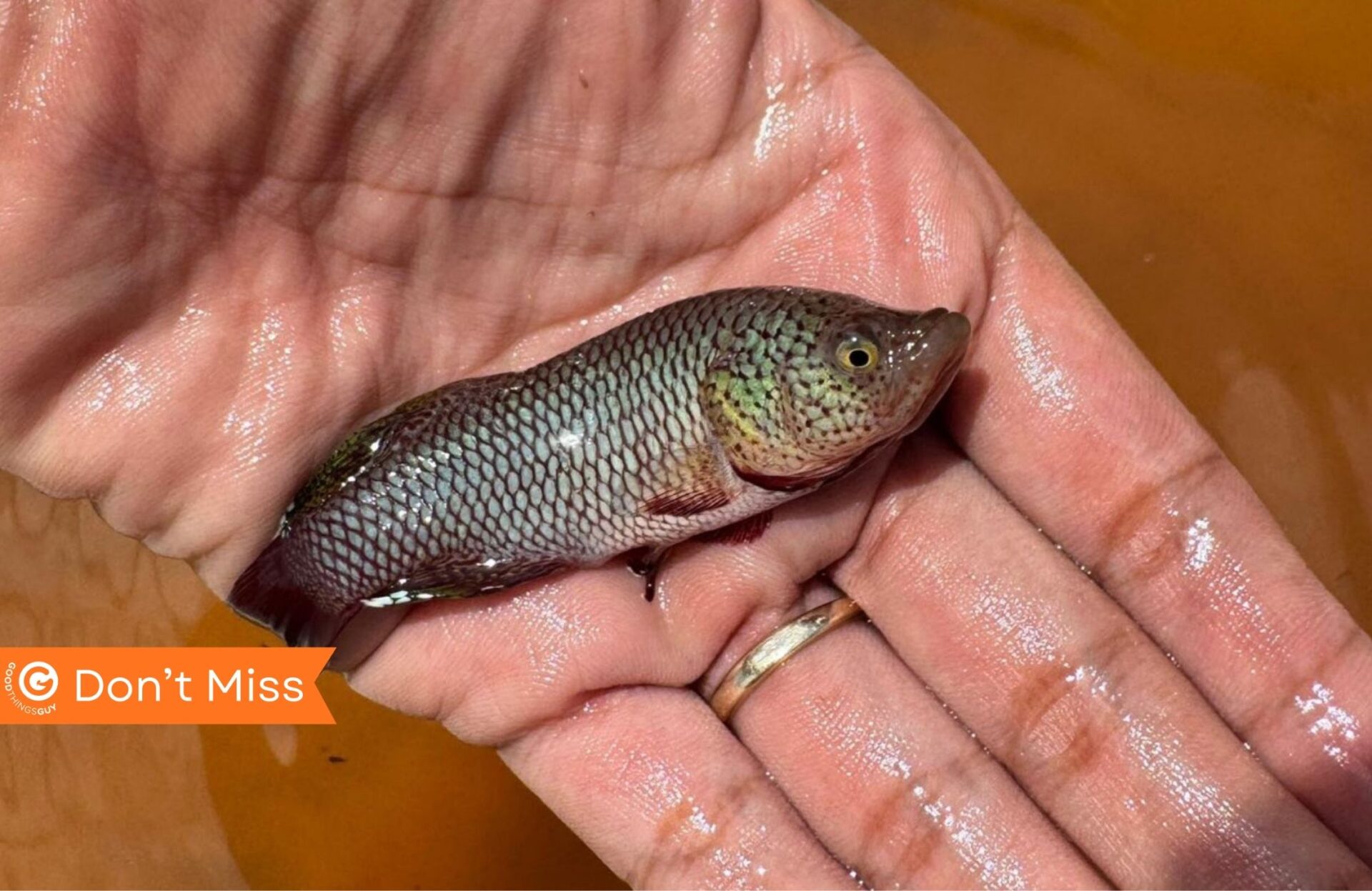
Kruger National Park, South Africa (23 February 2026) – Among the surprises spotted by SANParks scientists and rangers during a recent resurvey was the tiny but remarkable spotted killifish (Nothobranchius orthonotus).
The species hadn’t been observed in these specific pans for several years, so finding a healthy, active population again was a happy find!
The spotted killifish doesn’t only occur in Kruger. It’s widespread across central Mozambique and extends into southern Malawi, south-eastern Zimbabwe and northern South Africa, including parts of KwaZulu-Natal and the lower Limpopo River system. But in South Africa, it’s found in relatively few isolated pans, which makes sightings in Kruger’s central region quite special.
What makes this fish so interesting isn’t just where it lives but how it survives…
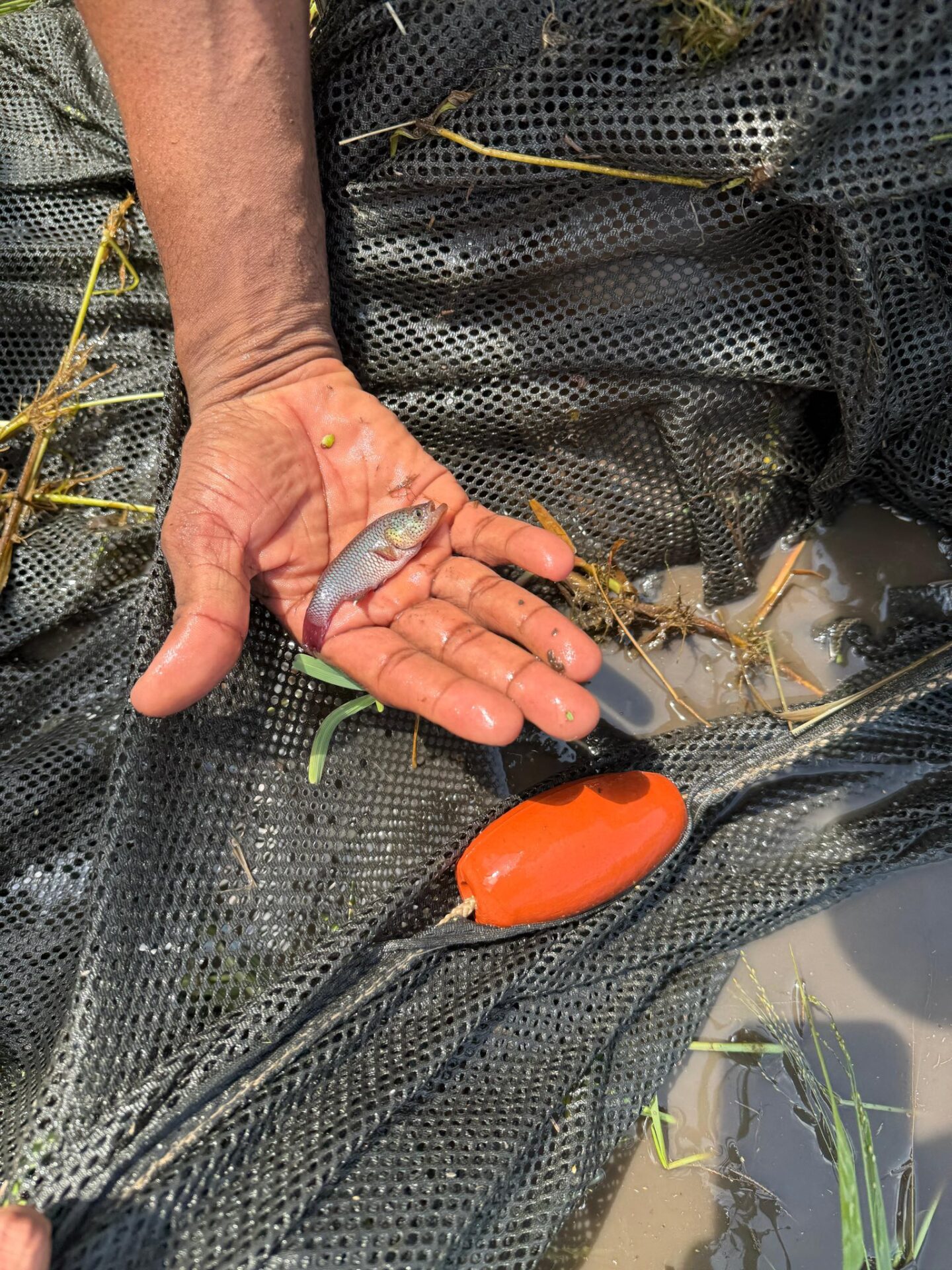
These killifish inhabit seasonal freshwater pools that are not connected to rivers. When the rainy season fills the pans, the fish hatch, grow and begin their short, intense lifecycle. Males are brightly coloured and striking, while females are more silvery.
When the pans dry up, the adult fish die.
Before that happens, they lay eggs that bury into the muddy substrate. Those eggs can survive months of dry conditions, waiting underground until the next rains arrive. Once the pans refill, the eggs hatch and the cycle begins again.
It’s an adaptation perfectly suited to unpredictable rainfall patterns. The fish grow rapidly, mature within weeks, breed, and ensure the next generation is safely tucked away before the water disappears again.
In South Africa, the species is currently assessed as Least Concern. However, seasonal wetlands need protection. Localised impacts like road building and broad insecticide spraying have affected some populations in the past. Because these fish rely on small, isolated pans, damage to those habitats can have an outsized effect.
Related Stories
 They Made It! Young Animal Welfare Volunteers Off to Cape Town
 This Dog Saw Humanity at Its Cruellest – Then Came a Little Girl With R15
The floods in the Kruger brought a massive scale of destruction, but it also brought new signs of life. That’s the magic of a good downpour.

 by
by