


Ever wonder what it’s like to be a detective, biologist, and public health crusader all at the same time? That’s a normal day for Dr Ashley Burke, the University of Pretoria’s newest ‘Mozzie Doc’.
Pretoria, South Africa (20 August 2025) – Dr Burke is bringing much-needed enthusiasm to the ongoing fight against malaria and mosquito-borne diseases. It’s a cause that sits close to our hearts at Good Things Guy.
Ashley’s journey began the day she swapped her student textbooks for field boots and a magnifying glass, venturing into the wild in search of answers. She doesn’t spend her days admiring mosquitoes (that would be mad), but getting to know them inside and out. How they live, what attracts them, and, most importantly, how to stop them from biting us.
“We investigate the lives of disease vectors, not because we admire them, but because understanding them is the key to controlling them,” she explains.
Working at the intersection of human health and insect biology is her biggest passion.
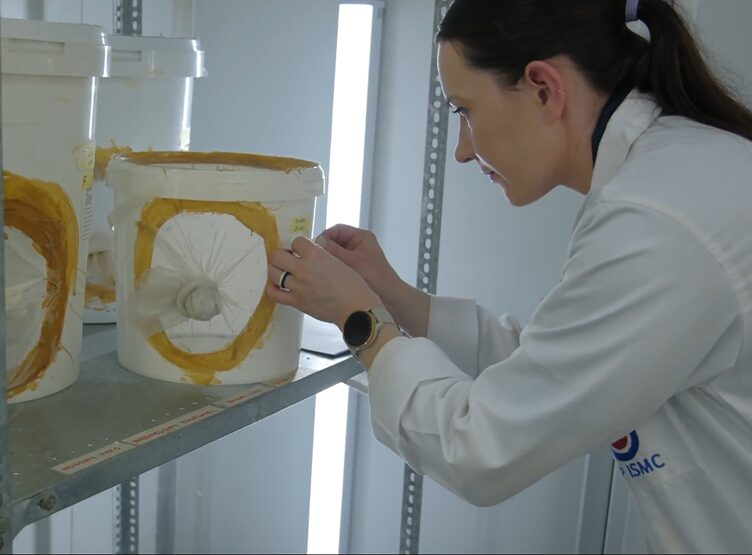
If it sounds like a hectic balancing act, that’s because it is. Some days, Ashley is tracking mosquitoes in the field, catching them as the sun sets, or squelching through muddy marshes looking for larvae. Other days, she’s in the lab, running experiments, testing new tools, and supervising student scientists. She’s a busy woman.
Back to our point. Today is World Mosquito Day. A reminder that mosquitoes are still responsible for hundreds of thousands of deaths every year (700,000, to put a number to it), especially among children in Africa.
Malaria, spread by certain species of mosquito, remains a massive threat.
Stopping mosquitoes means breaking the chain of disease before it starts. That’s why Ashley and her fellow medical entomologists are always one step ahead, developing new tools, testing insecticides, and monitoring how these clever insects adapt and evolve.
“Vaccines and drugs are vital, but many vector-borne diseases have no vaccines at all, and pathogens can develop drug resistance over time. In contrast, stopping the insect vector can break the transmission cycle entirely. A mosquito that can’t bite, can’t transmit malaria,” says Dr Burke.
What makes this work urgent is how quickly mosquitoes can adapt. They change their habits, learn to dodge bed nets, and even develop resistance to our best insecticides.
“Without ongoing research and monitoring, control tools can lose effectiveness in just a few years,” she explains.
It’s a race, and scientists like Dr Burke have to stay ahead.
This is where medical entomology comes in, it’s a science that directly serves the community.
“Every trap set, every resistance assay run, every field survey completed is part of a bigger picture: helping control programmes stay effective, guiding policy decisions and ultimately saving lives,” she says.
 by
by 