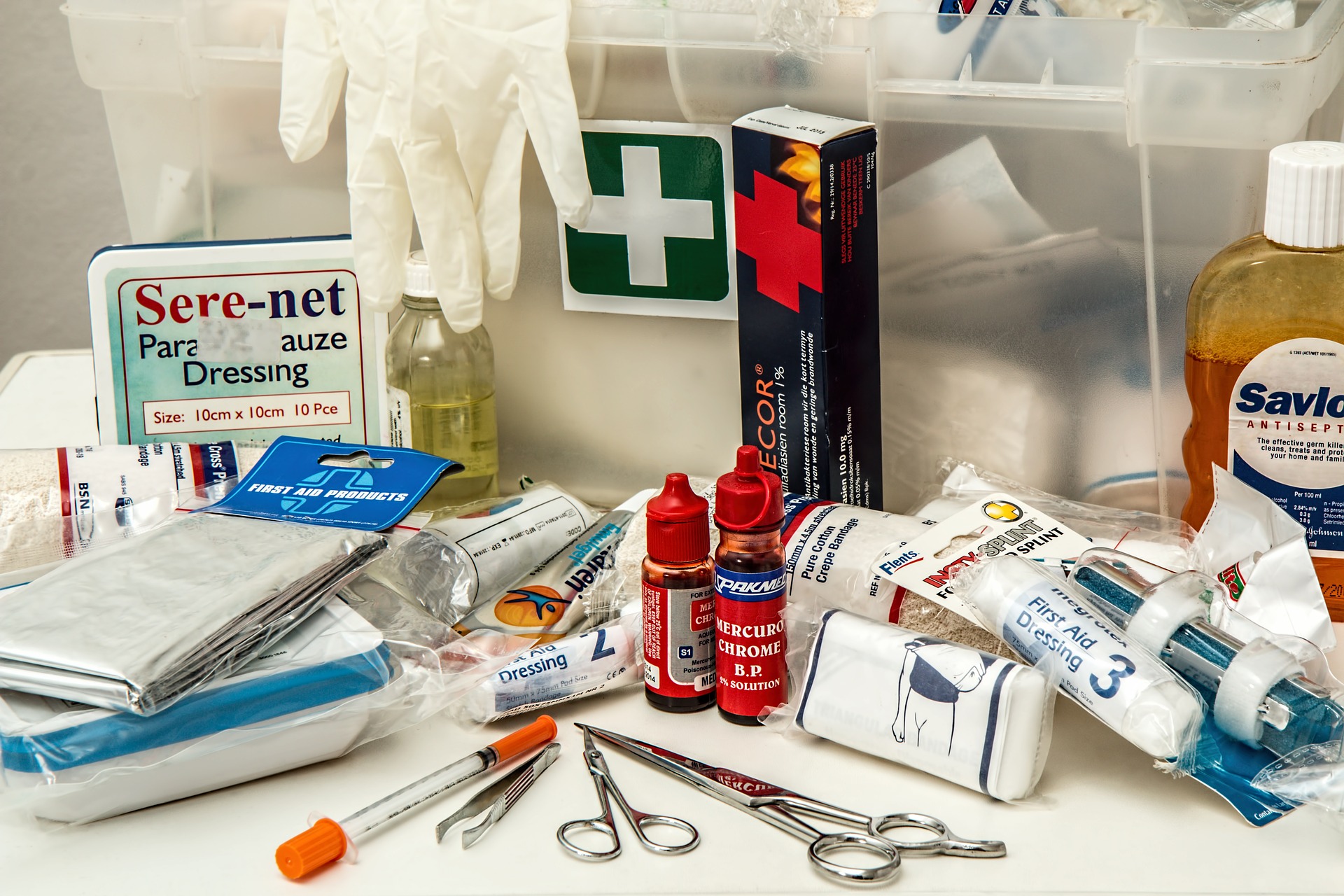
We all prioritise our safety so let’s take a look at what we need in a basic first aid kit to ensure we are covered in case of a medical emergency.
South Africa (21 January 2020) – It’s a new year and time to clear out the old and welcome in the new! The kids are back at school, life is slowly getting back in order and more likely than not, someone made use of the medicine cabinet or first aid kit over the holidays.
With that, it is important to make sure that your home is equipped for basic emergencies. In the spirit starting fresh, we did some cleaning out and found that the first aid kit was lacking a little. The medicine cabinet didn’t look so great either.
This inspired us to share with you the importance of having in-date medical supplies for the home and in your car.
We have shared many stories where people have saved lives all thanks to having a first aid kit in the car. We visited our local pharmacy store and stocked up on the following.
Note: many places will sell basic and full first aid kits, a basic one is all you need in your car. But if you just want to stock up on a few of the essentials, here is the list you need:
- Sterile gauze
- Adhesive, hypoallergenic tape
- Adhesive bandages or plasters in various sizes
- Triangular elastic bandages
- Crepe rolled bandages
- Sterile dressings
- Sterile cotton wool swabs
- Antiseptic wipes
- Tube of antibiotic cream
- Paracetamol tablets and liquid paracetamol
- Rehydration sachets
- Tweezers
- Sharp scissors
- Safety pins in various sizes
- Face cloth
- Thermometer
- A few pairs of latex gloves
- Torch and spare batteries
- List of emergency contact numbers (like the ambulance, family doctor, paediatrician and local hospital) and your medical aid details
- Any extra prescription medication (if you’re going away on holiday)
Aside from the basics listed above we recommend also keeping on hand, an emergency burn dressing, a space blanket and a selection of medicines which includes an antihistamine, antacid and a remedy for tummy aches.
We recommend checking your first aid kit at least once a year to replace any items used or to make sure the medicines in it are within their expiration date.
Lastly, as recommended above, print out a list of emergency contact numbers as well as your medical aid information to keep in the car.
Helpful Emergency Numbers (SA):
- Nationwide Emergency Response – 10111. This number will take you to a call centre which will assist with any emergency at hand and direct the appropriate response team. This number is free from landlines but regular rates are charged from cellphones.
- Cellphone Emergency Number – 112. This number will direct you to an automated menu which you then select your required need. This number allows cellphones without airtime to get assistance.
- Ambulance Response – 10177. This will help in medical emergencies. When making the call, state the emergency plus details of the person(s) injured, exact location (include any landmarks) and your personal details as clearly as possible. This number is also the same for the Fire Brigade.
- Your In Case of Emergency (ICE) – this needs to be someone who isn’t likely to be travelling in the car with you or living with you. This could be a parent, aunt or uncle, sibling or grandparent.
And presto you are ready for any basic emergency in 2020!
 Anonymous Donor Gifts Beach Wheelchair to Help More People Enjoy Surf Therapy!
 Friends of Zoo Lake Take Action After Another Cable Theft
 by
by