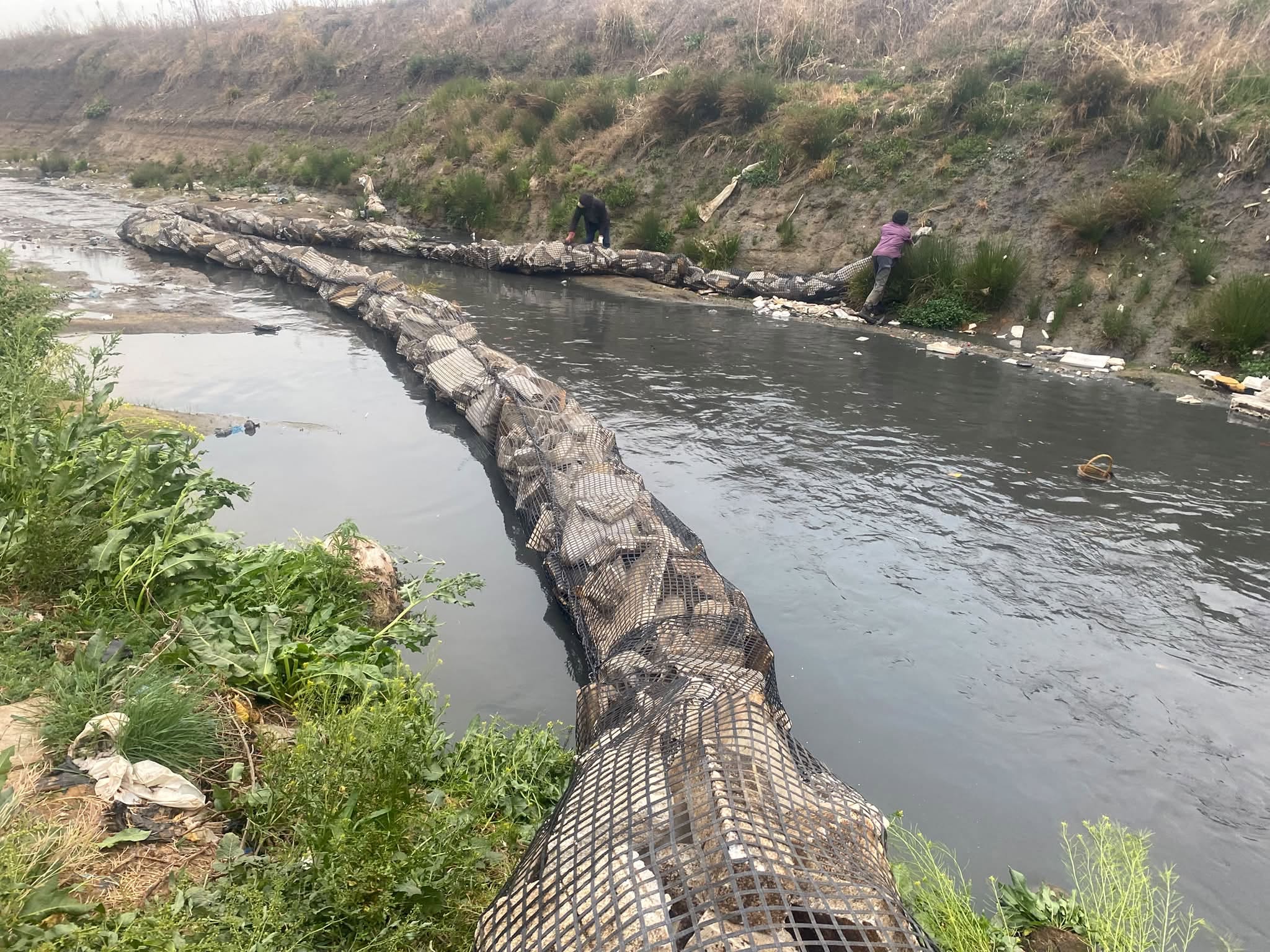
As the rainy season approaches, a giant “poly-snake” has been placed in the Kaalspruit to stop plastic pollution before it can travel into the Hennops River and, ultimately, the wider Limpopo River system.
Kaalspruit, South Africa (08 September 2026) – Hundreds of thousands of pieces of plastic, along with considerable quantities of sewage waste, find their way down the fountain streams of the Witwatersrand every day. These streams form the headwaters of some of South Africa’s largest rivers – but there is a team working on the ground to try to stop this waste from reaching them.
According to the Fountain River Environmental Sanctuary Hennops (Fresh) NGO, these interconnected rivers are heavily polluted at source, while poor waste management allows toxins to spread far beyond the province.
To help prevent another surge of plastic waste from being washed down the Hennops River and beyond, Fresh installed a huge poly-snake (often referred to as a floating boom or containment snake) in the Kaalspruit, which it describes as the most polluted stream in the country.
The Fresh team has already stretched the poly-snake between the high-water marks on both sides of the river. They explained that the snake will rise with floodwaters to catch floating plastics and stop them from moving downstream. Its porous structure will also help filter polluted water flowing from upstream informal areas where there is little or no waste treatment.
“We crafted the snake from large pieces of polystyrene caught in the river, sewn into a strong mesh. A thick cable forms its backbone, while strong steel poles anchor it on both sides of the banks,” the team said.
The poly-snake is 70m long and more than a metre wide, and is also expected to help reduce the severe erosion taking place in the straight canal.
“By slowing down the flooding and encouraging sedimentation, it will help build up the banks again naturally,” the team added.
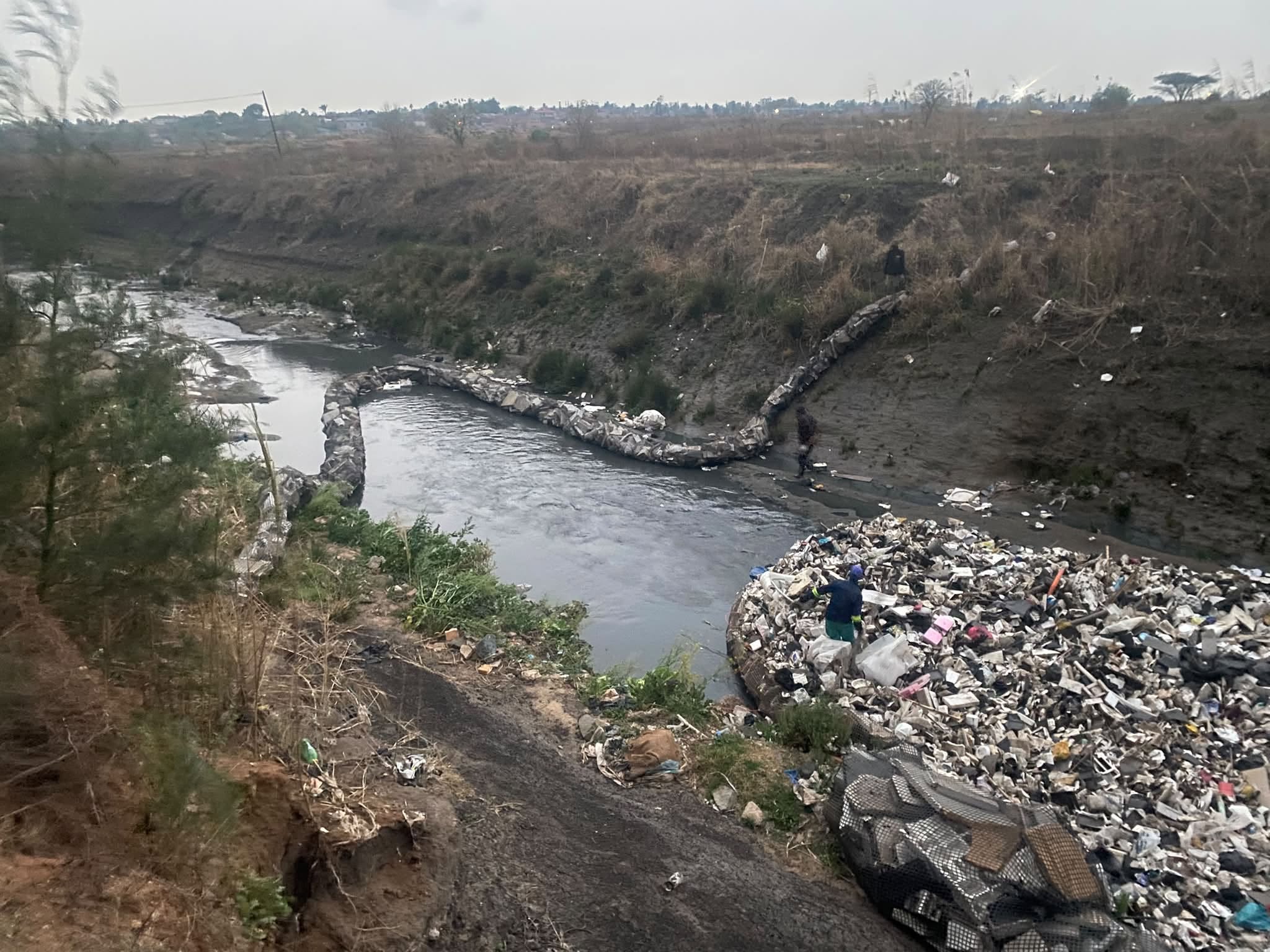
The site is led by Jabulani, who runs a recycling area for salvageable waste collected from the river and traps set by Fresh.
“The bulk of the waste is unfortunately polystyrene, which is not being recycled in our country and has zero value. Huge quantities enter our freshwaters, where it slowly breaks down into microplastics, releasing toxic chemicals used in its manufacture and permanently poisoning our water systems,” the organisation said.
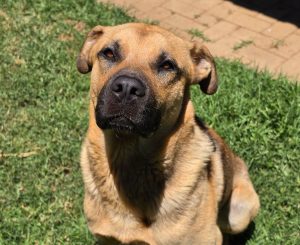
 Rescue Dog Basson Is Ready to Find His Forever Home
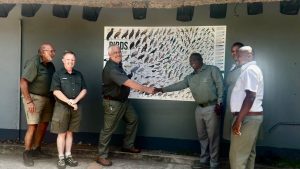
 Honorary Rangers Donate Detailed Bird Posters at Two Kruger Spots
The organisation’s river litter traps, installed just a few days ago, have already collected large amounts of waste. Fresh is also working on creating another trap as part of its broader effort to restore and protect river systems and the life they support.
Fresh further encourages the community and the wider public to dispose of waste responsibly and to consider sustainable alternative materials wherever possible.
Sources: Fresh NGO
Don’t ever miss the Good Things. Download the Good Things Guy App now on Apple or Google.
Do you have something to add to this story? Please share it in the comments or follow GoodThingsGuy on Facebook and Twitter to keep up to date with good news as it happens, or share your good news with us by clicking here or click the link below to listen to the Good Things Guy Podcast with Brent Lindeque – South Africa’s very own Good Things Guy. He’s on a mission to change what the world pays attention to, and he truly believes there’s good news around us. In the Good Things Guy podcast, you’ll meet these everyday heroes and hear their incredible stories:
Or catch an episode of Good Things with Brent Lindeque or our Weekly Top 5 below. The videos here are always changing, updated with the latest episodes from these two shows. Both are part of Good Things TV, created to bring South Africans balance at a time when the news can feel overwhelmingly negative. Our goal is simple: to remind you that there are still so many good things happening in our country – and to leave you feeling a little more proudly South African.
 by