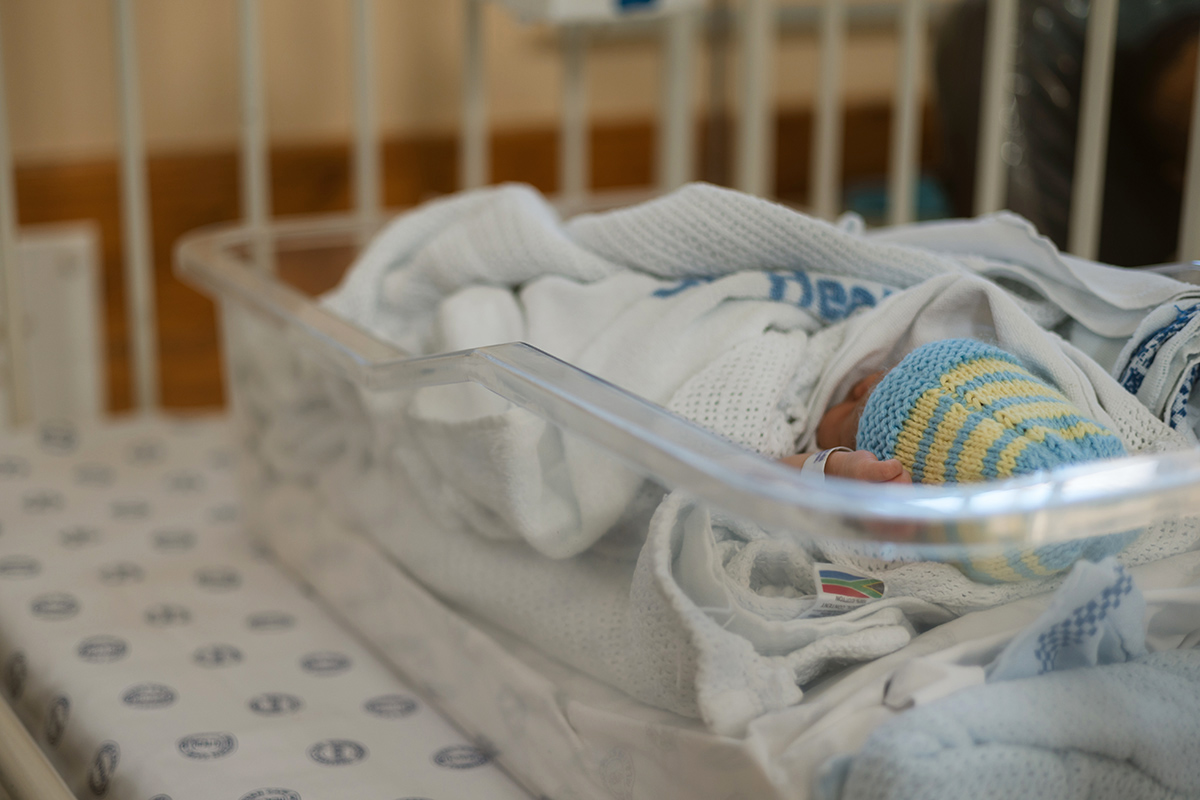
In the maternity wards of Cape Town’s public hospitals, some newborns never go home. At New Somerset Hospital, compassionate volunteers are stepping in to bridge that gap by bringing gentle warmth and comfort to these little ones through cuddle therapy.
Cape Town, South Africa (17 September 2026) – In the maternity wards of Cape Town’s public hospitals, some newborns never go home. Within the system, these infants become known as ‘social case babies’ – too small to speak for themselves, and without anyone to sign them out.
What follows is a limbo period waiting in a hospital cot while social workers begin the slow process toward foster care or adoption.
At New Somerset Hospital in Cape Town, this reality has given rise to cuddle therapy: a transitional neonatal care programme providing a safe, nurturing environment where dedicated volunteers support newborns awaiting placement.
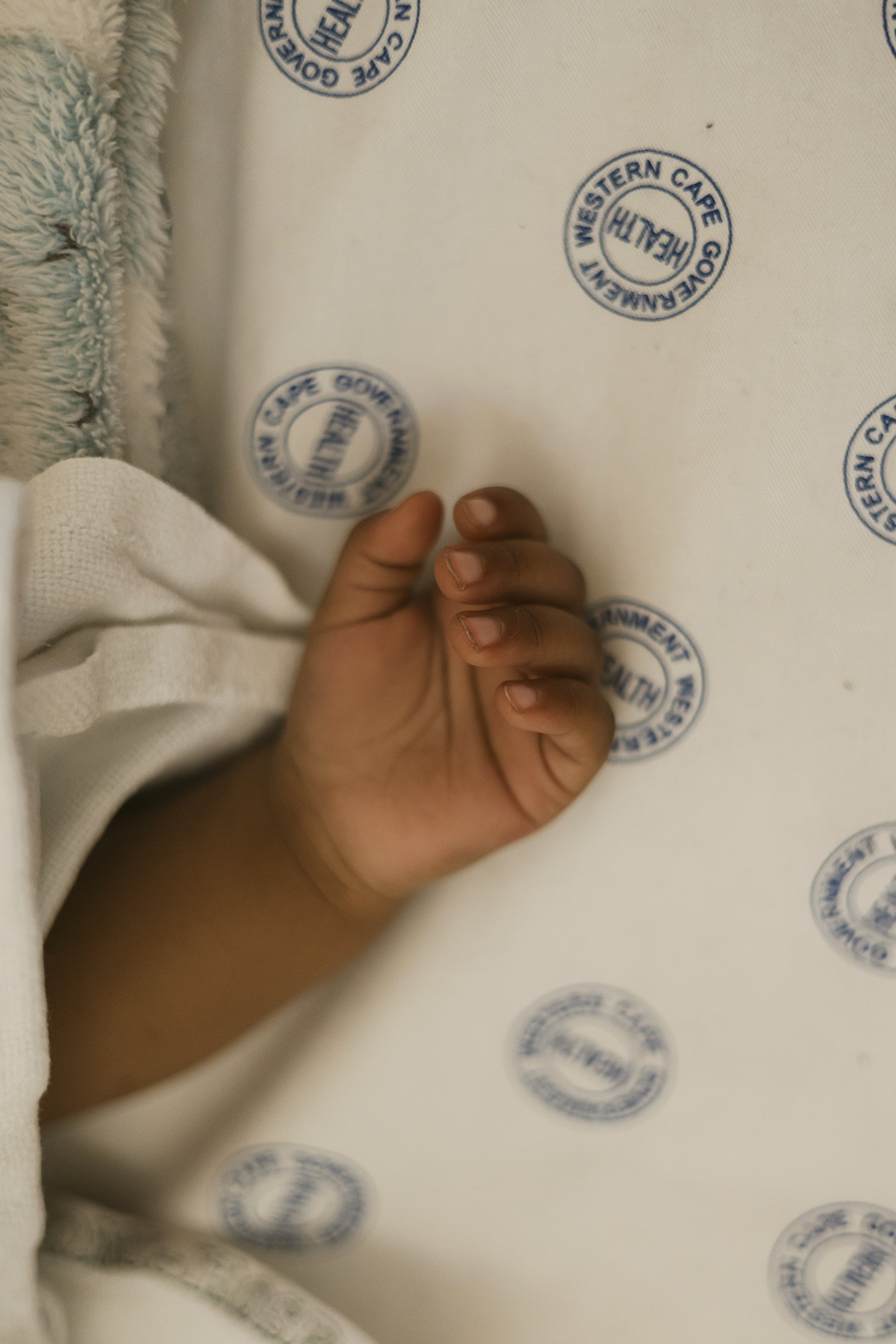
It’s a small but critical intervention, as babies who lack consistent human touch and stimulation are at risk of delayed development. So, for these newborns with no parent present, volunteers help fill the gap during this formative, fragile stage of life.
Working alongside Dr Phumza Nongena, Head of Department for Paediatrics, Kristin Swanepoel oversees the programme.
“This project has only just begun, and we are looking to grow it so that we can assist more babies and support the hospital where there is a need,” Nongena shares.
“Abandonment is a complex and heart-wrenching situation that needs grace and kindness shown towards both the children and their families. Cuddle therapy is in the middle of the worst situation these babies and their mothers will ever go through.”
Research done in 2010 by Child Welfare SA and the National Adoption Coalition of South Africa estimated that some 3,500 babies are abandoned across the country every year. This is a figure that is still widely cited today because no comprehensive tracking system has replaced it. Experts say the true number is likely far higher, as many cases go unreported.
Meeting abandonment with love, dignity, safety and care
As such, New Somerset is just one of many public hospitals quietly shouldering the burden of this crisis.
Related Stories
 Team South Africa Makes Perfect Start at Chess Olympiad
 Kungwini Welfare Organisation, Where Every Resident Feels Truly Valued
“The nursing staff work incredibly hard to care for these babies, but with the number of children needing care, they need additional assistance. Newborns need around-the-clock care to support healthy development,” says Kristin, a member of New Somerset’s Facility Board.
“These babies come into the hospital having experienced rejection, and you can sometimes see this in how they hold themselves. They can be very stiff and clam up into a foetal position. Helping them to come out of that position takes time, patience, talking to them, and feeding them on demand. It is about showing them that when they need someone, someone will come.”
Kristin has been involved with the hospital and volunteering with babies in need of care for several years. Cuddle therapy has grown out of that experience.
“The infants need love, care and support; whilst the mothers don’t need judgement – they’re already judging themselves. So, the whole point of cuddle therapy is literally, hope received, hope given,” she explains.
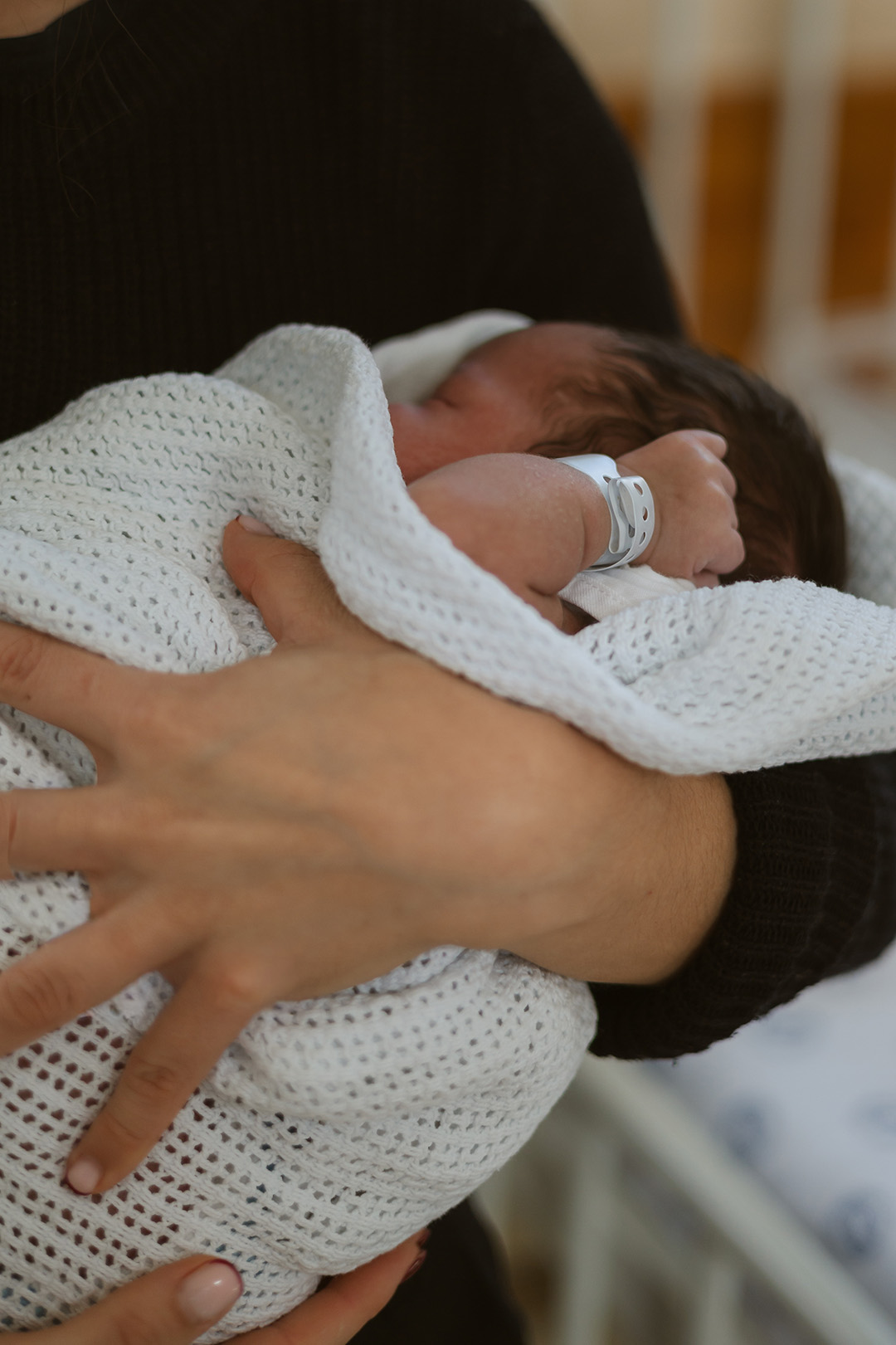
Kristin adds that she has noticed that infants – from babies who were only five days old to babies around three months old – don’t cry often.
“It has made me think deeply about what happens when a baby repeatedly needs something, and there isn’t always someone available to respond. I have learnt that social case babies know more than we think; and deep down, with the loss of their mother, they know that they are on their own. In turn, responding is a stress response of rejection.”
“That is why human touch at this time is incredibly important, as gentle, responsive contact can support neurological development, emotional regulation, and the baby’s ability to feel safe and settled. It also plays a role in helping a baby’s nervous system move from stress towards calm,” Kirsten shares, explaining the significance of cuddle therapy.
Roughly, babies can remain in hospital for around 30 to 60 days, but how long babies remain in hospital before a permanent caregiver is found, or moved elsewhere, depends on the circumstances surrounding each baby.
Kristin believes in the value of a life and having empathy for little people who experience a hardship they never asked for.
“Babies who know how to receive love, care and kindness from the very beginning can grow up knowing that they are worthy of love and that they matter. My hope is that they will grow up wanting the best life for themselves and for the people around them.”
Cuddle therapy is about meeting these babies in an incredibly vulnerable season of their lives and making sure that, even in the midst of a difficult beginning, they experience love, dignity, safety and care.
To support the project, or donate baby products, picture books, Milton, nappies, or clothes, email [email protected]
Sources: Supplied
Don’t ever miss the Good Things. Download the Good Things Guy App now on Apple or Google.
Do you have something to add to this story? Please share it in the comments or follow GoodThingsGuy on Facebook and Twitter to keep up to date with good news as it happens, or share your good news with us by clicking here or click the link below to listen to the Good Things Guy Podcast with Brent Lindeque – South Africa’s very own Good Things Guy. He’s on a mission to change what the world pays attention to, and he truly believes there’s good news around us. In the Good Things Guy podcast, you’ll meet these everyday heroes and hear their incredible stories:
Or catch an episode of Good Things with Brent Lindeque or our Weekly Top 5 below. The videos here are always changing, updated with the latest episodes from these two shows. Both are part of Good Things TV, created to bring South Africans balance at a time when the news can feel overwhelmingly negative. Our goal is simple: to remind you that there are still so many good things happening in our country – and to leave you feeling a little more proudly South African.
 by
by