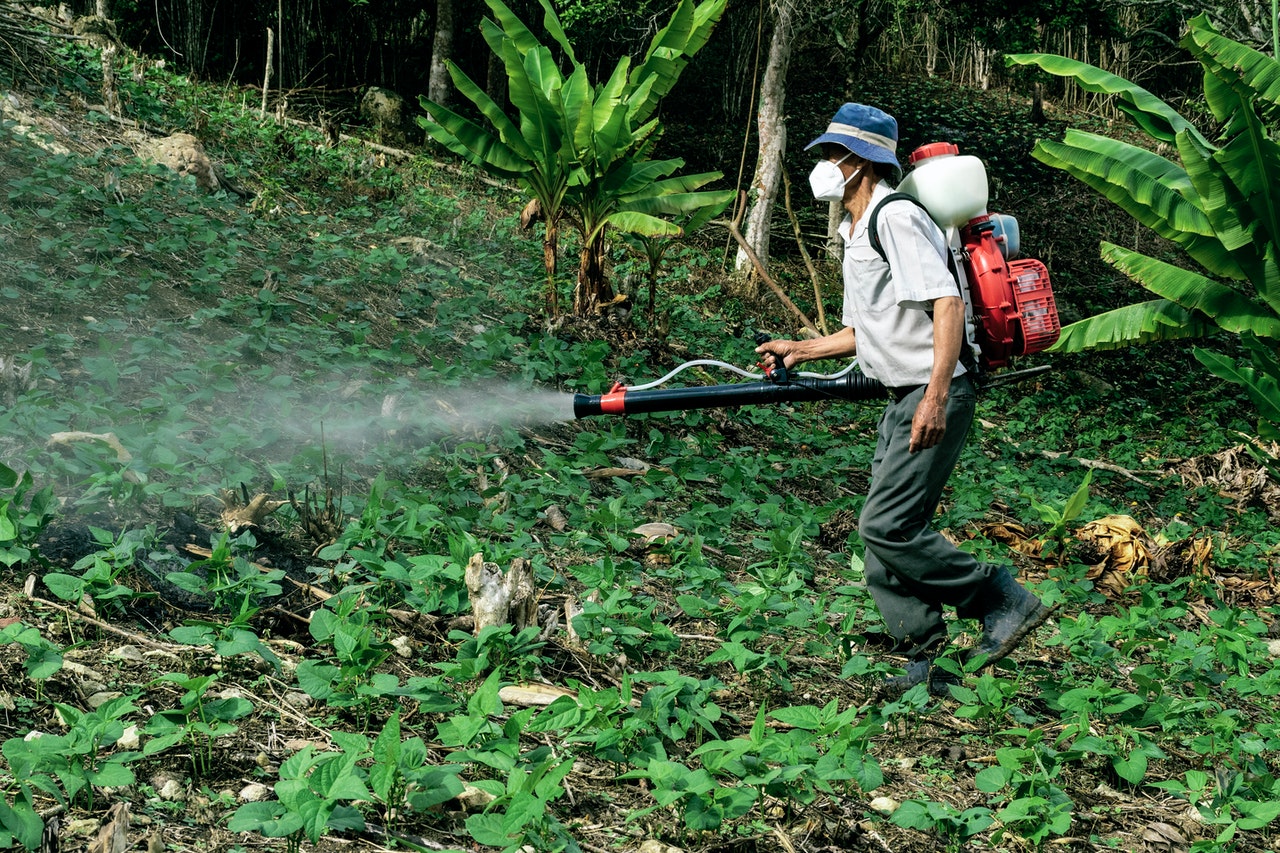
The Noordhoek Environmental Action Group are getting serious about saving our planet, tackling one environmental cause at a time; now we look at harmful herbicides and their effects on wildlife.
Noordhoek, South Africa (18 May 2021) – Recent reports on the impacts of the herbicide Roundup (its primary active ingredient is glyphosate) show empirical scientific evidence that these products are harmful to the environment, humans, animals, fish and insects.
The Noordhoek Environmental Action Group (NEAG) is calling on the City of Cape Town to stop using glyphosate products, like Roundup, on road verges and other park areas, especially when these drain into wetlands water bodies or other natural areas.
Glenn Ashton, who has more than two decades experience in examining evaluations of these chemicals, compiled a comprehensive report on behalf of NEAG, which has been fully supported by the Noordhoek Ratepayers Association. It summarises numerous published scientific research papers on glyphosate’s impacts on various animals, insects, fish and humans. He says there is an enormous amount of independent, peer-reviewed evidence proving that the use of glyphosate products, like Roundup, impose many dangers to humans, animals and the environment.
Studies quoted in this report show that glyphosate has genotoxic effects on humans, fish, insects and mammals.
“This means that it is capable of producing DNA-damaging activity in people and may cause chromosomal changes to cells in vivo (living) and in vitro (in the laboratory),” says Ashton. “These effects may even be intergenerational, meaning they may affect children and grandchildren. For example, it has been shown grandchildren of women exposed to DDT are at increased risk of breast cancer,” he says. Papers summarised in the report state that Roundup has also been shown to be genotoxic to fish eggs, tadpoles, fish, reptiles and mammals (in vivo and in vitro). The US Environmental Protection Agency has recently stated that Roundup is likely to injure or kill 93% of the plants and animals protected under the Endangered Species Act, says Ashton.
Evidence summarised in the report also shows that glyphosate products, like RoundUp, negatively affects human gut bacteria.
Ashton says, “Glyphosate elevates the risk of an increase, or overgrowth of, bad pathogenic bacteria in the gut. Healthy gut bacteria are essential to overall metabolic health. Poor gut microbial health has firm links to depression, mental illness, brain function and nutritional uptake.”
Another paper quoted in the report shows how Roundup exposure with bees also alters their gut bacterial balance, increasing susceptibility to infection. These impacts of Roundup on the bee gut may link this chemical to the current decline of bee colonies.
Roundup is also a declared as probably carcinogenic in humans by the UN-based International Agency for Research on Cancer (IARC). Despite this overwhelming evidence, Roundup is the most extensively used pesticide globally. Its manufacturer Bayer has lost several court cases in the USA and has offered to settle 125 000 cancer-related lawsuits for over $10bn, says Ashton.
Related Stories
 CapeNature Shares A Simple Reminder This World Rabies Day: Give Cape Fur Seals Their Space
 AfriPaw’s Youngest Supporter Little Anna Bakes Up a Storm for Animals in Need
According to Dr Andrea Marais of NEAG, Felicity Purchase, the ward councillor, has said that there is an exclusion in place to ensure that glyphosate is not used in Noordhoek Kommetjie, and Clovelly. This is due to its negative effects on endangered aquatic species like the Western Leopard Toad and because horses eat the grass on the verges. However, Marais says that they could not find any such exclusion in the contractor’s contract and believes the contractor still uses products that contain glyphosate in these areas.
Marais says, “We want to see firm confirmation of policy changes around the use of this dangerous chemical on our verges and around natural areas. In fact, it should not be sprayed anywhere in the city of Cape Town.”
 by
by