A community-driven mussel reseeding project is bringing together local knowledge, conservation action and scientific monitoring to help restore coastal resources that support both people and marine life in northern KwaZulu-Natal.
KwaZulu-Natal, South Africa (21 August 2026) – While northern KwaZulu-Natal is known for its rich Zulu heritage, historic battlefields and world-class wildlife reserves, many may not realise that, for generations, its coastal communities have also relied on brown mussels for food and livelihoods.
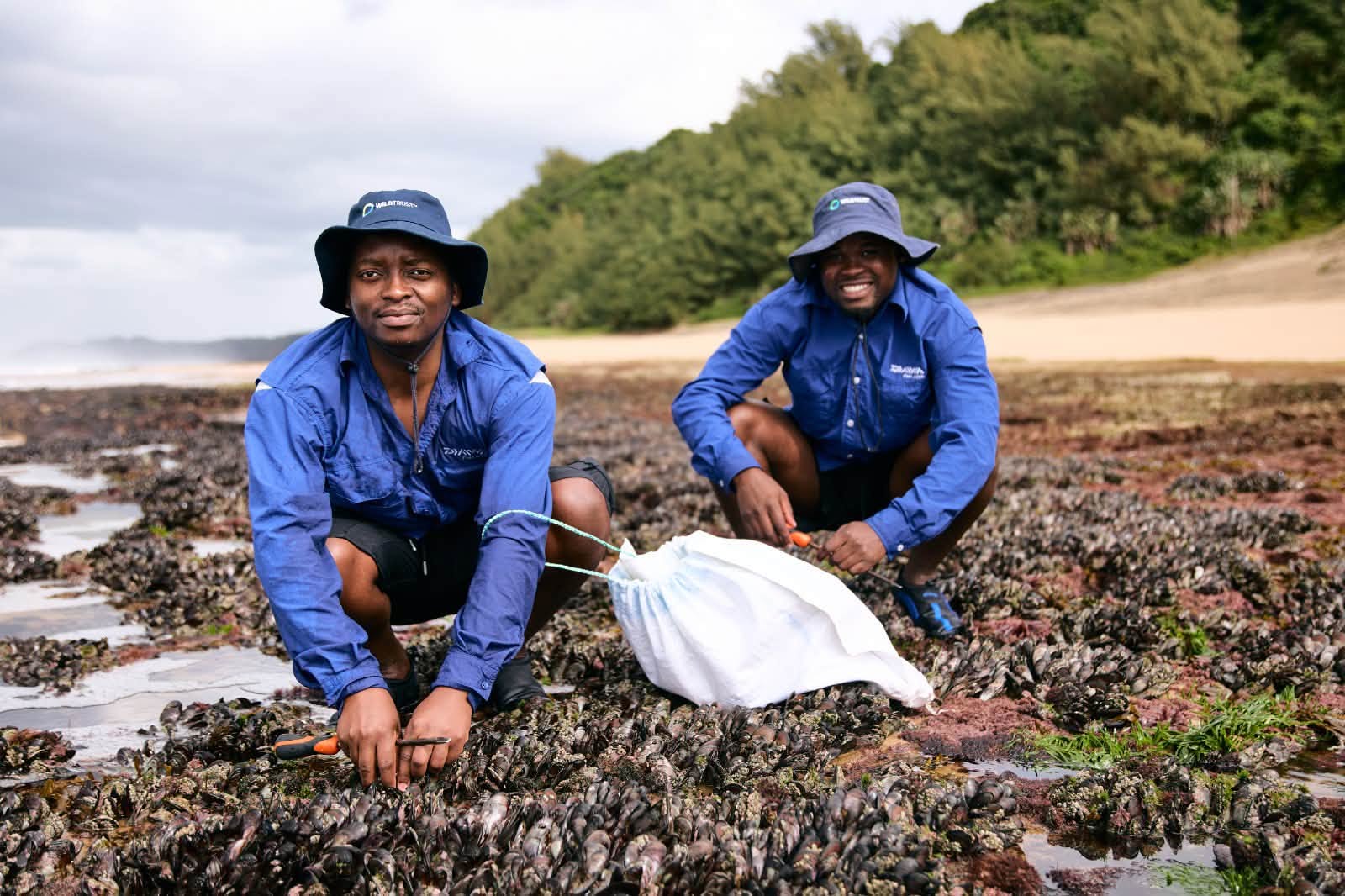
For years, families have waded into the surf at low tide, scraping the dark shells off the rocks to put a hot meal on the table and make ends meet.
Over time, however, observations and monitoring data have indicated a concerning decline in mussel availability and harvesting activity.
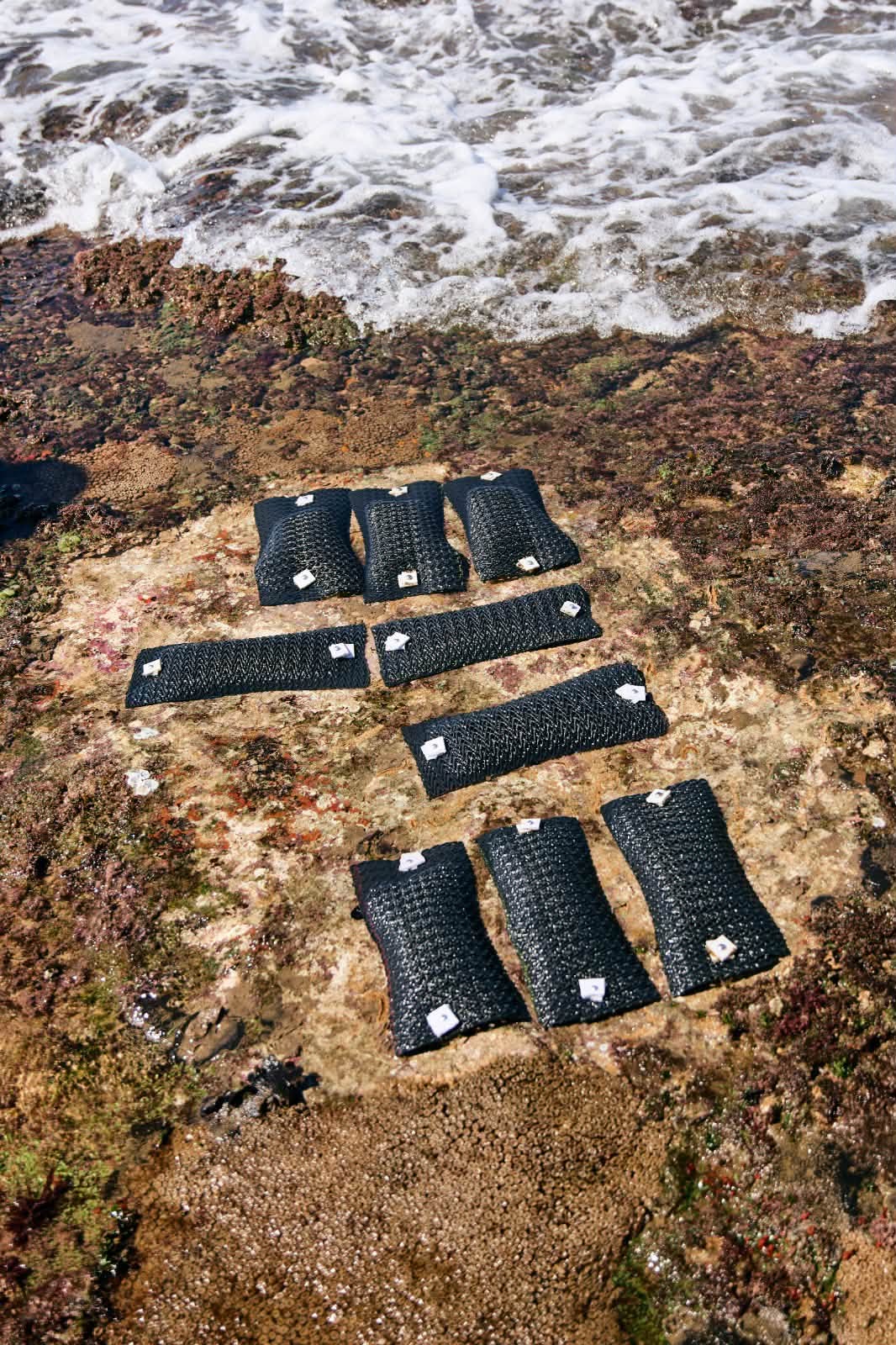
To address this, the Small-Scale Fishers (SSF) and Marine Protected Areas (MPAs) Project by Wildoceanssa has launched a participatory mussel reseeding experiment with local harvesters from KwaDapha and eNkovukeni.
“Building on lessons from earlier reseeding work with the KwaSokhulu community, healthy mussel stocks from KwaSokhulu are being used as a donor source to help restore mussel populations in areas where they have declined,” Wildoceanssa said.
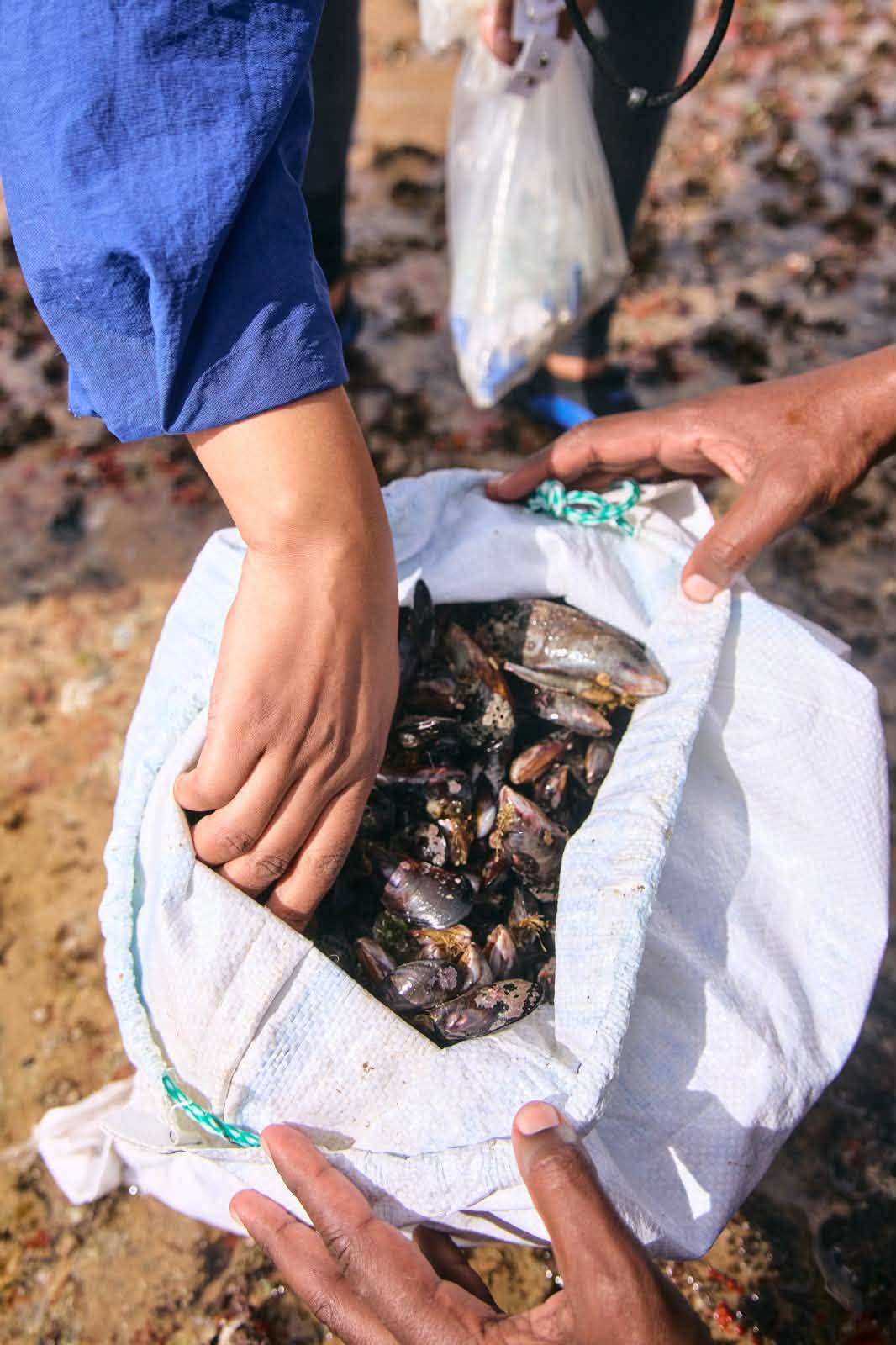
The reseeding is now underway, with mussels deployed across selected sites at KwaDapha and eNkovukeni. The next phase will monitor their survival, retention and growth.
“The results will help us understand what works and what doesn’t as we explore approaches to community-led mussel restoration and sustainable management,” the organisation continued.
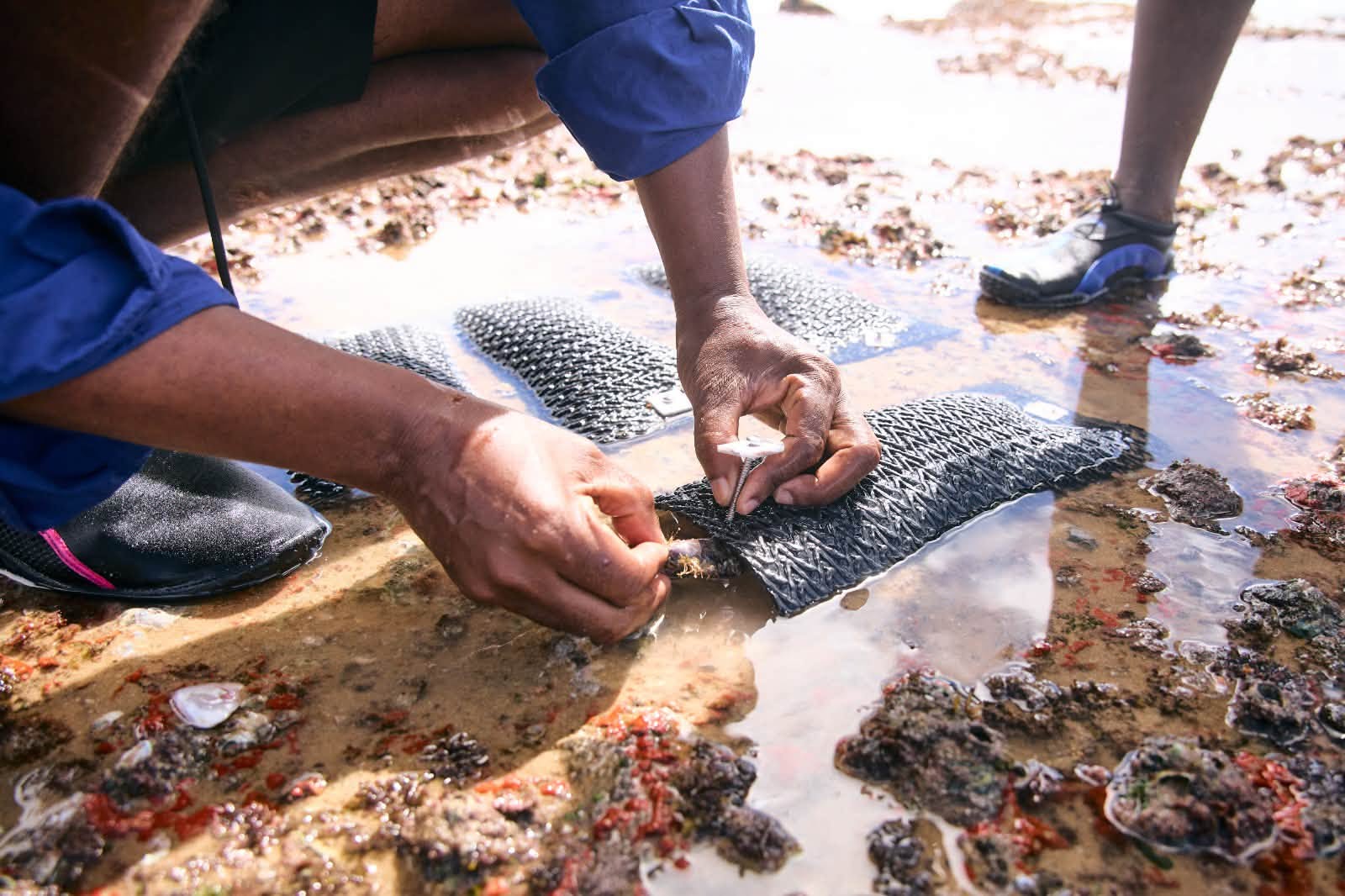
The intervention is important for both these communities and the environment. Because while mussels are a source of food, they are also ecosystem engineers: filtering seawater, creating habitat and shelter for other marine life, and supporting biodiversity along rocky shores.
Wildoceanssa notes that, by bringing together local knowledge, community participation and ecological monitoring, the experiment will help build practical evidence for how coastal resources can be restored and managed alongside the communities that depend on them.
Related Stories
 These Surprising Leopards of South Africa Also Deserve Some Love!
 Dogs Found Safe But Hijacked Vehicle Still Missing – SPCA Still Needs Eyes and Ears!
 The initiative is made possible through the support of the Blue Action Fund, ICONIQ Impact: Ocean Co-Lab and Oceans 5.
Sources: Wildoceans
Don’t ever miss the Good Things. Download the Good Things Guy App now on Apple or Google.
Do you have something to add to this story? Please share it in the comments or follow GoodThingsGuy on Facebook and Twitter to keep up to date with good news as it happens, or share your good news with us by clicking here or click the link below to listen to the Good Things Guy Podcast with Brent Lindeque – South Africa’s very own Good Things Guy. He’s on a mission to change what the world pays attention to, and he truly believes there’s good news around us. In the Good Things Guy podcast, you’ll meet these everyday heroes and hear their incredible stories:
Or catch an episode of Good Things with Brent Lindeque or our Weekly Top 5 below. The videos here are always changing, updated with the latest episodes from these two shows. Both are part of Good Things TV, created to bring South Africans balance at a time when the news can feel overwhelmingly negative. Our goal is simple: to remind you that there are still so many good things happening in our country – and to leave you feeling a little more proudly South African.
 by
by