You might think your eyesight is perfectly fine; however, that is exactly the assumption that costs thousands of South Africans their vision every single year.
South Africa (11 March 2026) – One of the leading causes of preventable blindness, Glaucoma, is a group of eye conditions that damage the optic nerve. Interestingly, many South Africans are unaware they have the condition until it’s too late.
This is according to Dr Marissa Willemse, specialist ophthalmologist and President of the South African Glaucoma Society (SAGS), who says the consequences go far beyond blurred vision or blind spots.
World Glaucoma Week runs from 8-14 March, and stats indicate that only 1 in 20 people know they are affected, and 50% will be blind in one eye by the time they seek an ophthalmologist for the first time.
Dr Willemse says Glaucoma can quietly undermine independence, affecting work, mobility and mental health long before a person realises there is a problem.
“Glaucoma is more than just a disease of the eyes,” Dr Willemse says.
“Vision loss from glaucoma often starts in the periphery, creating gaps in vision that go unnoticed until they interfere with everyday activities. Even early vision loss can impact the simple routines of daily life: driving safely, reading, using digital devices, cooking or navigating unfamiliar spaces. It can also take a toll on mental well-being, leading to anxiety, depression and social isolation.”
At its worst, vision loss can have devastating social, personal and economic impact, often leading to unemployment, loss of income and lowered standards of living.
That is why healthcare specialists stress the importance of early detection of Glaucoma (including screening, diagnosis, and treatment) to improve the chances of preventing vision loss and blindness.
Despite being treatable, the major challenges faced include lack of awareness, late diagnosis, poor follow-up visits and low compliance with treatment plans.
Related Stories
 SPAR Women’s Challenge Funds Turned Into GBV Prevention Programme
 Street Lines 2026 Showcases the Best of South African Skateboarding
“In South Africa, efforts are being made to improve access to eye care services, particularly in underserved communities where the burden of glaucoma may be higher.”
Who Is Most at Risk?
Dr Willemse says that there are certain risk factors for developing glaucoma and that regular eye examinations with an ophthalmologist are crucial in detecting glaucoma early, as the condition often does not cause noticeable symptoms until it has already caused vision loss.
The risk factors include age (particularly in individuals over 60), family history of glaucoma, race or ethnicity, high intraocular pressure, thin central corneal thickness, near-sightedness, previous eye injuries or surgeries, as well as certain medical conditions, such as diabetes, hypertension, and cardiovascular disease, can increase the risk.
Symptoms
Often termed the “silent thief of sight,” Glaucoma exhibits no noticeable symptoms in its early stages. With progression over time, certain warning signs will appear, which should not be ignored.
Dr Willemse says it’s important to note that some of these symptoms can also be caused by other eye conditions, necessitating a thorough eye examination to find the root cause and decide on the appropriate treatment options.
Gradual loss of peripheral vision is a common symptom. The condition often affects peripheral vision first, leading to tunnel vision or, more often, blind spots in the side or corners of the visual field. Patients are often only diagnosed after failing their driver’s licence renewal test.
Other warning signs include blurred vision, halos around lights, eye pain or redness, nausea or vomiting.
Screening for Glaucoma
It is recommended that any person under the age of 40 years undergo screening every 2-4 years, between 40 and 60 years of age every 2-3 years and over 60, yearly.
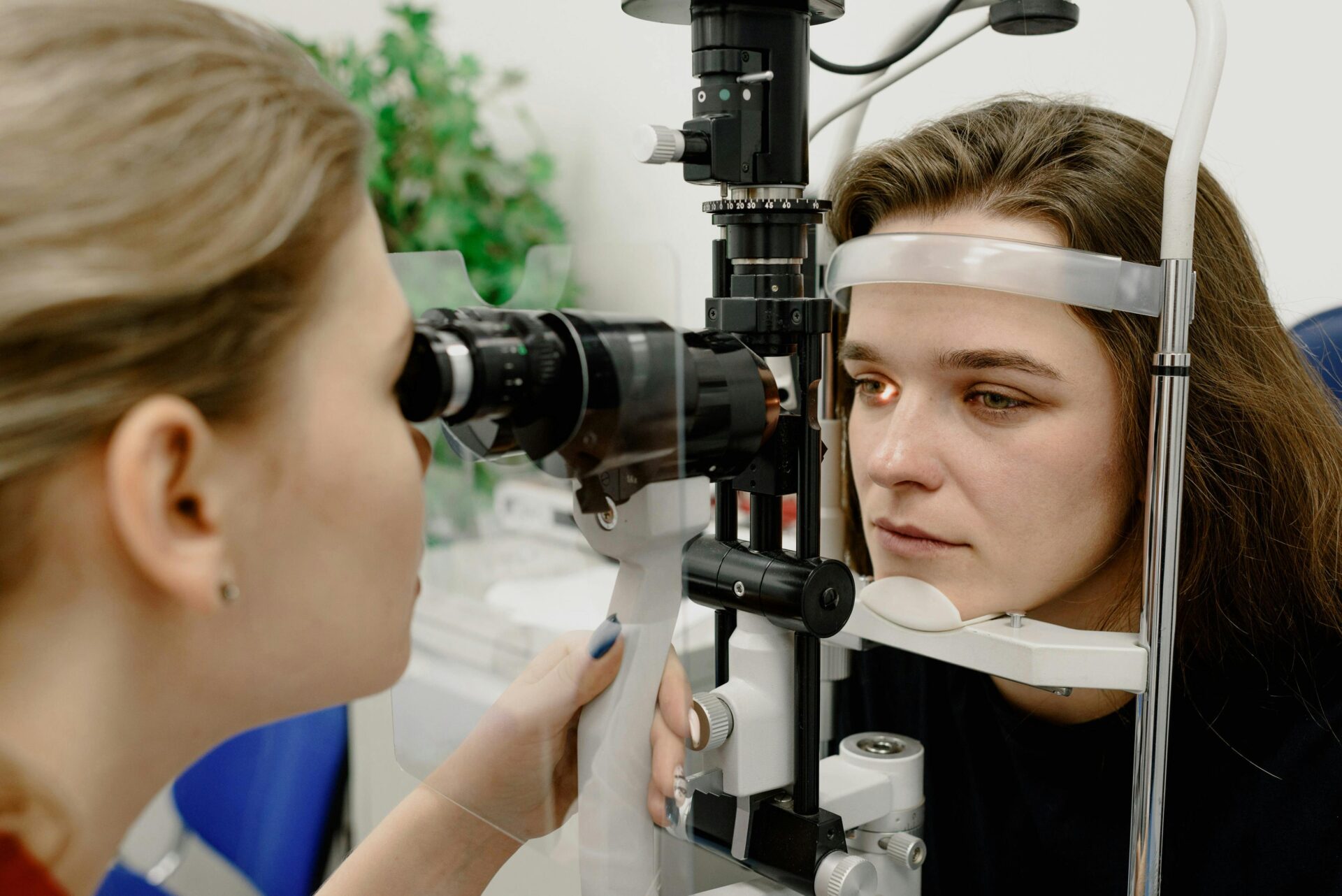
Screening for glaucoma typically involves a comprehensive eye exam that includes several tests to assess the health of the eye and detect any signs of glaucoma.
Treatment Options
“Once the screening has been completed, the ophthalmologist will establish an individual treatment plan for each patient with glaucoma,” Dr Willemse explains.
“It is essential that the patient adheres to the plan and attends regular follow-up appointments to monitor their eye health and ensure that the condition is well-managed. We cannot stress enough how early detection and treatment of glaucoma is essential for preserving vision and preventing vision loss.”
The main aim of treatment is to lower the intraocular pressure and prevent further damage to the optic nerve.
Eye drops are often prescribed to lower intraocular pressure in glaucoma and can be used chronically to prevent the build-up of pressure. Laser therapy may be used to improve the drainage of fluid from the eye and lower intraocular pressure, and in some cases, where medications and laser therapy are not effective, surgical procedures may be recommended.
Dr Willemse raises the importance of awareness, urging regular eye exams, early detection, and appropriate treatment for effective glaucoma management. Accessing support networks and resources is essential for those living with glaucoma and their families in navigating treatment and care.
Sources: Supplied
Don’t ever miss the Good Things. Download the Good Things Guy App now on Apple or Google.
Do you have something to add to this story? Please share it in the comments or follow GoodThingsGuy on Facebook and Twitter to keep up to date with good news as it happens, or share your good news with us by clicking here or click the link below to listen to the Good Things Guy Podcast with Brent Lindeque – South Africa’s very own Good Things Guy. He’s on a mission to change what the world pays attention to, and he truly believes there’s good news around us. In the Good Things Guy podcast, you’ll meet these everyday heroes and hear their incredible stories:
Or catch an episode of Good Things with Brent Lindeque or our Weekly Top 5 below. The videos here are always changing, updated with the latest episodes from these two shows. Both are part of Good Things TV, created to bring South Africans balance at a time when the news can feel overwhelmingly negative. Our goal is simple: to remind you that there are still so many good things happening in our country – and to leave you feeling a little more proudly South African.
 by
by