


One of the greatest acts of humanity is being there for someone at the end of their life. This Hospice Week celebrates the South Africans who do that, and shines a light on the greater need for everyone to have access to that kind of care.
South Africa (04 May 2026) – Every year, more than 40,000 South Africans receive palliative care. This support helps people with life-limiting illnesses live with dignity, manage their pain, and not face the end alone.
This week, Hospice Week, which runs from May 4 to 10, exists partly to celebrate the people doing this work, and partly to shine a light on how many South Africans are still being left out.
To understand the broad spectrum of needs that palliative care addresses, we need to know the stories that shape it.
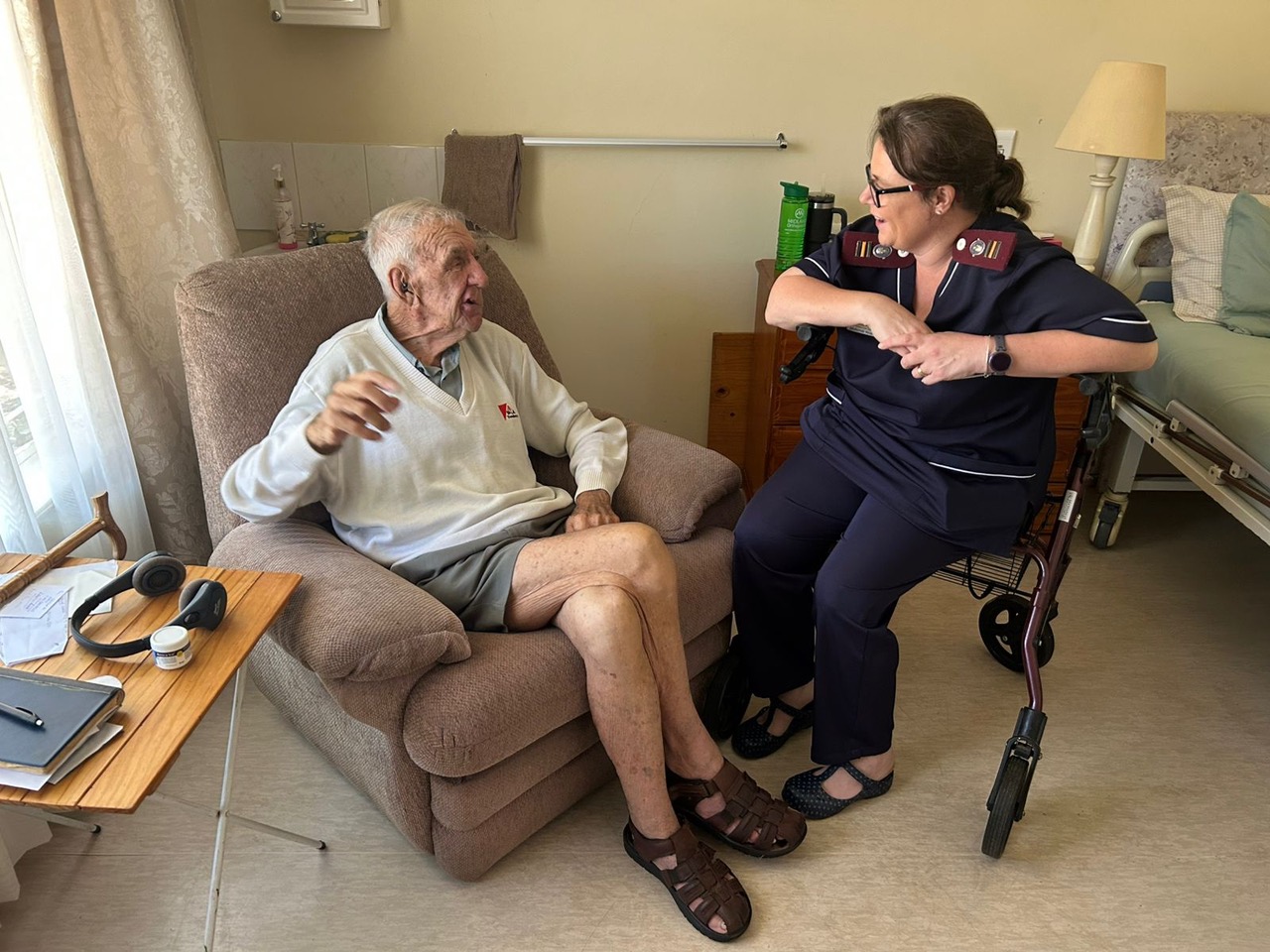
When Nonthobeka was discharged from the hospital in November 2021, she went home to an RDP house on the Garden Route with two daughters, no income, and a life-limiting illness. Her middle child was writing matric. Her 14-year-old stayed home to look after her. They were surviving on two child-support grants, and often there was little to no food in the house.
Knysna Sedgefield Hospice found out about her situation and stepped in with food parcels, a clinical team, and a care plan to manage her pain and symptoms. When Nonthobeka passed away, the hospice kept caring for the youngest daughter, engaged with her school, and connected her older sister with extra lessons so she could rewrite her matric. That sister also found work at a local grocery store.
Before she died, Nonthobeka said: “I thought I was just going to die and then Knysna Sedgefield Hospice came and I lived to see my children’s happiness.”
Ken from Mpumalanga didn’t want to die in a hospital, so his family contacted Hospice White River, whose staff sourced a hospital bed, walkers, bedpans, and a syringe driver for his morphine. When that device stopped working, they drove around Nelspruit in the early hours of the morning until they found a replacement. His wife says she wouldn’t have made it through without them.
“I did not expect the level of help and care. Sister Elsa and Debbie arrived at our house and went on over the next months to become an absolute pillar of strength for our family. They became family,” Ken’s wife says. “They also came to our house – sometimes twice a day – to chat with Ken and I, help me change sheets and bathe Ken, turn him, and keep his pressure wounds clean. These are all monumental challenges that face a family looking after their loved one at home, especially when one is frozen with anxiety and sadness.”
These two stories sit at total opposite ends of the spectrum, but the golden thread that runs through each is that both families were affected. Still, sadly, millions aren’t in South Africa.
Related Stories
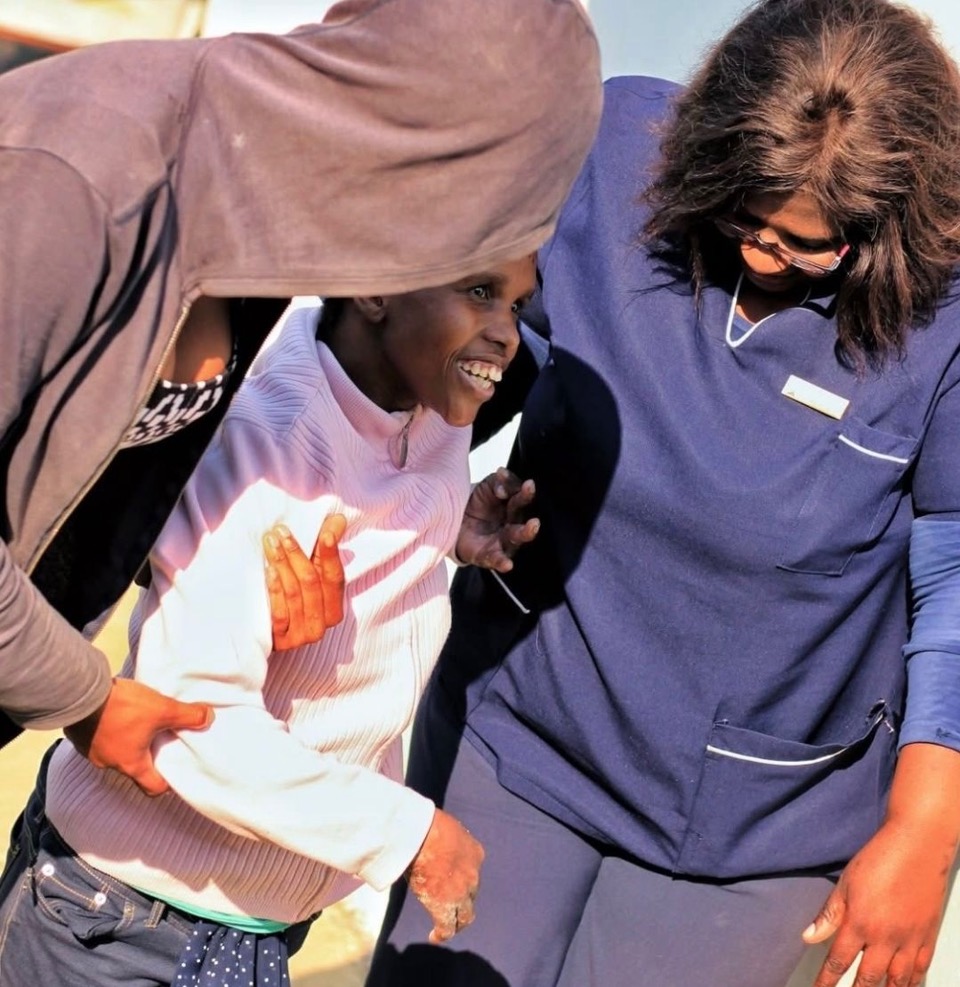
The Association of Palliative Care Centres (APCC), which represents 71 palliative care centres across South Africa, is using Hospice Week to push for this care to be universally available to everyone.
“We are confronted with a stark reality: while some patients benefit from referrals or access to services, many more are left without the care they need at the most vulnerable time of their lives,” shares APCC’s CEO Motlalentoa Motsoane. “The inconsistency in recognition and access to palliative care is not just a systems failure but an equity issue that demands urgent attention. We cannot accept a landscape where care from receipt of a life-limiting diagnosis is fragmented and underfunded.”
Many people don’t reach out because they assume they’d have to pay. Many APCC members actually provide care regardless of ability to pay, funding themselves through community support and fundraising, essentially subsidising care for those who can’t afford it with fees from those who can. That’s not sustainable, and it also shouldn’t have to be the model.
“The reality is that no price can or should be put on the value of this service”, says Hanneke Lubbe, APCC Chairperson of the Free State, “since death does not distinguish between resourced and non-resourced families. APCC members provide care to all, despite limited public funding. Many members rely on their own fundraising campaigns, community support, and the sponsoring of services to non-paying patients by those that can pay or have medical aid benefits for palliative care. This is obviously not the ideal situation as the provision of palliative care should be a recognised component of the healthcare system. A necessity given that a dignified death should be afforded to all.”
Palliative care includes care from doctors, nurses, social workers, counsellors, and home-based carers who work together around a patient and their family.
“[We] encourage patients and families to live and make decisions as the experts of their own lives. This is where autonomy and participation in decision-making are key. This sometimes means that social workers are there to advocate for patients when they are perhaps no longer able to do so for themselves, for whatever reason.” says Helderberg Hospice social worker Heidi Hendriks, who describes her role as advocating for people when they can no longer advocate for themselves.
South Africa is part of the global conversation around medically assisted dying, a real and important debate, but Motlalentoa argues that the order of priorities matters.
“When people have access to quality palliative care, they are not only given self-respect, but can live longer with pain managed, symptoms controlled, and families strengthened through the journey of care. Palliative care should be funded, understood, and prioritised as a healthcare service in South Africa. Whilst we understand that end-of-life choices such as medically assisted dying are important conversations, we believe that access to palliative care should be prioritised.”
If you or someone you know needs palliative care support, the APCC recommends confirming that the hospice or palliative care centre you engage with is properly accredited. You can ask them for a Letter of Good Standing.
To find an APCC member near you, visit this link.
Sources: Open Minded Communications.
Don’t ever miss the Good Things. Download the Good Things Guy App now on Apple or Google.
Do you have something to add to this story? Please share it in the comments or follow GoodThingsGuy on Facebook and Twitter to keep up to date with good news as it happens, or share your good news with us by clicking here or click the link below to listen to the Good Things Guy Podcast with Brent Lindeque – South Africa’s very own Good Things Guy. He’s on a mission to change what the world pays attention to, and he truly believes there’s good news around us. In the Good Things Guy podcast, you’ll meet these everyday heroes and hear their incredible stories:
Or catch an episode of Good Things with Brent Lindeque or our Weekly Top 5 below. The videos here are always changing, updated with the latest episodes from these two shows. Both are part of Good Things TV, created to bring South Africans balance at a time when the news can feel overwhelmingly negative. Our goal is simple: to remind you that there are still so many good things happening in our country – and to leave you feeling a little more proudly South African.
https://youtu.be/WZ7O4WfkLyQ
 by
by 