A groundbreaking medical milestone means patients now have better access to world-class healthcare in the South Coast!
KwaZulu-Nate, South Africa (09 March 2026) – This week, doctors at Shelly Beach Hospital successfully removed a brain tumour without making a single external incision.
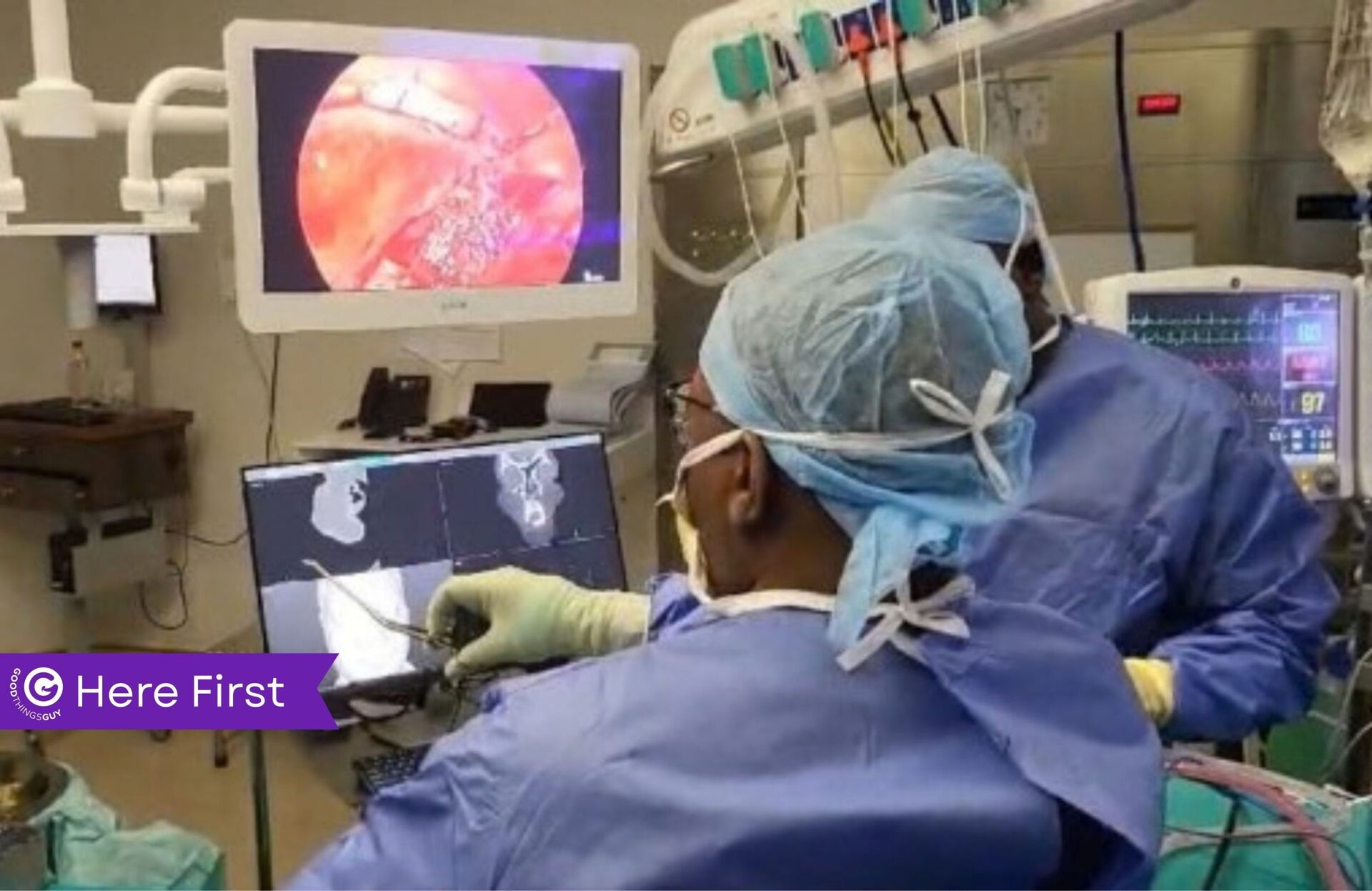
The milestone procedure, known as an – and it’s a mouthful – ‘endoscopic endonasal transsphenoidal pituitary tumour resection’, was performed by neurosurgeon Dr Nxakama, ENT surgeon Dr Sigonya and anaesthesiologist Dr Malleck.
“This procedure marks the first time a brain tumour has been removed on the South Coast without a single external incision, signalling a new era of world-class healthcare accessible right at home.” shares Shelly Beach Hospital.
While the technique has been performed in other hospitals in South Africa, this marks the first time in the South Coast, bringing more advanced neurosurgical care closer to home for residents in the region.
The procedure allows surgeons to remove certain brain tumours through the nasal passages using a specialised endoscope, meaning no external cuts to the skull or face are required.
As per Pretoria Neurosurgeons, Pituitary tumours form in the pituitary gland that sits at the base of the brain and is responsible for regulating hormones in the body. It controls things like growth and development via the body’s endocrine system. When tumours develop there, they can disrupt hormone levels or place pressure on surrounding structures that can lead to a number of health complications.
Using an endoscope and detailed imaging like MRI scans to guide the surgery, surgeons are able to carefully access the tumour through the sinus behind the nose. The tumour is then removed piece by piece with specialised instruments.
The procedure avoids major incisions, which means that patients often endure less trauma to the body, shorter recovery times and fewer complications compared with open surgery.
The milestone brings better access to communities along the South Coast. Specialised neurosurgery often requires patients to travel for treatment, but milestones like this show how regional hospitals are working to expand possibilities for patients closer to home.
Related Stories
 SPAR Women’s Challenge Funds Turned Into GBV Prevention Programme
 Street Lines 2026 Showcases the Best of South African Skateboarding
When world-class healthcare reaches smaller towns, it means more people can get the life-changing treatment they need without travelling far from the communities that support them.
 by
by