


Katherine Fouché is raising awareness for FND in South Africa, turning her personal battle into hope and visibility for others.
South Africa (14 September 2025) – When Katherine Fouché turned 52, she thought her biggest challenge would be shaving seconds off her 5km walk time. Instead, her body staged a mutiny. A twitch in her thumb became a freeze in her arm, then her entire left side stopped listening. Fully conscious, she watched it happen moment by moment. By morning, her life had been divided into a clear before and after.
The name for what had taken hold of her, Functional Neurological Disorder (FND), would only arrive more than a year later, after endless hospital visits, dead ends, and dismissals. By then, she had already drained her savings and her strength in search of answers.
“It didn’t feel like clarity,” Katherine recalls. “It felt like being handed a riddle with half the pages missing.”
FND is a condition where the brain’s signals to the body misfire. It isn’t caused by structural damage, yet its symptoms, paralysis, seizures, tremors, and speech loss, are real, frightening, and often life-altering. Globally, it’s one of the most common neurological diagnoses. In South Africa, though, it exists in near silence.
That silence is what Katherine is determined to break.
By sharing her story and getting vulnerable with how it has affected her life to date, Katherine hopes more people will speak up, that the South African medical fraternity will listen and that a community can feel heard.
The battle to be believed
The hardest part of her journey hasn’t only been the seizures or paralysis, but the disbelief.
“I’ve been hospitalised more than once, even arriving by ambulance after stopping breathing, only to be dismissed and told I’d be admitted only under psychiatric care.
It felt like a threat.”
 A Music Obsession That Has Guided Aiden Heugh' Life
 This Grade 2 Teacher Is Running Her Socks Off for Vrygrond's Pets!
Katherine shares that the dismissal forces people with FND to hide symptoms, to keep working, and to constantly fight disbelief.
“It’s more than ignorance. It’s life-threatening neglect, systemic disbelief. And it’s dangerous.”
The brain and body are physically healthy in terms of scans and tests, but the way they communicate gets disrupted, leading to real, often dibilitating symptoms. These can include things like weakness, tremors, seizures, speech problems, or difficulty walking. Causes can be complex, often involving a mix of biological, psychological, and social factors.
Having a medical team understand these complexities is just as draining as the flare-ups themselves.
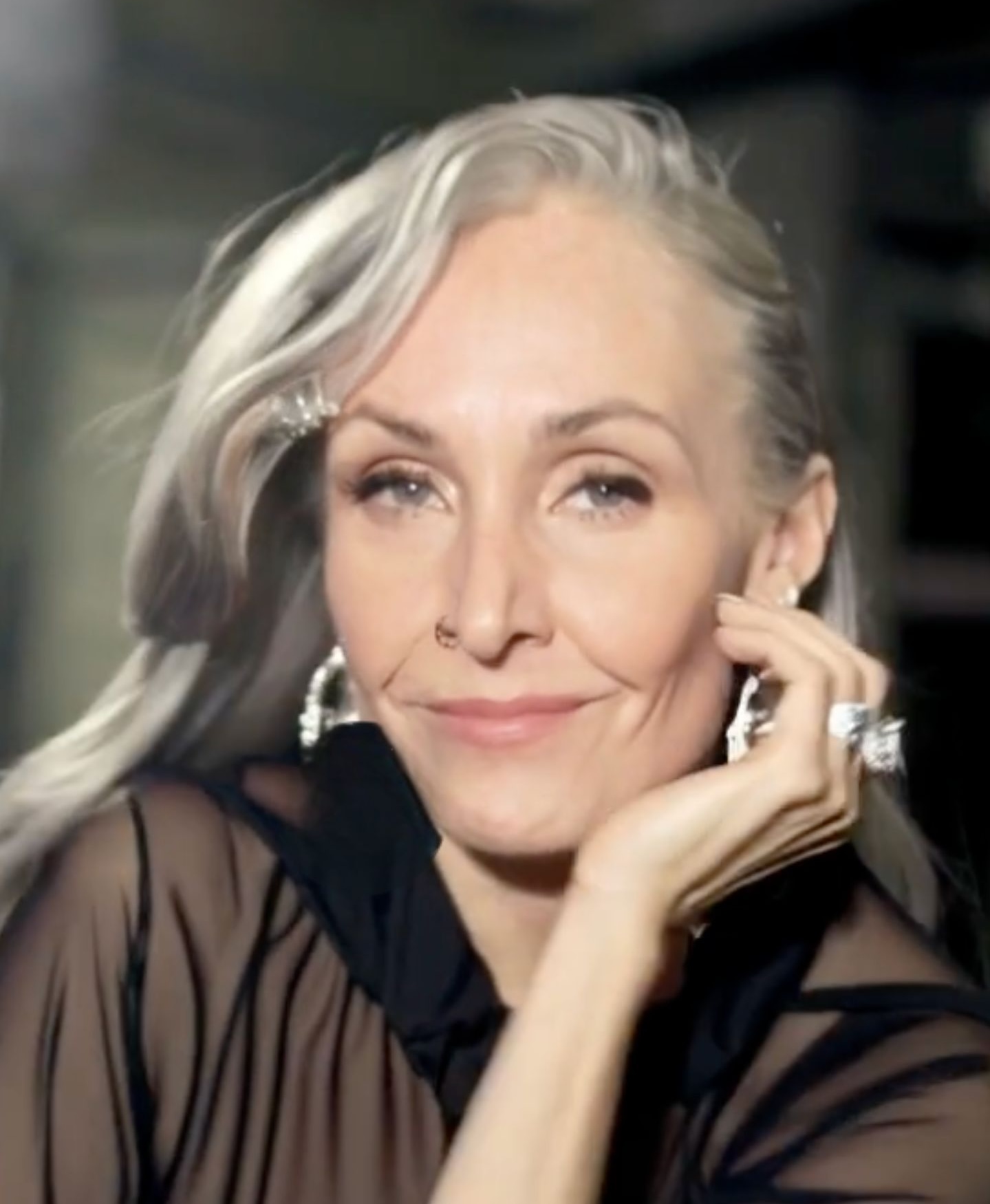
Living with unpredictability
A typical day for Katherine doesn’t exist. Sometimes she functions well; other times her body shuts down without warning. Each tremor, each misfire, is logged like a code she must crack in real time.
“Listening to my body with FND is like getting neurological plot twists,” she says.
She still works, still shows up for life, but always with an “energy budget” and strict boundaries.
“There’s no safety net here. If I don’t work through pain, I don’t earn. It’s brutal and unfair, but it’s also forced me to redefine my limits and see my differences as gifts, not failures.”
No case of FND is ever truly the same, so it comes down to the person to keep track of triggers, to forge a way forward through flares and to advocate for themselves when seeking medical treatment.
What Katherine wants now is simple: recognition. Recognition that FND is legitimate, complex, and real. Recognition that the people living with it are not fabricating their pain. Recognition that adults in South Africa deserve resources, networks, and care.
“My hope is simple: that no one else is drugged into silence or erased like I was.
FND deserves to be recognised for what it really is: a legitimate, complex neurological condition. It’s not rare. It’s not imaginary. It’s not going away. And yet, in South Africa, if you search “FND,” you find almost nothing.”
As for those newly diagnosed, Katherine has some sage words of advice. Listen to your bodies, keep track of what happens and when, so you can find your why.
“Start listening. You’re being given information others can’t read, and sometimes you can’t either. That means learning to interpret your own system in real time: tracking the glitches, following the threads, decoding what triggers what.
You will be disbelieved. Possibly even gaslight yourself. So document everything. Claim your own evidence. You are the source now.
You’re not alone.”
There are not enough South African voices speaking about FND yet, but that is also changing and with every new message of hope, another South African feels less alone in this journey.
Reconfiguring reality
Katherine doesn’t deny the chaos FND has brought into her life. But she refuses to let it erase her. Instead, she’s rewritten the story in her own words, reconfiguring her reality with defiance and creativity.
“I’m not disordered,” she says. “I’m part of a broader spectrum of human wiring. And our stories matter.”
She is visible proof that living with FND is not dysfunction, it’s divergence. She believes every South African FND survivor deserves to be seen, to be heard, to be believed.
If you or someone you love has been diagnosed with FND and you are seeking support, you can reach out to Audrey Bart at FND What Now, a South African awareness and support group. She, too, is campaigning to change the local narrative.
You can also connect with Katherine via The Hopeful Monster, where she shares her journey in making sense of her life with FND.
 by
by 


Hi Tyler and The Good Things Guy Team,
Thank you for your insightful article. It certainly marks a start of bringing the message of FND across to all South Africans.
My name is Audrey Bart, founder of FND – What Now? NPC. Listing our details for support is sincerely appreciated. It helps us to build a broader reach across the country.
I am someone living with FND, diagnosed in 2016. The lack of resources and the dismissive care from neurologists are the reasons I started a support group under the flagship of the South African Depression and Anxiety Group (SADAG). Today, we have become a registered, patient-led non-profit company. Our website is fndwhatnow.com, for more details and resources.
Thank you once again for covering Katherine’s FND journey, and in turn, the story of a wider FND community. We’re desperately trying to be heard and seen.
Kind regards,
Audrey