Theodore Bentley likely had Multiple Sclerosis since he was 16 years old, but when his diagnosis finally came, he turned towards his faith and found a path in supporting others battling illness.
South Africa (12 September 2025) – Starting January 2025, we started honouring the heroes in South Africa living with Multiple Sclerosis and sharing their life stories in an effort to raise awareness about the disease. This has been in honour of the 75th anniversary of Multiple Sclerosis South Africa. To date, we have met eight heroes who have helped to dispel misconceptions and challenge stereotypes. Today, we meet Theodore Bentley.
We are delighted to highlight the inspiring stories of South Africans who are facing unknown battles and still live life to the fullest.
The disease is still underrepresented in South Africa, but that is changing! Multiple Sclerosis South Africa (MSSA) is raising the profile of the disease, offering support for families and raising funds to help make a difference. Their goal is to unite Africa and create a federation for the continent that will empower thousands of people suffering from these health issues. And in a world where state healthcare struggles to meet basic demands, they unite those who face uncertainty in treatment, advocating for change!
We hope to highlight many stories in celebration of their 75th anniversary, a diamond jubilee, so to speak. It is a celebration of all the gems who aim to make living with MS a little easier.
What is Multiple Sclerosis
Multiple Sclerosis is an unpredictable, often disabling disease of the central nervous system. It interrupts the flow of information within the brain and between the brain and body. Symptoms can range from numbness and tingling to blindness and paralysis.
Every case is proving unique, and the progress, severity and specific symptoms of MS in any one person cannot yet be predicted, but advances in research and treatment are moving closer to a world free of MS.
Most people with MS are diagnosed between the ages of 20 and 50, with at least two to three times more women than men being diagnosed with the disease. MS affects more than 2.3 million people worldwide. MS is one of the most common diseases of the central nervous system. Today, over 2,500,000 people around the world have MS.
There is so much more to the disease, which we have shared for World MS Day 2023 here.
Theodore Bentley leaned into his Faith and found a way to support a community facing illness.
Joining the handful of men we have featured so far, Theodore opens up about his diagnosis and life living with MS. Candidly, he shares that while he is now 78, it’s likely he has been living with MS since he was 16 years old.
Related Stories
 They Made It! Young Animal Welfare Volunteers Off to Cape Town
 This Dog Saw Humanity at Its Cruellest – Then Came a Little Girl With R15
“Back in 1962, they didn’t have a clue what was wrong. I was bedridden for six weeks in pain, diagnosed with Rheumatic fever after my tonsils were removed. I’ve had pain since then, with countless tests and no answers.
Then, in 1989, I woke up unable to see properly and had a rash. A skin specialist referred me to an ophthalmologist, who suspected MS.
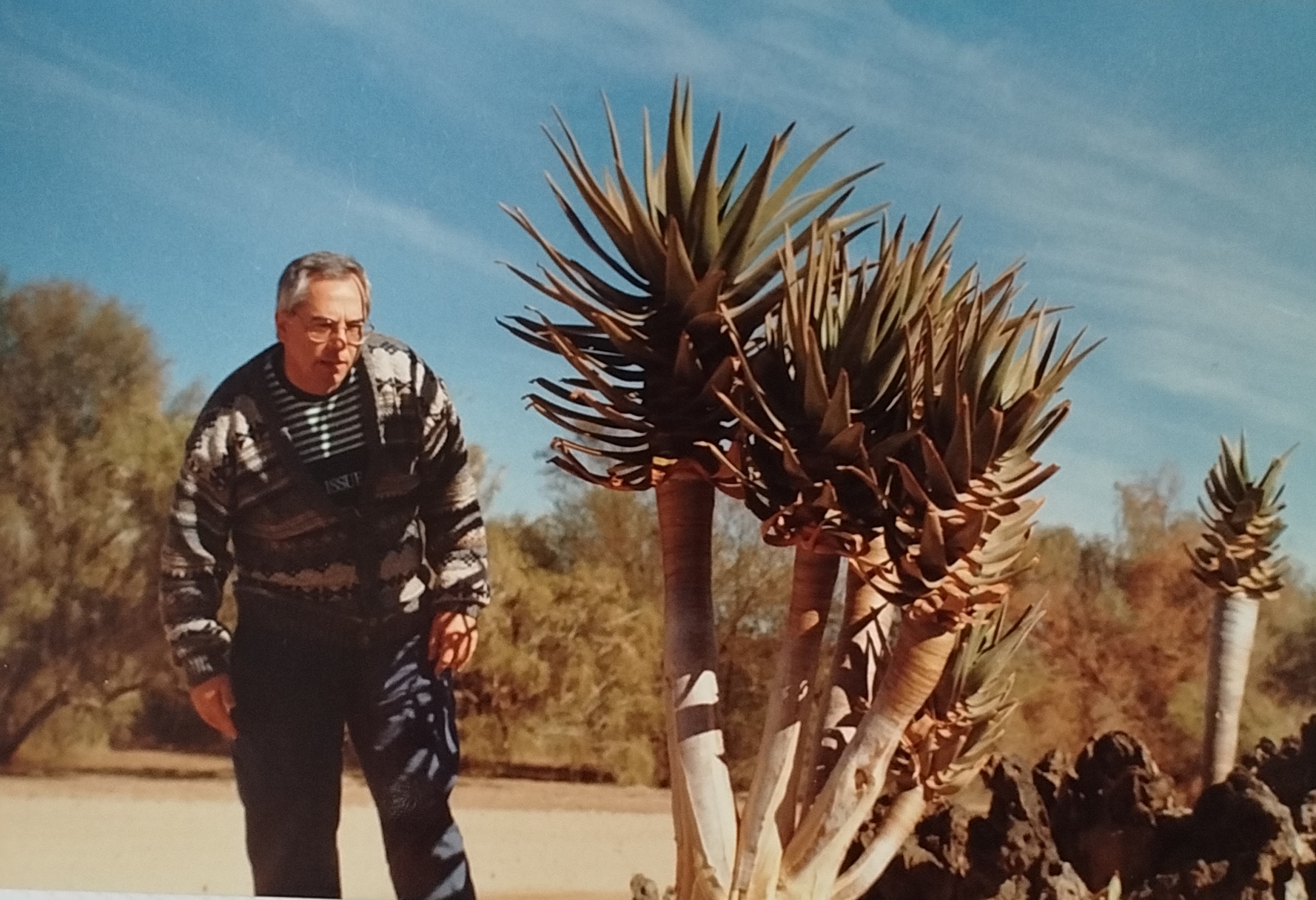
A neurologist did MRIs, lumbar punctures, and evoked potential tests. A neurologist at Tygerberg monitored me closely, doing monthly blood tests to rule out any other diseases, especially since we had lived in Namibia for 18 months. No other disease was found, and I hadn’t had Rheumatic fever; I had Glandular fever instead.”
Theodore shares that his symptoms flared worst during the time when AIDS was starting to make headlines. Fear was rife, and people didn’t know then what they know now. Thankfully, he found support in the MS community, and a life-changing moment when a PhD student took Theodore’s case on as part of her studies. This was a significant benefit for both of them.
It was a tough time, but he found that reaching out for support helped turn things around. Especially turning to his faith, where his church rallied to support the family.
“I had to learn to cope with depression and fatigue, and my patience and moodiness have been difficult for my family. It’s a miracle I have a wife, family, and friends. I called the elders from our church to pray for me, and from there, things began to work out. I was allowed to continue in my managerial position and had to make sure I succeeded.”
Theodore studied theology and served as a Pastor, helping ill members of the community —a deeply fulfilling task that not only helped others but also showed support for those who needed it most, as simple as being there to lend a shoulder.
His family, which he credits as a blessing, have brought Theodore and his wife a great deal of joy. Married at 22, the couple struggled to conceive and adopted their son. A few years later, the blessings grew as they conceived their daughter. Now today, they are surrounded by grandchildren, and life is full.

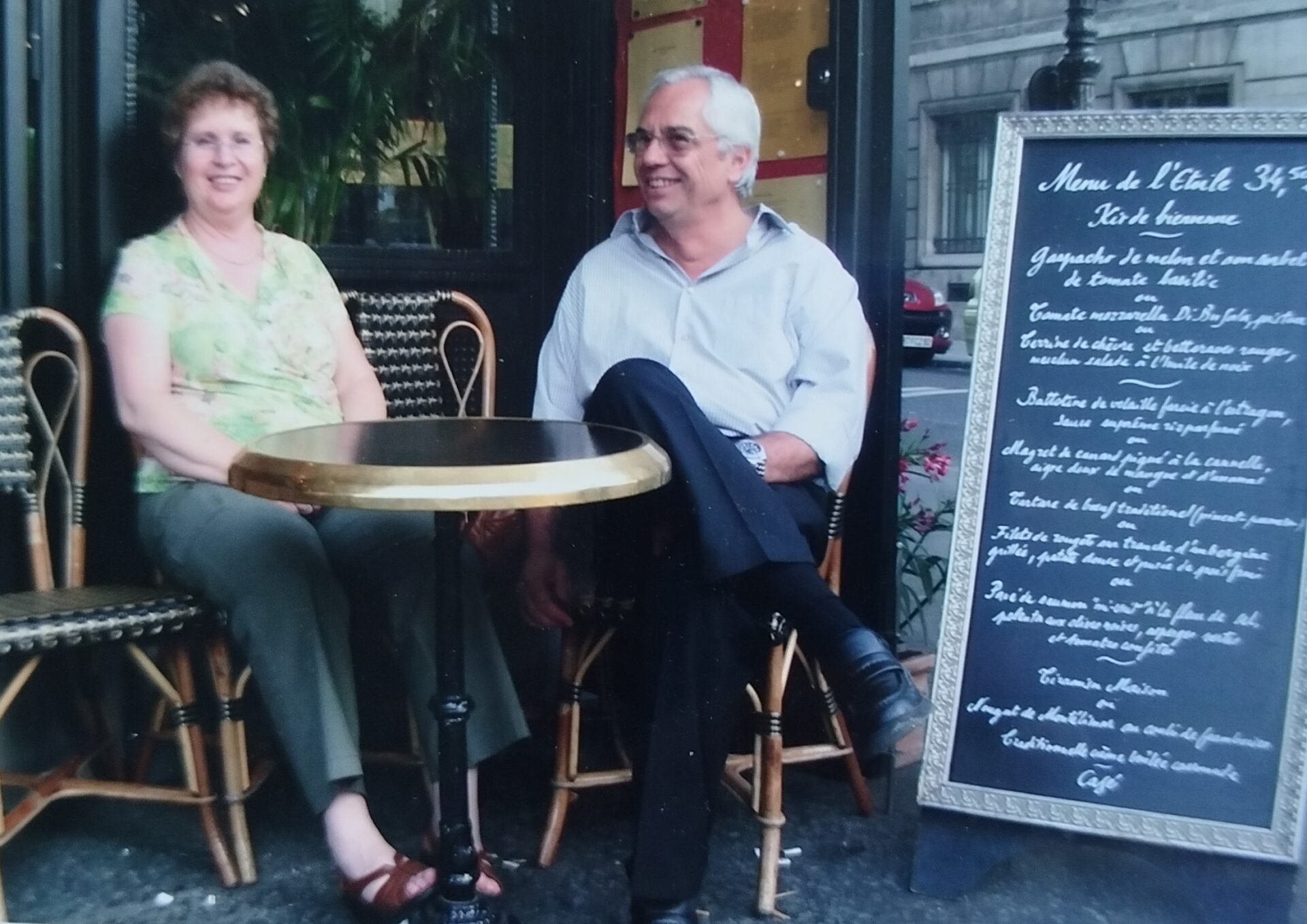
Keeping active is important. Theodore and his wife walk often, visiting the Kirstenbosch gardens and taking advantage of shopping malls as secure, weather-proof options. When not walking, Theodore plays golf with a group of friends. He says it’s not always plain sailing, but he plods along.
There are many struggles, from trouble swallowing and sinus problems to having to constantly advocate for support from his medical aid. For Theodore, he struggles most with people’s perception of his illness.
“One thing I struggle with is when people say, “But you look so good.” To me, it feels like a dagger in the back because it makes me feel like they think I’m either not really sick or, worse, that I’m crazy.”
This is a factor that many people with MS live with. Theodore ends by sharing his nugget of advice. He says it’s simple but rather difficult too.
“Find a compassionate doctor who listens first and then knows the best course of action. I walked out of my first doctor’s office after not being heard and found an amazing doctor who listens and works as part of a team, treating the illness like we’re facing an enemy together.
Get up, dress up (it helps your well-being), and show up.
And above all, trust in the Lord.”

 by
by