Hundreds of new saplings have taken root in Newlands forest, joining last year’s planting efforts to rehabilitate the forest.
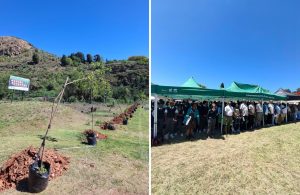
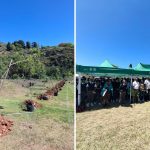
Cape Town, South Africa (08 June 2026) – On 3 June, a team from SANParks’ Cape Research Centre, joined by SANParks rangers and volunteer students from the Cape Peninsula University of Technology, planted over 300 indigenous Cape Beech seedlings in Newlands Forest.
“Through these efforts, SANParks seeks to ensure the protection and preservation of this important natural space for both current and future generations.” shares the organisation.
Cape Beech – known locally as Boekenhout – is an indigenous tree well suited to the forest. Planting indigenous trees rather than exotic species matters because they belong to the ecosystem. They support and attract many forms of local wildlife, require less intervention to thrive, and help restore the natural balance of a forest that has been under pressure.
This is the third phase of an ongoing rehabilitation programme by SANParks.
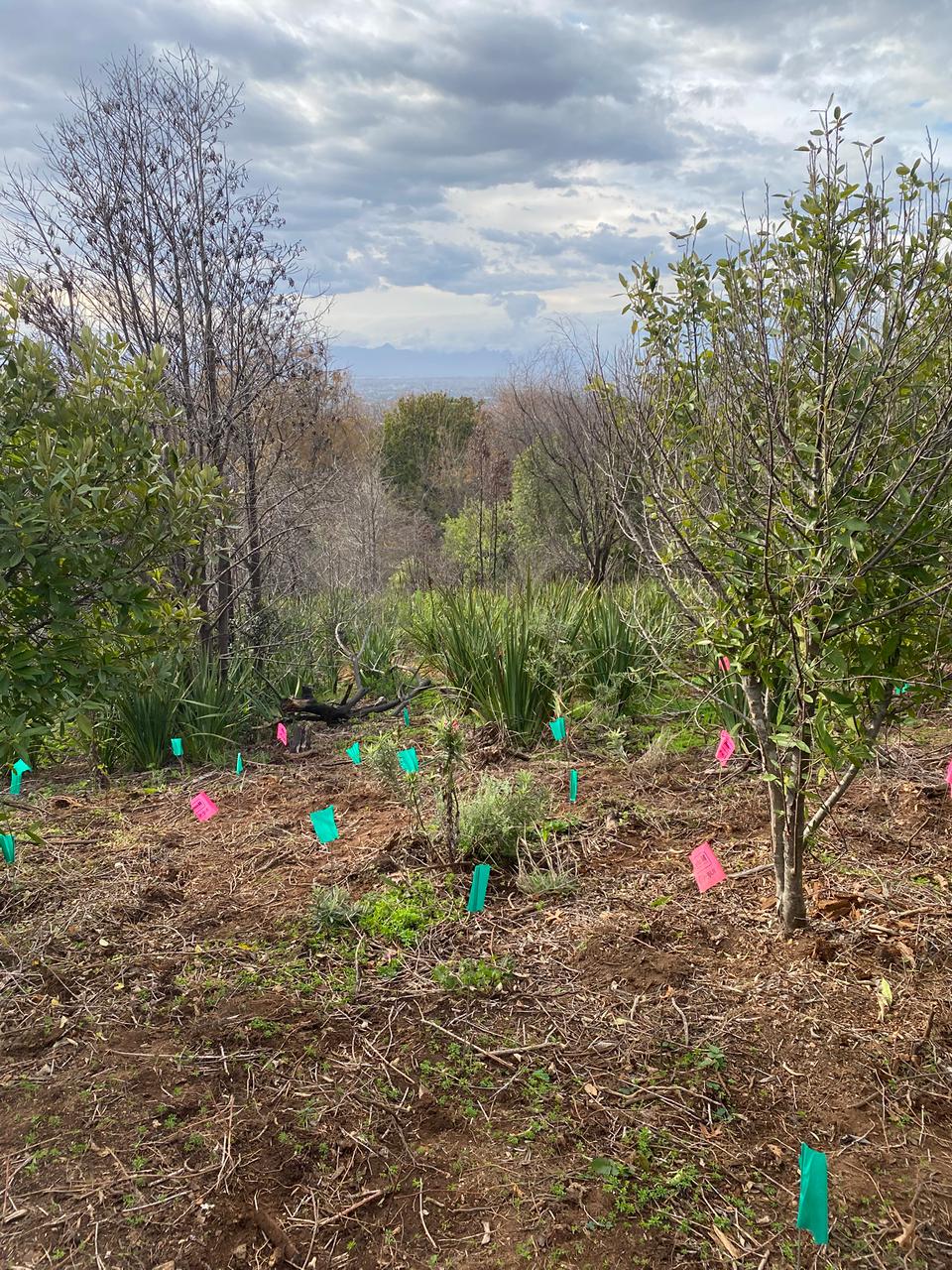
In June and July 2025, more than 150 indigenous trees were planted across the first two phases of the project. Those earlier plantings are already showing strong results with the 150 seedlings planted along the Woodcutters Trail last year growing well and surviving, which is an encouraging sign that the restoration work is taking hold.
One of the key pressures the programme is working to address is bark stripping, which is the removal of bark from trees, which can damage and kill them.
Rehabilitation efforts, combined with environmental education and awareness programmes, are all part of the approach to ensuring Newlands Forest stays healthy and protected.
With over 450 indigenous trees now in the ground across all three phases, the forest is steadily on its way back and the organisation has committed to continuing the monitoring and care needed to see these saplings grow into the canopy of tomorrow!
 Giving Nature Room to Breathe: Johannesburg Plants Indigenous Trees After Invasive Species Clear-Out
 South Africans Wowed by Seeing Pangolin Walk on Two Legs!
 by