A new programme across 38 Netcare emergency departments is creating more opportunities for victims of human trafficking to find safety.
South Africa (27 July 2026) – Human trafficking is a crime many people believe happens “somewhere else”. Somewhere far away. But it is happening in South Africa, often hidden in plain sight. The encouraging news is that more healthcare professionals are now being equipped to recognise the signs and offer a lifeline when it is needed most.
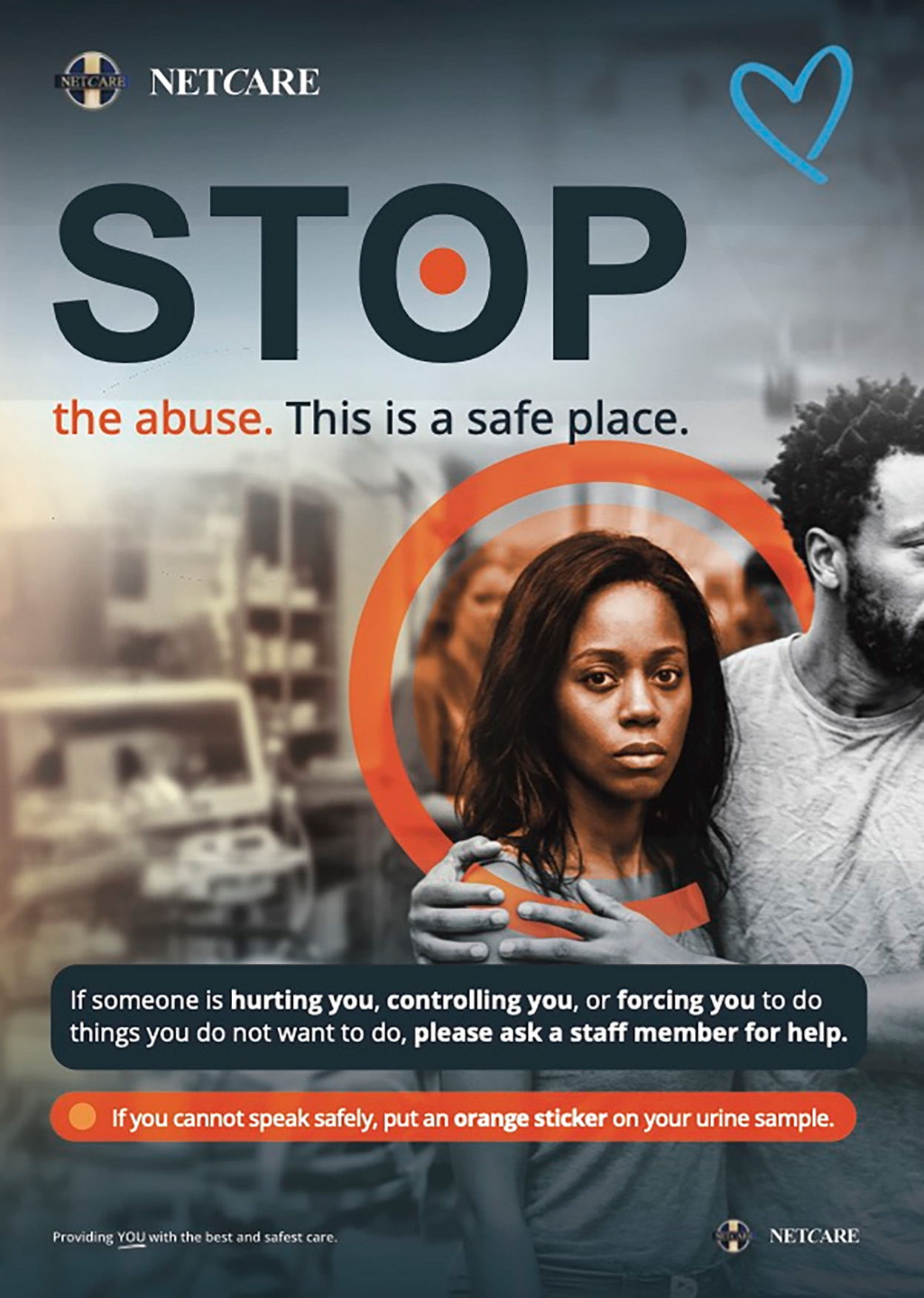
Ahead of “World Day Against Trafficking in Persons” on the 30th of July, Netcare has launched a specialised programme across 38 emergency departments to support women who have been trafficked and are living in fear of speaking out or escaping their traffickers. The initiative introduces a person-centred, trauma-informed care pathway that helps healthcare professionals recognise potential victims, create opportunities for safe disclosure and connect them to immediate specialist support. It is built on years of research and shaped by the voices of survivors, with one simple goal: to create more opportunities for victims to escape exploitation safely.
“Many people don’t realise that human trafficking is taking place right here in South Africa, but it is. Women and girls, primarily from Limpopo, the Eastern Cape and Mpumalanga, are lured mostly to Gauteng with false promises of love, employment or a better future,” says Dr Leanne van Rooy, trauma programme manager at Netcare Milpark Hospital.
According to the United Nations, human trafficking is a form of modern-day slavery in which people are recruited, transported or harboured through force, deception or coercion for the purpose of exploitation.
Dr Van Rooy explains that traffickers increasingly use social media platforms to groom vulnerable teenagers. They build trust over time with gifts and promises of love before convincing young women to leave home.
“By the time the woman arrives, she is already ensnared in a trap of intimidation that leads to exploitation. She appears to have no way out of the abusive situation, which is often driven by organised crime.”
The programme is the result of Dr Van Rooy’s doctoral research in Nursing Science, which focused on recognising and responding to human trafficking in emergency departments. Drawing on first-hand accounts from survivors of sex trafficking, she worked to design a care pathway that could be integrated into the trauma care systems already in place at Netcare hospitals.
“Human trafficking affects an estimated 50 million people worldwide. Alarmingly, research suggests that more than 80% of women who survived and escaped from sex trafficking visited an emergency department while they were being exploited,” Dr Van Rooy explains.
That means hospitals may represent one of the few moments when victims come into contact with someone outside the control of their traffickers. Recognising what is happening during those encounters could become the turning point that changes a life forever. Healthcare professionals working in the participating emergency departments have been trained to identify warning signs that someone may be a victim of trafficking. These include a person being closely controlled by someone else, another individual insisting on speaking for them, appearing fearful or avoiding eye contact, showing unusual distress, or not having possession of their own identity documents or money.
Related Stories
 SPAR Women’s Challenge Funds Turned Into GBV Prevention Programme
 Street Lines 2026 Showcases the Best of South African Skateboarding
“The nurses and doctors working in the emergency department are sensitised to the red flags that a person may present with. Care pathways are in place to create a safer environment and build trusting relationships, so that we can better identify and support victims of human trafficking,” Dr Van Rooy explains.
She says victims are often unable to ask for help openly because of the constant threat of violence.
“In these circumstances, women are often terrified into submission by their traffickers. Every action is closely monitored, and even the smallest attempt to seek help can have devastating consequences. This care pathway provides guidance for healthcare professionals to recognise and respond to victims of trafficking in the emergency department. It also gives victims a safe, discreet way to signal they are in danger without having to ask for help directly, connecting them to immediate support through the Human Trafficking Hotline, supported by the National Freedom Network with A21, a leading global anti-trafficking NGO.”
The National Freedom Network connects organisations across South Africa that are working together to combat human trafficking, helping strengthen collaboration between healthcare professionals, NGOs, social services and law enforcement so victims can access coordinated support when they need it most.
If you suspect someone may be a victim of human trafficking, you can contact the National Human Trafficking Hotline on 0800 222 777.
“Continuous training and awareness initiatives are essential to equip healthcare professionals with the skills needed to respond effectively, ensuring the safety of victims and providing trauma-informed care. Moreover, strengthening multisectoral collaboration among healthcare professionals, social services, NGOs, and law enforcement is essential for coordinated, resource-efficient responses and more integrated support,” Dr Van Rooy concludes.
 by
by