Though ghost fishing gear has long threatened our marine life, WESSA’s ‘Stop the Strangle’ campaign is bringing communities together to help clear our coasts, protect our seas, and create a safer future for South Africa’s oceans.
South Africa (20 July 2026) – Ghost gear: the commercial or recreational fishing nets, lines, ropes, and traps that are often abandoned, lost, or discarded at sea. Because this gear is engineered to be incredibly durable, it can live up to 25 years in our oceans. During this time, it continues to “fish” and entangle marine and birdlife.
According to the Wildlife and Environment Society of South Africa (WESSA), an estimated 640,000 tons of discarded fishing gear are added to our marine and coastal ecosystems every year. This “ghost gear” quietly drifts through our waters, causing millions of tragic, slow deaths by entanglement.
But there is a wave of hope on the horizon.
Rising to meet this challenge is WESSA’s highly targeted marine conservation initiative, ‘Stop the Strangle’. Serving as a national beacon of action under the Green Coast Programme, this campaign empowers communities to actively retrieve ghost gear, raise vital awareness about the threats to our oceans, and gather the data needed to drive lasting, positive change for our marine life.
The organisation is currently working in partnership with numerous NGOs, coastal communities, municipalities, and coastal user groups to raise awareness and tackle the problem.
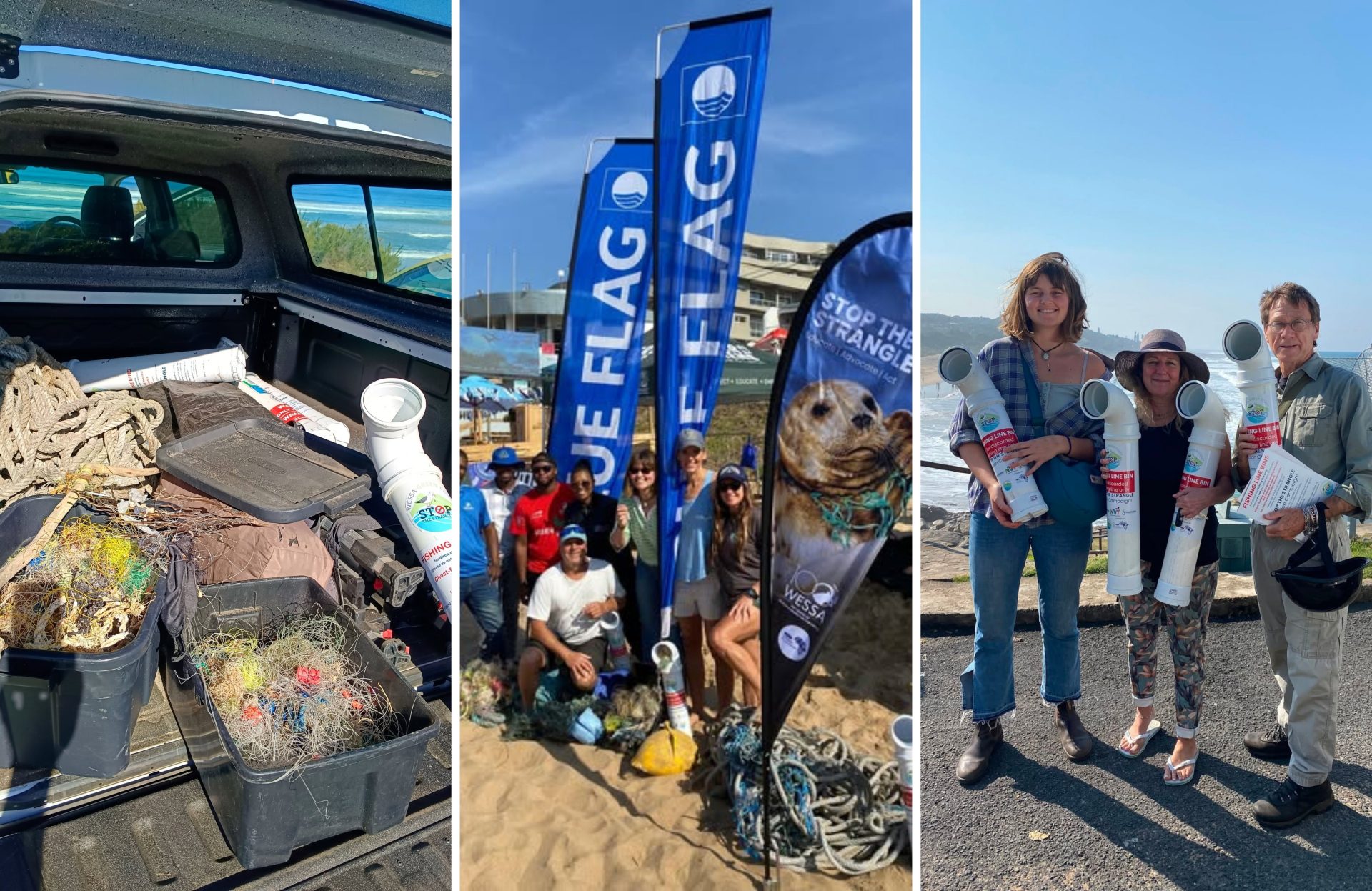
One of the partners championing the cause, the Southbroom Conservancy, joined by Oceanfriendly – South Africa, is already armed with four dedicated fishing tackle recycling bins.
These bins will provide anglers with a safe way to dispose of used fishing line and other discarded fishing gear, helping to protect marine life from unnecessary entanglement and ghost fishing.
The contents of each bin will be monitored and recorded, with the data contributing to this important conservation initiative.
“A huge thank you to Wessa Greencoast for initiating and driving this much-needed campaign. We’ll soon be installing them at strategic locations around Southbroom with assistance from Ray Nkonyeni Municipality,” the Conservancy said.
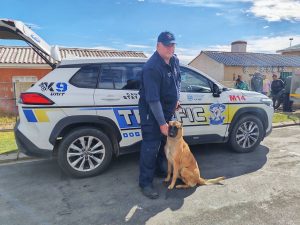
 K9 Hero Mufasa Helps Sniff Out R161,000 in Poached Abalone Overnight!
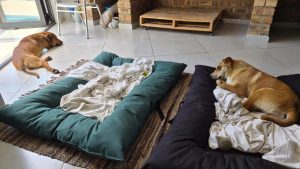
 Two Dogs, One Happy Home: The De Lange Family Doubles Up on Love
Every piece of fishing line recycled or responsibly discarded is one less threat to birds, turtles and marine animals.
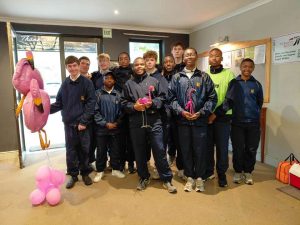
Ballito Pro, one of the world’s longest-running professional surfing events, also launched the campaign at Willard Beach, KwaDukuza – because healthy oceans play a central role in surfing and the community at large.
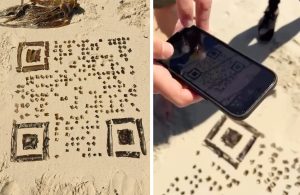
WESSA is inviting the public to take part in ‘stopping the strangle’ by collecting ghost gear, reporting heavy gear washed ashore, and uploading the data to a growing national monitoring database.
“Coastal communities and other ocean user groups are invited to join our growing network, take action, generate data and become part of this wave of change,” WESSA encouraged.
For more information, visit WESSA’s website or connect on social media.
 by