When children feel supported, challenged and encouraged, they begin to recognise their own strength and embody resilience – a life skill that is proving more and more essential for young people navigating a complex and uncertain world.
Johannesburg, South Africa (23 July 2026) – Whether you are a teen now, were one some years ago, or happen to be raising one, you know it can be an exciting, stressful, and confusing phase of life. External pressures don’t make it any easier.
In a world where young people face increasing academic demands, social complexities, and a constant stream of digital information, resilience has become more than just a desirable quality – it is an essential life skill.
According to St Martin’s School‘s School Chaplain, Reverend Thabo Rafuku, and Dayne Smith from Digital Learning, resilience isn’t about being unaffected by disappointment, avoiding setbacks, or always appearing strong. Rather, they view it as the ability to recover from challenges, learn from difficult experiences, and continue moving forward with confidence and purpose.
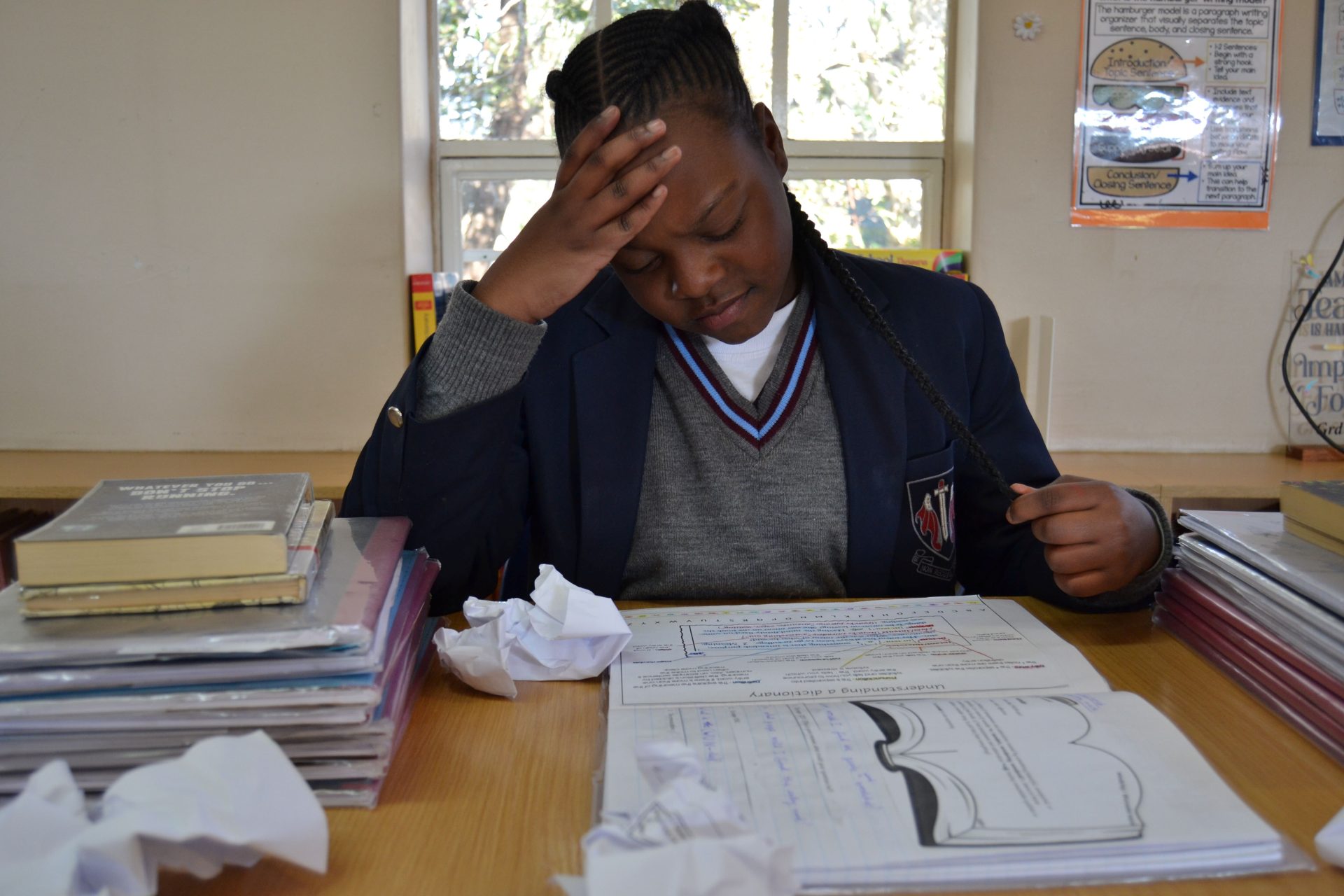
For instance, most of us know what it’s like to get back a test paper with a mark that doesn’t exactly reflect the effort we’d like to believe we put in.
Young people are allowed to feel disappointed. The key is to not let that result define them, but rather to keep their head up and prepare better for the next assessment – even if that means reaching out to a peer or mentor for help.
At St Martin’s School, resilience is viewed as something that can be intentionally developed through supportive relationships, meaningful opportunities and a strong sense of belonging.
“Resilience is not something young people either have or don’t have,” says Reverend Rafuku.
“It is built over time through experience, encouragement and learning how to navigate challenges in a healthy way. As educators, our role is not to remove every obstacle from a child’s path, but to help them develop the confidence and character to face those obstacles themselves.”
Rafuku further shares five key ways schools and families can work together to raise resilient young people:
Related Stories
 Treehouse Family Centre: A Safe Space Where Children Can Reconnect With Parents They Don’t Live With
 South African Millennials - Are We Ready to Release the Thunda Files?
1. Allow young people to experience manageable challenges
While it can be tempting to shield children from disappointment, resilience develops when young people learn how to cope with setbacks and adapt to changing circumstances.
Whether it is not making a sports team, receiving a disappointing test result or navigating friendship difficulties, these experiences provide valuable opportunities for growth when supported by caring adults.
Learning that setbacks are temporary and manageable helps teenagers build confidence in their own ability to overcome difficulties.
2. Create a strong sense of belonging
Young people are more likely to take healthy risks, persevere through challenges and seek help when needed if they feel connected to a supportive community. Schools play a vital role in creating environments where students feel known, valued and accepted.
“A strong school community gives young people a foundation from which they can grow,” says Smith.
“When students know they are supported by teachers, peers and mentors, they are more willing to step outside their comfort zones and embrace new opportunities.”
3. Focus on character as much as achievement
Academic success remains important, but resilience is often built through qualities such as perseverance, empathy, responsibility and integrity.
Character education encourages young people to understand that growth comes through effort and that mistakes are an important part of the learning process.
By celebrating determination and progress alongside achievement, schools can help students develop a healthier and more sustainable definition of success.
4. Encourage independence and problem-solving
One of the greatest gifts adults can give young people is the opportunity to think for themselves. Rather than immediately providing solutions, parents and educators can encourage teenagers to reflect on challenges, consider options and make informed decisions.
This process develops self-belief and equips young people with practical skills they will carry into adulthood.
5. Model resilience at home
Young people learn as much from what adults do as from what they say. Parents who demonstrate healthy responses to stress, setbacks and uncertainty provide powerful examples of resilience in action.
Open conversations about challenges, combined with reassurance and perspective, can help teenagers understand that difficulties are a normal part of life and that growth often emerges from adversity.
As society continues to evolve, the ability to adapt, persevere and remain grounded will become increasingly valuable.
“Ultimately, resilience is about helping young people understand that they are capable. When children feel supported, challenged and encouraged, they begin to recognise their own strength. That confidence stays with them long after they leave school and helps prepare them not only for academic success, but for life itself,” Reverend Rafuku concludes.
 by
by