Everyday items were turned into eye-opening lessons in sustainability at an educational holiday programme by the University of Pretoria’s Sci-Enza Science Centre’s Skill Lab, where teenagers got to dive deep into the concept of a circular economy.
Pretoria, South Africa (27 July 2026) – We all desire a cleaner, greener, and more sustainable planet. But what if achieving this started with everyday products?
For instance, choosing to buy beverages and foods packaged in recyclable materials, wearing more cotton or linen clothing, and being more mindful of how we discard items we no longer use.
Teenagers in the University of Pretoria’s (UP) Sci-Enza Science Centre‘s Skill Lab had the opportunity to examine the products they use daily during an interactive and educational holiday programme held on 14 July. They got to assess the sustainability and environmental impact of these items, and went through the process of redesigning them to be greener using a circular model.
As part of the programme, Dr Nadine Sonnenberg, a senior lecturer in the Department of Consumer and Food Science at UP, led a guest lecture on textiles, clothing and their relationship with the environment.
The lecture began with an introduction to the history and origins of textiles, which was followed by a comparison of the benefits and drawbacks of natural and synthetic fibres.
Adding an important nuance to the debate regarding fibres was Dr Sonnenberg, who opened young minds to the idea that it is not necessarily the fabric of clothing that renders it fast fashion, but rather the consumption behaviour of the consumer.
Her presentation resonated deeply with the learners who challenged many of the misconceptions they had regarding clothing, consumption and pollution.
Dr Sonnenberg, using the textile industry as a practical case study, was able to bring science closer to the young audience by allowing them to see how it exists in their daily lives.
By encouraging the slower and more thoughtful consumption of clothing, learners were able to see how even minor decisions such as not buying more clothing than necessary can reduce the negative environmental effects caused by the production and disposal of clothing.
Related Stories
 Ancient Fossilised Nests Found in the Karoo Named After Calitzdorp
 5 Reasons to Take Part in the Southern Hemisphere's Biggest Nature Survey This Month!
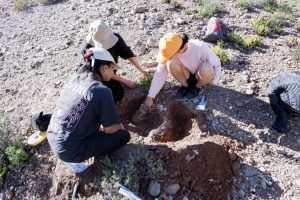
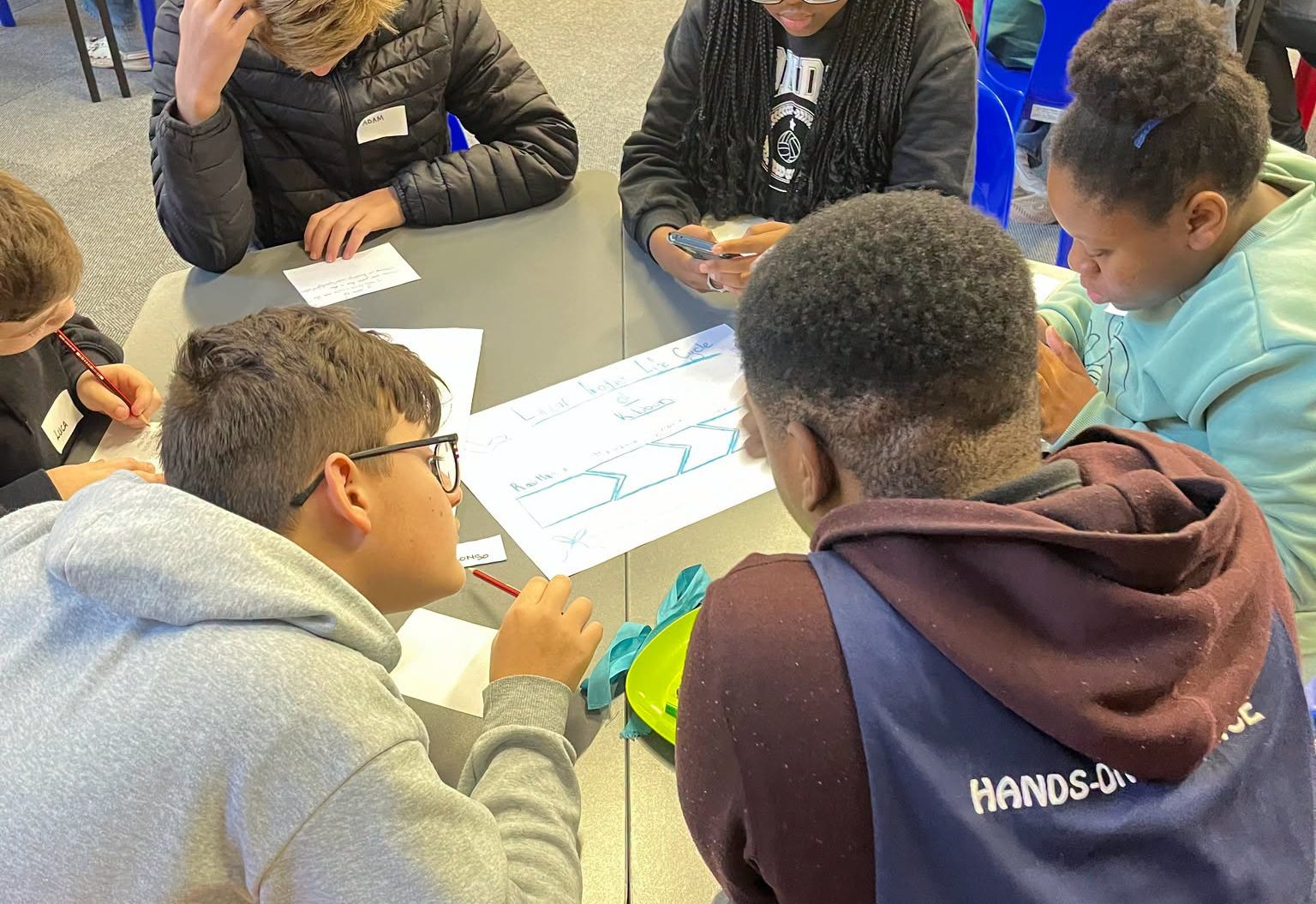
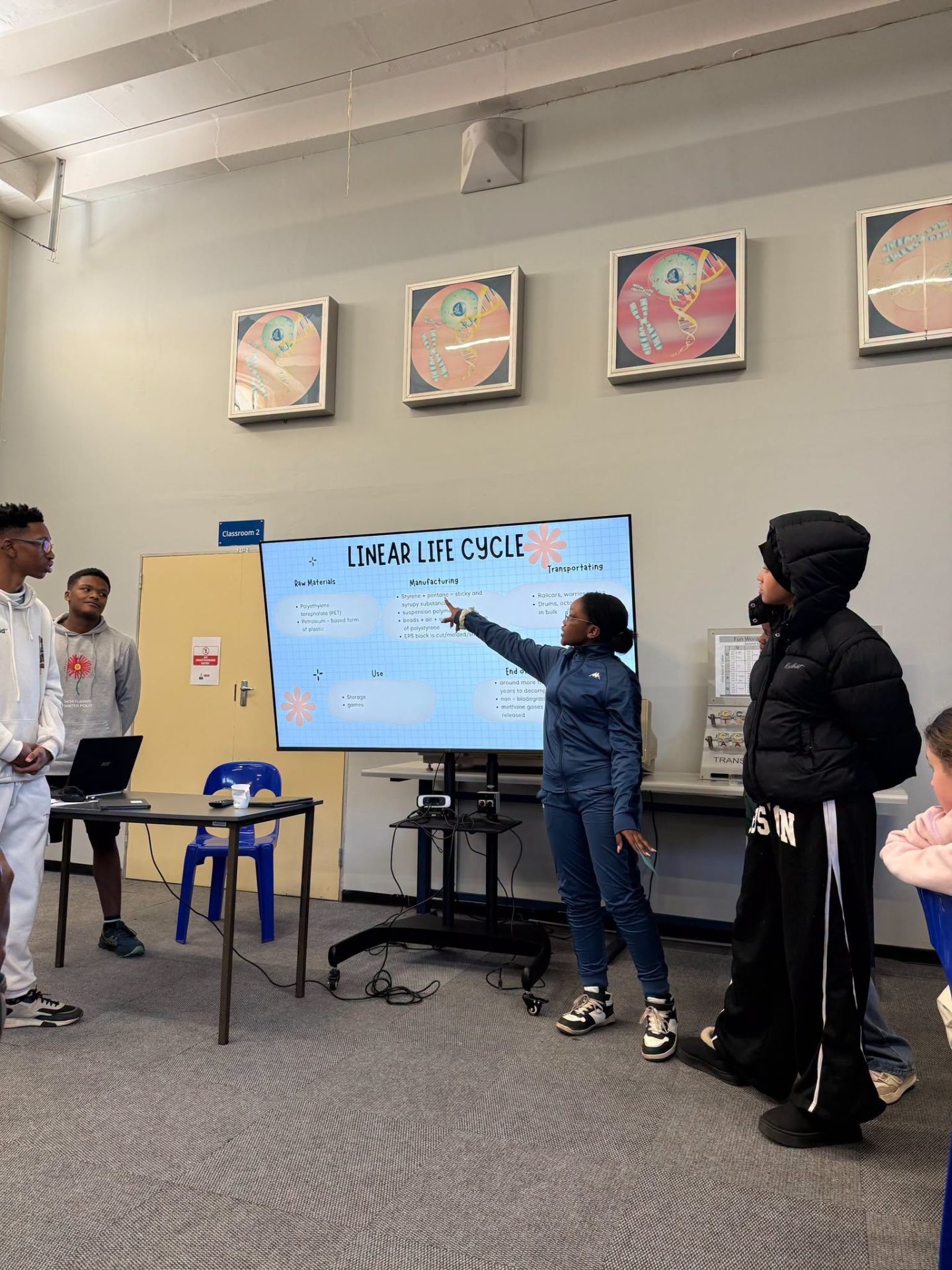
The learners then jumped into the Green Design Challenge – a hands-on exercise where they applied their new knowledge to real-world scenarios. Working in groups, each team took a common household item like a plastic cup, ribbon, or drinking glass and mapped out its entire life cycle, from how it’s made and transported to how it’s used and discarded.
Learners were then tasked with rethinking the product’s life cycle by transitioning it from a linear model to a more sustainable and circular one. By looking at the bigger picture, the students didn’t just identify waste but also thought critically and creatively about ways to provide multiple eco-friendly solutions to deal with environmental challenges.
The Green Design Challenge concluded with learners presenting their ideas to their peers and receiving feedback on their innovative ideas.
Without a doubt, an eye-opening and educational experience, the programme brought young people closer to science and encouraged problem-solving and new ways of thinking about how we achieve a sustainable future.
Sources: University of Pretoria
Don’t ever miss the Good Things. Download the Good Things Guy App now on Apple or Google.
Do you have something to add to this story? Please share it in the comments or follow GoodThingsGuy on Facebook and Twitter to keep up to date with good news as it happens, or share your good news with us by clicking here or click the link below to listen to the Good Things Guy Podcast with Brent Lindeque – South Africa’s very own Good Things Guy. He’s on a mission to change what the world pays attention to, and he truly believes there’s good news around us. In the Good Things Guy podcast, you’ll meet these everyday heroes and hear their incredible stories:
Or catch an episode of Good Things with Brent Lindeque or our Weekly Top 5 below. The videos here are always changing, updated with the latest episodes from these two shows. Both are part of Good Things TV, created to bring South Africans balance at a time when the news can feel overwhelmingly negative. Our goal is simple: to remind you that there are still so many good things happening in our country – and to leave you feeling a little more proudly South African.
 by