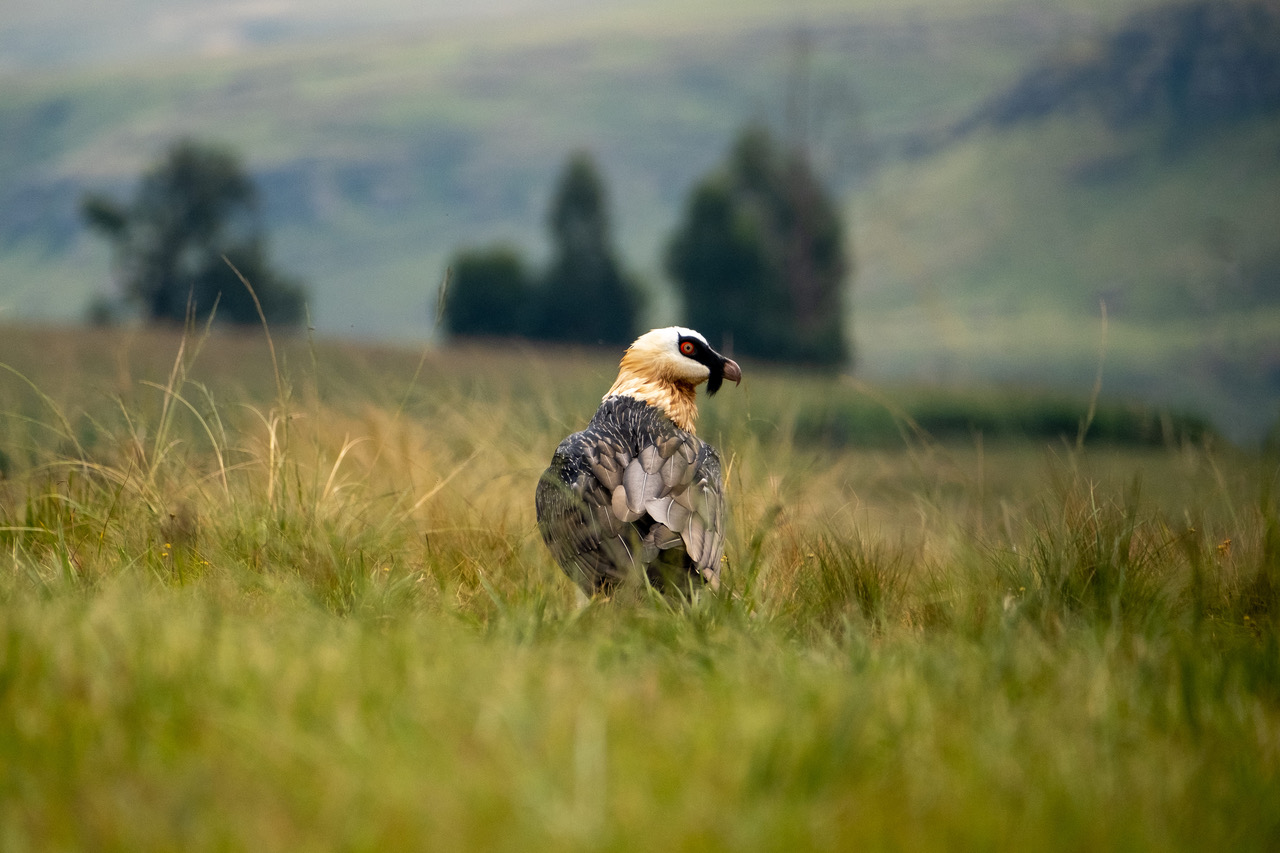
One of South Africa’s best spots to see endangered vultures is reopening soon!
Underberg, South Africa (24 July 2026) – The Mzimkulu Vulture Hide is officially opening its doors again on 1 August 2026, after a temporary closure due to the regional outbreak of Foot and Mouth Disease.
Vultures aren’t affected by FMD, but the hide sits on a working farm that supports livestock. So, out of caution and in support of broader efforts to stop the disease from spreading, bookings and visitor access were paused for several months.
With the reopening date confirmed, photographers, birders, and nature lovers can now start planning their visits again!
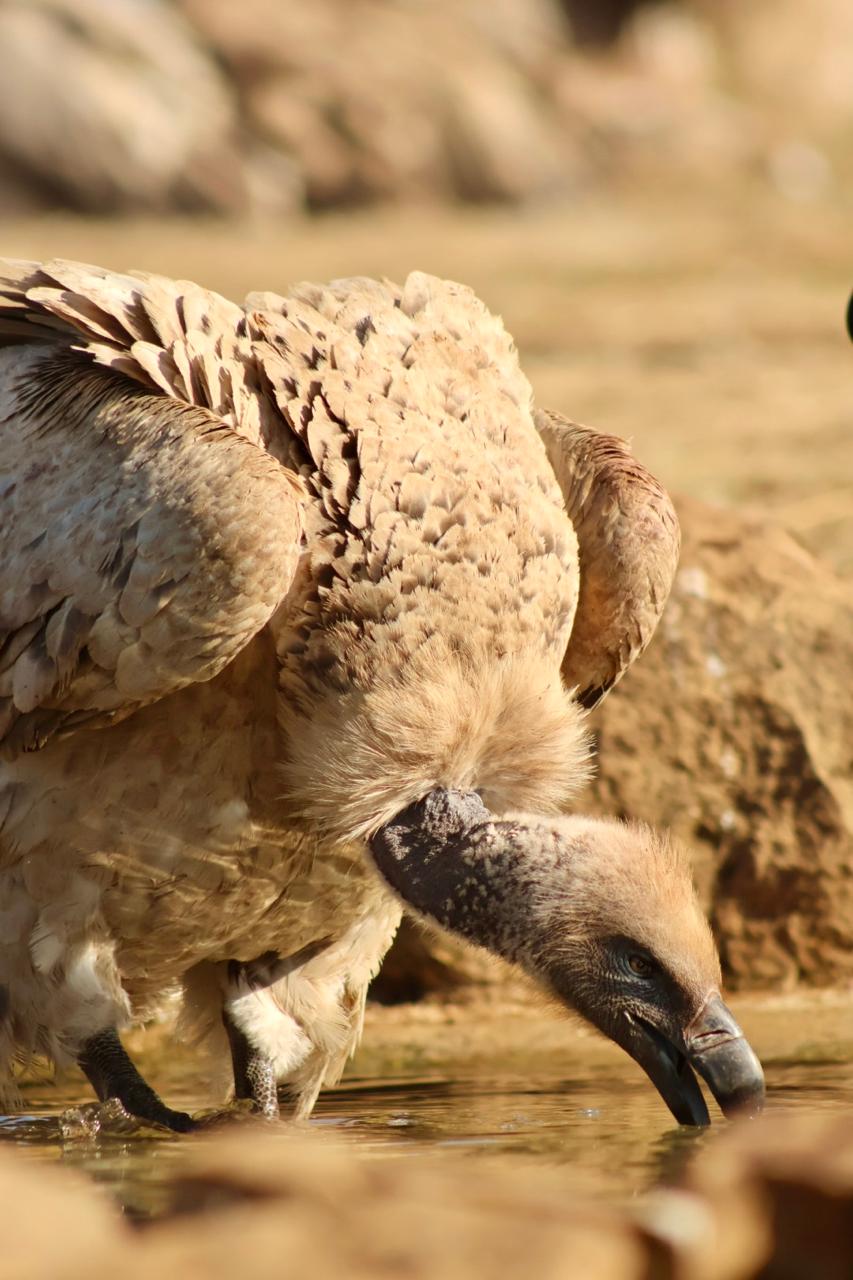
Just 8km outside Underberg, at the foot of the Maloti-Drakensberg World Heritage Site, the Mzimkulu Vulture Hide gives visitors a rare, eye-level encounter with endangered vultures, including Cape and Bearded Vultures.
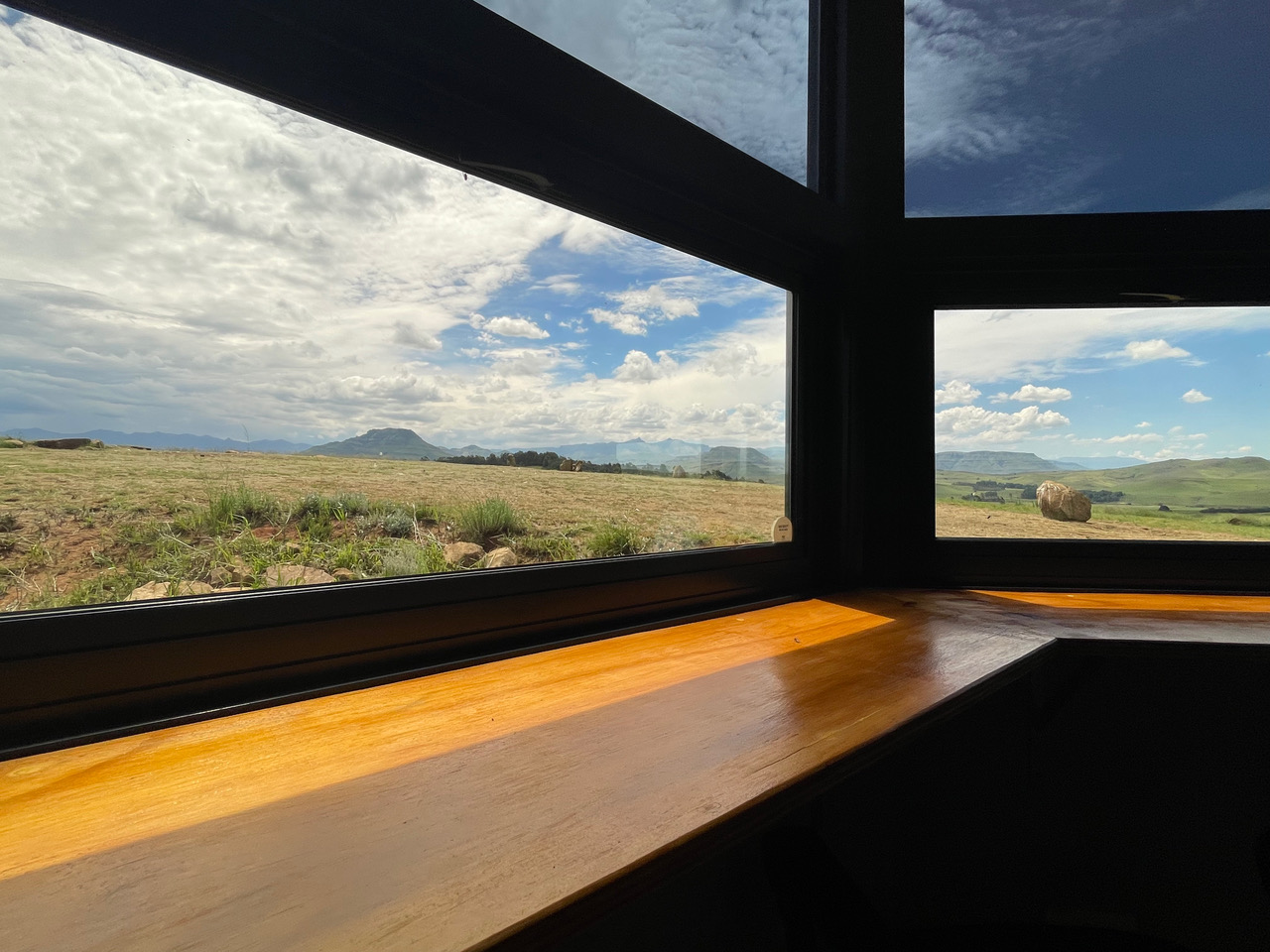
The hide is fitted with one-way glass for disturbance-free photography, comfortable seating for up to six guests, and a stunning mountain backdrop.
The hide forms part of Wildlife ACT’s Southern Drakensberg Conservation Project, a partnership between Wildlife ACT and Riverlea Farm aimed at maintaining a sustainable, safe feeding site for cliff-nesting vulture species.
The Southern Drakensberg is one of the last strongholds for both the Cape Vulture and Bearded Vulture in South Africa. Only an estimated 50 to 100 breeding pairs of Bearded Vultures remain across South Africa and Lesotho, alongside around 4,500 breeding pairs of Cape Vultures.
Vultures face serious threats, including poisoning, electrocution, and food shortages, which is exactly why safe feeding sites like Mzimkulu matter so much.
“Vultures are critical to the health of our natural, agricultural, and rural environments,” says Danielle Theron, Programme Manager of Wildlife ACT’s Southern Drakensberg Conservation Project. “Safe feeding sites like Mzimkulu provide a reliable, uncontaminated food source in a region that is one of the last strongholds for both Cape and Bearded Vultures in South Africa. Without interventions like this, we risk losing these birds — and the vital ecosystem services they provide — entirely.”
 Honorary Rangers Donate Detailed Bird Posters at Two Kruger Spots
 Watch: These Baboons in Pringle Bay Have Found Their Own Rugby Ball
Bookings must be made at least 48 hours in advance, either by email or through the website, Groups are kept small to minimise disturbance.
 by