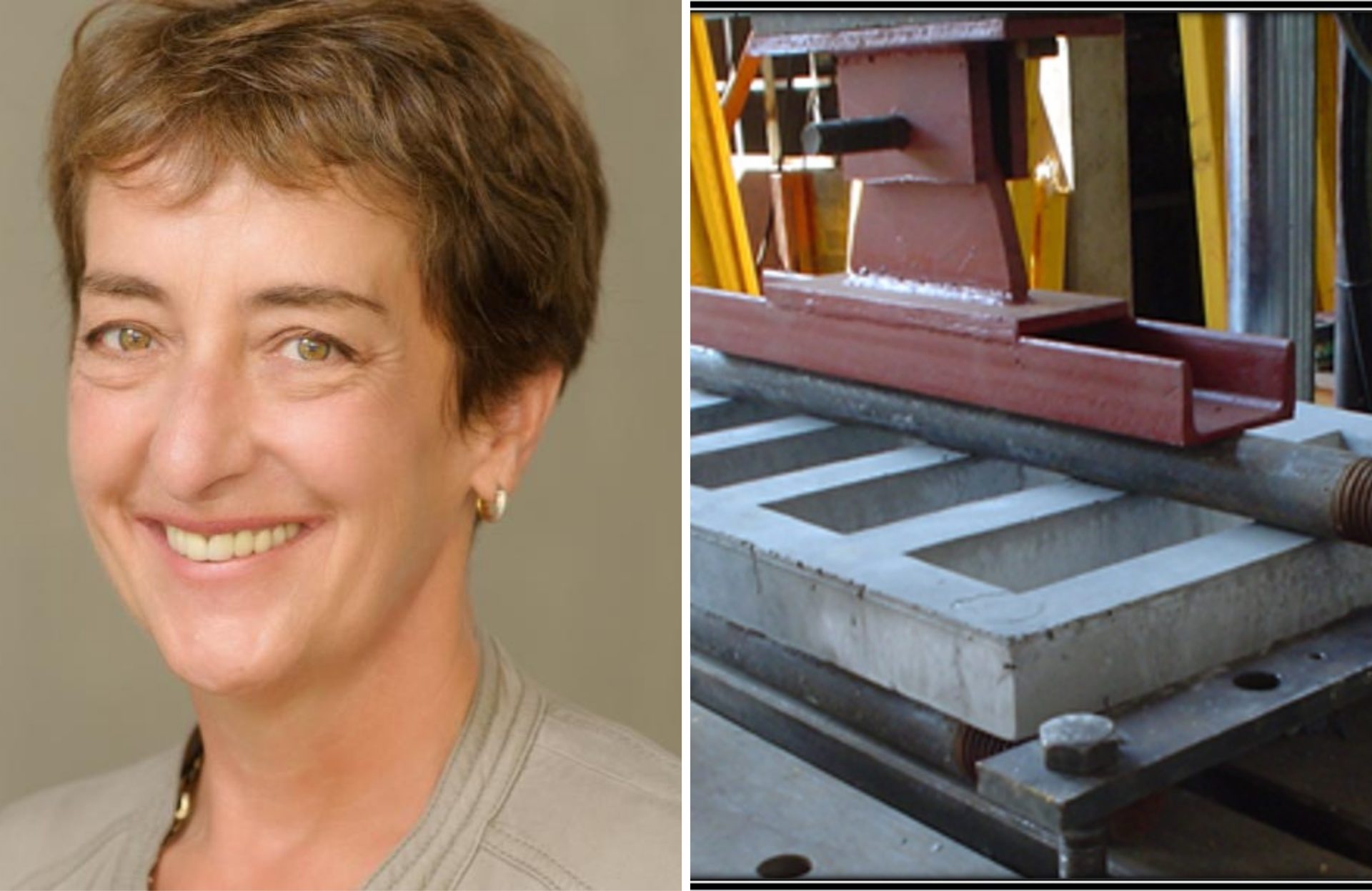
University of Pretoria’s Prof Elsabe Kearsley has found a way to transform dilapidated inner-city buildings by using sustainable cement and concrete aggregates made from the construction waste dumped in the landfills of Johannesburg and Tshwane.
Pretoria, South Africa (30 September 2026) – Johannesburg and Tshwane’s landfills are overflowing with construction rubble, while their inner-city buildings are falling apart through illegal occupation and neglect.
University of Pretoria (UP) structural engineer Professor Elsabe Kearsley believes she has a simple solution to both challenges.
Alongside her students, Prof Kearsley has created sustainable cement and concrete aggregates using construction waste, including steel slag, fly ash, plastics, polystyrene, discarded railway sleepers, and crushed clay bricks.
By combining building waste or topsoil from clay mines with ash from coal-fired power stations, her team triggers a chemical reaction that yields a surprisingly strong, lightweight aggregate. This material, they found, can be added to concrete to build new living and office spaces directly on top of old, abandoned building frames without overloading their foundations.
“It is very exciting to think about the sustainable living and working environments that our innovations in material research could help create,” says Prof. Kearsley.
The University says that while Prof Kearsley’s work with cement and concrete is highly innovative, it is not pie-in-the-sky.
It has resulted in a string of patents, including an international patent for concrete-from-slag and, most recently, for her clay-to-concrete aggregate. Her partner in innovation is UP’s Department of Research and Innovation, which has seen potential in her ideas even when she has had doubts.
“We developed a high-strength concrete grid inlet for stormwater drains because the steel ones were being stolen at night,” she recalls.
“The solution seemed so obvious to me that I didn’t think it was patent material, but the
Department of Research and Innovation said we should try. It worked and a patent was granted! It was very
rewarding when driving around to see the products being used.”
 South Africa, Let’s Help Border Collie Rescue Find a New Home
 The Sweet Bond That Turned a Stranded Township Kitten’s Life Around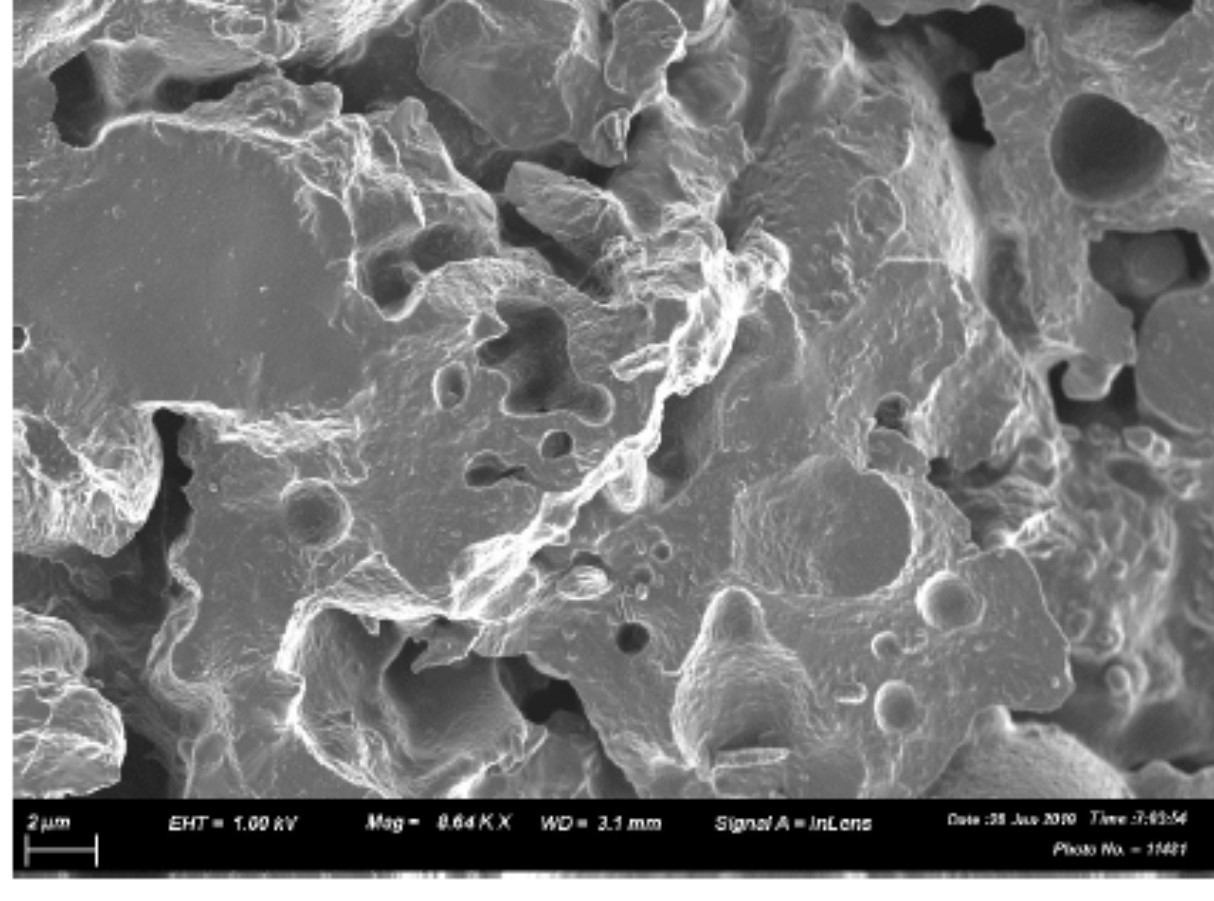
Dr Prudence Makhura, Director of the Department, shared that she believes innovators need sustained institutional support that enables them to protect their intellectual property, access funding, build strategic partnerships and navigate the often-complex journey from research to innovation, commercialisation and impact.
Backed by the relevant patents and the support of Dr Makhura and her team, Prof Kearsley has set her sights on encouraging the building and construction industries to think about sustainable development for the future.
“Currently, we are very wasteful with building materials in South Africa. We break things and crush them up and then throw the rubble on landfills,” she says.
“While it is physically impossible to get to zero-carbon in the manufacture of building materials, it is possible to optimise cement and concrete by using waste materials. That is what my research has been about for the past 30 years.”
For example, huge amounts of CO2-emitting limestone are burnt at temperatures of up to 1500 degrees Celsius to make Portland cement, and vast amounts of energy are used when blasting and pulverising rock to make sand and stone for use in concrete. On the other hand, producing a lightweight aggregate from waste involves a chemical reaction that is much less energy-intensive and polluting.
Using less Portland cement and more waste materials means less CO2 and more sustainable building practices. A non-engineering change Prof Kearsley would like to see is South Africa introducing penalties for “fly-tipping”, meaning the illegal dumping of waste.
“Landfill taxes are the norm in Europe and the United Kingdom,” she points out.
While she knows it takes time to bring about change, Prof Kearsley has her heart set on introducing more sustainable building materials and practices. Fortunately, she is not alone.
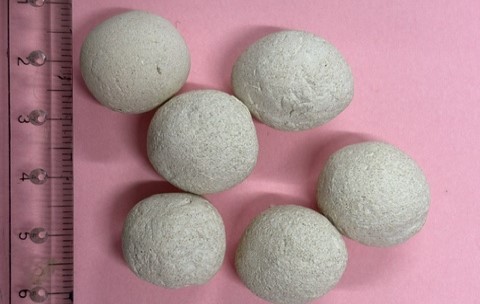
Dr Makhura, too, says she would like to see Prof Kearsley’s innovations translated into practical, scalable solutions that contribute to more sustainable construction and waste management, while creating economic and societal value.
“Prof Kearsley’s work is an excellent example of how research can be translated into innovation with the potential for significant environmental, economic and societal impact,” Makhura says.
“Her work also demonstrates the importance of creating an environment in which women researchers are supported to take their ideas from knowledge creation to innovation, enterprise and societal impact.”
Sources: University of Pretoria
Don’t ever miss the Good Things. Download the Good Things Guy App now on Apple or Google.
Do you have something to add to this story? Please share it in the comments or follow GoodThingsGuy on Facebook and Twitter to keep up to date with good news as it happens, or share your good news with us by clicking here or click the link below to listen to the Good Things Guy Podcast with Brent Lindeque – South Africa’s very own Good Things Guy. He’s on a mission to change what the world pays attention to, and he truly believes there’s good news around us. In the Good Things Guy podcast, you’ll meet these everyday heroes and hear their incredible stories:
Or catch an episode of Good Things with Brent Lindeque or our Weekly Top 5 below. The videos here are always changing, updated with the latest episodes from these two shows. Both are part of Good Things TV, created to bring South Africans balance at a time when the news can feel overwhelmingly negative. Our goal is simple: to remind you that there are still so many good things happening in our country – and to leave you feeling a little more proudly South African.
 by
by