A distillery’s spare barrels are now keeping township dogs warm this winter!
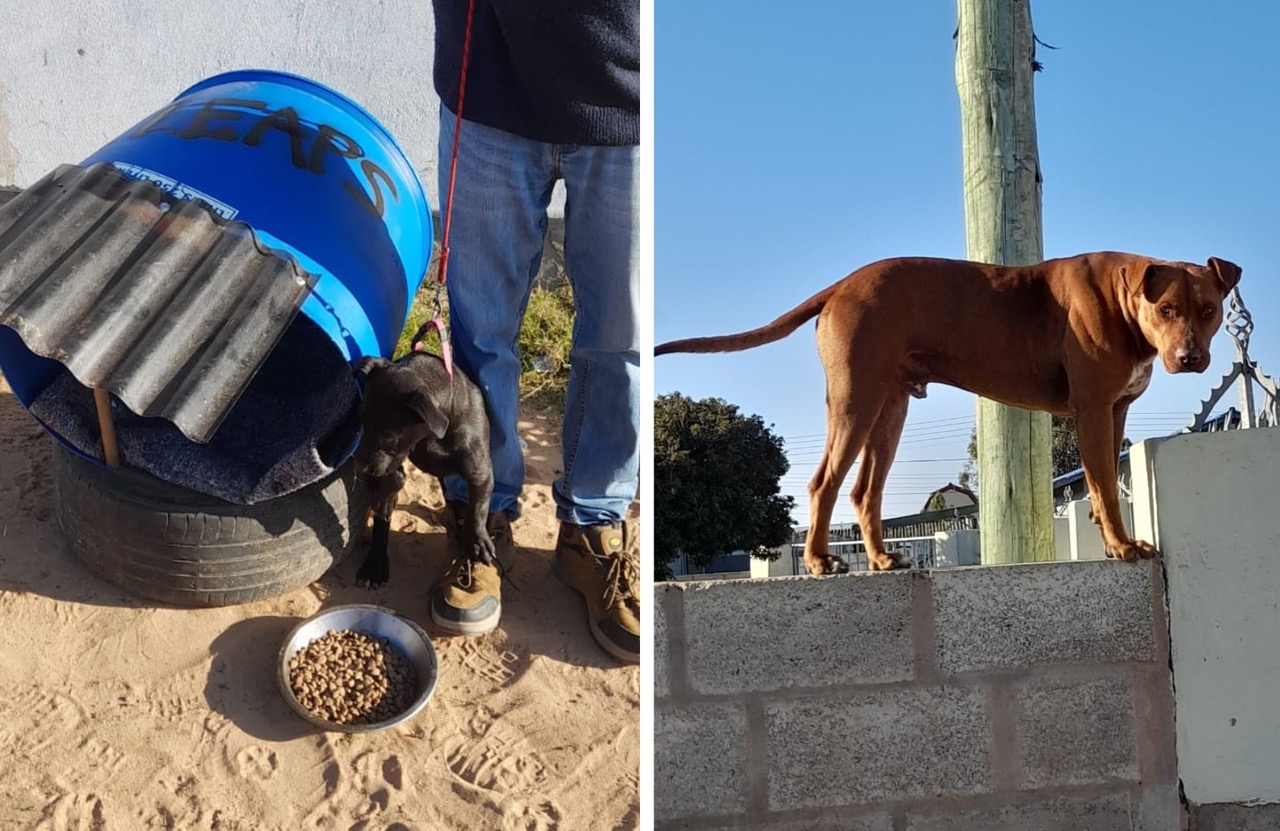
Western Cape, South Africa (05 June 2026) – The local Hope Distillery recently donated several large barrels to LEAPS – the best example of one person’s surplus becoming another’s shelter!
A kind volunteer named Rika got to work modifying the barrels, making them secure, accessible and warm enough to offer proper protection against the cold winter months ahead.
They are now being placed with outdoor dogs in the townships that LEAPS serves along the West Coast.
LEAPS – which stands for Lambert’s Bay, Elands Bay and Paternoster Sterilisation – is a registered non-profit animal welfare organisation working in some of the most underserved communities along South Africa’s West Coast.
Their work goes beyond finding (and in this case, building!) homes for animals. LEAPS focuses on reducing animal suffering in communities where resources are limited, running mass spay and neuter campaigns to prevent the spread of zoonotic diseases like rabies, mange and others that affect both animals and the people living alongside them.
Established almost 20 years ago, the organisation conducts daily outreach and delivers sterilisation programmes and welfare support to hundreds of animals every year.
Providing shelter for outdoor animals in these townships has always been a priority, and over the years, LEAPS has built kennels from whatever materials they could find, repurpose or receive as donations. The barrel kennels from Hope Distillery are the latest chapter in that ongoing effort.
“We are so excited to be able to bring relief to animals who are facing a very cold winter,” LEAPS shared, “and so very grateful to Hope Distillery for their support and thoughtfulness.”
 Missing Dog Smurf Safely Back in His Doting Dad’s Arms After Viral Search!
 Stellies Scientists Discover River Yeasts That Could Help Predict Dangerous Infections
If you would like to support LEAPS and their work on the West Coast, you can find them online. Every donation, big or small, goes towards the animals who need the extra love.
 by