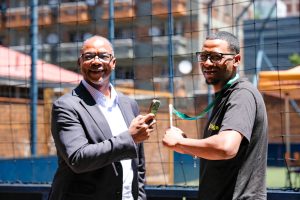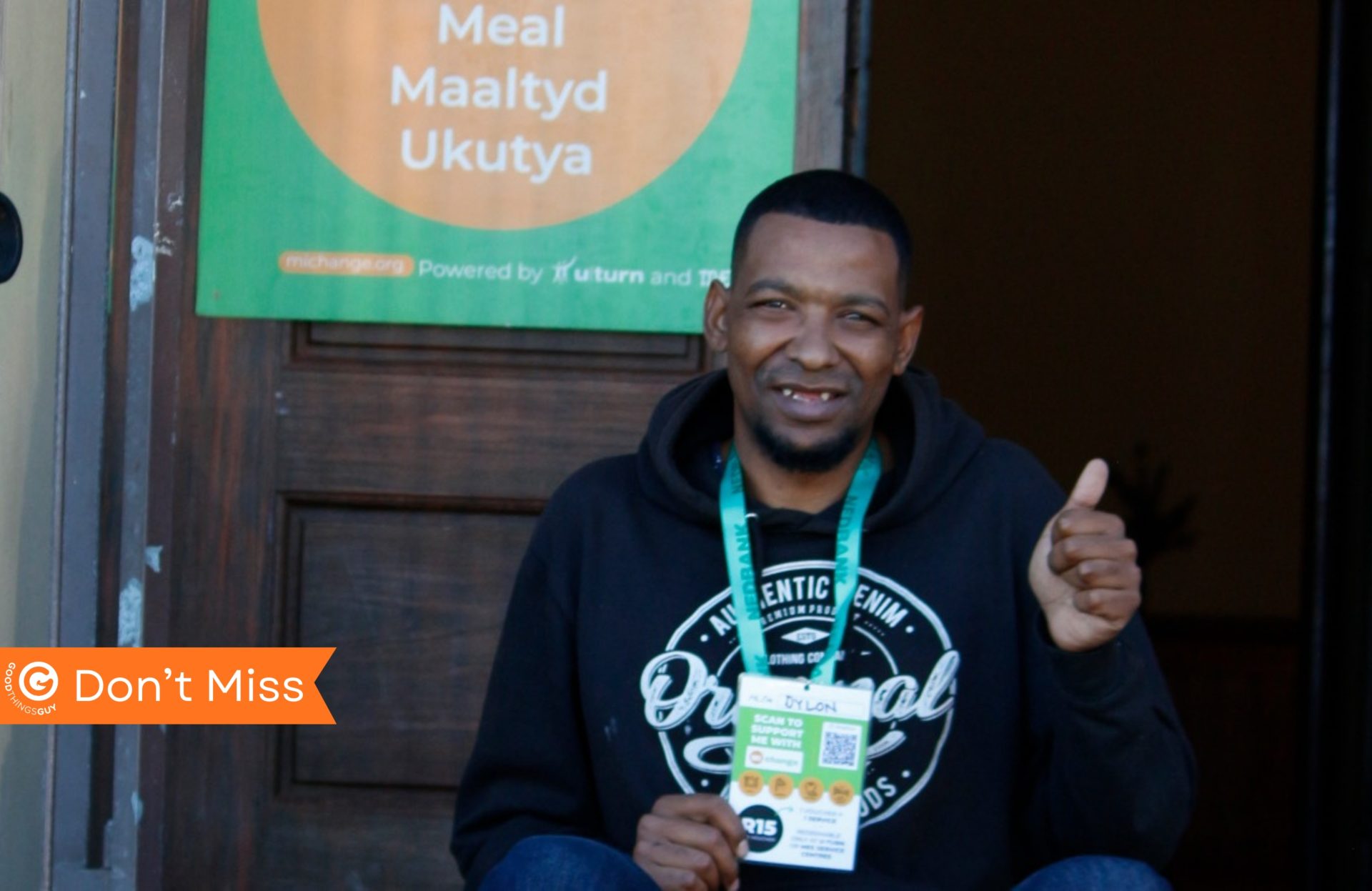
An incredible story, and a full circle moment. Dylon now works for the same organisation whose R15 voucher helped him leave homelessness behind.
Cape Town, South Africa (13 July 2026) – Most of us have found ourselves at a traffic light, wondering what to do when someone asks for help. Do you hand over cash? Do you offer food? Do you just drive on? It’s a question often wrestled with.
The answer could be as simple as a R15 voucher.
Dylon Jordaan is 33 years old, three years sober and working as an administrator for Mi-change. But not too long ago, he was on the other side of that story.
“I was that person sleeping on a cardboard box.”
Dylon spent 12 years homeless, battling heroin addiction and doing whatever he could to survive on the streets of Mitchells Plain.
As a teenager, he became involved in the taxi industry, where he was exposed to gangsterism and substance abuse. Experimentation eventually became addiction, and before long, his days revolved around finding enough money for his next fix. Washing taxis for small change became his way of getting by.
“Every day was about getting through the next few hours. There was no vision for the future, no sense of identity, and very little hope.”
Then, on a rainy day when there were no taxis to wash, Dylon’s life changed when he least expected it. Cold, hungry and soaked through, he was handed a Mi-change voucher by a friend, who suggested he visit a nearby U-turn centre.
“I thought I would get just another meal. Instead, it became the turning point of my life. When I arrived at the centre, I received food and clothing, but I also experienced something I had not felt in a long time: dignity.”
 Terrifying Hijacking Hits Germiston Bedfordview SPCA – South Africa Can Help!
 The Extraordinary Journey and Emotional Reunion of Yo-Yo the Frenchie!
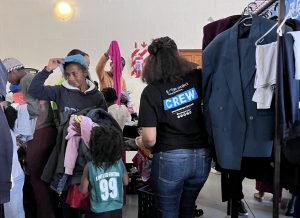
Along with a warm meal and clean clothes, Dylon was warmly welcomed by staff without judgment. They invited him to take part in activities where he could earn more vouchers for the following day. It was a practical way to offer help, and it was an important reminder to Dylon that he was still worthy of kindness and opportunity.
That single visit eventually led Dylon into rehabilitation.
“That connection led me into rehabilitation, where I gave my life to God and broke free from heroin addiction. After rehab, I joined U-turn’s work-readiness programme, where I developed skills in retail and coding to prepare for employment and independent living.”
In his recovery, through U-turn family days, Dylon also reconnected with his family and rebuilt relationships that had been broken over many years.
Now he lives independently, has completed a full-stack web development course with an impressive 84% average and earned a Top Achiever Award. Coming full circle, Dylon now works for Mi-change, helping administer the same voucher programme that once helped him.
“Today, I am sober, living independently, and working for Mi-change as an administrator. The very organisation that operates the vouchers that helped start my journey off the streets.”
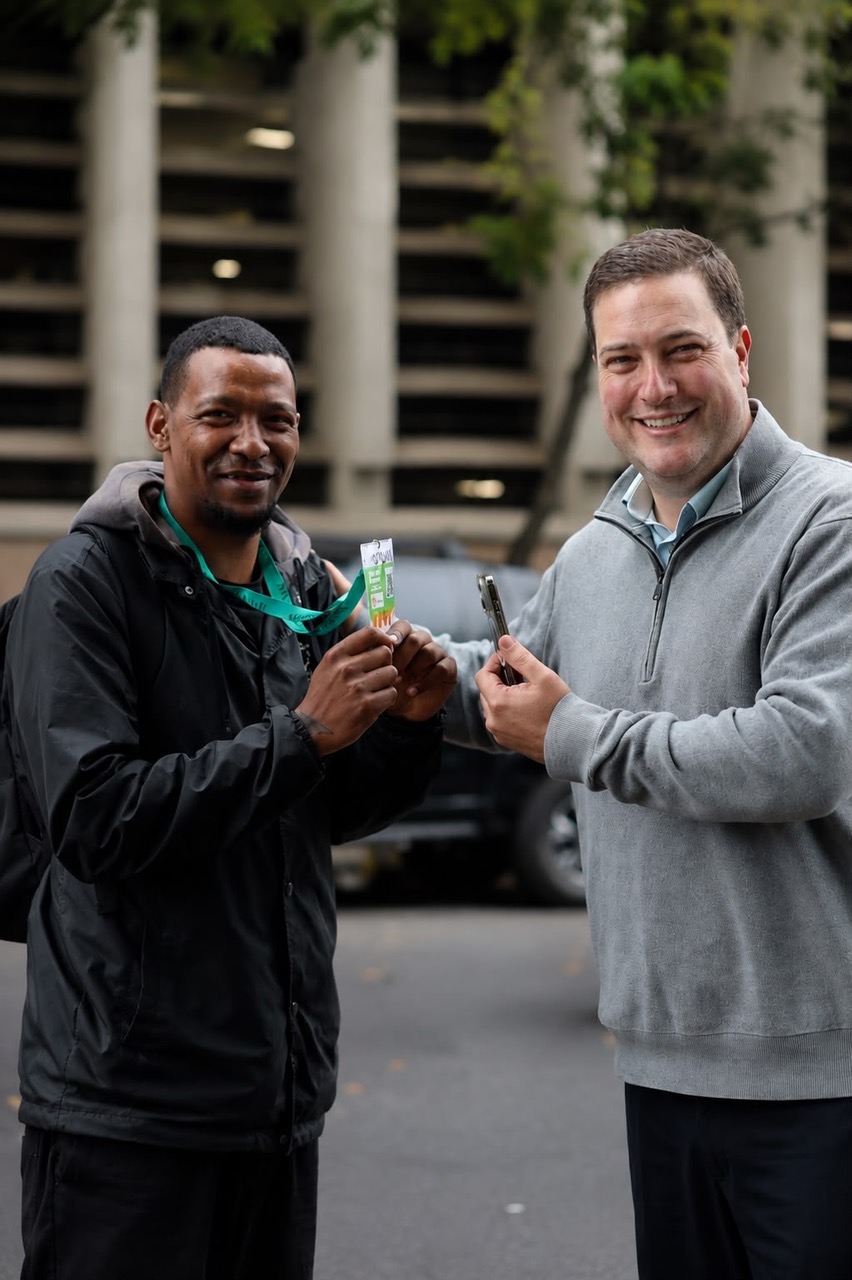
His story comes as Mi-change launches a new digital version of its voucher system in Cape Town this winter.
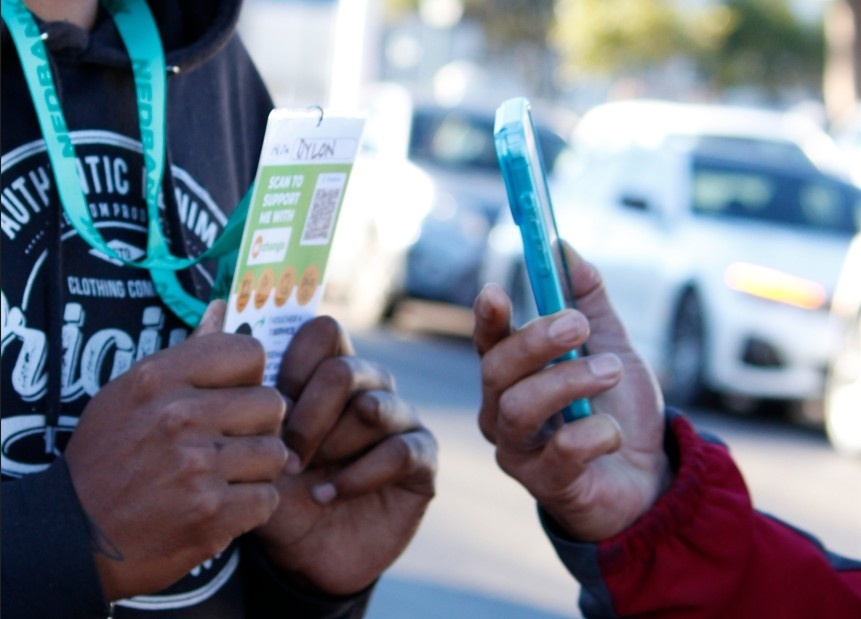
The new vouchers work through SnapScan and are linked to a registered participant using a QR code. Instead of giving cash, members of the public can purchase R15 vouchers that can be redeemed at U-turn and MES centres for meals, clothing, showers and other support services.
It’s a real way to help that creates opportunities beyond a single exchange at a traffic light.
“That is why I believe the new Mi-change digital voucher is so important. We often see homelessness as simply someone asking for money. But homelessness is usually connected to much deeper issues such as addiction, trauma, unemployment, broken relationships, and mental health struggles. While giving cash may come from a place of compassion, it does not always create long-term change. In some cases, it can unintentionally keep harmful cycles alive. It certainly kept me stuck in homelessness longer than I should have been.”
The digital system also removes some of the challenges people experiencing homelessness have faced with paper vouchers.
“The people experiencing homelessness I have spoken to are happy about this solution. They no longer need to worry about people having no small change, or their paper Mi-change vouchers being stolen from them – instead, they have their own lanyard that they can use to collect and redeem vouchers, and also earn their own vouchers at the different centres.”
Recovery and rebuilding took hard work and willingness from Dylon, but someone choosing to help in a different way is what sparked it all.
“Someone chose to invest in a system designed to restore dignity and create sustainable change instead of only responding to an immediate need.”
Dylon hopes more South Africans will consider that same approach when they meet someone asking for help.
“When you see someone with a Mi-change lanyard asking for money, give them a voucher or two, so they have the opportunity to make the change I did.”
 by
by