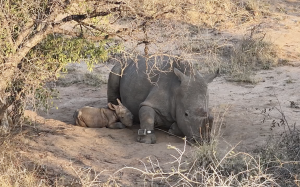
After seven years of painstaking investigation, South Africa’s Hawks have dealt a crushing blow to an international rhino horn syndicate, arresting six suspects linked to nearly 1,000 horns destined for illegal markets.
South Africa (19 August 2025) – For years, South Africa’s rhino have been at the mercy of international syndicates, their horns stolen and funnelled into lucrative black markets. But today, there’s a glimmer of hope. After a relentless seven-year investigation, the Hawks have cracked one of the biggest cases in our fight to protect our wildlife.
The Wildlife Trafficking Section of the Serious Organised Crime Investigation Unit has dismantled a transnational rhino horn trafficking network tied to nearly 1,000 horns, a fraudulent scheme worth millions, with strong links to Southeast Asian illegal markets.
Six suspects aged between 49 and 84 surrendered to the Hawks at Sunnyside Police Station and appeared before the Pretoria Magistrates’ Court today. The charges include fraud, theft and contravention of the National Environmental Management: Biodiversity Act (NEMBA). Additional charges of racketeering and money laundering are also being considered. Investigations revealed that the syndicate allegedly abused South Africa’s permit system, designed to regulate domestic trade under NEMBA, to secure horns under false pretences, which were then funnelled into banned international markets.
This massive breakthrough was made possible through collaboration between the Hawks, the Green Scorpions (the Department’s enforcement unit) and the National Prosecuting Authority.
Minister of Forestry, Fisheries and the Environment, Dr Dion George, described it as a decisive victory, “This complex investigation, which was also supported by the Enforcement unit of the Department and the National Prosecuting Authority, is a powerful demonstration of South Africa’s resolve to protect its natural heritage. The Hawks’ work shows that our enforcement agencies will not hesitate to pursue those who plunder our wildlife for criminal profit. The illegal trade in rhino horn not only destroys biodiversity but also undermines the rule of law and the foundations of environmental governance.”
But this case is about more than just six suspects. It’s a signal to the world that South Africa takes wildlife crime seriously, and that our rhino, one of the most iconic species on the planet, will not be abandoned to poachers and profiteers.
Yes, the fight against trafficking continues. But today, with this victory, the scales tip a little more in favour of the rhino. A reminder that even against the most powerful syndicates, justice and hope can prevail.
 They Made It! Young Animal Welfare Volunteers Off to Cape Town
 This Dog Saw Humanity at Its Cruellest – Then Came a Little Girl With R15
 by
by