Nearly 1000 cycad seeds have been planted as part of a remarkable effort to bring back a group of plants old enough to have known the dinosaurs.
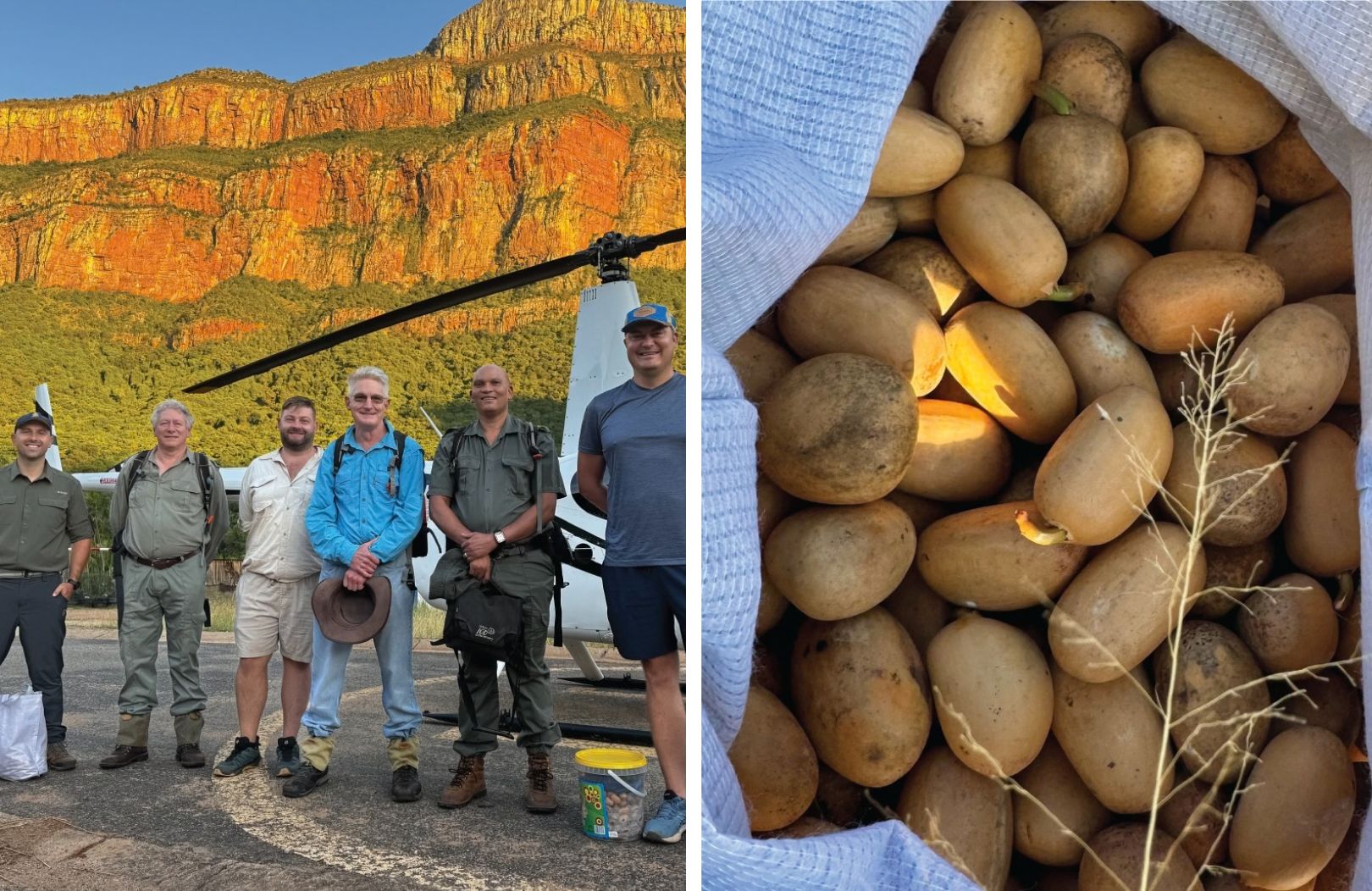
South Africa (10 March 2026) – The Wild Cycad Conservancy (WCC) and Hope for Wildlife Helicopter Services, together with conservation teams and experts, recently completed a mission to plant nearly 1000 cycad seeds in some of the country’s most remote and rugged terrain.
Cycads are often called ‘living fossils’ as they’ve been on Earth for over 300 million years! They even survived the mass extinction that wiped out the dinosaurs… Sadly, though, they’re now the most threatened group of plants on the planet.
In South Africa, the leading cause of their decline isn’t nature, it’s poaching. Because they are highly prized by collectors in the horticultural trade, many species have been stripped from the wild.
This recent restoration focused on two particularly vulnerable species. The Encephalartos cupidus and Encephalartos inopinus. Both have faced devastating pressure from illegal poaching, making this replanting effort a lifeline for their survival.
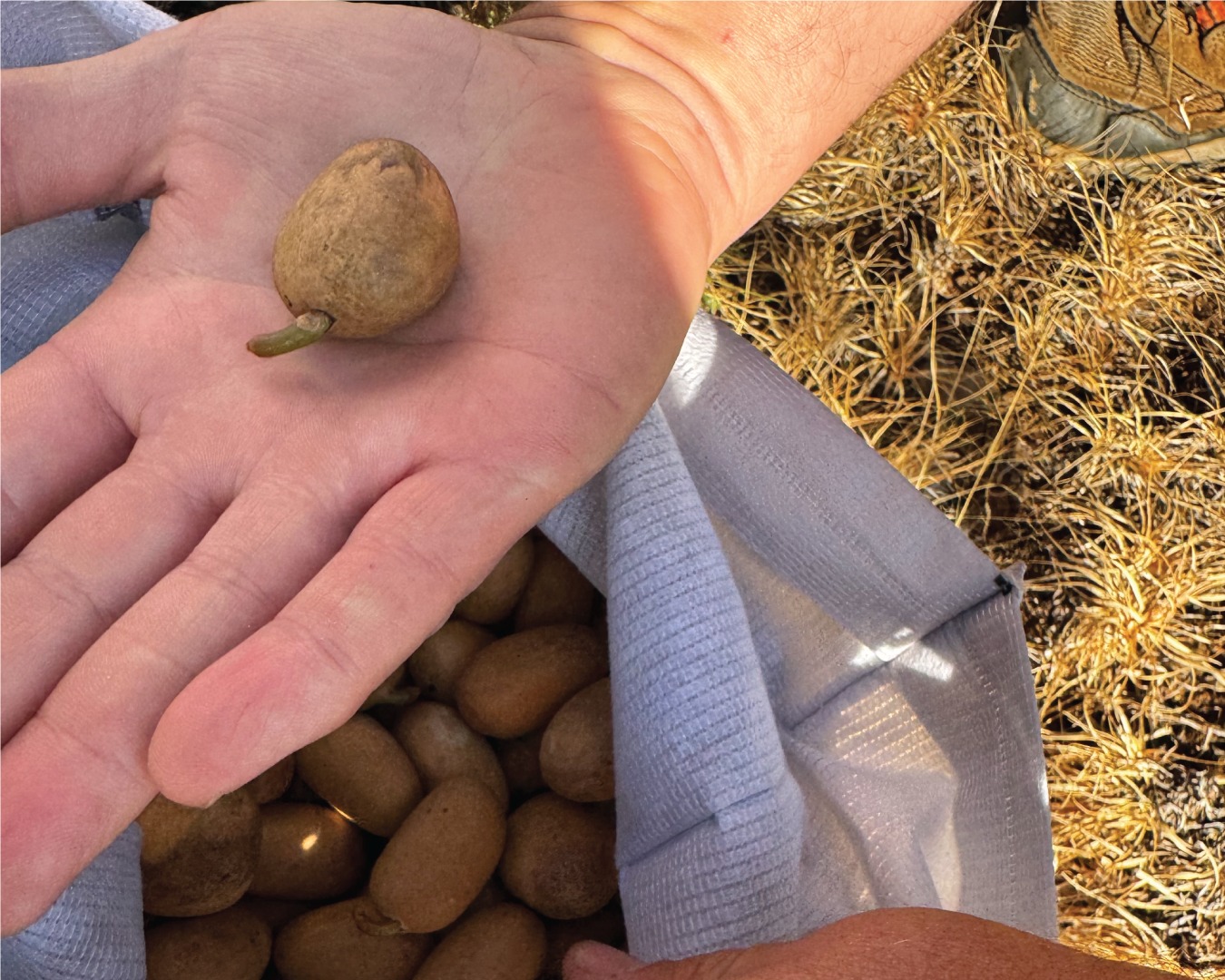
Saving a species isn’t as simple as ‘just planting’, especially when there are threats involved. In order to give these precious seeds the best chance at life, and in turn, cycad populations a chance to grow and recover, teams have to go where poachers can’t easily follow.
This mission (one of many) was supported by the expert flying of Hope for Wildlife Helicopter Services.
“Reaching these sites was no small task. The operation involved confined helicopter landings and challenging terrain, followed by long walks into remote areas where close to 1000 cycad seeds were carefully planted.” shared Hope for Wildlife Helicopter Services. “Each seed represents a step toward restoring what has been taken and giving these ancient plants a chance to return to the landscapes where they belong.”

Of South Africa’s 38 cycad species, five are already extinct in the wild. Ten more are Critically Endangered, including three that are so rare that only a handful of individual plants remain in existence. South Africa has lost more cycad species in the last 20 years than in the previous 200.
Organisations like the WCC work tirelessly to secure protected habitat for wild populations, maintain living collections that act as gene banks, and support scientific research into cycad biology. It’s the only cycad conservation organisation in South Africa that both protects and manages reserves specifically for these species!
 They Made It! Young Animal Welfare Volunteers Off to Cape Town
 This Dog Saw Humanity at Its Cruellest – Then Came a Little Girl With R15
 by
by