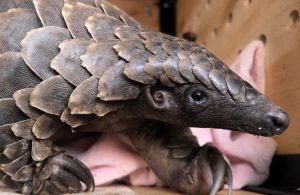
The Mammal Red List of South Africa – covering Lesotho and Eswatini, too – has been updated. The numbers reflect why conservation matters and where focus needs to be placed to better protect mammalian species.
South Africa (28 January 2026) – Important conservation updates!
Coordinated by the Endangered Wildlife Trust (EWT) and the South African National Biodiversity Institute (SANBI), the Mammal Red List has been updated to reflect the current conservation status for mammals in the region.
The list categorises 336 taxa evaluated and placed across nine statuses, ranging from Least Concern to Extinct.
Overall, three species’ conservation status moved to a less critical position on the list, meaning that conservation efforts have made an impact since the previous report’s release in 2016. The Hartmann’s mountain zebra is one such species, shifting from Vulnerable to Near Threatened.
Every downlisted species is a win.
The ‘other side’ of the update – uplisted species that have moved a step closer toward extinction – isn’t positive, but it does shine a light on where the focus needs to move. It gives us a better idea about the species that increasingly need more protection, and it underlines existing threats that must be tackled.
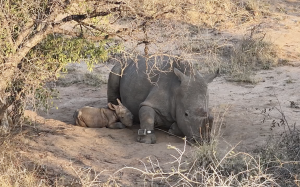
According to the list, a total of 11 species were uplisted to higher threat categories in the revision. This brings the overall percentage of mammals threatened with extinction in South Africa to about 20% of the 336 taxa evaluated, with 11.5% landing in Near Threatened.
Those threats are largely brought on by people – agriculture, poaching, climate change, residential and commercial development, and over-exploitation of biological resources are all major contributors.
The updated list also reflects that while a large proportion of mammals are Well Protected within protected areas in South Africa, 25% are Poorly Protected or Not Protected, and need intervention to increase their protection level.
Related Stories
 They Made It! Young Animal Welfare Volunteers Off to Cape Town
 This Dog Saw Humanity at Its Cruellest – Then Came a Little Girl With R15
The good news is that people have the opportunity to make a positive difference. To become more conservation-forward. To educate themselves about threatened species and how we contribute toward that decline. Knowledge is power, and it’s the first step toward impact.
 by
by