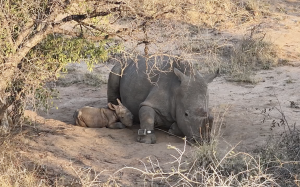
The NSPCA has intervened and stopped a planned monkey cull that sparked nationwide concern last week.
KwaZulu-Natal, South Africa (20 October 2025) – Earlier this month, residents at a retirement community in KZN received an official letter asking them to stay indoors for a scheduled ‘wildlife management programme.’
It didn’t take long for word to spread that the plan was, in fact, a proposed culling of vervet monkeys living in the area.
The notice was not taken lightly among residents, animal lovers and welfare groups across SA who argued that there was no evidence of severe human–primate conflict to justify the drastic action of culling.
The NSPCA caught wind of the news and stepped in quickly. Working with involved parties including Ezemvelo KZN Wildlife as well the local SPCA in Amanzimtoti and representatives of the retirement community, they confirmed that the mass cull would not go ahead.
It was also agreed that any future wildlife management interventions will be handled in accordance with provincial conservation and animal welfare legislation.
“While we understand that vervet monkeys can cause frustration, particularly in residential areas, it is critical to remember that these are highly intelligent, social, and sentient animals,” said Chief Inspector Douglas Wolhuter, Manager of the NSPCA’s Wildlife Protection Unit. “Lethal control should never be the first option, nor the easy one.”
The NSPCA emphasised that animal welfare considerations must be a part of any conflict mitigation strategy. This includes proper waste management, humane non-lethal deterrents and education initiatives that reduce conflict.
The council noted that the NSPCA or local SPCA must be consulted ahead of any wildlife interventions.
“The welfare and conservation of wildlife are inseparable,” Wolhuter says. “A balanced, evidence-based approach protects both people and animals, and helps avoid suffering.”
 SA Conservation Doccie 'SPOILED' Wins Top Sustainability Award at International Film Festival in Spain
 They Made It! Young Animal Welfare Volunteers Off to Cape Town
With the planned cull off the table, what happens next will depend on cooperation between the community, conservation authorities and animal welfare groups.
With the right people involved, compassion and co-existence will guide the most reasonable way forward.
 by
by