


Recent weather conditions resulted in more birds being brought in for care, highlighting the ongoing role SANCCOB plays in rescue and rehabilitation.
Cape Town, South Africa (23 April 2026)- As Earth Day is marked around the world, the team at SANCCOB is reflecting on a week that brought their work into sharp focus.
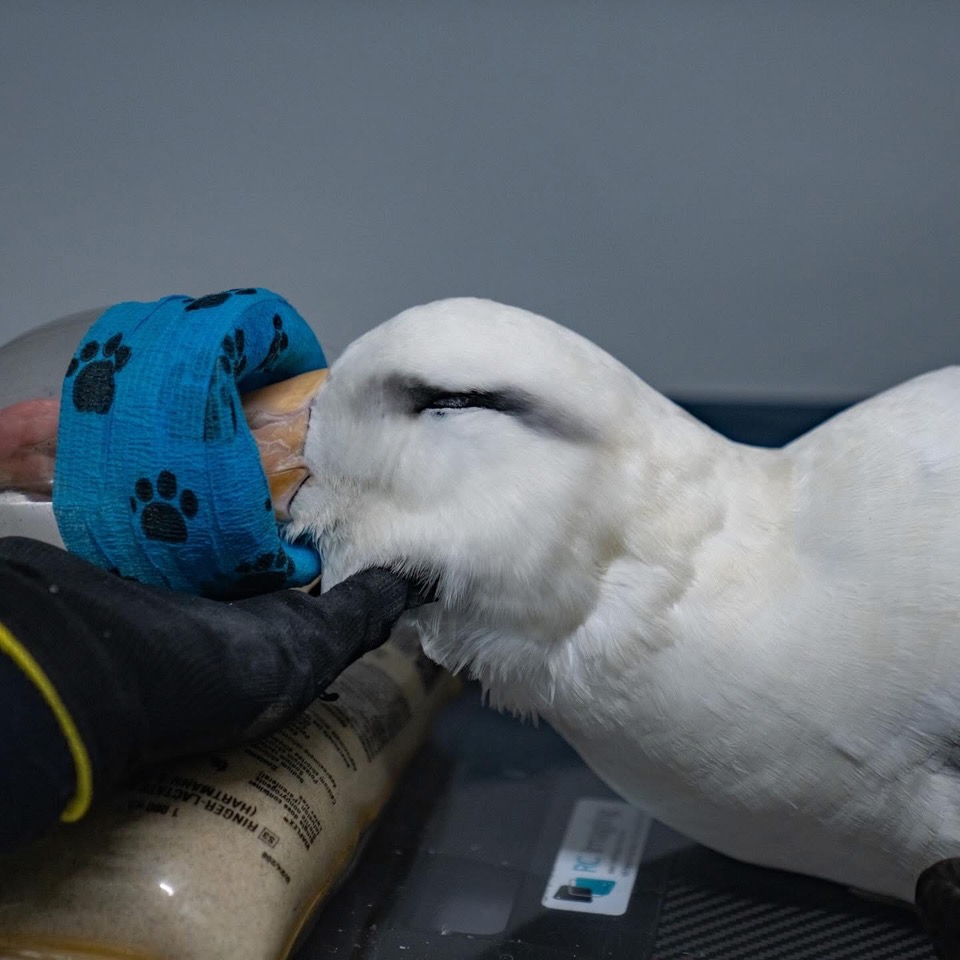
Recent storms across Cape Town and the broader Western Cape led to an increase in seabirds being admitted for care, particularly pelagic species that are usually found far out at sea. Among them were two Black-browed Albatross.
With a wingspan stretching between 2.2 and 2.5 metres, roughly the width of a small car, these birds are built for long-distance ocean travel. Their arrival closer to shore points to just how strong the recent winds were, pushing them far off course.
One of the albatrosses was found at the V&A Waterfront on 19 April and admitted later that evening. The bird is currently stable but is being treated for a serious eye injury, receiving antibiotics, pain management and specialised care. X-rays have already been completed, with surgery still a possibility depending on recovery.
SANCCOB know and understand the memo. It’s about responding when wildlife is in distress, while also contributing to long-term conservation through research, rehabilitation.
The recent spike in admissions highlights how quickly changing weather conditions can impact marine life, and why readiness remains a key part of the organisation’s work.
As Earth Day brings attention to environmental challenges globally, moments like these offer a closer look at how that work plays out on the ground.
 by
by 