Borders don’t stop conservationists from saving wildlife. This mission spanned two countries to save one endangered Cape Vulture.
KwaZulu-Natal (24 February 2026) – A vulture response group in South Africa was recently called to action when a juvenile Cape Vulture was found injured.
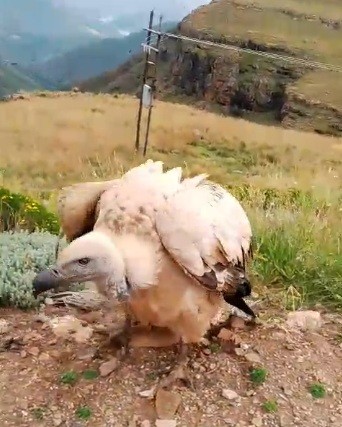
With no facilities in the highlands of Lesotho that could care for it, the call leapt over the border.
“With no resources to look after the bird, the call for help was to our vulture response group in South Africa. But, you can’t just go and collect an animal from another country…” shared FreeMe Widlife. “A few days in, and it was clear the bird’s condition was deteriorating. As much as we wanted to just rush in and rescue it, there were the legal implications to consider.” shared FreeMe.
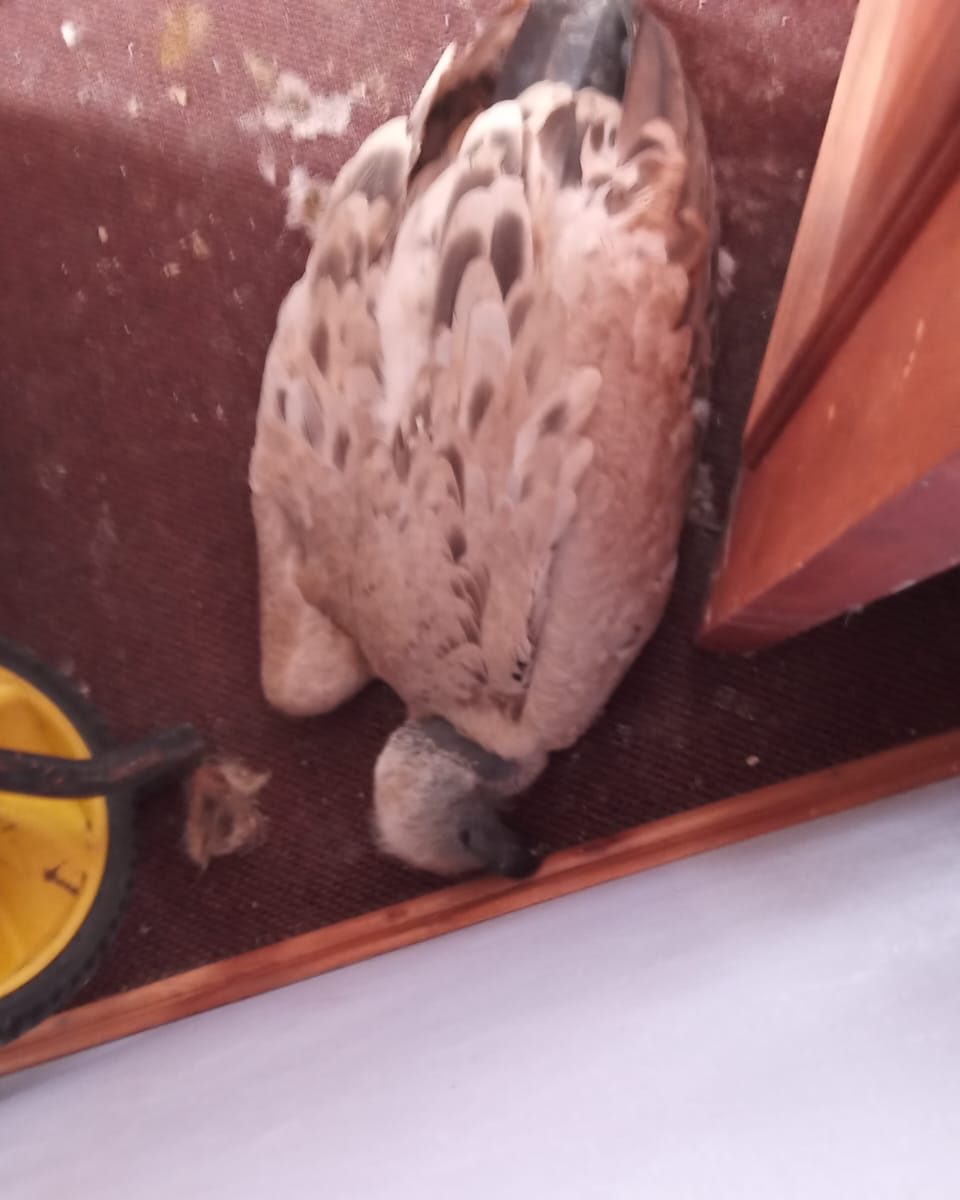
Conservation knows no bounds, especially when there is an endangered species involved. Two countries, multiple authorities, a response team and a wildlife rehab centre all banded together to give this bird a chance at survival.
“Proving that no obstacle is insurmountable, everyone pulled together. The conservation authorities in Lesotho applied for a CITES permit to export the endangered bird to South Africa, and with the backing of our conservation authorities, we applied for a CITES permit to import the bird to FreeMe Wildlife.” the organisation shared.
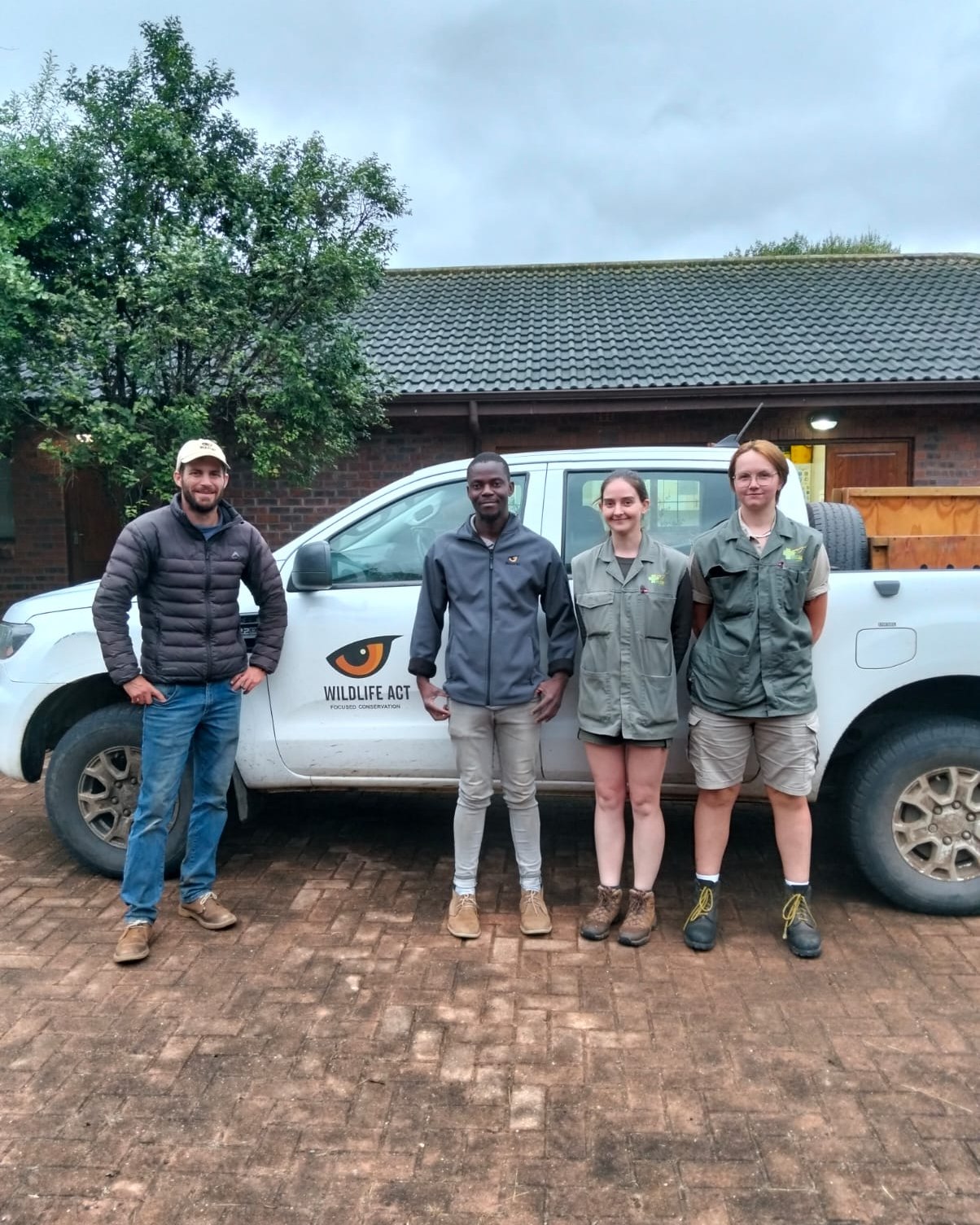
Once the paperwork was in place, the Wildlife ACT team undertook the long journey into a remote part of Lesotho to collect the young vulture and bring it safely to FreeMe Wildlife in KwaZulu-Natal, where it is now currently in care.
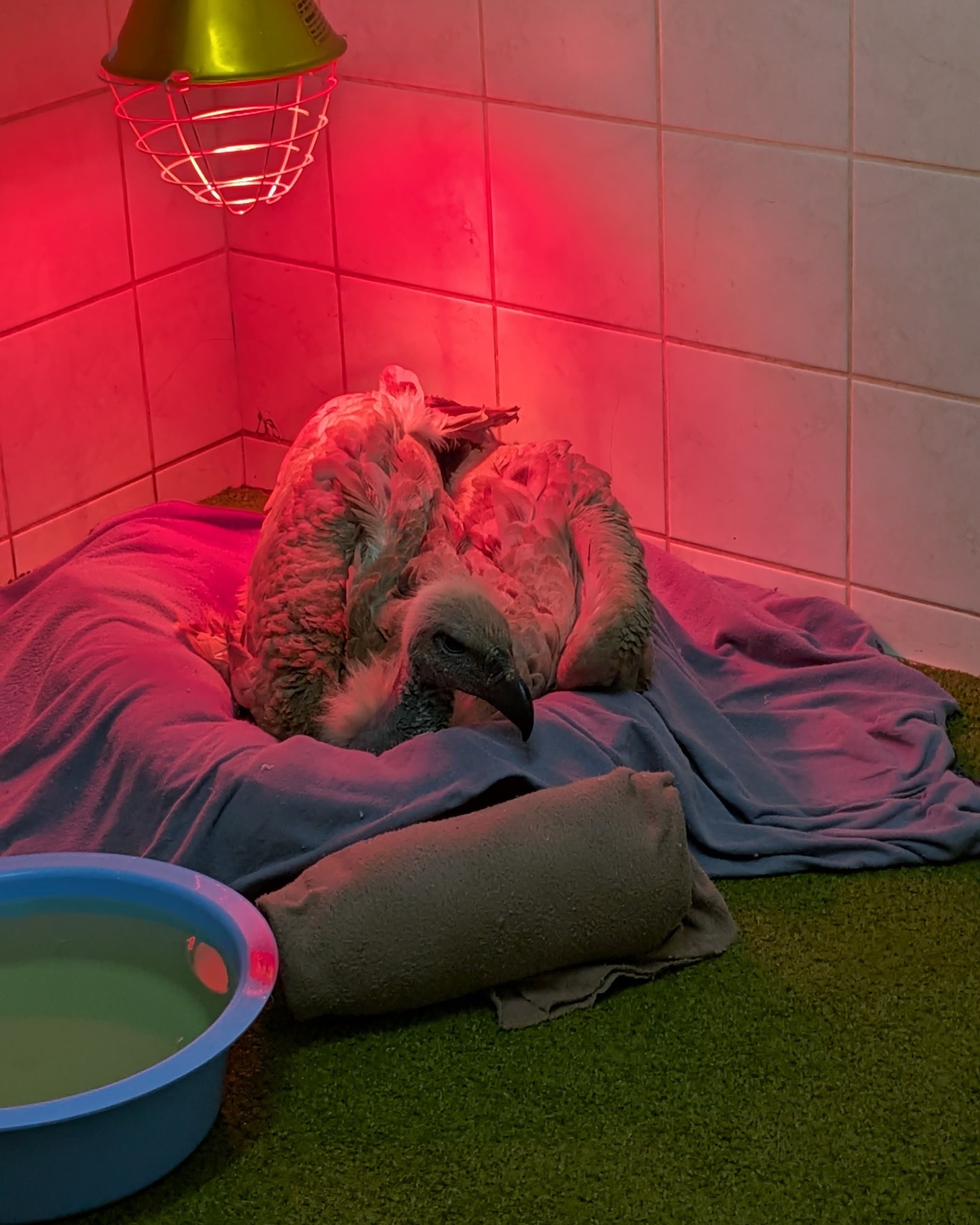
“From being at death’s door, this Cape Vulture is improving steadily. Initially on fluids, the sheer volume of rubbish excreted must have made the bird feel a lot better! With its gastrointestinal tract functioning, we introduced a nutritious ‘soup’ packed with protein, fats, amino acids, vitamins and minerals which was tube fed to the bird for the first few days. And once the bird started protesting the handling and tube feeding (which is a good sign that strength is returning) we introduced small amounts of solid food.” shared FreeMe.
All signs point toward a strong recovery.
Sadly, this vulture won’t be able to return to the wild. A harsh reality posed by the existing threats that push the species closer toward the red line.
Related Stories
 They Made It! Young Animal Welfare Volunteers Off to Cape Town
 This Dog Saw Humanity at Its Cruellest – Then Came a Little Girl With R15
“The bird is alive and recovering well, but sadly a broken wing tip means it will never be able to be returned to the wild,” shares FreeMe.
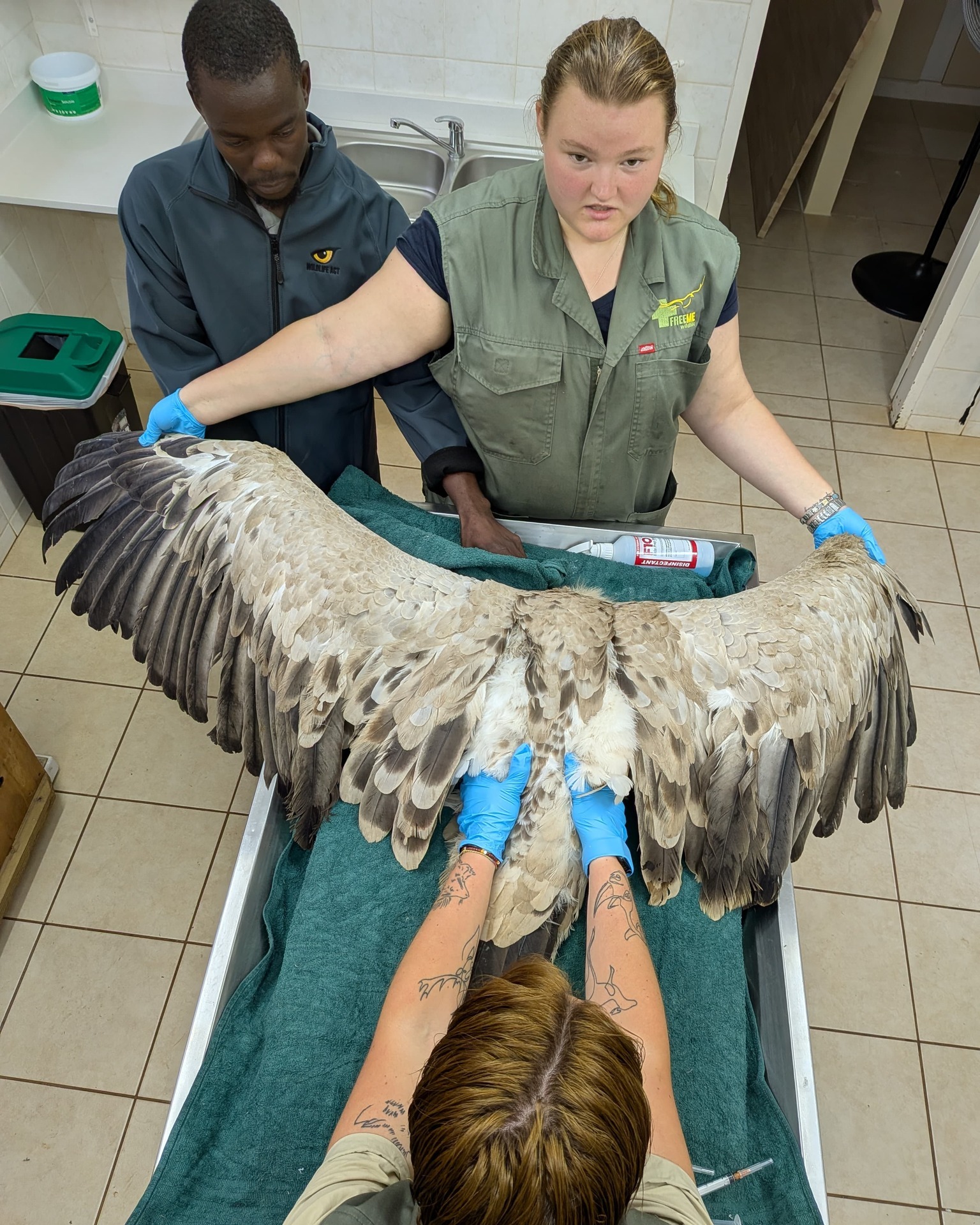
FreeMe’s core mission is always rehabilitation and release. But in the case of endangered species like the Cape Vulture there are carefully managed, permitted breeding and reintroduction programmes where non-releasable individuals can still contribute to the survival of the species.
Even if the juvenile Cape Vulture might never be able to fly again, it has a second chance at life and over-time, a chance to positively impact its species overall, too.
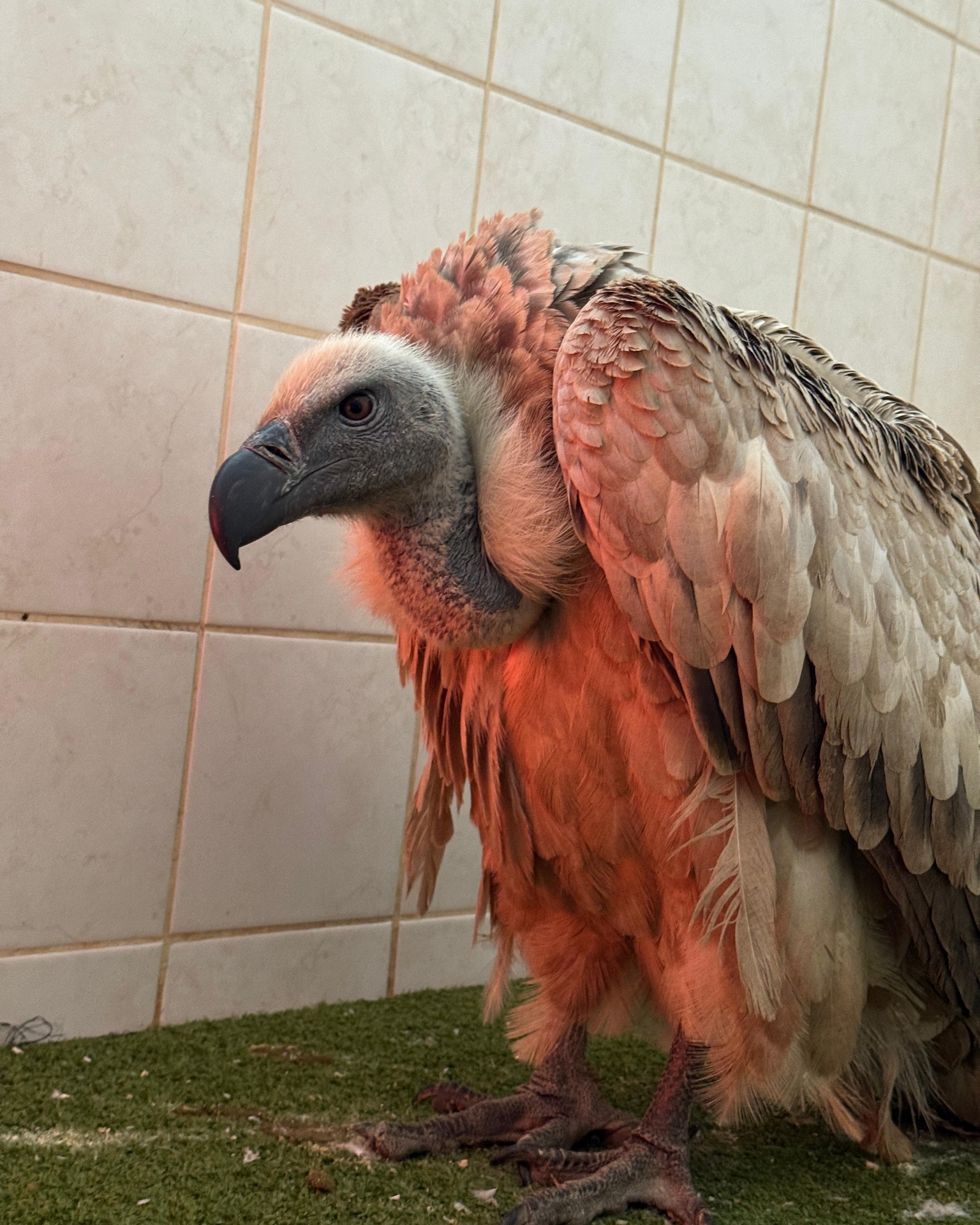
“But for now, this is one more life saved, thanks to the efforts of so many people. After everything was done, the vulture was settled into our ICU unit and will get round the clock care and monitoring to get it stronger again.” shares FreeMe.
 by
by