“Lockdown didn’t break us or our restaurant. We started doing deliveries by car and today we even have ‘Lockdown’ and ‘House Arrest’ burgers on the menu!”
Western Cape, South Africa (30 October 2022) – Sit down to a gourmet pizza at Lavay’s Good Food restaurant in Khayelitsha – a former shebeen-turned-alcohol-free eatery with big ambitions to grow. This is just one of the success stories of a groundbreaking initiative by Distell, which is converting unlicensed liquor outlets into new, sustainable businesses in support of township development.
Lungiswa Bonda has a passion for food, having worked in a top Cape Town hotel and as a private cook until the Covid-19 Lockdown left her jobless. Her son James had been agitating for the family to start its own business, having lost his job too in 2019, but Lungiswa was nervous about crime and resisted the idea at first.
They began operating a shebeen without a licence, which soon became known as a rowdy venue – hence Lungiswa’s neighbourhood nickname, Lavay, a township take on the Afrikaans word for noise.
Then she was approached by Distell’s development partner Supply Pal with the idea of going legal, and after analysing the options with the expertise of Supply Pal, she saw a way out of the liquor trade. The idea for Lavay’s was born, but there was work to be done.
The floor of the seating area was crumbling and unsanitary, and she was using her electric oven to make pizzas. She needed proper refrigeration and, most importantly, the financial and business skills to run a profitable business.
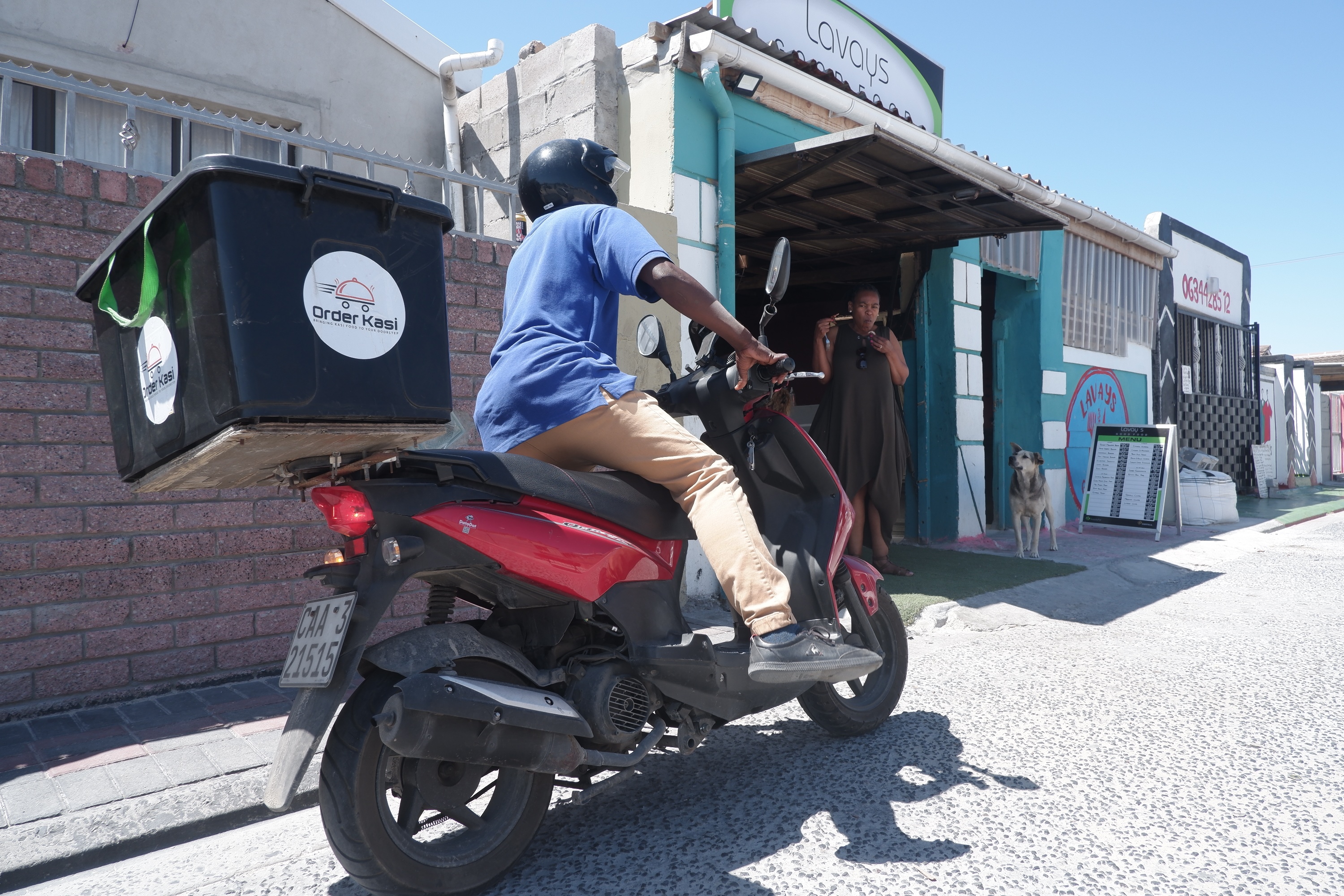
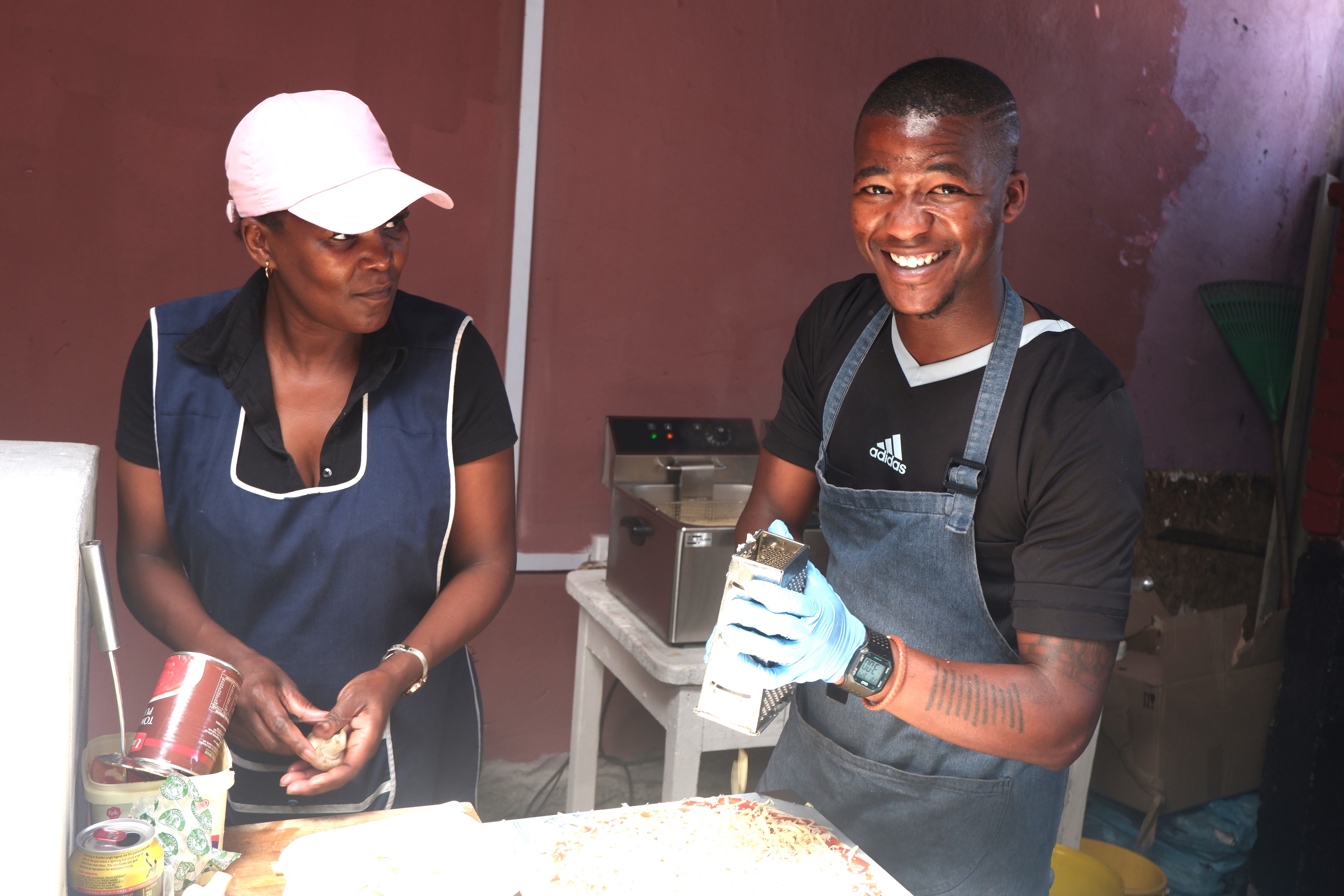
Today Lavay’s is a neighbourhood treasure, with a traditional pizza oven, deep fryers, deep freeze and a renovated interior, as well as a handheld point-of-sale device that automatically tracks revenue and stock, while allowing Lungiswa to sell airtime and electricity and do money transfers. There’s also free WiFi and Lavay’s is hooked up to another township innovation, Order Kasi, which does motorcycle orders and deliveries via a mobile phone app.
Toiling at the pizza oven, James reflects on the journey so far: “Lockdown didn’t break us. We started doing deliveries by car and today we even have ‘Lockdown’ and ‘House Arrest’ burgers on the menu!”
Nqabakazi Mqikela has an equally inspiring story. She too lost her job in 2019 and started selling alcohol illegally to get by, earning a criminal record for her trouble. Having noticed the shocking state of the public toilets at the local wholesaler, which were used by the surrounding community, she offered to keep them clean at the price of R2 a visit.
She also operated a veggie stand outside but today, she is the proud owner of a fully equipped mobile food kiosk, branded Nqaba’s Fast Foods, serving everything from coffee first thing in the morning to Russians, hotdogs, chicken feet and pig’s heads.
Related Stories
 It’s Will’s Month: Grant Fietze Talks Life, Legacy and Getting Your Affairs in Order!
 SPAR Celebrates 9 Wins at the 2026 Food & Home Awards!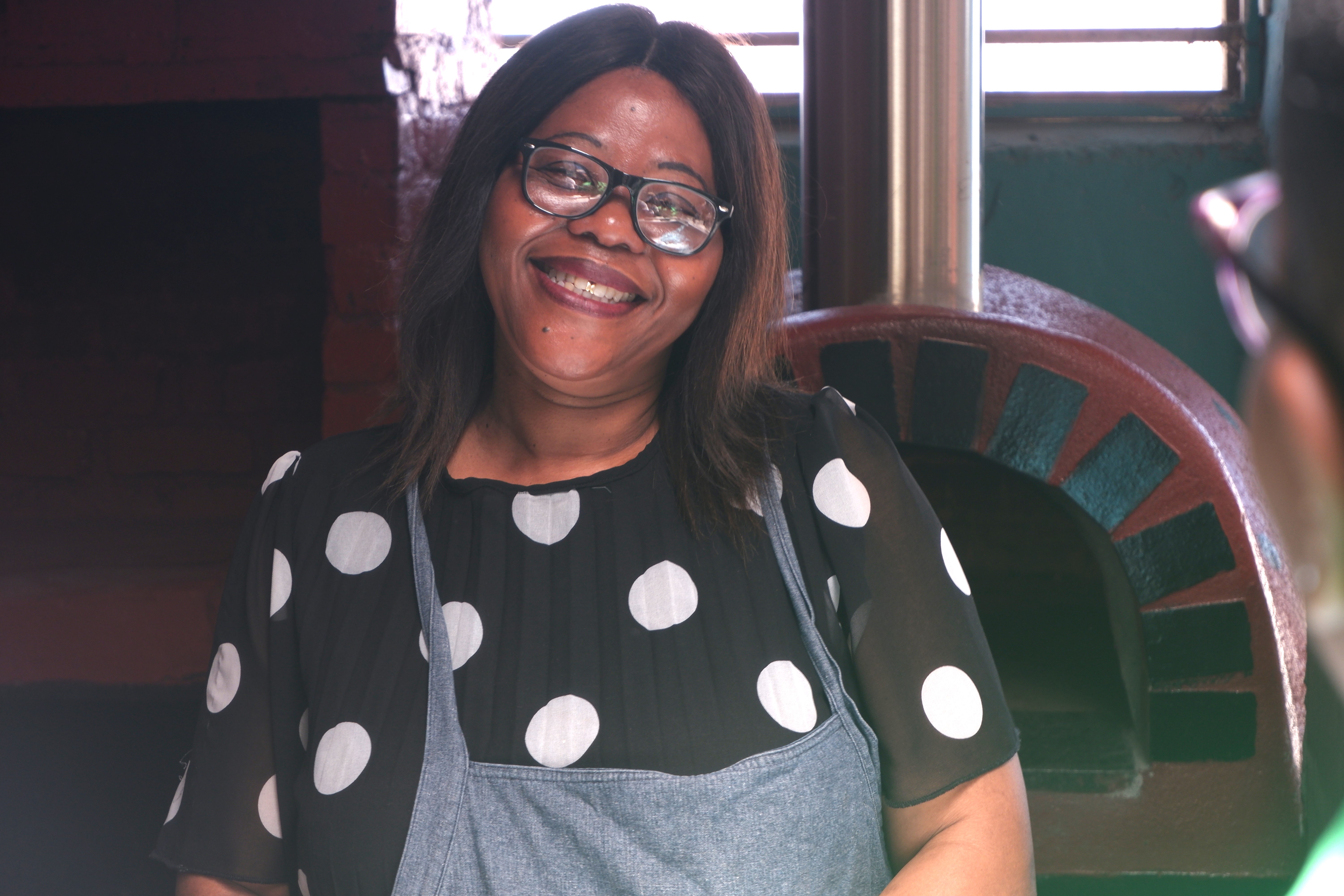
She says the support from Distell and Supply Pal has changed her life.
So far, ten such outlets have made the journey from selling liquor illegally to becoming a fully registered food business, enjoying continued business mentoring and coaching support from Supply Pal.
It has been a long process, beginning with a survey of 5,000 township businesses which found that of the total 532 liquor traders in Khayelitsha, just 151 had a licence.
Countrywide, there are about 50,000 unlicensed liquor outlets, mostly in townships and rural areas, according to industry-commissioned research. As many as 80% of these shebeen owners survive from hand-to-mouth and show limited adherence to liquor regulations and responsible trading practices.
In a drive to promote a culture of responsible alcohol consumption and build sustainable township businesses, Distell’s formalisation programme aims to empower informal liquor traders to become legally compliant, and this includes assisting businesses like Lavay’s and Nqaba’s to make a fresh start in the food trade.
“We’ve always said that Distell is about more than alcohol,” says Head of the Responsible Alcohol Programme Clarence Sibiya. “We are committed to empowering our communities to thrive, growing employment and helping to address some of the deep socioeconomic challenges in our country.”
“Being a registered business opens up access to credit and many other benefits that an illegal outlet doesn’t enjoy. This leads to a 160% increase in revenue on average and the creation of a potential three additional jobs per outlet,” Sibiya said.
“If you multiply that by 50 000 outlets that have no licence, it’s clear there is great employment creation potential as well as growth opportunities in township economies that can stimulate further localised development.”
Supply Pal Director Andre Titus said along with the equipment, training and investment in infrastructure supported by Distell; specialists would help with registration and certification, building plans and approvals required to become fully legally compliant.
“We’ve gained some fantastic learnings from this process which will help us to expand this project from here and ensure the outlets in the programme become sustainable businesses for the long term.”
 by
by