More than 4,000 kilometres, 8 countries and 661,159 pedal strokes later… Arrie Rautenbach has reached the North Cape and delivered a powerful message about living with Parkinson’s.
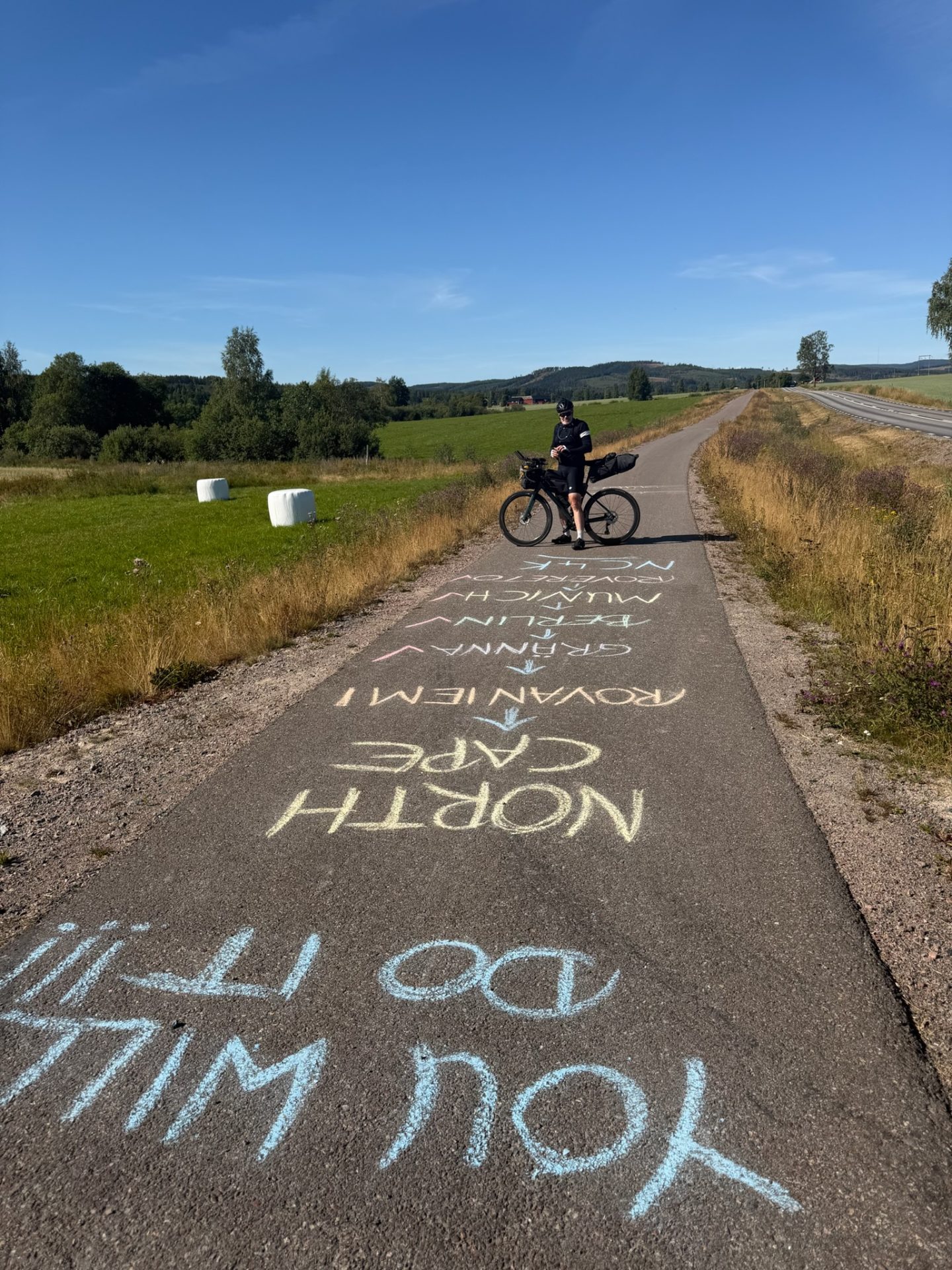
South Africa (27 August 2026) – Earlier this month, we shared the story of former Absa CEO Arrie Rautenbach as he made his way across Europe on a bicycle, taking on the mammoth NorthCape4000 while living with Parkinson’s disease. At the time, thousands of kilometres still stretched out ahead of him, from Rovereto in northern Italy through Europe and towards the very top of Norway.
Today, we get to share the update we were all hoping for.
Arrie made it!!!
After 4,062.5 kilometres, 30,301 metres of climbing and an extraordinary 661,159 pedal strokes, Arrie arrived at Norway’s North Cape, completing one of the world’s toughest self-supported ultra-distance cycling challenges while also carrying a much bigger mission with him: to change the way we understand Parkinson’s.
“Parkinson’s disease is not just a tremor. It is the non-visible symptoms that have the biggest impact on your life.”
Behind those staggering numbers were cramps, exhaustion, poor sleep, digestive and bladder problems, vivid dreams, medication side effects, illness, apathy and Parkinson’s symptoms that could change without warning. The NorthCape4000 already demands an enormous amount from every rider, who must manage their own food, accommodation, equipment and recovery along the route, but Arrie was navigating all of that while also learning, kilometre by kilometre, what his body would allow him to do.
“Parkinson’s doesn’t adjust to your plans,” Arrie wrote during the ride. “It comes when you least expect it and drives its own plans. You have to adjust.”
And adjust he did. There were brutal climbs, rain, cold, headwinds and illness, and then his bicycle started giving him trouble too. On one particularly difficult day, the chain began slipping until it was jumping on almost every pedal stroke.
“Mechanicals like this are mentally exhausting because you can’t fix it and you keep worrying if the bike will last to the end of the day.”
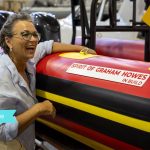 Graham Howes’ Legacy Lives On Through New NSRI Rescue Vessel
 A Community’s Mission to Restore Dignity and Keep Hope Alive for Bhekani
The broken rhythm of the bicycle became an unexpected analogy for Parkinson’s itself. The bike did not always behave the way it was supposed to, and neither did his body. Plans changed, expected finishing dates moved and on the hardest days, Arrie had to focus less on where he thought he should be and more on what was possible in that moment.
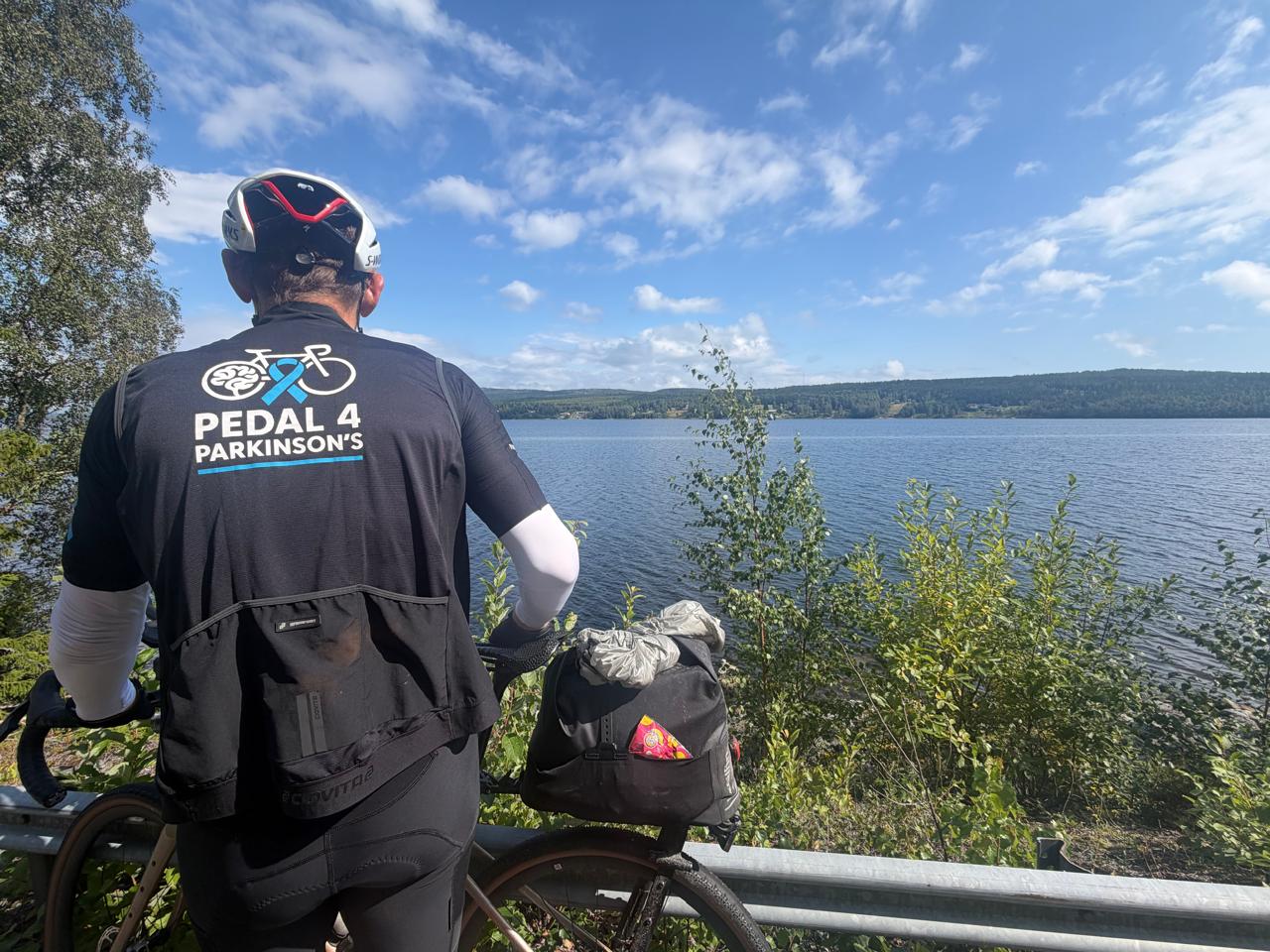
He also had some help from his imaginary companion, Dr Watson, the voice Arrie created to help push him through the moments when motivation disappeared.
“I don’t consult with myself anymore. Dr Watson sets the tone.”
There is humour in that, of course, but there is also something incredibly important behind it. Parkinson’s affects dopamine, which plays a role not only in movement but also in motivation. For Arrie, finding a way to keep moving when his mind was telling him otherwise became as important as tackling any mountain on the route. And he did not have to tackle all of those mountains alone. Along the way, Arrie met Martin, a German rider who eventually adjusted his own race to ride at Arrie’s pace as the mechanical problems and Parkinson’s symptoms became more challenging.
“Riding with someone makes a huge difference and gives some certainty of backup,” Arrie explained.
There were other beautiful moments of human connection too. At a care facility in Germany, staff invited Arrie in for breakfast after discovering that he was living with Parkinson’s. Several people at the facility were living with the disease too, turning an unexpected stop along a 4,000-kilometre journey into a moment of connection Arrie could never have planned.
“You just never know what lies around the next corner.”
That is what makes the final number of this journey so powerful… 661,159 pedal strokes. Nobody cycles more than 4,000 kilometres at once. Nobody climbs the equivalent of almost three and a half Mount Everests in a single movement. You do it one pedal stroke at a time, and then another, and then another. It became Arrie’s way of looking at Parkinson’s too. Tomorrow may bring symptoms you cannot predict and plans you may have to change but today you can focus on the thing directly in front of you.
The journey was the first major awareness initiative of the newly established Arrie Rautenbach Parkinson’s Foundation, which aims to educate South Africans about the condition, encourage earlier diagnosis and create a place where people affected by Parkinson’s can find information and support.
 by
by