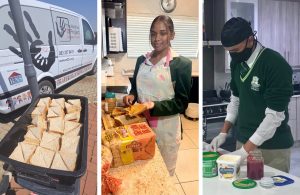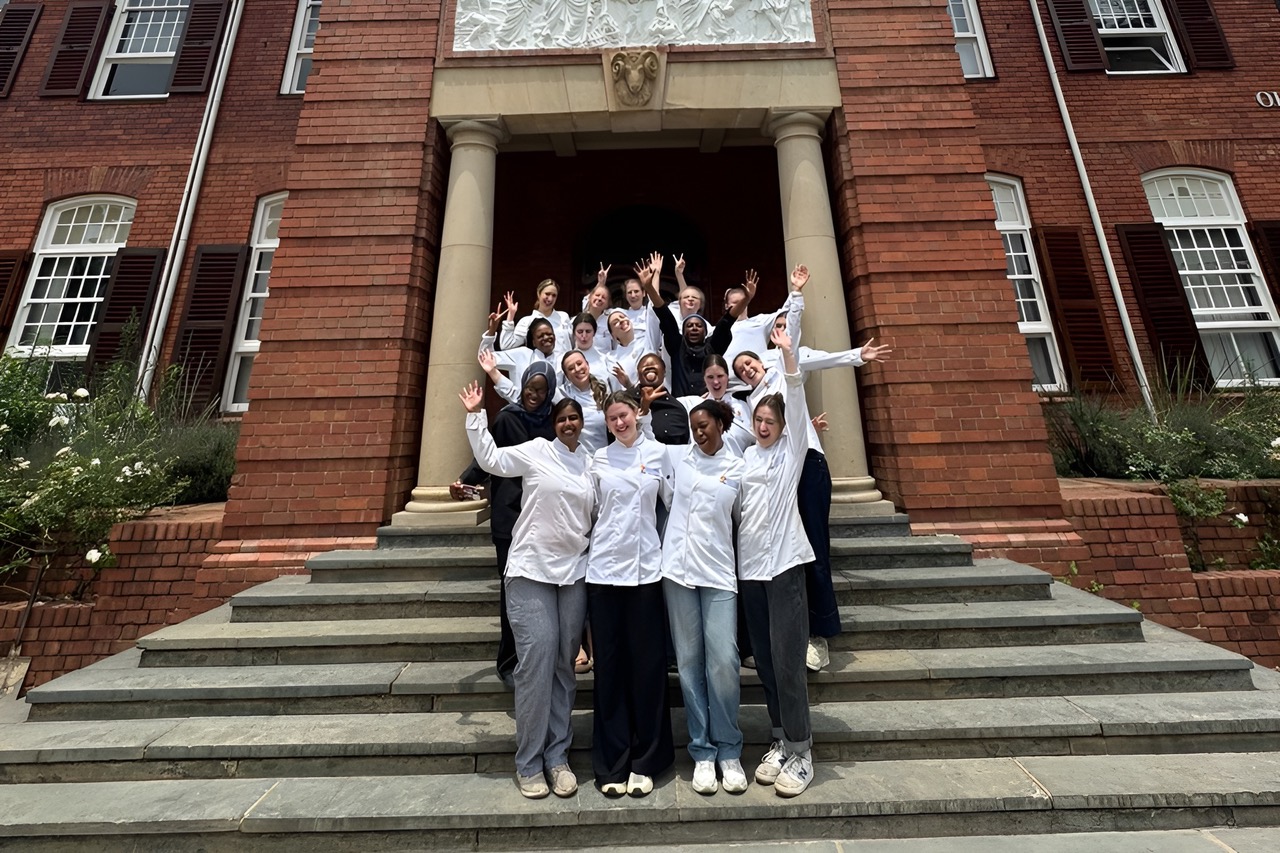
As part of their final mark, students at UP were tasked with finding creative ways to turn food waste into something you’d grab off the shelf and order from a menu.
Pretoria, South Africa (04 December 2025) – Every year, South Africa throws away tons of usable food. Most of this waste occurs during harvesting, transport, and production, long before produce even makes it to us (consumers).
So for their final project, UP’s Consumer and Food Sciences students decided to take that problem and turn it into dinner for their guests.
The event was called UPCycled, and it challenged them to create dishes and nutritious products using ingredients and materials that would usually be chucked in landfill.


Retail Management students developed three products, complete with packaging! There was STOAT, sweet or savoury oats with ‘ugly’ fruit-based spice mix. Benefiz, fizzy tabs designed to enhance beverages, made from fruit and veggie trimmings and enriched with collagen extracted from entrails. Lastly, Noods & Moods, a combo meal of hot and spicy vegetable-filled ramen cup, and a vegan macadamia nut ice cream with spent coffee grounds and nut chips.

Culinary and Hospitality students treated guests to dinner. The full menu was built entirely around rescued food and production offcuts. The focus was on sustainability, food security and zero waste. We’d inhale it all – potato croquettes dusted in onion ash, a reimagined beef Wellington made with coffee-cocoa ragu, an amasi cheesecake with rooibos coulis and strawberry mousse…


From food to fashion, Clothing Management students got involved too, reimagining waste in a different way. They created outfits made from old bread packets and plastic shopper bags.
All of this was showcased at Moja Gabedi, a space that used to be an illegal dumping site in Hatfield. UP cleaned it up, turned it into a community garden, and now uses it as a space where students grow food with local residents to help curb hunger.
View this post on Instagram
 SPAR Women’s Challenge Funds Turned Into GBV Prevention Programme
 Street Lines 2026 Showcases the Best of South African Skateboarding
Every project was built around a bigger point that if we learn to use what we already have, we waste less, harm less, and feed more people who actually need it. The onus isn’t only on the consumer, waste starts long before that. The ingredients we overlook still have value. Scraps can become sustenance. Students can rethink the whole system in ways that feel sustainable, doable and hopeful.
 by
by