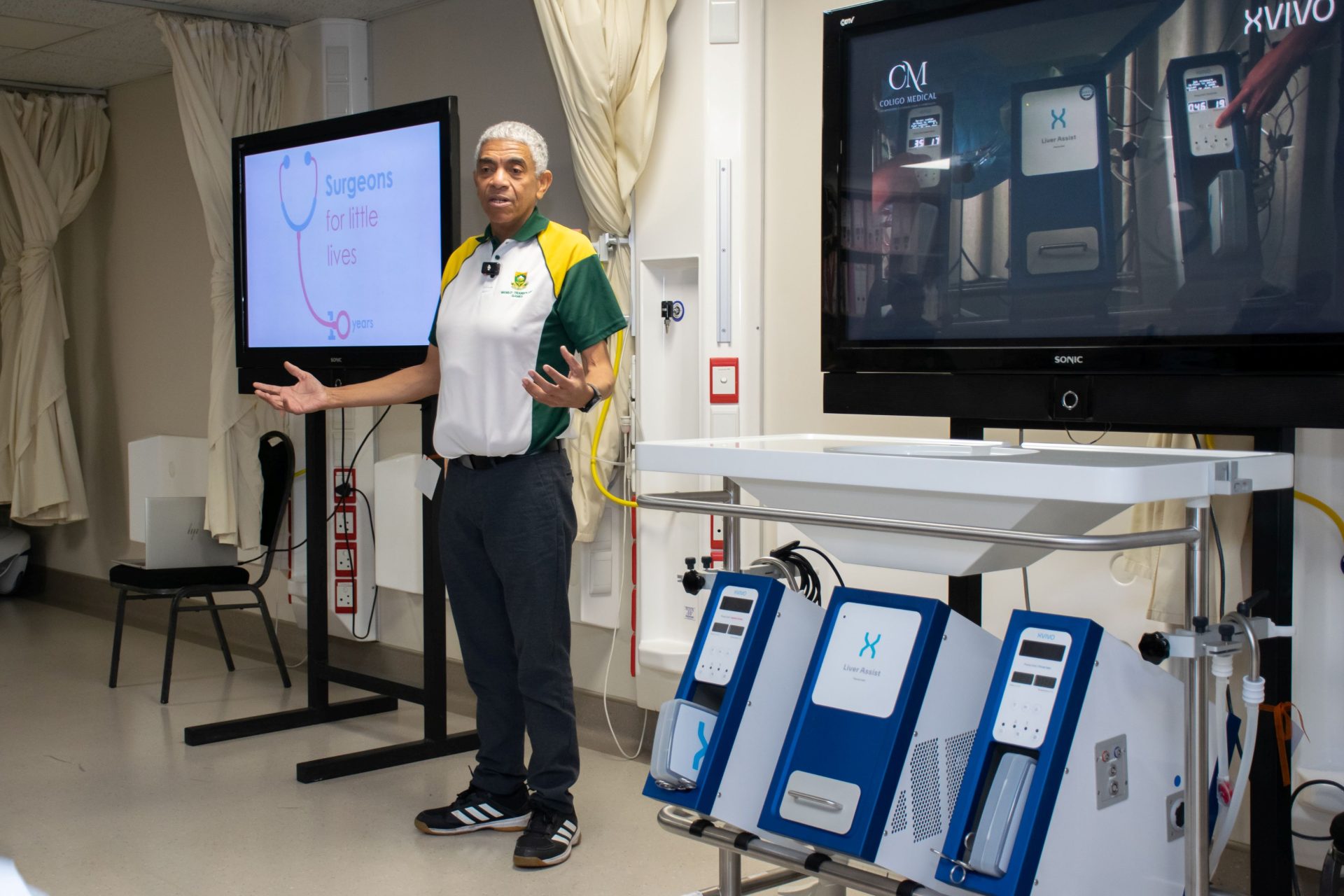
A groundbreaking new liver perfusion machine could increase organ utilisation and improve transplant outcomes for South African patients.
South Africa (12 June 2026) – For patients waiting for a liver transplant, time is often the one thing they don’t have. Every day, people across the country wait for the call that could save their lives, knowing that suitable donor organs are in short supply and that not every donated liver can be used. In a healthcare system already facing severe organ shortages, every viable organ matters.
Now, a groundbreaking piece of technology introduced at Wits Donald Gordon Medical Centre (WDGMC) could help change that reality for patients and their families.
The Johannesburg-based hospital has become the first transplant centre in Africa to introduce a state-of-the-art liver perfusion machine, a development that could significantly increase the number of donor livers available for transplantation while improving outcomes for recipients.
WDGMC, home to one of Africa’s leading liver transplant programmes, has performed more than 1,000 liver transplants over the years and is internationally recognised for its contribution to specialised transplant care, research and surgical training. The new technology was made possible through a partnership with Surgeons for Little Lives and support from corporate sponsor Weelee.
Unlike traditional preservation methods that rely on storing donor organs on ice, the liver perfusion machine keeps donor livers functioning outside the body. This allows transplant teams to assess, monitor and even improve the condition of the organ before transplantation takes place.
Professor Jerome Loveland, Head of Solid Organ Transplantation at WDGMC, believes the technology could make a significant difference in a country where donor organs remain scarce.
“As a transplant programme, our responsibility extends far beyond the operating theatre,” says Loveland. “This technology will help us better assess donor organs and increase the number of livers that can safely be transplanted, whilst simultaneously improving results. In a country where every donor organ matters, this will have a significant impact on organ utility and patient outcomes.”
The machine also gives doctors access to information that was previously unavailable before surgery.
“Traditionally, organs are preserved on ice and assessment is limited,” explains Dr Sharan Rambarran, Transplant Surgeon at WDGMC. “Machine perfusion allows us to monitor how the liver is functioning outside the body. Beyond the valuable information it provides, the machine has the ability to resuscitate the liver by delivering oxygen to the liver cells, creating the best metabolic environment outside the body.”
 Herman High Learners Help Turn Hermanus Pink for Pauline!
 Help Pharos Give Children a Brighter Start to the New School Year
The benefits extend beyond the transplant itself. Clinicians anticipate that the technology could reduce post-operative complications, shorten hospital stays and support better long-term recovery for patients.
For Dr Bilal Bobat, a Transplant Hepatologist at WDGMC, the potential impact is simple.
“Too many patients in South Africa deteriorate while waiting for a transplant because there are simply not enough donor organs available,” he says. “Anything that helps us safely expand organ utilisation has the potential to directly impact survival and quality of life for patients and families facing end-stage liver disease.”
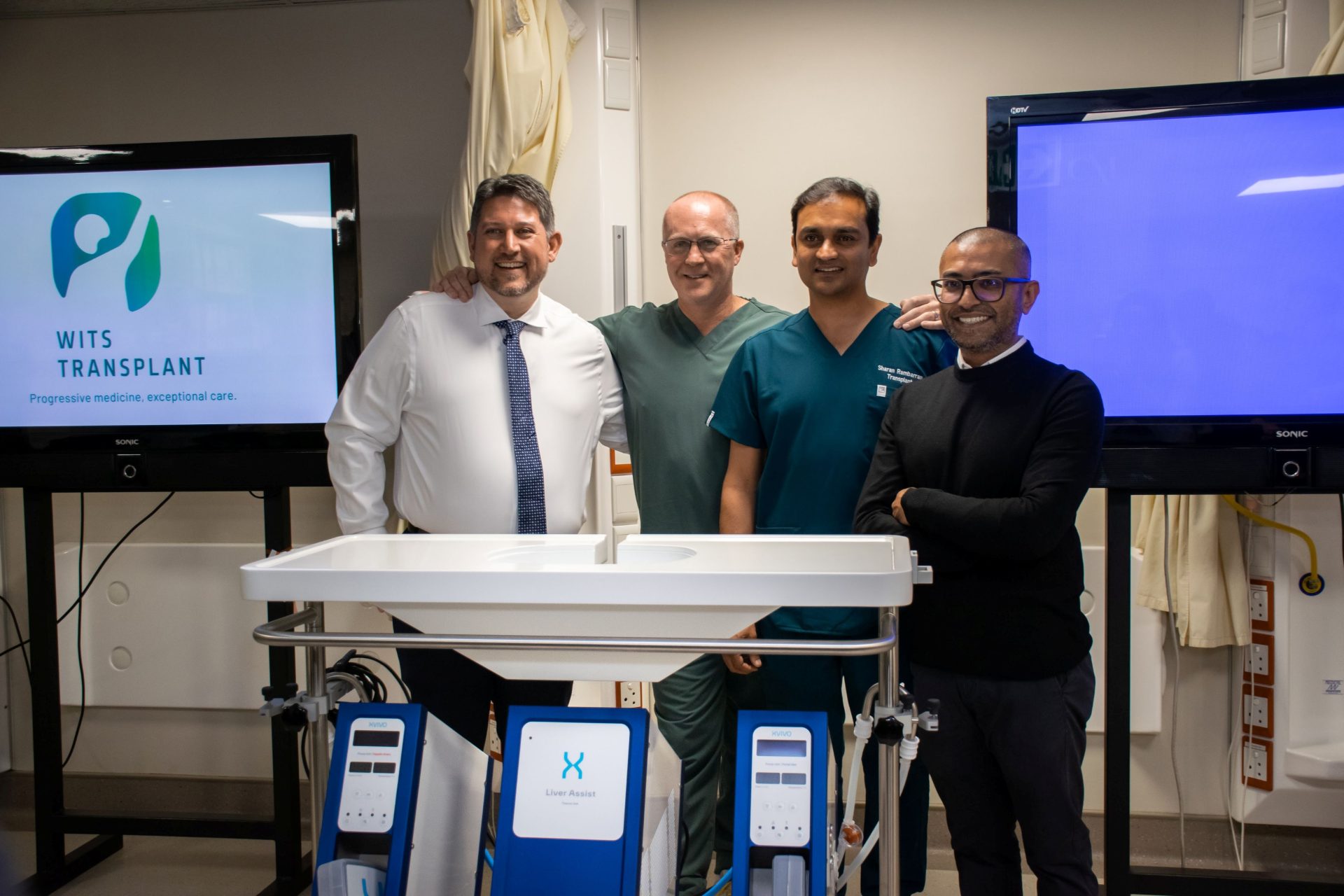
While the new machine marks a major milestone for transplant medicine in South Africa, experts stress that organ donation remains essential. Technology may help maximise the use of available organs, but increasing awareness around organ donation is still critical to giving more patients a second chance at life.
For the teams at WDGMC, this latest advancement is more than a technological breakthrough. It is another step towards ensuring that more donor organs can become life-saving transplants and that more South African families get the hope they have been waiting for.
 by
by