Looking for Mandela Day inspiration? WWF South Africa shares seven practical ways to give back to nature and your neighbourhood this 18 July.
South Africa (17 July 2026) – When Mandela Day rolls around each year, South Africans answer the call in remarkable ways. Soup kitchens fill up with volunteers, beaches become cleaner, blankets are donated, and communities come together to honour Nelson Mandela’s legacy through 67 minutes of service.
But making a difference doesn’t always mean travelling somewhere or joining a large organised event. Sometimes, the most meaningful place to start is right outside your front door.
That’s the thinking behind WWF South Africa‘s latest campaign, This Is Where We Live, which encourages South Africans to see nature not as somewhere we visit, but as the home we all share. This Mandela Day, the organisation is inviting people to spend their 67 minutes caring for the spaces they use every day, proving that small actions, repeated often, can have a lasting impact.
If you’re looking for inspiration for tomorrow, here are seven simple ways to give back.
1. Help remove invasive plants
South Africa’s invasive alien plants consume precious water and threaten local biodiversity. Joining a community clearing group, such as the Sugarbird Project, is a practical way to help restore natural ecosystems while learning which plants belong in your area. All you need is a pair of gloves, a willingness to learn and an hour to spare.
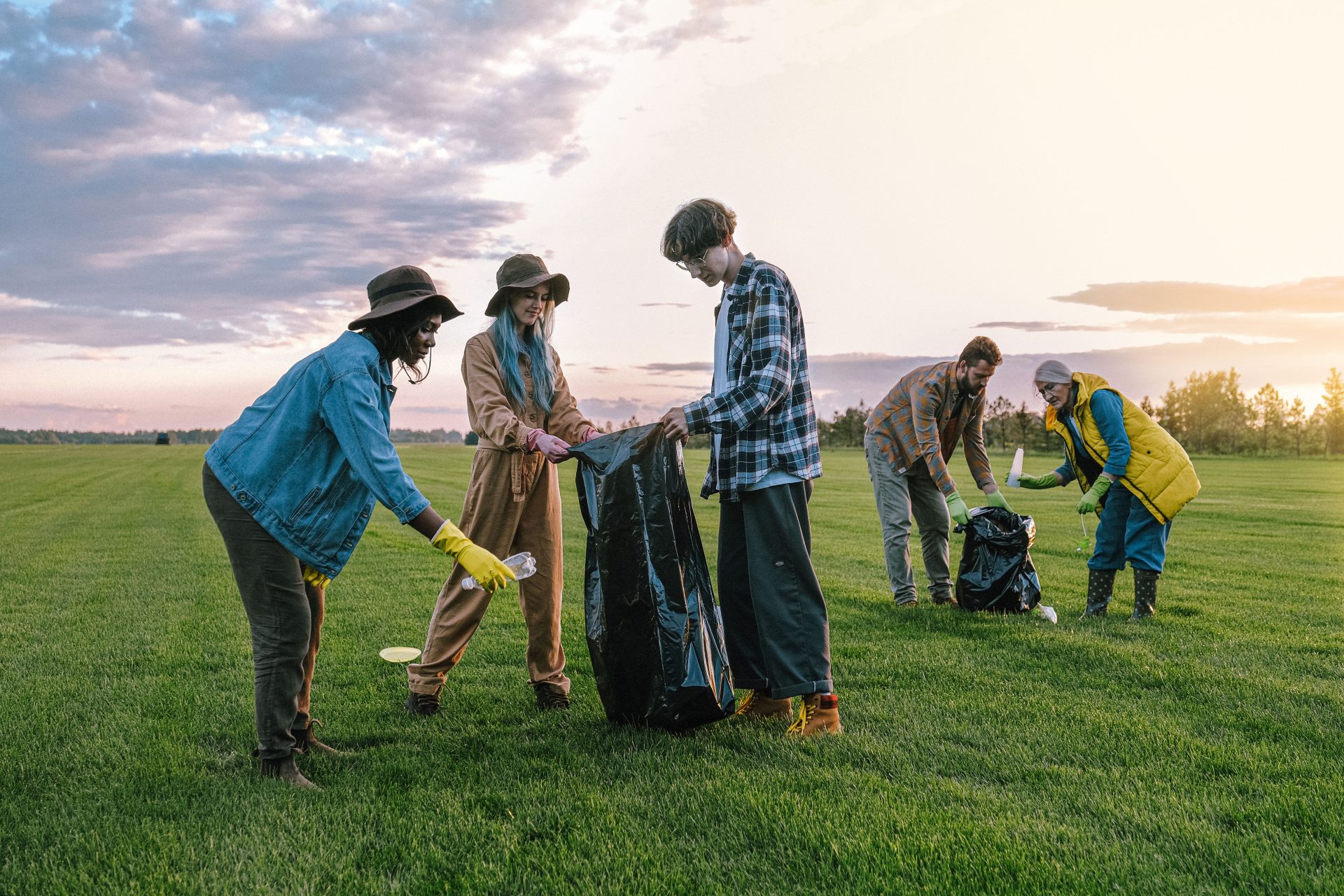
2. Clear litter from drains and streets
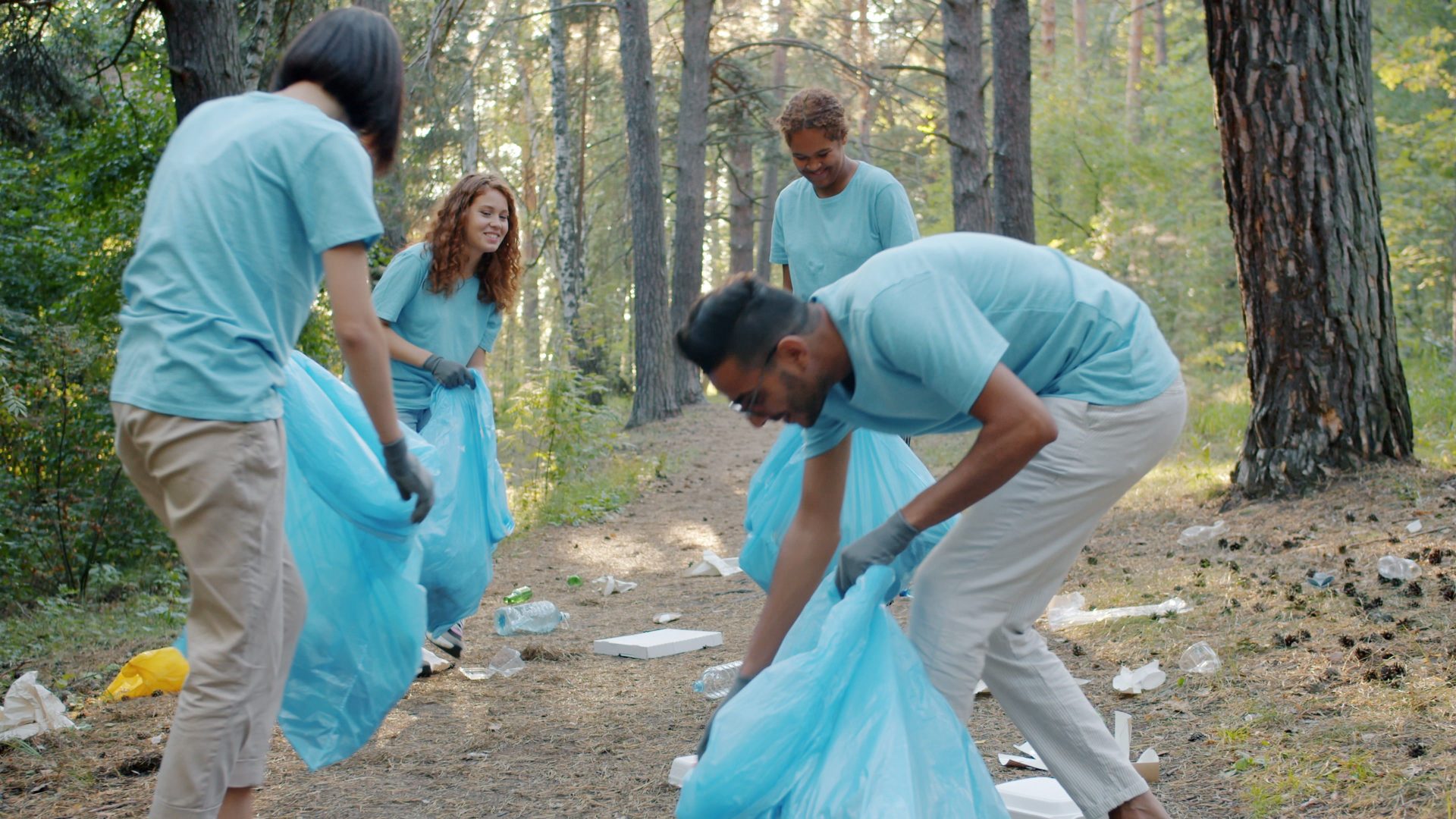
Much of the plastic pollution that reaches our rivers begins in neighbourhood stormwater drains. Spending just 67 minutes collecting litter in your street or local park can prevent waste from entering waterways before the next rainfall.
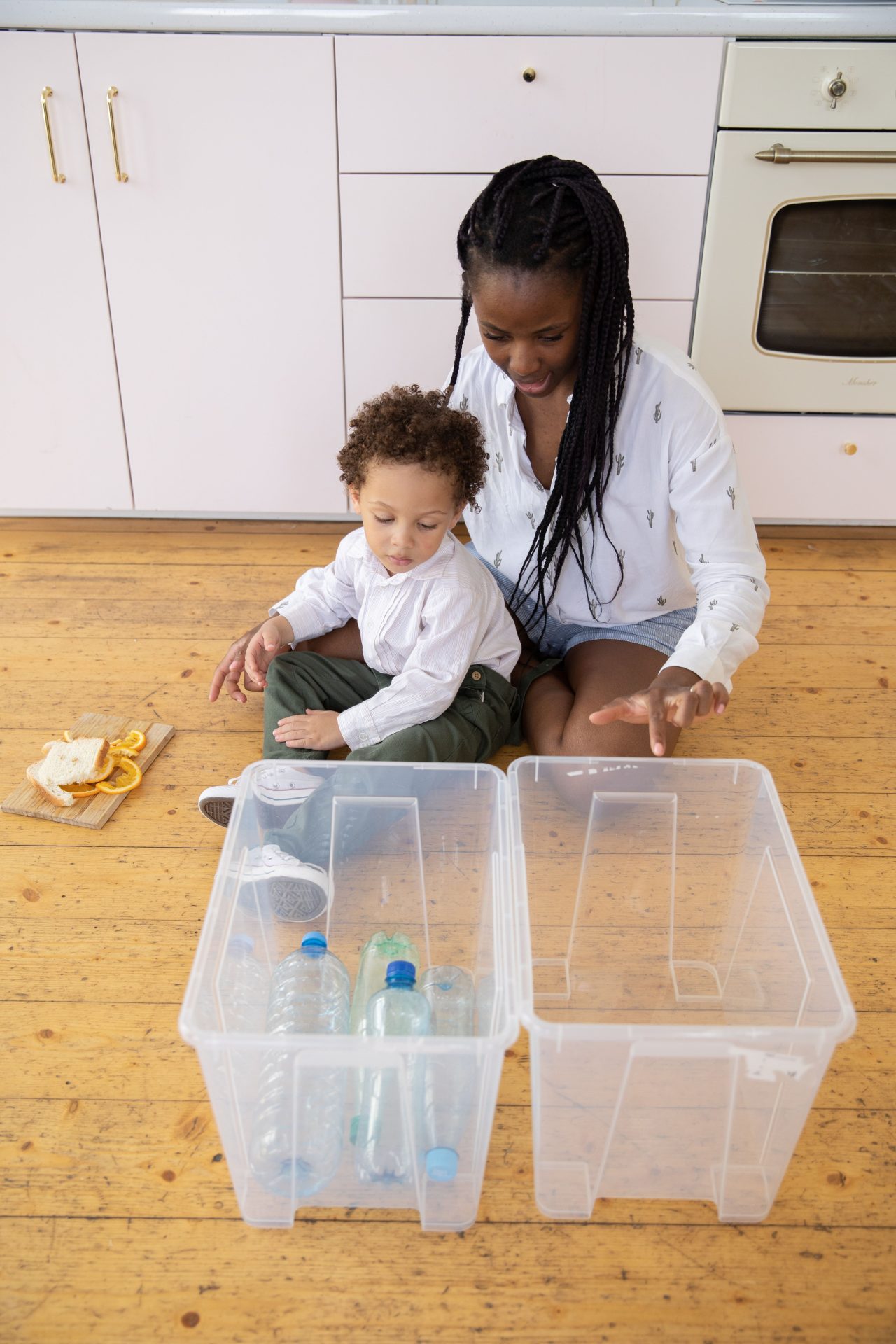
3. Rethink household waste
Mandela Day is also the perfect excuse to start habits that last beyond a single day. Set up a simple recycling system at home, begin composting kitchen scraps or invest in a bokashi bin. Reducing what goes to landfill is one of the easiest ways to lessen your environmental footprint.
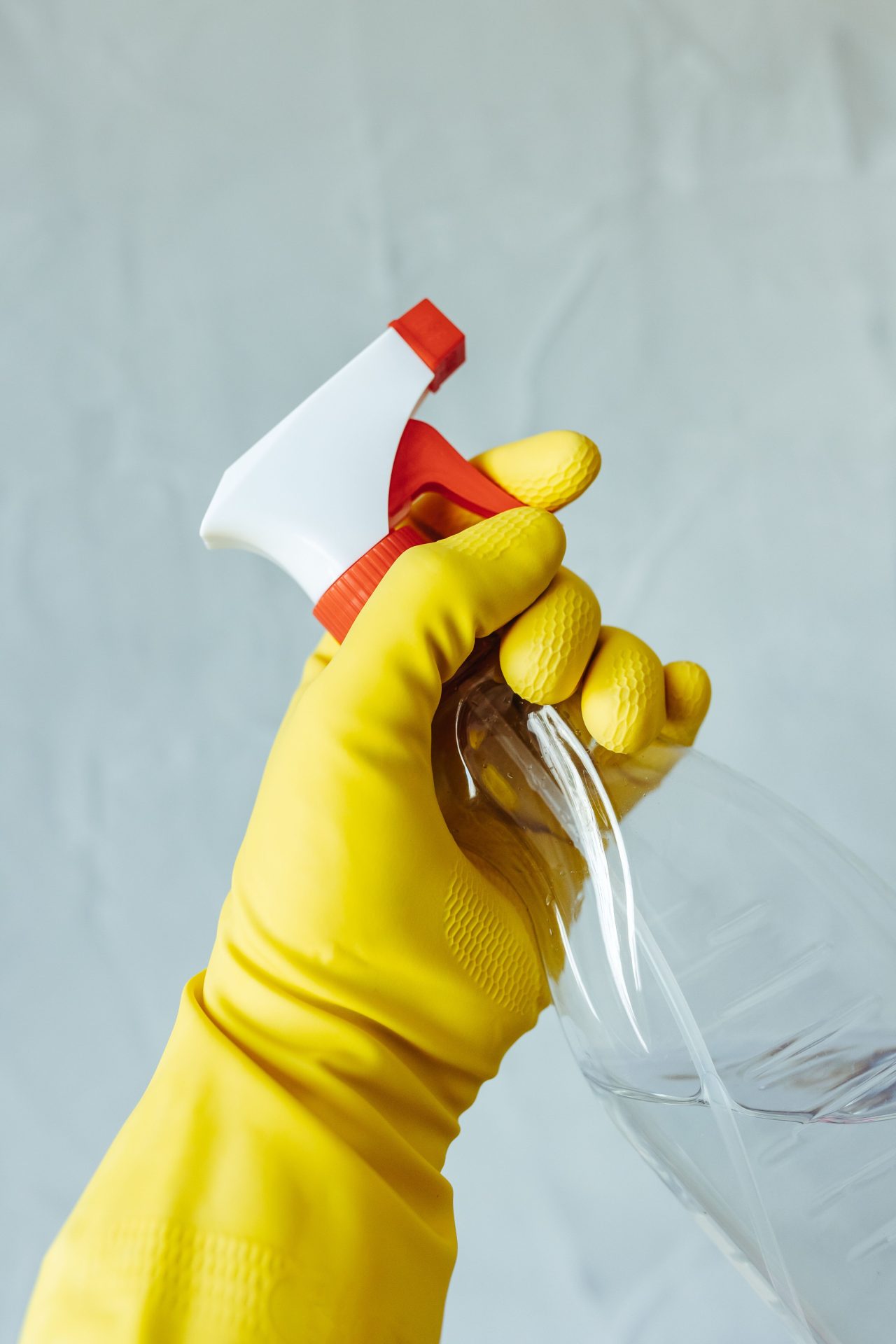
4. Choose greener cleaning products
Many everyday household cleaners contain chemicals that eventually find their way into rivers and streams. Natural alternatives like vinegar, bicarbonate of soda and citrus peels can tackle many cleaning jobs just as effectively while reducing chemical pollution and plastic waste.
5. Cook local and seasonal
Support nearby farmers and producers by preparing a meal using seasonal, locally sourced ingredients. Choosing more plant-based meals and making use of leftovers also helps reduce food waste, which plays a significant role in greenhouse gas emissions.
6. Grow something edible
Whether you have a large garden or a sunny windowsill, growing herbs, spinach, or tomatoes is a simple way to reconnect with where food comes from. It’s good for the environment, easy on the wallet and incredibly rewarding.
Related Stories
 Local Ocean Champion Zoë Prinsloo Takes Her Mission Global!
 Cape Town Kayakers Rescue Starving African Penguin Far Out to Sea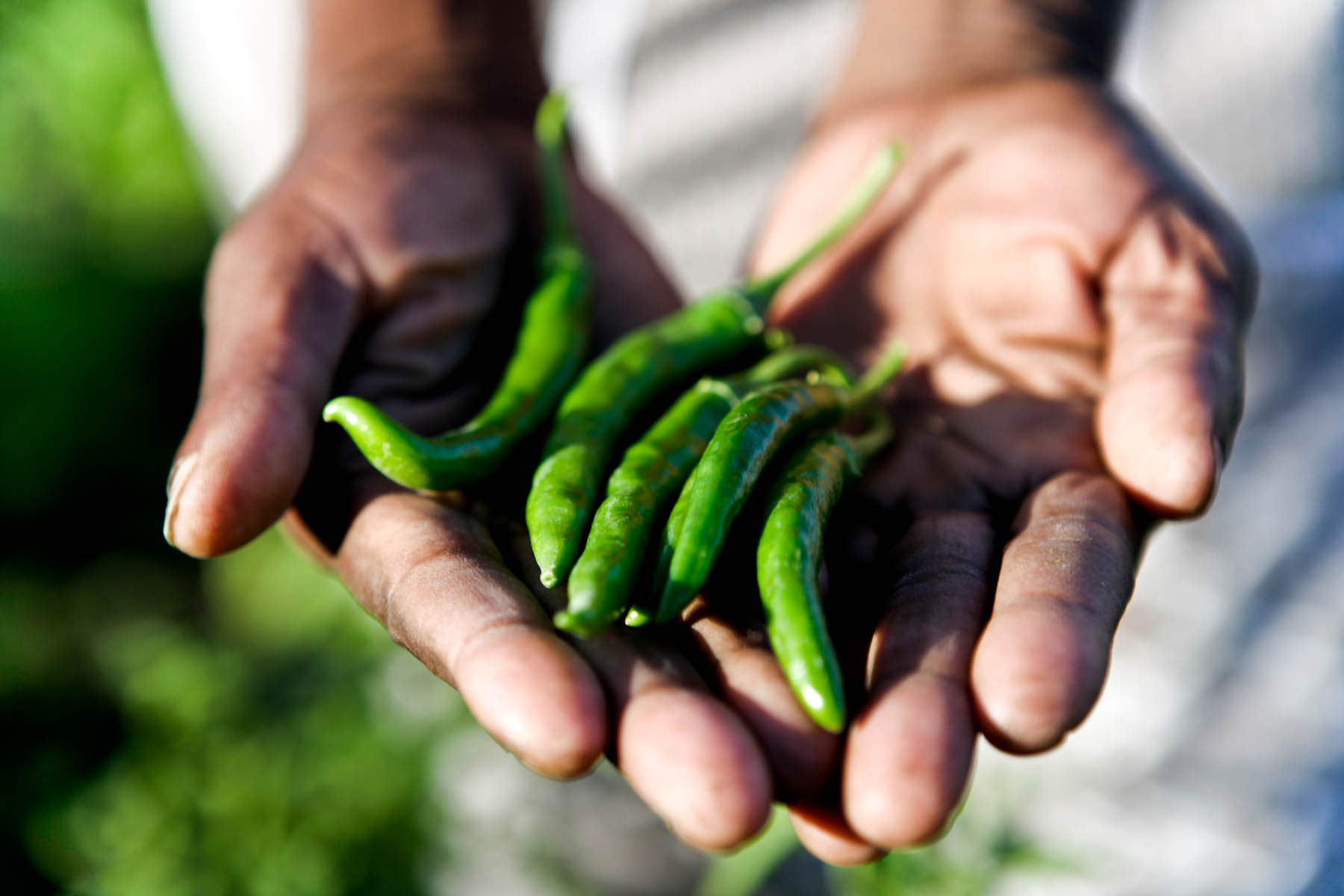
7. Bring the neighbourhood together
Invite your neighbours to join you in cleaning up a park, planting trees or tidying a shared green space. Individual acts of kindness are powerful, but communities working together can create lasting change that extends well beyond Mandela Day.
The beauty of Mandela Day has always been that anyone can take part. You don’t need a big budget or months of planning. You simply need the willingness to spend a little time making life better for someone else, or for the place we all call home.
WWF South Africa hopes its This Is Where We Live campaign reminds people that nature isn’t separate from our daily lives. It supports our health, our livelihoods and our future. Looking after it is simply another way of looking after each other.
To learn more about the campaign or discover ways to get involved with WWF South Africa, visit www.wwf.org.za.
 by
by