For Phamela, Benji and Libuseng, kidney donation meant finally experiencing a full life, saving a two-year-old son and giving a sick brother a second chance. This National Kidney Awareness Week, they share their stories of hope and the priceless gift of donation.
South Africa (02 September 2025) – South Africa faces one of the highest rates of Chronic Kidney Disease (CKD) worldwide, driven largely by diabetes, high blood pressure, and HIV. Yet despite the urgent need, our country has one of the lowest organ donation rates globally – just 1.2 donors per million population.
With thousands of patients currently on the waiting list, this National Kidney Awareness Week (1–5 September), Transplant Education for Living Legacies (TELL) is shining a light on children, chronic kidney disease, and the gift of donation.
Phamela’s Blessing
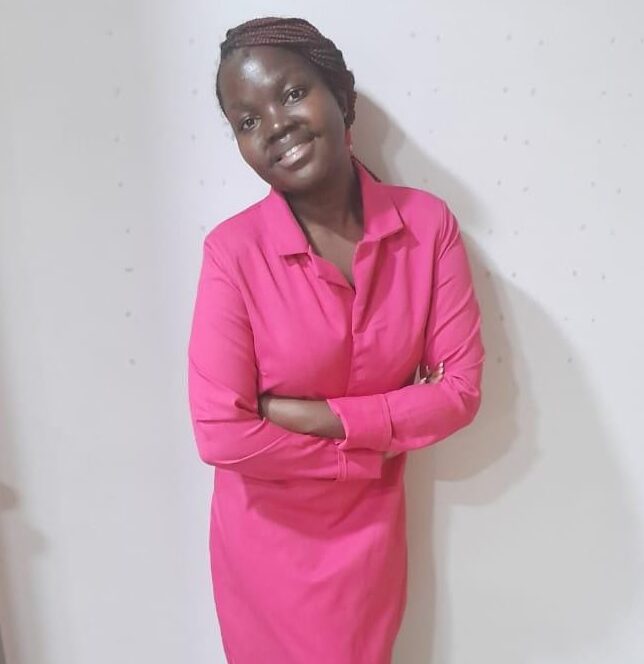
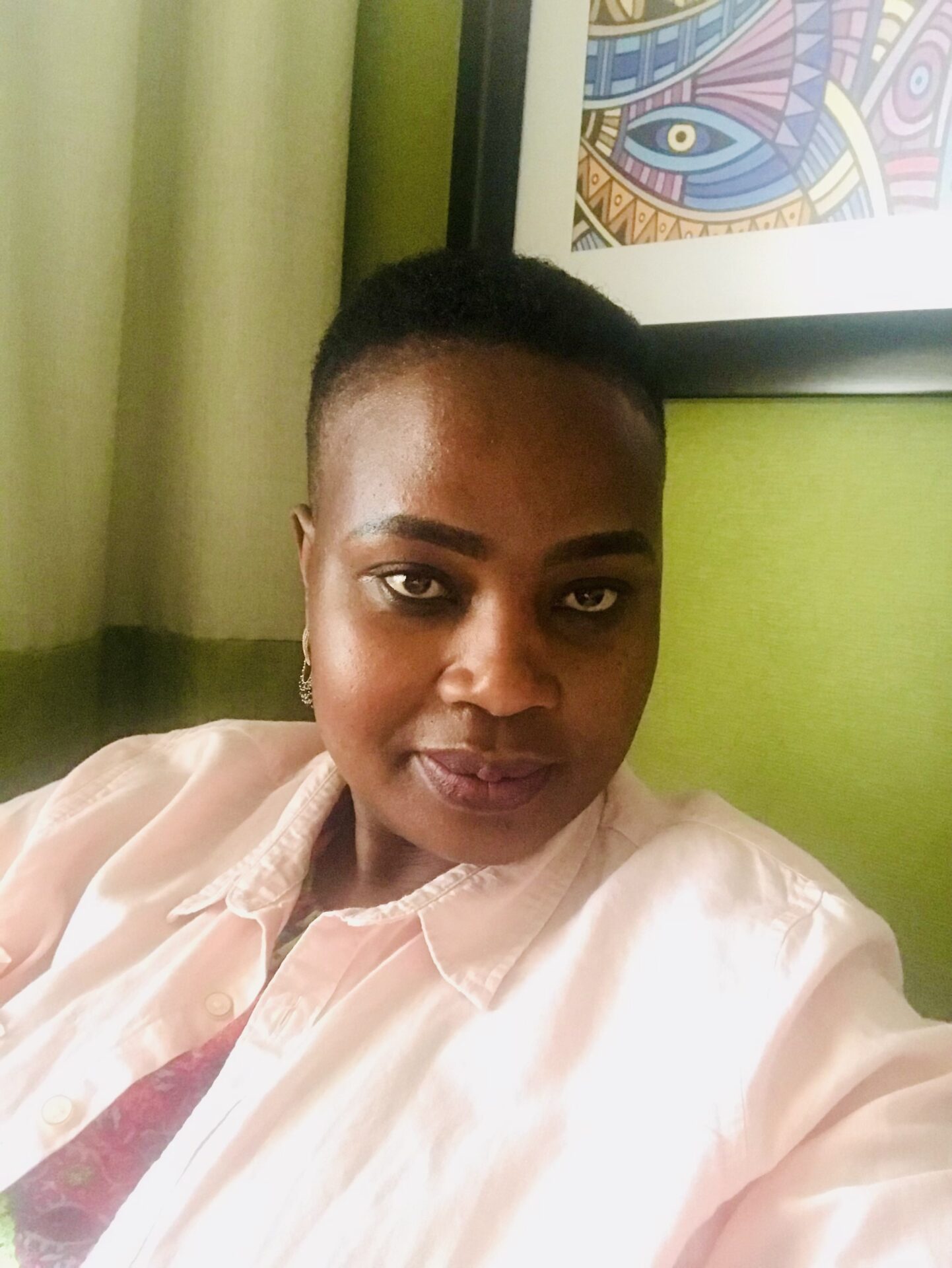
Take the real-life testimony of Phamela Mavundza. Now 23 and living in Acadia, Pretoria, she received her life-saving kidney transplant in 2007 at just five years old.
Phamela had spent five long years on the waiting list, much of her childhood in and out of the hospital. Her chance at life came when, in their time of grief, a family consented to deceased donation, giving Phamela the gift that allowed her to grow up.
Today, she describes life as “great”. She has finished school and now raises awareness about organ donation for children in need. She calls her transplant a true “blessing.”
A Father’s Gift
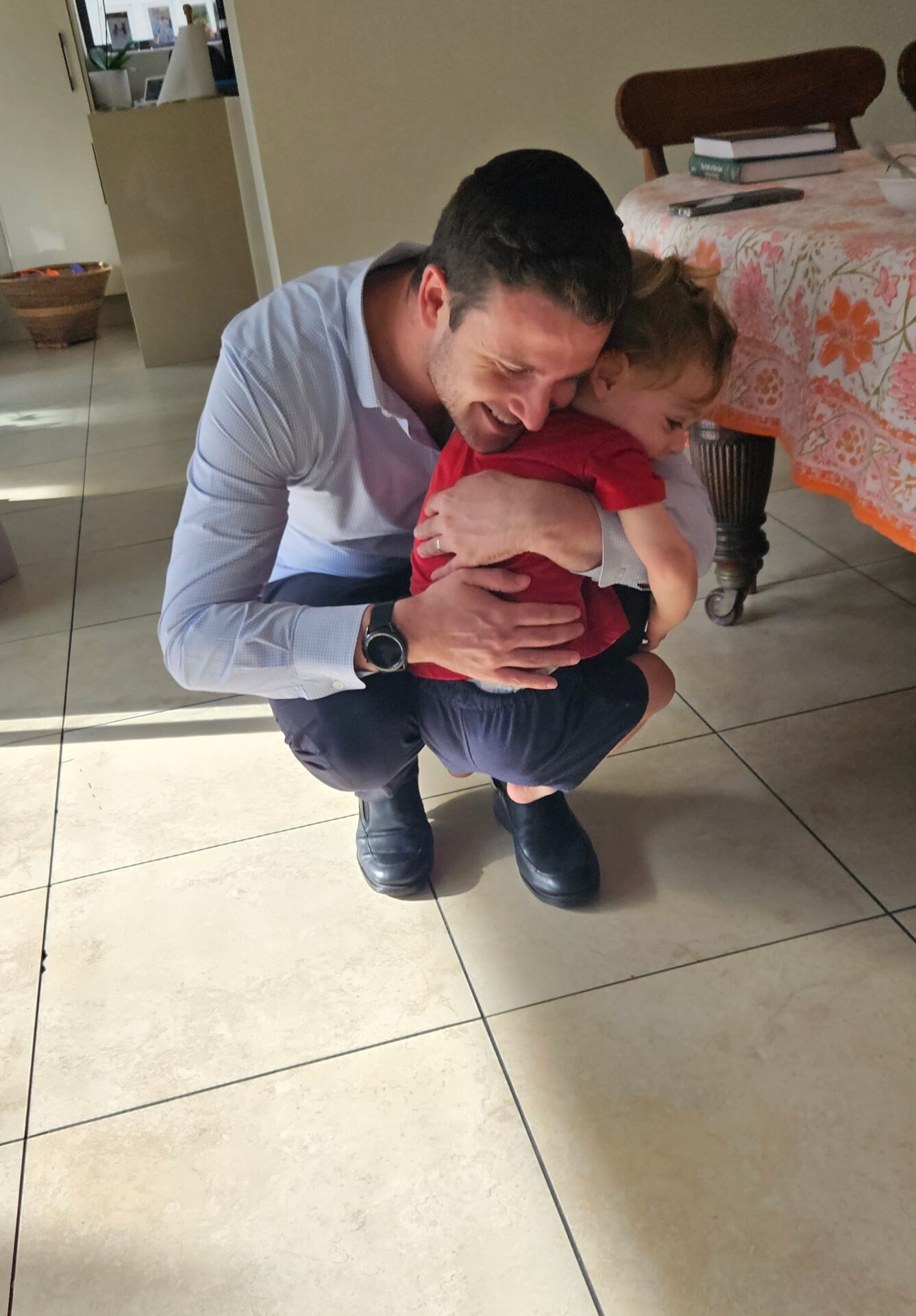
For Benji Altschuler, a 30-year-old chartered accountant from Johannesburg, living donation meant saving the life of his two-year-old son. In 2023, Benji became his little boy’s kidney donor. He was the first family member tested – and miraculously, a perfect match. That meant his son avoided the uncertainty of the waiting list.
The news brought mixed emotions: relief, anxiety, and anticipation.
“You’re grateful to be a match, but the reality of surgery is still overwhelming,” Benji reflects.
 Celebrating a Month of Miracles and Journeys with Wings and Wishes
 One Small Granny Square Turned Into 50 Colourful Blankets for Charities!
After a few weeks of recovery, Benji’s life returned to normal – perhaps even better. He now takes greater care of his health and avoids anti-inflammatories. He calls the experience “transformational” and believes the biggest barrier to more donors in South Africa is simple: a lack of education and lingering misconceptions.
A Sister’s Brave Decision
A brave sister, Libuseng Moqoboko, didn’t hesitate when doctors confirmed she could donate.
“Watching my brother sick and not living like other teenagers was very sad,” she says.
This was her brother’s second transplant; the first lasted eight years, and he was on the waiting list for two years for a second transplant.
“I wanted to help him live his life.”
In 2012, she gave him her left kidney- a gift she now describes in one word: reborn.
“When I was told I was a match, I felt anxious, relieved, and brave at the same time,” she remembers. “It wasn’t easy, but I knew it was the right thing to do.”
Libuseng is thriving. Married with three children and working full-time, she says her health is excellent.
“Life after donation is great – healthy and normal,” she explains.
“If you follow the advice of doctors and nurses, you can live a full life.”
For these young patients, organ donation – whether from a living donor or a deceased donor – meant the difference between years of invasive dialysis and the chance to live a full, healthy life.
The Hidden Dangers of Kidney Disease
According to TELL, many people don’t realise that you can lose up to 90% of your kidney function without showing obvious signs or symptoms. By the time symptoms appear, kidney damage is often severe and irreversible.
The urgency is even more pronounced given the hidden health risks facing children and adults alike: Kidney risks often stay hidden. That’s why doctors stress the importance of early detection.
While Phamela and Benji’s son received their gifts in time, many others are still waiting. Over 8,000 people in South Africa need life-saving transplants – including 40 children. Globally, children wait on average 2.5 times longer than adults for organs.
When these silent conditions catch people off guard, families are often unprepared to make informed decisions about organ donation. Without clear knowledge of your wishes, your family may hesitate and may end up saying no. The truth is simple: families have the power to save lives, but they need to know what you want ahead of time.
For Phamela, the lesson is simple:
“People are afraid. It’s not that there are no donors – it’s that people are scared. But I’m here today because a family consented to donation.”
“The myths need to be broken. Donation isn’t just about saving one life – it transforms families, too,” Benji says, echoing the call.
A Call to Action
This National Kidney Awareness Week (1–5 September), TELL urges South Africans to:
- Have your BP, glucose and kidney function checked – even children, especially if at-risk factors are present, invite kids into the conversation
- Talk to your family about your wishes regarding organ and tissue donation
- Consider living donation – as a parent, sibling, friend, or even an altruistic donor
- Spread the message – break the silence in schools, workplaces, and communities
You can also support TELL’s mission by purchasing a Mini Zane toy, helping fund awareness and comfort for children awaiting transplants.
For Phamela and Benji, the message is clear: donation is not about loss, but about life.
This National Kidney Awareness Week, check your health, talk to your family, and consider giving the gift of life. For more information, visit www.tell.org.za
Sources: Supplied
Don’t ever miss the Good Things. Download the Good Things Guy App now on Apple or Google.
Do you have something to add to this story? Please share it in the comments or follow GoodThingsGuy on Facebook & Twitter to keep up to date with good news as it happens, or share your good news with us by clicking here or click the link below to listen to the Good Things Guy Podcast with Brent Lindeque – South Africa’s very own Good Things Guy. He’s on a mission to change what the world pays attention to, and he truly believes there’s good news around us. In the Good Things Guy podcast, you’ll meet these everyday heroes & hear their incredible stories:
Or watch an episode of Good Things TV below, a show created to offer South Africans balance in a world with what feels like constant bad news. We’re here to remind you that there are still so many good things happening in South Africa & we’ll leave you feeling a little more proudly South African.
 by